You’ve packed your gear, chosen the perfect campsite, and set up your tent. But what if the rain starts pouring?
A wet tent can turn your adventure into a soggy nightmare. The good news is, you don’t need to buy an expensive new tent or rely on store-bought sprays. You can waterproof your tent yourself, quickly and easily. In this guide, you’ll discover simple, effective DIY methods that protect your tent from rain, keeping you dry and comfortable no matter the weather.
Ready to learn how to make your tent rainproof? Let’s dive in.
Choosing The Right Waterproofing Materials
Waterproofing your tent is key to staying dry during camping trips. Picking the right materials helps protect your gear from rain and moisture. This guide covers sprays, tapes, and eco-friendly options to keep your tent safe.
Each waterproofing product works differently. Knowing their strengths helps you choose the best fit for your tent’s fabric and seams.
Types Of Waterproof Sprays And Sealants
Waterproof sprays and sealants add a protective layer on tent fabric. Sprays are easy to apply and dry quickly. Sealants fill tiny holes and cracks for extra protection. Some sprays use silicone or fluoropolymer bases for water resistance.
- Silicone sprays: flexible and water-resistant but may darken fabric
- Fluoropolymer sprays: lightweight and durable with strong water repellency
- Polyurethane sealants: good for sealing seams and small tears
- Wax-based sprays: natural option but may require frequent reapplication
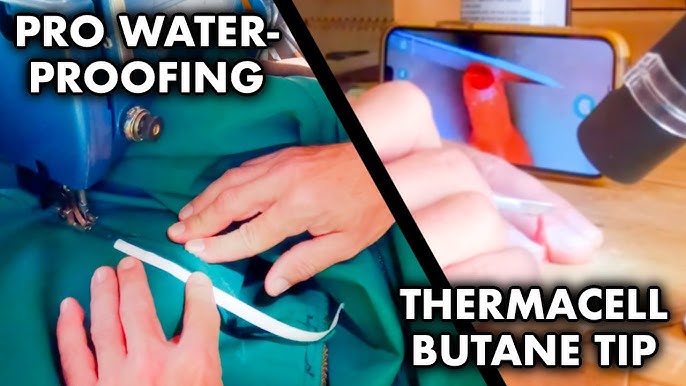
Best Waterproofing Tapes For Seams
Seams are weak spots where water can enter. Waterproof tape seals these areas tightly. Look for tapes that are strong, flexible, and easy to apply. Some tapes come with adhesive that bonds well to nylon and polyester.
| Waterproof Tape | Material | Key Feature |
| Seam Grip Tape | Polyurethane | Highly flexible and durable |
| Tenacious Tape | Rubberized | Strong adhesion and waterproof |
| Gear Aid Repair Tape | Vinyl | Clear and easy to cut |
Eco-friendly Waterproofing Options
Eco-friendly waterproofing products use natural or less toxic ingredients. These options reduce harm to the environment while protecting your tent. They often need reapplication but work well for light to moderate rain.
- Beeswax-based waterproof sprays
- Natural plant oils mixed with wax
- Water-based biodegradable sprays
- DIY mixtures of linseed oil and turpentine
Preparing Your Tent For Waterproofing
Waterproofing a tent keeps you dry in wet weather. Before applying any treatment, you need to prepare the tent well.
Proper preparation helps the waterproof coating stick better and last longer. Start by cleaning, checking for damage, and drying the tent.
Cleaning The Tent Fabric
Cleaning removes dirt and oils that stop waterproof sprays from working well. Use a soft brush or sponge with mild soap and water.
- Set up the tent outside or in a large tub.
- Mix a small amount of mild soap with warm water.
- Gently scrub the fabric with a soft brush or sponge.
- Rinse thoroughly with clean water to remove soap.
- Do not use harsh detergents or bleach.
Inspecting For Damage And Wear
Check your tent for holes, tears, or worn areas. These spots can let water in even after waterproofing.
| Type of Damage | How to Fix |
| Small Holes | Use fabric patches or repair tape |
| Tears or Rips | Sew with strong thread or use patch kits |
| Worn Seams | Apply seam sealer after repair |
Drying The Tent Completely
Make sure your tent is fully dry before waterproofing. Wet fabric stops the spray from sticking.
- Set up the tent in a sunny, well-ventilated area.
- Allow it to air dry for several hours or until no moisture remains.
- Check all corners and seams for damp spots.
- Do not use heat sources like dryers or heaters to speed up drying.
Applying Waterproof Spray
Waterproof spray helps protect your tent from rain and moisture. It creates a water-resistant layer on the fabric. Applying it correctly is important for the best results.
This guide explains how to apply waterproof spray with even coverage, how many coats to use, and how long to let it dry.
Best Techniques For Even Coverage
To get even coverage, spray your tent in small sections. Hold the spray can about 6 to 8 inches from the fabric. Move the can in a steady, side-to-side motion.
- Spray in a well-ventilated area or outside
- Keep the tent fabric taut to avoid wrinkles
- Do not spray too close to avoid pooling
- Cover every part of the fabric evenly
- Use a mask to avoid inhaling spray particles
Number Of Coats Needed
The number of coats depends on your tent’s fabric and how much protection you want. Usually, two coats are enough for good waterproofing.
| Coats | Purpose | Result |
| One | Basic protection | Light water resistance |
| Two | Standard waterproofing | Good water protection |
| Three or more | Heavy rain protection | Strong water resistance |
Drying And Curing Time
After spraying, let the tent dry completely before packing it away. Drying time can vary based on temperature and humidity.
- Allow at least 24 hours of drying time
- Check the weather to avoid rain during drying
- For best results, let the coating cure for 48 hours
- Avoid touching the fabric until fully dry

Credit: www.popularmechanics.com
Sealing Tent Seams
Waterproofing your tent is key for dry camping. Sealing tent seams stops water leaks during rain.
This guide shows how to find weak seam spots and apply sealant well.
Identifying Vulnerable Seam Areas
Seams are where two pieces of fabric join. These spots face stress and water can get in.
- Look at the floor seams inside the tent. They face ground wetness.
- Check roof seams where rain hits most.
- Inspect zipper seams as water can seep near zippers.
- Examine corners and edges, as they bend often.
Using Seam Sealant Effectively
Seam sealant fills gaps and strengthens fabric joints. Follow these tips to apply it well.
- Clean the seams with mild soap and water. Let dry fully.
- Use a brush or applicator to spread the sealant evenly.
- Apply sealant to both inside and outside seams if possible.
- Let the sealant dry at least 24 hours before packing the tent.
- Test waterproofing by spraying water gently on seams.
Tips For Long-lasting Seams
| Tip | Reason |
|---|---|
| Avoid folding seams sharply | Prevents cracks in sealant and fabric |
| Store tent dry and rolled loosely | Stops mold and damage to sealed seams |
| Reapply sealant yearly | Maintains waterproof barrier over time |
| Repair tears near seams quickly | Prevents water entry and seam damage |
| Use a seam tape for extra protection | Strengthens and seals high-stress areas |
Waterproofing Tent Floor
Keeping your tent floor dry is important for a comfortable camping trip. Water can soak through the floor and make your gear wet.
This guide focuses on how to waterproof your tent floor yourself. It covers choosing the right products, applying waterproof layers, and protecting against damage.
Choosing Floor-specific Products
Not all waterproof products work well on tent floors. Choose those made for heavy fabrics and ground contact. These products last longer and keep water out better.
Look for waterproof sprays or sealants that say they are safe for nylon or polyester. Avoid products that can damage your tent material.
- Waterproof sprays designed for tent floors
- Sealants for nylon or polyester fabrics
- Products that resist dirt and mold
- Non-toxic and safe for camping gear
Applying Waterproof Layers
Clean the tent floor before applying any waterproof product. Dirt and dust can stop the product from working well. Let the floor dry completely.
Spray or brush the waterproof layer evenly. Apply several thin coats instead of one thick coat. Let each coat dry fully before adding the next.
- Clean and dry tent floor
- Apply thin, even coats
- Wait for each coat to dry
- Cover all floor areas carefully
Protecting Against Abrasion
The tent floor faces wear from rocks and rough ground. Adding protection helps keep the waterproof layer intact. Use a groundsheet or footprint under the tent.
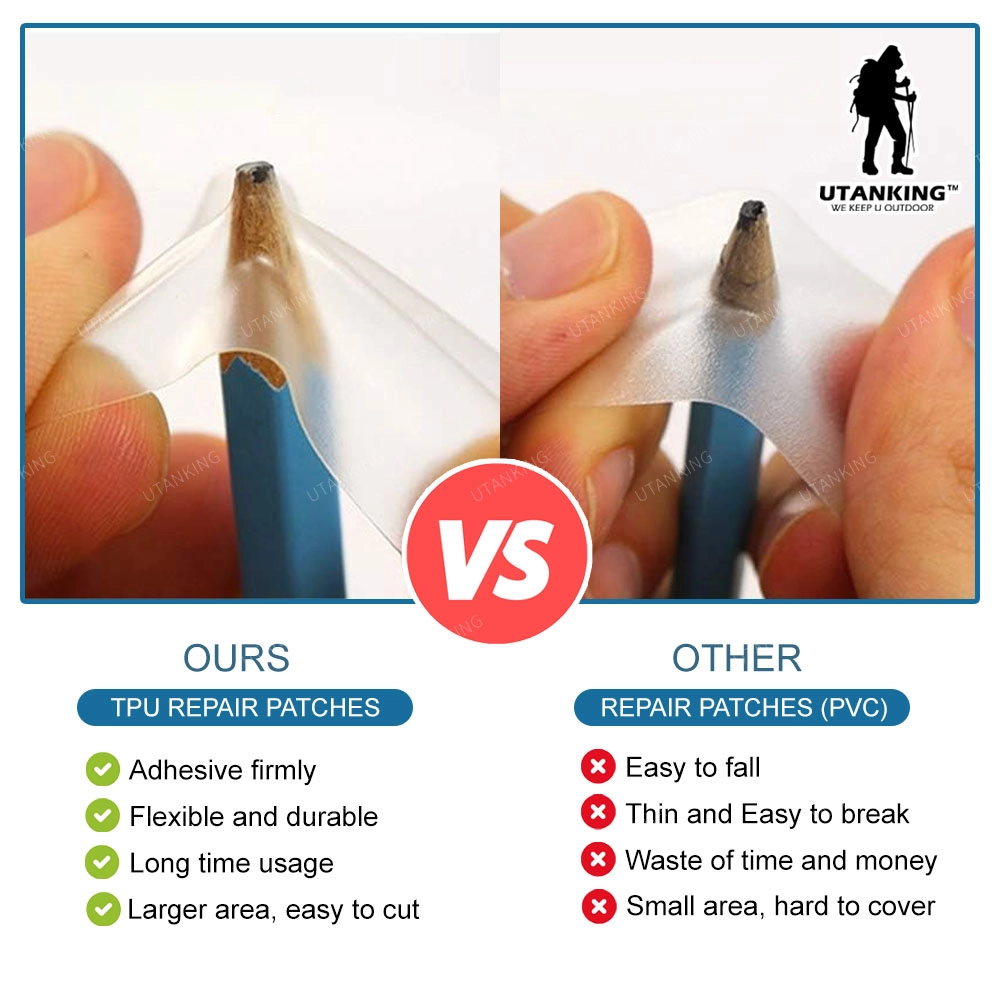
Repair any holes or tears quickly. Small damage lets water in and weakens the floor. Patch kits work well for fixing these problems.
- Use a groundsheet below the tent floor
- Check floor regularly for damage
- Fix holes with patch kits
- Avoid dragging tent on rough surfaces
Credit: www.utanking.com
Maintaining Waterproof Protection
Keeping your tent waterproof is important for a dry and comfortable camping trip. Proper care helps the tent stay sealed against rain.
Regular maintenance improves the tent’s lifespan and keeps water from leaking inside.
Regular Cleaning Routines
Clean your tent after every trip to remove dirt and debris. Dirt can wear down the waterproof layer over time.
Use a soft brush or sponge with mild soap and cold water. Avoid harsh detergents or bleach.
- Set up the tent outside or in a clean area
- Gently scrub dirty spots
- Rinse well with clean water
- Let it air dry completely before packing
Reapplying Waterproof Coatings
Waterproof coatings wear off after some time. Reapply the coating to keep your tent water-resistant.
Use spray-on or wash-in waterproof products made for tents. Follow the instructions on the label carefully.
- Clean the tent before applying coating
- Apply coating evenly on all fabric surfaces
- Let the tent dry fully before use
- Repeat coating every season or after heavy use
Storage Tips To Preserve Waterproofing
Store your tent properly to protect its waterproof layer. Avoid damp or hot places for storage.
Keep the tent dry and loosely packed in a breathable bag. Tight packing can damage the fabric and coatings.
- Clean and dry tent before storing
- Use a cotton or mesh storage bag
- Store in a cool, dry place away from sunlight
- Check the tent regularly during long storage
Troubleshooting Common Problems
Waterproofing your tent is important to keep dry inside. Sometimes, problems happen even after waterproofing. Knowing how to fix these issues helps you stay comfortable outdoors.
This guide covers common problems like leaks, mold, and tears. It shows simple ways to fix them yourself.
Fixing Leaks After Waterproofing
Leaks can appear if waterproof coating wears off or seams open. Check the tent carefully for wet spots or drips during rain.
To fix leaks, clean the area first. Apply seam sealer or waterproof tape to the affected spots. Let it dry fully before using the tent again.
- Inspect seams and fabric for holes or cracks
- Use seam sealer on stitching lines
- Cover small holes with waterproof tape
- Reapply waterproof spray if needed
Handling Mold And Mildew
Mold and mildew grow in damp tents if not dried well. They cause bad smells and damage the fabric.
Always dry your tent fully before storing it. Clean mold with a mild soap and water mix. Let the tent air dry in the sun to stop mold from returning.
- Dry tent completely after each use
- Clean mold spots gently with soap and water
- Avoid harsh chemicals that can harm fabric
- Store tent in a dry, ventilated place
Repairing Tears And Holes
Tears and holes let water inside and weaken your tent. Fix small damage quickly to keep the tent strong.
Use a patch kit made for tents. Clean and dry the area, then apply the patch on both sides if possible. Press firmly and let it set before using the tent.
- Clean and dry the damaged area
- Cut patch slightly larger than tear
- Apply adhesive or sew patch as needed
- Check repair regularly for wear

Credit: www.youtube.com
Frequently Asked Questions
How Can I Waterproof A Tent Cheaply?
Waterproofing a tent can be affordable using DIY methods. Start with a tent sealer spray. Focus on seams and corners, applying generously. For added protection, use waterproofing tape on seams. Ensure the tent is clean and dry before application. This process is cost-effective and enhances your tent’s durability.
What Materials Are Needed For Waterproofing?
To waterproof a tent, you’ll need a tent sealer spray, waterproofing tape, and a clean cloth. These materials are easily available at outdoor or camping supply stores. They’re essential for maintaining a dry and comfortable camping experience. Proper application ensures long-lasting protection against rain and moisture.
How Often Should I Waterproof My Tent?
Waterproof your tent at least once a year, or after heavy use. Regular maintenance ensures durability and performance. If you notice leaks or fading in the fabric, it’s time to reapply. This routine keeps your tent in top condition, ready for any weather condition during camping trips.
Can I Waterproof An Old Tent?
Yes, you can waterproof an old tent using DIY methods. Start by cleaning the tent thoroughly. Apply a tent sealer spray and focus on seams. Use waterproofing tape for extra reinforcement. Even older tents benefit from this process, extending their usability and keeping them dry during camping trips.
Conclusion
Waterproofing your tent protects you from rain and wind. Use simple tools and materials you already have. Regularly check and reapply waterproof coatings to keep your tent dry. Small repairs prevent big problems later. A dry tent makes camping more comfortable and safe.
Take time to do it right before your trip. Enjoy your outdoor adventure without worrying about bad weather. Your effort helps your tent last longer and stay strong. Stay prepared, stay dry!