Your canvas tent is more than just shelter—it’s your home away from home. But when rain starts pouring, a leaky tent can turn your adventure into a soggy nightmare.
How do you keep your tent dry, comfortable, and ready for any weather? This guide will show you exactly how to waterproof your canvas tent step by step. By the end, you’ll have the confidence to protect your gear and enjoy every outdoor trip, no matter the forecast.
Keep reading to discover simple, effective techniques that will make your canvas tent waterproof and weather-ready.
Selecting The Right Canvas
Choosing the right canvas is key to waterproofing your tent. Canvas comes in different types and qualities. Each type affects how well your tent resists water and lasts outdoors.
Understanding the canvas material and its water resistance helps you pick the best option. This guide covers common canvas types and their properties.
Types Of Canvas Materials
Canvas fabric varies by fiber and weave. These factors change durability, weight, and water resistance. The main types include cotton, polyester, and poly-cotton blends.
- Cotton Canvas:Natural fiber, breathable and strong. It absorbs water but can be treated for waterproofing.
- Polyester Canvas:Synthetic fiber, lightweight and dries quickly. Less breathable but more water-resistant than cotton.
- Poly-Cotton Blend:Mix of cotton and polyester. Offers durability, moderate breathability, and better water resistance.
Water Resistance Properties
| Canvas Type | Water Absorption | Natural Water Resistance | Waterproof Treatment Needed |
|---|---|---|---|
| Cotton Canvas | High | Low | Yes |
| Polyester Canvas | Low | Medium | Sometimes |
| Poly-Cotton Blend | Medium | Medium | Recommended |
Choose a canvas type based on your camping needs. Cotton offers comfort but needs more care. Polyester is easy to maintain but less breathable. Blends balance both features.
Preparing The Tent Surface
Waterproofing a canvas tent starts with a clean and dry surface. Dirt and moisture can stop waterproofing products from working well.
Preparing the tent surface takes time but protects your tent better. Clean and dry the canvas carefully before applying any waterproofing.
Cleaning The Canvas
Cleaning removes dust, mud, and stains that can block waterproof coatings. Use gentle methods to avoid damage.
- Brush off loose dirt with a soft brush
- Use mild soap mixed with water for spot cleaning
- Apply the soap solution with a sponge or cloth
- Rinse with clean water to remove soap
- Avoid harsh detergents or bleach
- Do not machine wash the canvas
Drying Techniques
Drying the canvas fully is key before waterproofing. Damp fabric can trap moisture and cause mold.
| Drying Method | Description | Tips |
|---|---|---|
| Air Drying | Hang the tent outside in shade | Turn it inside out for even drying |
| Sun Drying | Place tent in direct sunlight | Limit time to avoid fabric fading |
| Indoor Drying | Use fans in a well-ventilated room | Keep away from heaters to prevent damage |
Choosing Waterproofing Products
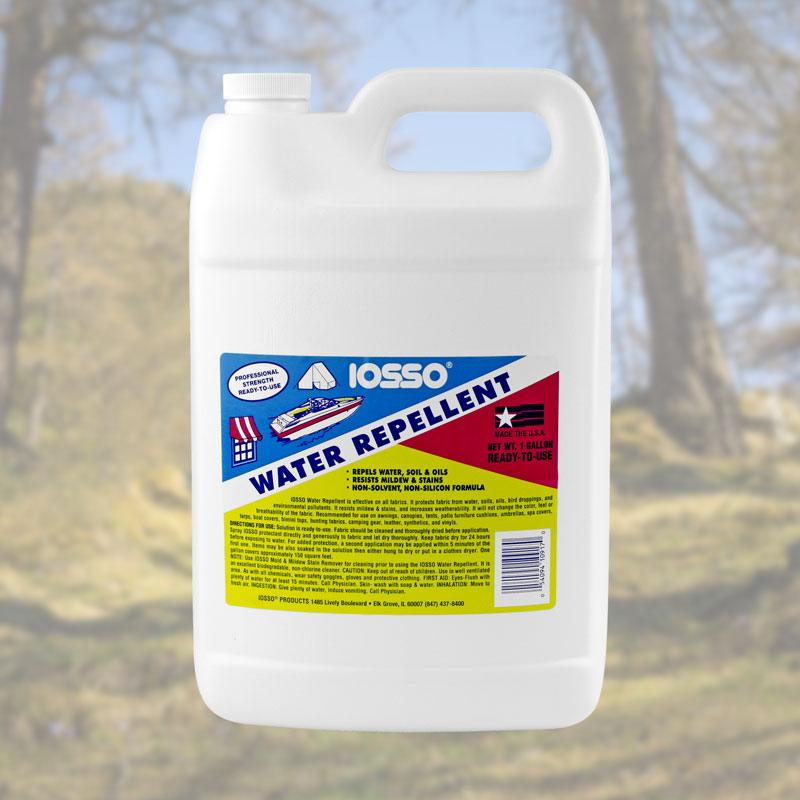
Waterproofing your canvas tent keeps you dry and protected. The right products help keep water out. Choose products based on your needs and environment.
Some waterproofing options use natural ingredients. Others rely on synthetic chemicals. Each type has pros and cons to consider.
Natural Waterproofing Options
Natural waterproofing uses materials like wax and oils. These products are often safe for the environment. They also keep the canvas breathable.
- Beeswax: A popular choice that seals fabric well.
- Lanolin: A natural oil that repels water and softens fabric.
- Plant-based oils: Such as linseed oil, which adds water resistance.
- Mix of wax and oils: Can improve waterproofing and durability.
Natural options need regular reapplication. They may not last as long as synthetic solutions but are gentle on the canvas.
Synthetic Waterproofing Solutions
Synthetic products use chemicals to create a strong water barrier. They often last longer and require less frequent use.
| Product Type | Advantages | Disadvantages |
| Silicone Spray | Waterproofs well, easy to apply | May reduce breathability |
| Polyurethane Coating | Durable, strong water barrier | Can be stiff, affects fabric feel |
| Fluoropolymer Treatments | Repels water and stains | More expensive, chemical content |

Credit: blog.whiteduckoutdoors.com
Applying Waterproofing Treatments
Waterproofing your canvas tent helps keep you dry in wet weather. Applying the right treatment protects the fabric from water damage.
There are different ways to apply waterproofing products. Choosing the right method makes the process easier and more effective.
Spray Application Method
Using a spray bottle to apply waterproofing is quick and covers large areas well. It works best for even, light layers.
Hold the spray about 6 to 12 inches from the fabric. Move the spray evenly across the canvas to avoid heavy spots.
- Use a clean spray bottle
- Spray in a well-ventilated area
- Keep the spray moving to cover all spots
Brush Application Method
Applying waterproofing with a brush gives more control on thick areas. This method works well for small patches or seams.
Use a soft brush to spread the treatment evenly. Brush gently to avoid damaging the canvas fibers.
- Choose a wide, soft-bristled brush
- Apply in smooth, even strokes
- Focus on edges and seams for best results
Multiple Coats And Drying Time
Applying several coats of waterproofing improves protection. Wait for each coat to dry before adding the next one.
Drying time varies but usually takes 4 to 6 hours. Check the product instructions for exact times.
- Apply 2 to 3 coats for best results
- Allow each coat to dry completely
- Test waterproofing by sprinkling water after drying
Sealing Tent Seams
Waterproofing a canvas tent keeps you dry during rain. Sealing the seams stops water from leaking in.
Seams are where two pieces of fabric join. These areas are the most likely to let water through.
Importance Of Seam Sealing
Seams can let water leak if not sealed well. Sealing them makes the tent more waterproof.
Proper seam sealing also protects the fabric from wear and tear. It extends the life of your tent.
Types Of Seam Sealants
There are several sealants made for canvas tents. Each type works differently and suits different needs.
- Water-based sealants: Easy to use and clean up with water
- Solvent-based sealants: Strong hold but need good ventilation
- Rubberized sealants: Flexible and durable on seams
- Tape sealants: Quick fix, good for small repairs
Step-by-step Sealing Process
Clean the seams before sealing. Remove dirt and dry the area completely.
Apply the sealant evenly along each seam. Use a brush or applicator for smooth coverage.
- Start with a small test patch to check for fabric reaction
- Apply the sealant in thin layers for best results
- Allow each layer to dry before applying the next
- Check seams regularly and reseal if needed
Maintaining Waterproof Canvas
Canvas tents need care to stay waterproof. Regular maintenance keeps them safe from rain and moisture.
Taking simple steps helps your canvas last longer and stay dry during outdoor trips.
Regular Inspections
Check your canvas tent often for holes, tears, and worn areas. Small damage can let water in.
Look closely at seams and corners. These spots are more likely to leak over time.
- Inspect after every camping trip
- Look for dirt or mold that can damage fabric
- Fix small tears before they get bigger
Reapplying Waterproof Coatings
Waterproof coatings wear off after use and washing. Reapply them to keep your tent dry.
Use products made for canvas. Follow instructions carefully for best results.
- Clean the canvas before applying coating
- Apply evenly across all surfaces
- Let the tent dry fully before packing
Storage Tips To Preserve Waterproofing
Store your canvas tent in a dry, cool place to protect its waterproof layer. Avoid damp or hot spots.
Make sure the tent is clean and dry before storing. This stops mold and mildew growth.
- Air out the tent before folding
- Use a breathable storage bag or container
- Keep away from direct sunlight and heat
Common Waterproofing Mistakes
Waterproofing a canvas tent protects it from rain and moisture. Many people make mistakes that reduce protection. Avoiding these errors helps keep your tent dry longer.
This guide explains common waterproofing mistakes. Fixing these will improve your tent’s weather resistance.
Overlooking Preparation
Many skip cleaning the tent before waterproofing. Dirt and dust block waterproof coatings from sticking well. A clean surface is key to good protection.
Also, wet tents or damp areas stop coatings from drying properly. Always start with a dry, clean tent for the best results.
Using Incompatible Products
Not all waterproof sprays work on canvas fabric. Using wrong products can cause damage or poor waterproofing. Check if the product says it is for canvas.
Some sprays contain chemicals that weaken the fabric or cause discoloration. Choose products made for natural canvas materials to avoid these issues.
Ignoring Seams And Zippers
Seams and zippers are weak spots where water can enter. Many people only treat the fabric and forget these areas. This leaves leaks and damp spots inside the tent.
Use seam sealant on stitched seams and waterproof spray on zippers. This extra step stops water from getting through the small openings.
- Apply seam tape or sealant along all seams
- Spray waterproof coating on zipper areas
- Check for gaps or worn fabric near zippers

Credit: www.baysports.com.au
Enhancing Tent Longevity
Waterproofing your canvas tent helps it last longer. It keeps rain and moisture from damaging the fabric.
Taking care of your tent also protects it from sun and air problems. This saves money and keeps you safe outdoors.
Proper Setup And Ventilation
Setting up your tent right stops water from pooling on the fabric. Use a flat spot and pull the tent tight.
Good airflow inside the tent stops mold and mildew. Open vents or windows to keep air moving.
- Choose a high, dry camping spot
- Stretch tent fabric tight to avoid sagging
- Keep vents open to reduce moisture inside
- Use a ground tarp to protect the floor
Protecting From Uv Damage
Sunlight can weaken canvas fibers over time. UV rays cause the fabric to fade and tear faster.
Use a UV-resistant spray to shield the tent from sunlight. Set up your tent in shaded areas when possible.
- Apply UV-protective spray every camping season
- Park tent under trees or use a sunshade
- Keep tent clean to avoid dirt buildup
Credit: www.vevor.ca
Frequently Asked Questions
How Often Should I Waterproof My Canvas Tent?
You should waterproof your canvas tent at least once a year. Check for wear or damage before each camping trip. Regular waterproofing keeps the canvas durable and water-resistant.
What Is The Best Waterproofing Spray For Canvas Tents?
Silicone-based waterproofing sprays are ideal for canvas tents. They repel water effectively without clogging fabric pores. Always choose a product designed specifically for canvas materials.
Can Waterproofing Damage My Canvas Tent?
Proper waterproofing does not damage canvas tents. Using recommended products and following instructions protects the fabric. Avoid harsh chemicals that may weaken fibers or cause discoloration.
How Long Does Waterproofing Last On Canvas Tents?
Waterproofing usually lasts 6 to 12 months depending on use and weather. Heavy rain and sun exposure may reduce effectiveness. Reapply waterproofing when water stops beading on the fabric.
Conclusion
Waterproofing your canvas tent keeps you dry and comfortable outdoors. Use the right products and follow simple steps carefully. Check your tent regularly for any wear or damage. Reapply waterproof coatings as needed to maintain protection. A well-maintained tent lasts longer and works better in rain.
Enjoy your camping trips without worrying about leaks. Small efforts make a big difference in your outdoor experience. Stay prepared and keep your tent safe from water damage.