If you own a canvas tent, you know how important it is to keep it dry and protected. Water can seep in, making your camping experience uncomfortable and ruining your gear.
But what if you could easily waterproof your canvas tent yourself? Imagine staying dry no matter the weather, enjoying your outdoor adventures without worry. In this guide, you’ll learn simple, effective steps to make your canvas tent fully waterproof. Keep reading to discover how to protect your tent—and your comfort—so every trip is a great one.

Credit: www.baysports.com.au
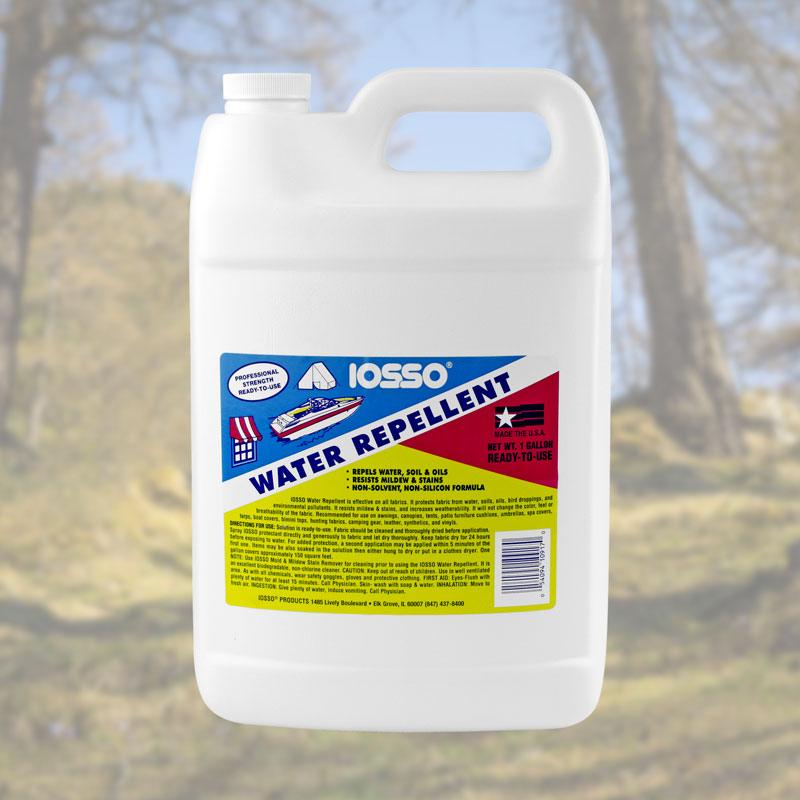
Choosing The Right Waterproofing Products
Waterproofing your canvas tent keeps you dry and protects your gear. Picking the right product is key to good protection.
There are many waterproofing products. Each type works differently and suits different needs.
Types Of Waterproofing Agents
Waterproofing agents come in sprays, waxes, and liquids. Each type has strong and weak points.
Sprays are easy to apply and dry fast. Waxes add a thick layer but need more work. Liquids soak into the fabric well.
- Sprays:Quick, good for light use
- Waxes:Durable, need heat to apply
- Liquids:Deep protection, longer drying time
Comparing Brands And Effectiveness
Different brands offer different levels of protection and ease of use. Check product reviews before buying.
Some brands use natural ingredients while others use synthetic chemicals. Natural products may need more frequent reapplication.
| Brand Type | Protection Level | Application Ease | Reapplication Frequency |
|---|---|---|---|
| Natural Wax | High | Medium (needs heat) | Every 6-12 months |
| Synthetic Spray | Medium | Easy | Every 3-6 months |
| Liquid Sealant | High | Medium | Every 6-9 months |
Preparing The Tent For Waterproofing
Waterproofing your canvas tent helps keep it dry in wet weather. Before you start, you must prepare the tent properly. This will make the waterproofing last longer and work better.
Preparation includes cleaning the canvas and checking for any damage. These steps are important to ensure the waterproof coating sticks well and protects your tent.
Cleaning The Canvas
Clean the canvas tent to remove dirt, dust, and stains. Dirt can stop the waterproof coating from working well. Use a soft brush or sponge with mild soap and water.
Rinse the tent thoroughly to remove soap. Let the canvas dry completely before applying any waterproofing product. Do not use harsh chemicals or bleach because they can damage the fabric.
- Use mild soap and cold water
- Gently scrub with a soft brush or sponge
- Rinse well with clean water
- Allow the tent to dry fully in the shade
- Avoid strong detergents and bleach
Inspecting For Damage
Check the tent carefully for holes, tears, or weak spots. Damaged areas can let water in even after waterproofing. Look at seams, corners, and the tent floor closely.
Repair any damage before waterproofing. Use patch kits or strong fabric glue made for canvas. Fixing the tent first helps keep water out and protects the fabric better.
- Look for holes and tears
- Check seams and corners
- Inspect the tent floor
- Repair damage before waterproofing
- Use canvas patch kits or fabric glue
Applying Waterproofing Treatment
Waterproofing your canvas tent protects it from rain and moisture. This treatment helps keep the fabric strong and dry.
Applying the waterproofing treatment correctly is important. Follow the steps carefully to get the best results.
Step-by-step Application
Start by cleaning the tent fabric to remove dirt and dust. Use a soft brush and mild soap if needed. Let it dry before applying the treatment.
- Choose a waterproofing spray or liquid made for canvas.
- Lay the tent flat in a well-ventilated area.
- Spray or brush the treatment evenly over the fabric.
- Cover all seams and stitching thoroughly.
- Apply a second coat if the product instructions say so.
Drying And Curing Process
After applying the waterproofing treatment, let the tent dry completely. This process helps the treatment bond to the fabric.
| Drying Step | Details |
| Initial Dry | Keep tent in shade for 4-6 hours. Avoid direct sunlight. |
| Full Cure | Let tent rest for 24-48 hours to cure fully. |
| Check Fabric | Test water repellency by sprinkling water drops. |
Sealing Tent Seams
Canvas tents have seams where the fabric pieces join. These seams can let water inside if not sealed properly. Sealing tent seams helps keep your tent dry in wet weather.
Using the right products and techniques is important to seal the seams well. This guide explains how to do it step by step.
Using Seam Sealants
Seam sealants are special liquids or tapes made to block water from entering seams. They work by filling small gaps and holes in the fabric stitches.
Apply the sealant on dry and clean seams for best results. Let it dry fully before packing or using the tent again.
- Choose a seam sealant made for canvas tents
- Use a brush or applicator to spread the sealant evenly
- Apply sealant on both inside and outside seams if possible
- Allow the sealant to dry for at least 24 hours
Ensuring Full Coverage
Cover all seams completely with sealant to avoid leaks. Missed spots can let water seep through and cause damage.
Check the seams carefully under good light. Sealant should cover every stitch and fabric edge along the seam.
- Inspect seams before and after sealing
- Apply a second coat if the first looks thin
- Seal any small holes or damage near seams
- Test the tent with water spray to find weak spots
Maintaining Waterproof Protection
Keeping your canvas tent waterproof is key for long use. Water can damage the fabric if protection wears off. Regular care helps your tent stay dry and strong.
Two main ways to keep your tent waterproof are reapplying waterproof coatings and storing it properly. Both protect the fabric from moisture and wear.
Regular Reapplication
Waterproof coatings fade after some time. Reapplying them keeps the fabric sealed against rain. Use a product made for canvas tents for best results.
- Clean the tent surface before applying any treatment.
- Choose a waterproofing spray or wax suited for canvas.
- Apply evenly to all fabric areas, avoiding zippers and seams.
- Allow the treatment to dry fully before folding or packing.
- Repeat every 6 to 12 months, or after heavy rain exposure.
Storage Tips For Longevity
Proper storage keeps your tent dry and clean between uses. Moisture during storage can cause mold and reduce waterproofing.
| Storage Tip | Reason |
| Dry the tent completely | Stops mold and mildew growth |
| Store in a cool, dry place | Prevents fabric damage from heat and humidity |
| Keep the tent loosely folded or rolled | Maintains fabric shape and coating |
| Avoid plastic bags | Allows airflow to reduce moisture buildup |
| Check tent before storage | Fix small tears or holes to keep waterproofing intact |

Credit: blog.whiteduckoutdoors.com
Troubleshooting Common Issues
Waterproofing a canvas tent can face some common problems. Fixing these issues quickly helps keep your tent dry and safe.
This guide covers how to handle leaks and how to stop mold and mildew from damaging your tent.
Addressing Leaks
Leaks happen when waterproof coatings wear off or seams weaken. Finding leaks early keeps water out.
- Check the tent fabric for holes or thin spots.
- Inspect all seams for loose threads or gaps.
- Apply a waterproof sealant designed for canvas to affected areas.
- Use seam tape or resew seams if they are coming apart.
- Allow the tent to dry completely before applying any treatments.
Dealing With Mold And Mildew
Mold and mildew grow in damp tents. They cause stains and bad smells, and can weaken the fabric.
| Cause | Solution |
| Moisture trapped inside tent | Air out tent daily and store it dry |
| Dirty tent fabric | Clean with mild soap and water |
| Persistent mold spots | Use a vinegar and water spray, then rinse |
| Severe mildew damage | Apply a commercial mold remover safe for canvas |
Credit: www.vevor.ca
Frequently Asked Questions
How Often Should I Waterproof My Canvas Tent?
You should waterproof your canvas tent at least once a year. Apply a waterproofing spray or solution before each camping season. Check for worn or damaged areas and reapply as needed to maintain water resistance.
What Materials Are Best For Waterproofing Canvas Tents?
Silicone-based waterproofing sprays and wax treatments work best. They create a durable, water-resistant barrier without damaging the canvas. Avoid using oil-based products as they can weaken the fabric and reduce breathability.
Can I Waterproof My Canvas Tent At Home?
Yes, you can waterproof your canvas tent at home. Clean the tent thoroughly, let it dry, then apply a waterproofing spray or wax evenly. Allow it to cure before using the tent outdoors for the best protection.
Will Waterproofing Affect Canvas Breathability?
Proper waterproofing maintains canvas breathability while repelling water. High-quality products seal water out but allow moisture vapor to escape. This prevents condensation inside the tent and keeps it comfortable during use.
Conclusion
Waterproofing your canvas tent keeps you dry and comfortable outdoors. Regular care and the right products protect your tent from rain. Apply waterproof coatings evenly and let them dry fully. Check seams and repair small holes quickly to avoid leaks.
Clean your tent gently before applying any treatment. A well-waterproofed tent lasts longer and works better. Stay prepared for wet weather with these simple steps. Enjoy your camping trips without worrying about rain.