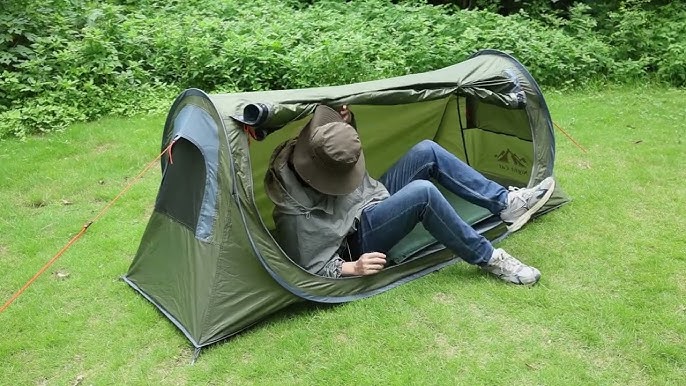
You’ve planned your outdoor adventure, packed your gear, and picked the perfect tent. But what happens if the rain starts pouring?
A wet tent can turn your trip into a nightmare. That’s why knowing how to waterproof your tent is a game-changer. In this guide, you’ll learn simple, effective steps to keep your tent dry and cozy no matter the weather.
Ready to stay dry and enjoy your time outside? Let’s dive in.
Choosing The Right Tent
Picking the right tent is key to staying dry outdoors. A good tent keeps water out during rain and storms.
Look at the tent’s material and design. These factors help protect you from wet weather.
Material Considerations
The tent fabric affects how well it blocks water. Choose materials that repel water and dry fast.
Common waterproof tent materials include polyester and nylon. These fabrics often have special coatings.
- Polyester is strong and resists stretching when wet
- Nylon is lightweight and dries quickly
- Look for tents with polyurethane (PU) or silicone coatings
- Check the hydrostatic head rating; higher means better waterproofing
Design Features For Waterproofing
Tent design also helps keep water out. Look for features that stop leaks and water buildup.
Good tents have sealed seams and rain flies. These parts block water from entering through openings.
- Sealed or taped seams prevent water from seeping in
- A full-coverage rain fly adds an extra layer of protection
- Sloped roofs help water run off quickly
- Covered vestibules protect gear and entry points
Essential Waterproofing Supplies
Keeping your tent dry is important for a good camping experience. You need the right supplies to waterproof your tent well. This guide covers key items that help protect your tent from water.
Using sealants, sprays, and ground tarps will improve your tent’s water resistance. These tools are easy to apply and keep you dry in wet weather.
Sealants And Sprays
Sealants and sprays add a waterproof layer to your tent fabric. They block water from soaking through seams and material. Choose products designed for outdoor gear.
- Seam sealers close tiny holes where water can enter
- Waterproof sprays create a protective coating on the tent surface
- Silicone-based sprays repel water and keep fabric flexible
- Acrylic sealants are good for canvas tents and heavy materials
- Always clean the tent before applying sealants or sprays
- Apply evenly and allow to dry completely for best results
Ground Tarps And Footprints
Ground tarps and footprints protect the bottom of your tent from water and damage. They stop moisture from seeping up from the ground and keep the floor clean.
| Type | Material | Benefit |
| Basic Ground Tarp | Polyethylene | Waterproof and affordable |
| Custom Footprint | Lightweight Nylon or Polyester | Fits tent perfectly, lightweight |
| Silicone-Coated Tarp | Silicone-coated fabric | Durable and highly water-resistant |
| Heavy-Duty Tarp | Thick canvas or vinyl | Extra protection in rough terrain |
Preparing The Tent
Waterproofing a tent starts with proper preparation. Cleaning and checking your tent help protect it from water damage. These steps make your waterproofing last longer.
Take your time to clean and inspect your tent carefully. This ensures no dirt or damage prevents waterproof treatments from working well.
Cleaning The Tent
Start by removing all dirt and debris from your tent. Dirt can block waterproof coatings and cause leaks. Use gentle cleaning methods to avoid damage.
- Set up the tent in a clean, dry area.
- Use a soft brush or sponge to remove loose dirt.
- Wash with mild soap and lukewarm water.
- Rinse thoroughly to remove all soap.
- Let the tent air dry completely before moving on.
Inspecting Seams And Fabric
Check your tent’s seams and fabric for damage before waterproofing. Small holes or weak seams can let water in. Fix these issues first for better results.
| Check Point | What to Look For | Action |
| Seams | Loose threads, gaps, or peeling tape | Re-seal with seam tape or seam sealer |
| Fabric | Holes, tears, thinning spots | Patch holes with fabric repair kits |
| Zippers | Stuck or broken teeth | Clean and lubricate or replace |

Credit: www.aosom.ca
Seam Sealing Techniques
Seam sealing helps keep your tent dry and safe from rain. It blocks water from entering through the seams.
Using the right seam sealing methods can extend your tent’s life and improve comfort during camping.
Identifying Critical Seams
Critical seams are the places where two fabric pieces meet. These seams are most likely to leak water.
- Look for seams on the roof and walls of the tent.
- Check seams near the floor as they face splash and ground moisture.
- Inspect areas around doors and windows where stitching is dense.
- Find seams that have tape or no tape, as untaped ones need sealing.
Applying Seam Sealant
Use the right sealant for your tent fabric. Follow these steps carefully for best results.
- Clean the seams with mild soap and water. Let them dry fully.
- Apply the seam sealant evenly along the stitch lines.
- Use a small brush or the applicator provided with the sealant.
- Let the sealant dry as per the instructions on the label.
- Test the tent by spraying water lightly on the seams.
| Sealant Type | Fabric Compatibility | Drying Time |
| Silicone-Based | Nylon and Polyester | 4-6 hours |
| Polyurethane | Polyester and Canvas | 8-12 hours |
| Fluoropolymer | All Tent Fabrics | 6-8 hours |
Applying Waterproof Coatings
Waterproof coatings protect your tent from rain and moisture. Applying them correctly keeps you dry and comfortable. This guide explains how to use waterproof sprays effectively.
Understanding the types of sprays and the right application process will help your tent last longer. Let’s explore these important steps.
Types Of Waterproof Sprays
There are several waterproof sprays available for tents. Each type offers different features. Choose one based on your tent fabric and needs.
- Silicone-based sprays:Create a strong water barrier and add durability.
- Fluoropolymer sprays:Repel water and dirt with a non-stick surface.
- Acrylic sprays:Provide a flexible coating that breathes well.
- Wax-based sprays:Offer natural water resistance but may require more frequent application.
Application Process
Follow these steps to apply waterproof spray correctly. Preparation and proper technique improve results and tent protection.
- Clean your tent thoroughly to remove dirt and dust.
- Set up the tent in a well-ventilated, dry area.
- Shake the spray can well before use.
- Hold the spray 6-8 inches away from the fabric.
- Spray evenly in a sweeping motion, covering all surfaces.
- Allow the first coat to dry completely before applying a second.
- Let the tent dry fully before packing it away.

Credit: www.amazon.ca
Setting Up The Tent
Setting up your tent properly helps keep it dry and secure. A good setup protects you from rain and wind.
This guide covers how to choose the right location and pitch your tent well to waterproof it.
Choosing The Right Location
Pick a spot that stays dry and safe from water pools. Avoid low areas where rainwater collects.
Look for a flat, even ground to make pitching easier and keep water from entering your tent.
- Avoid places near rivers or streams that may flood
- Find natural wind barriers like trees or bushes
- Clear sharp rocks or sticks that can damage the tent floor
- Choose a spot with good drainage and slight slope
Proper Pitching Techniques
Stretch the tent fabric tight to prevent water from pooling on top. Loose fabric collects rainwater.
Secure all stakes and guylines firmly. This keeps your tent stable in wind and rain.
- Use a groundsheet under the tent for extra waterproofing
- Angle the rainfly so water runs off easily
- Check all seams and zippers are closed tightly
- Adjust guylines to keep fabric taut and strong
Using Tent Accessories
Keeping your tent dry is important for a comfortable camping trip. Using the right tent accessories helps protect you from rain and wind. Accessories add an extra layer of defense to your shelter.
Two key accessories to focus on are rain flies and vestibules, plus guy lines and tensioners. These work together to keep water out and strengthen your tent’s structure.
Rain Flies And Vestibules
A rain fly covers the tent’s roof and sides, stopping rain from reaching the inner tent. Vestibules create a dry space outside the tent door for gear storage. Both accessories reduce water seepage and mud inside.
- Choose a rain fly that fits your tent size well.
- Secure the rain fly tightly to avoid sagging where water can pool.
- Set up vestibules on the downwind side to block wind-driven rain.
- Use waterproof materials for both rain flies and vestibules.
- Ensure vents in rain flies stay open to reduce condensation.
Guy Lines And Tensioners
Guy lines and tensioners keep your tent stable during bad weather. They pull the tent fabric tight to prevent flapping and reduce water entry points. Proper use extends your tent’s lifespan and comfort.
| Accessory | Purpose | Tip |
| Guy Lines | Hold tent firmly in place | Attach to solid stakes or natural anchors |
| Tensioners | Adjust tightness of guy lines | Check and tighten after wind or rain |
Maintaining Waterproofing
Keeping your tent waterproof is key to staying dry on trips. Good care helps the tent last longer.
Simple checks and proper storage keep the waterproof layer strong. This guide shows how to maintain it well.
Regular Inspections
Look over your tent often for holes or worn spots. Early fixes stop leaks from getting worse.
Check seams and zippers too. These areas can let water in if damaged or old.
- Inspect after every camping trip
- Look for small tears and pinholes
- Check waterproof coatings for peeling
- Make sure seams are sealed well
- Test zippers for smooth closing
Long-term Care And Storage
Keep your tent dry before storing it. Moisture can damage waterproof layers over time.
Store the tent in a cool, dry place away from sunlight. Heat and sun hurt the fabric and coatings.
- Clean the tent before packing
- Dry it completely to avoid mold
- Store loosely in a breathable bag
- Avoid tight packs that crush fabric
- Keep it away from sharp objects
Troubleshooting Common Issues
Waterproofing your tent keeps you dry and comfortable. Sometimes leaks still happen. You need to find and fix them fast.
This guide helps you spot leaks and fix them quickly when you are outdoors.
Identifying Leaks
Look inside the tent to find wet spots or damp areas. Check seams, zippers, and fabric for holes.
Use a flashlight at night or wait for rain to see where water enters. Small leaks often appear as wet streaks.
- Inspect tent floor and corners
- Check under rainfly and vestibules
- Look around poles and seams
- Feel for moisture on fabric surface
- Watch for water trails during rain
Quick Fixes In The Field
Carry a tent repair kit with patches and waterproof tape. Use these to cover holes or worn spots quickly.
Dry the area before applying patches. Press firmly to seal. For seams, use seam sealer or waterproof tape.
- Clean and dry the leak area
- Apply waterproof tape or patch
- Use seam sealer on leaking seams
- Reinforce zippers with waterproof tape
- Use a tarp for extra cover if needed

Credit: www.youtube.com
Frequently Asked Questions
How Do I Waterproof A Tent Effectively?
To waterproof a tent, clean it first and apply a waterproof spray or seam sealer. Focus on seams and fabric. Let it dry completely before use. This prevents water from seeping in during rain, keeping the interior dry and comfortable.
What Materials Are Best For Waterproofing Tents?
Silicone and polyurethane-based sprays are best for waterproofing tents. They create a durable, water-resistant coating. Seam sealers specifically designed for tents ensure no leaks at the stitches. Avoid harsh chemicals that might damage the tent fabric.
Can I Waterproof An Old Tent At Home?
Yes, you can waterproof an old tent at home. Clean the tent thoroughly and dry it. Use a quality waterproof spray or seam sealer. Reapply as needed to restore water resistance and extend your tent’s life.
How Often Should I Waterproof My Tent?
Waterproof your tent once a year or before every camping season. Reapply if you notice water soaking through or fabric wear. Regular maintenance keeps your tent reliable and dry during wet weather.
Conclusion
Waterproofing your tent keeps you dry and comfortable outdoors. Use quality sealants and cover all seams well. Regularly check your tent for wear and fix any damage. Practice setting up your tent before your trip. A well-prepared tent protects you from rain and wind.
Enjoy your camping without worrying about bad weather. Simple steps make a big difference in staying dry. Keep these tips in mind for every adventure. Your dry tent means a happy camping experience.