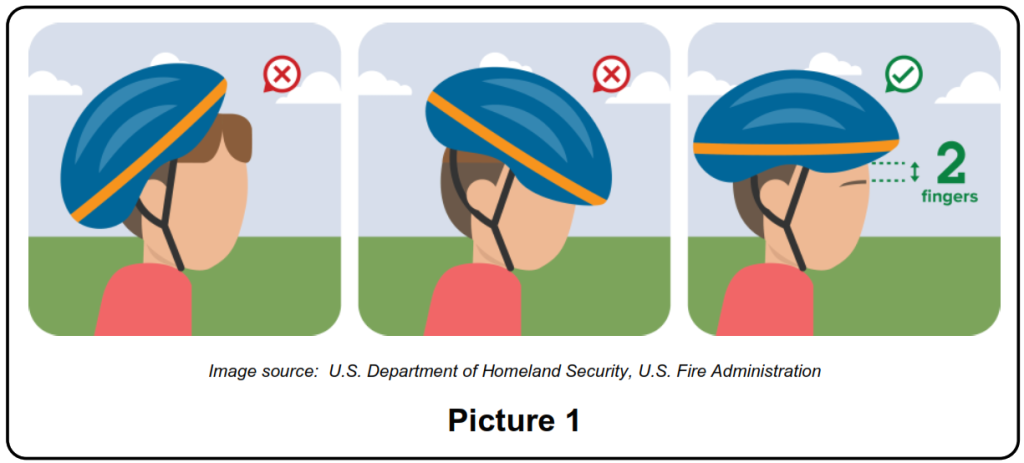
Wearing a bike helmet might seem simple, but are you sure you’re doing it right? The way you wear your helmet can make all the difference between staying safe and risking serious injury.
You might think just putting it on is enough, but small mistakes can leave you unprotected when it matters most. You’ll discover easy steps to wear your bike helmet correctly and comfortably every time. Keep reading to learn how to protect yourself better and enjoy your ride with confidence.
Choosing The Right Helmet
Wearing a bike helmet protects your head during rides. Picking the right helmet is key to safety and comfort.
This guide covers helmet types, fit tips, and safety marks to help you choose well.
Helmet Types And Styles
There are many helmet styles for different bike rides. Road helmets are light and well-ventilated. Mountain helmets offer more coverage and may include visors. Urban helmets focus on style and comfort for city rides.
- Road Helmets: Lightweight, great airflow.
- Mountain Helmets: Extra protection, visor included.
- Urban Helmets: Stylish, padded for comfort.
Sizing And Fit Tips
A helmet must fit snugly without pressure points. Use a tape measure to find your head size. Try helmets on to check fit and comfort.
| Fit Check | How to Test |
| Snug Fit | Helmet should not move side to side |
| Level Position | Helmet sits flat on your head |
| Strap Tightness | Straps form a V under ears, snug but not tight |
| Chin Strap | Fasten so only one or two fingers fit under |
Safety Certifications To Look For
Certified helmets meet safety standards. Look for labels like CPSC, ASTM, or EN1078. These labels show the helmet passed tests for impact and durability.
- CPSC: Required in the U.S. for bike helmets.
- ASTM: Covers different types of helmets.
- EN1078: European safety standard.
Preparing Your Helmet
Wearing a bike helmet is important for safety. Preparing it correctly helps ensure maximum protection. Let’s explore how to get your helmet ready.
Follow these steps to make sure your helmet fits well and is in good condition. This will help you stay safe while riding your bike.
Inspecting For Damage
Check your helmet for cracks or dents. These can weaken its protection. Look closely to find any signs of damage.
- Look for cracks on the outer shell
- Check the straps for fraying
- Inspect the padding for wear
Adjusting Straps And Padding
Proper strap adjustment keeps the helmet secure. Make sure the padding fits your head snugly. This helps the helmet stay in place.
- Ensure the chin strap forms a V under each ear
- Adjust the strap length so it is snug
- Check that the padding is comfortable
Cleaning And Maintenance
Keep your helmet clean for hygiene and durability. Regular maintenance extends its life. Follow these tips for cleaning.
- Wipe the helmet with a damp cloth
- Use mild soap for tough stains
- Let it air dry completely
Proper Helmet Placement
Wearing a bike helmet correctly keeps you safe while riding. The helmet must fit well on your head. It should not move around or feel loose.
Understanding how to place your helmet helps protect your head during a fall. Focus on the helmet’s position, strap alignment, and tension.
Positioning On Your Head
Place the helmet level on your head. It should sit low on your forehead, about one to two finger widths above your eyebrows. This position protects your forehead and eyes.
Aligning The Front And Back
Make sure the front and back of the helmet are balanced. The front should cover your forehead without blocking your vision. The back should rest comfortably at the base of your skull.
- Front: sits just above eyebrows
- Back: covers the lower skull area
- Helmet sits level, not tilted
- Check for clear vision and comfort
Ensuring Even Strap Tension
| Strap Part | How to Adjust | Check |
|---|---|---|
| Side Straps | Adjust to form a “V” under each ear | Snug but comfortable, no gaps |
| Chin Strap | Tighten until you can fit one finger between strap and chin | Secure and firm without pain |
Strap tension keeps the helmet stable. Uneven straps let the helmet move. Adjust all straps evenly for a firm hold.
Securing The Helmet
Wearing a bike helmet correctly keeps you safe during rides. Securing the helmet well prevents it from moving or falling off.
Follow these steps to fasten your helmet properly and check that it fits tightly.
Fastening The Chin Strap
Place the helmet on your head and find the chin strap under your chin. Buckle the strap so it feels snug but not too tight.
Make sure the buckle clicks securely. The strap should rest just below your ear and hold the helmet firmly.
Checking Strap Tightness
Pull the chin strap to check its tightness. It should allow only one or two fingers between the strap and your chin.
A strap that is too loose lets the helmet move, while one that is too tight can cause discomfort or skin irritation.
- Strap snug under the chin
- One or two fingers fit comfortably
- No pinching or skin pain
Performing The Shake Test
Shake your head side to side and up and down. The helmet should stay in place and not slide around.
If the helmet moves, tighten the straps or adjust the fit pads inside the helmet. A secure fit keeps you safe.
Enhancing Comfort
Wearing a bike helmet comfortably helps you enjoy your ride. A well-fitted helmet feels light and secure.
Small adjustments can make a big difference in comfort. Focus on padding, ventilation, and handling your hair.
Adding Extra Padding
Extra padding can reduce pressure points and improve fit. Many helmets come with removable pads you can add or remove.
- Use foam or gel pads in areas that feel tight
- Replace worn-out pads regularly for best comfort
- Try different pad thicknesses to find what fits best
- Make sure the pads do not block ventilation holes
Adjusting For Ventilation
Good airflow keeps your head cool and dry. Adjust helmet straps and padding to open vents properly.
| Ventilation Tip | Why It Helps |
| Position helmet slightly higher | Lets air flow underneath |
| Keep vents clear of hair | Prevents blockage of air |
| Loosen straps slightly | Improves air circulation |
| Use moisture-wicking pads | Keeps sweat away |
Managing Hair And Accessories
Hair and accessories affect helmet fit and comfort. Keep them simple and secure under the helmet.
- Tie long hair back in a low ponytail or braid
- Avoid bulky hair clips or large accessories
- Use thin headbands if needed to keep hair in place
- Check that glasses or headphones do not press into the helmet
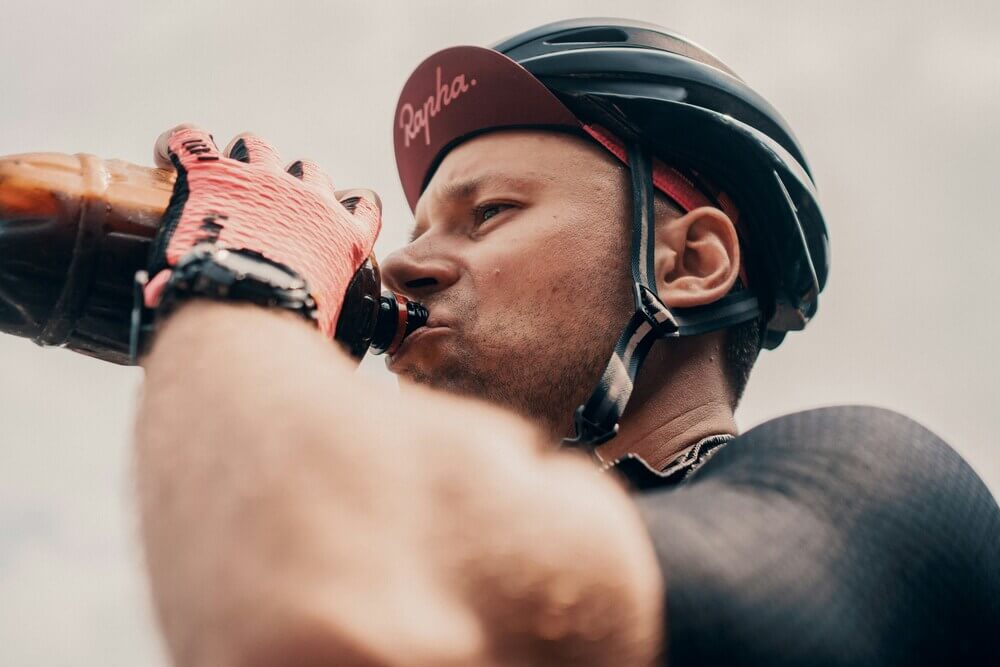
Credit: www.swinnertoncycles.co.uk
Common Mistakes To Avoid
Wearing a bike helmet protects your head in case of a fall. Many people wear helmets, but some make mistakes that reduce safety.
Knowing what to avoid helps you stay safer on your bike. Below are common errors and tips to fix them.
Wearing A Loose Helmet
A loose helmet moves around on your head. This lowers protection during a crash. The helmet should fit snugly without pain.
- Adjust the inner pads or sizing ring to fit your head shape.
- Try shaking your head gently; the helmet should stay in place.
- Do not wear a helmet that slides backward or forward easily.
Incorrect Strap Placement
Straps keep your helmet secure. Wrong strap placement can let the helmet slip off in a crash.
| Strap Area | Correct Placement | Common Mistake |
|---|---|---|
| Side Straps | Form a “V” under your ears | Too loose or too far from ears |
| Chin Strap | Snug under your chin, tight but comfortable | Too loose or fastened too high |
| Buckle | Secure and locked properly | Not fastened or loose |
Ignoring Helmet Replacement
Helmets lose their strength after impact or years of use. Using an old or damaged helmet is unsafe.
- Replace your helmet after any crash, even if no damage is visible.
- Follow the manufacturer’s advice on helmet lifespan, usually 5 years.
- Check for cracks, dents, or worn straps regularly.
Helmet Care Tips
Wearing a bike helmet protects your head from injuries. Taking care of your helmet helps it last longer. Proper care keeps it safe and clean.
Follow simple tips to store, clean, and know when to replace your helmet. This guide helps you maintain your helmet well.
Storing Your Helmet Safely
Store your helmet in a cool, dry place. Avoid leaving it in direct sunlight or hot areas. Heat can damage the helmet’s materials.
Keep it away from sharp objects or heavy items. These can cause cracks or dents that reduce protection.
- Use a helmet bag or soft cloth to cover it
- Place it on a shelf or hook, not on the floor
- Keep it away from chemicals or sprays
Cleaning Without Damage
Use mild soap and warm water to clean your helmet. Avoid strong chemicals or solvents that can weaken the shell.
Clean the straps and padding gently. Remove the pads if possible and wash them separately by hand.
- Do not use a washing machine or dishwasher
- Dry the helmet naturally, away from heat sources
- Use a soft cloth or sponge to wipe it clean
When To Replace Your Helmet
Replace your helmet after any crash or impact, even if no damage is visible. The helmet may not protect you properly afterward.
Check the helmet for cracks, dents, or worn straps. Also, replace it every 3 to 5 years, as materials get weaker over time.
- Replace after any crash or impact
- Check for visible damage regularly
- Replace every 3 to 5 years for safety

Credit: biketro.com

Credit: www.safetyandhealthmagazine.com
Frequently Asked Questions
How Do I Properly Fit A Bike Helmet?
To fit a bike helmet properly, measure your head size first. Adjust the straps so the helmet sits level and snug. The front should rest about two finger-widths above your eyebrows. Ensure the side straps form a “V” under each ear for stability.
What Is The Correct Way To Fasten Helmet Straps?
Fasten the helmet straps by buckling the chin strap securely. Adjust it so you can fit one or two fingers between your chin and strap. The straps should feel snug but comfortable to prevent the helmet from moving during a ride.
How Tight Should A Bike Helmet Be?
A bike helmet should be snug but not uncomfortably tight. It should not wobble when you shake your head. The helmet must stay firmly in place without causing pressure points or discomfort during use.
When Should I Replace My Bike Helmet?
Replace your bike helmet after any significant impact, even if no damage is visible. Helmets also have a lifespan of about 3 to 5 years due to material degradation. Regularly inspect your helmet for cracks or wear.
Conclusion
Wearing a bike helmet right keeps you safer on every ride. Make sure it fits snugly and sits level on your head. Always fasten the strap under your chin for the best protection. Check your helmet often for cracks or damage.
A well-worn helmet can protect you from serious injury. Stay alert, ride carefully, and keep your helmet ready. Safety starts with the right gear and good habits. Your head deserves the best care every time you bike. Stay safe and enjoy the ride!