Are you tired of tangled fishing lines and missed catches? Learning how to wind fishing line on a reel the right way can make all the difference in your fishing experience.
It’s a simple skill that can boost your casting distance, prevent line twists, and keep your gear in top shape. In this guide, you’ll discover easy steps to get your line perfectly loaded every time. Keep reading to make your next fishing trip smoother and more successful!
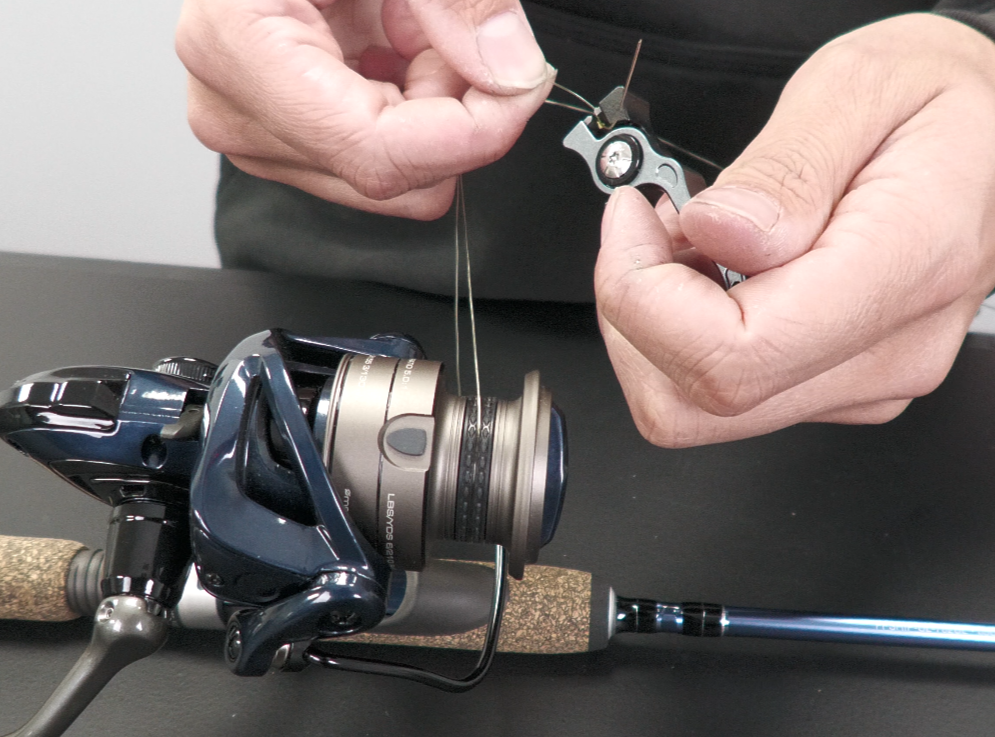
Credit: www.fishusa.com
Choosing The Right Line
Picking the right fishing line is key to a good fishing experience. It affects casting, hook setting, and fish handling.
Different lines suit different reels and fish types. Learn about line types, strength, and matching lines to reels.
Types Of Fishing Line
There are three main types of fishing lines. Each has unique features and uses.
- Monofilament:Flexible and easy to handle. Good for beginners.
- Fluorocarbon:Nearly invisible underwater. Resistant to abrasion.
- Braid:Strong with low stretch. Best for heavy cover fishing.
Line Strength And Diameter
Line strength is measured in pounds. It shows how much weight the line can hold before breaking.
| Line Type | Typical Strength Range (lbs) | Diameter Range (inches) |
| Monofilament | 4 – 30 | 0.008 – 0.035 |
| Fluorocarbon | 6 – 40 | 0.010 – 0.040 |
| Braid | 10 – 80+ | 0.006 – 0.040 |
Thicker lines are stronger but less sensitive. Choose a balance for your fishing style.
Matching Line To Reel
Not all lines fit every reel. Check the reel’s line capacity and type recommendation.
- Spinning reels work well with lighter monofilament or braid lines.
- Baitcasting reels handle heavier braid and fluorocarbon lines better.
- Match line diameter to reel spool size for smooth casting.
- Fill the spool properly to avoid line tangles or slipping.
Preparing The Reel
Preparing your reel is important before winding fishing line. A clean, well-maintained reel works better and lasts longer.
Start by checking your reel carefully. This helps avoid problems when fishing.
Cleaning The Reel
Clean your reel to remove dirt, sand, and salt. These can cause damage over time.
Use a soft cloth and warm water. Avoid harsh chemicals that may harm the reel’s finish.
- Wipe the reel body gently
- Use a soft brush for small parts
- Dry the reel completely after cleaning
Removing Old Line
Remove old fishing line from the reel spool. Old line can weaken and cause tangles.
Cut the line near the spool and pull it off slowly. Make sure no bits stay stuck on the reel.
- Cut line close to the spool
- Pull line off slowly and evenly
- Dispose of old line properly
Inspecting Reel Components
Check the reel parts for damage or wear. Look at the spool, handle, and drag system carefully.
Replace or fix any broken parts before adding new line. This keeps your reel working well.
- Check spool for cracks or dents
- Test handle for smooth rotation
- Inspect drag system for proper tension
Attaching The Line
Attaching the fishing line to your reel is important. A strong attachment keeps the line secure during fishing.
Follow these steps to ensure your fishing line is properly secured and ready for use.
Securing The Line To The Spool
Begin by opening the bail arm on your reel. This allows you to wrap the line around the spool.
Make sure the line is placed evenly on the spool. This prevents tangles and ensures smooth casting.
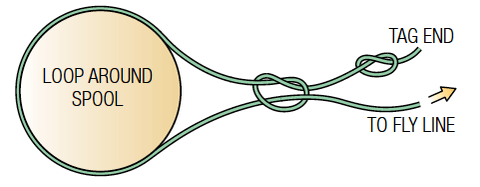
Tying The Arbor Knot
The arbor knot is essential for securing the line. It is simple and effective for this purpose.
- Wrap the line around the spool.
- Tie an overhand knot around the standing line.
- Tie another overhand knot in the tag end.
- Pull the knots tight against the spool.
Ensuring A Tight Attachment
A tight attachment prevents slipping. Hold the line taut while reeling it onto the spool.
Check the tension frequently. This ensures the line is evenly distributed and tightly wound.
Winding The Line
Winding fishing line on a reel needs care and focus. Proper winding keeps the line strong and ready for fishing.
Follow simple steps to ensure the line is wound neatly and safely on the reel spool.
Maintaining Proper Tension
Keep the fishing line tight as you wind it. Proper tension prevents tangles and loose loops on the spool.
- Hold the line between your fingers to apply steady pressure.
- Do not let the line go slack during winding.
- Adjust tension if the line feels too tight or too loose.
Using The Reel Handle
Turn the reel handle smoothly and steadily. Fast or jerky turns can cause line tangles and damage.
| Tip | Reason |
| Turn handle slowly | Prevents line twisting |
| Keep steady speed | Ensures even winding |
| Use consistent force | Keeps line tight on spool |
Avoiding Overfilling
Do not fill the spool past its edge. Overfilling can cause line breakage and casting problems.
- Fill the spool to about 1/8 inch below the rim.
- Check line level often while winding.
- Stop winding if the line reaches the spool edge.
Finishing Touches
After winding your fishing line on the reel, some final steps help secure and prepare it for fishing. These steps ensure the line stays in place and performs well.
Carefully finishing the setup prevents problems like line slipping or tangling. Follow these simple tips for a neat and strong line finish.
Cutting The Line
Cut the fishing line leaving a small tail beyond the spool edge. Use sharp scissors or line cutters for a clean cut. Avoid tearing or fraying the line.
Securing The Line End
Secure the line end to keep it tight on the reel. This step stops the line from unwinding or slipping off during use.
- Tie a small half hitch knot around the spool.
- Use the reel’s line clip if it has one.
- Apply a drop of clear nail polish on the knot for extra hold.
- Check that the line end is snug but not too tight.
Checking For Line Twists
Line twists can cause tangles and reduce casting performance. Check the line by letting it hang freely from the reel and spinning the spool.
| Test | Result | Action |
|---|---|---|
| Line spins smoothly without loops | No twists | Ready to fish |
| Line forms loops or knots | Twists present | Remove line and rewind carefully |

Credit: www.bdoutdoors.com
Tips For Better Casting
Winding fishing line on a reel is important for smooth casting. Proper line winding helps you cast farther and more accurately.
Using the right techniques and tools makes fishing easier. Here are some tips to improve your casting by focusing on line winding and gear care.
Line Maintenance
Keep your fishing line clean and free from damage. Dirt and knots can cause line breaks and poor casting.
Check your line often for cracks or wear. Replace it if you see signs of damage to avoid losing fish.
- Rinse your line with fresh water after saltwater fishing
- Use a cloth to wipe off dirt and debris
- Check for frays or weak spots before each trip
Regular Re-spooling
Re-spool your reel regularly to keep the line tight and even. Old line can tangle and reduce casting distance.
Make sure to spool the line under tension. This prevents loose loops that cause backlashes when casting.
- Remove old line before adding new line
- Keep tension on the line as you wind it onto the reel
- Fill the spool to the right level, not too full or too empty
Choosing The Right Rod
Select a rod that matches your fishing style and line type. The right rod helps control your cast better.
Consider the rod length and power. Longer rods usually cast farther, while lighter rods offer better control.
- Match rod action with your casting needs
- Use rods designed for the type of fish you want to catch
- Choose a rod that feels comfortable in your hands

Credit: wawangresort.wordpress.com
Frequently Asked Questions
How Do I Properly Wind Fishing Line On A Reel?
Start by threading the line through the rod guides. Attach it securely to the reel spool. Turn the handle steadily, keeping tension on the line. Wind evenly to avoid overlaps or tangles. Stop when the spool is filled to the recommended level.
What Type Of Fishing Line Works Best For Reels?
Monofilament, fluorocarbon, and braided lines all work well. Choose based on fishing conditions and target species. Monofilament is beginner-friendly, fluorocarbon is nearly invisible underwater, and braided line offers high strength and sensitivity.
How Much Fishing Line Should I Put On My Reel?
Fill the reel spool to about 1/8 inch below the rim. Overfilling causes tangles and underfilling limits casting distance. Check your reel’s capacity and line recommendations for best results.
Can I Wind Fishing Line On A Reel Without A Rod?
Yes, you can use a line winder or your hand. Secure the reel on a flat surface. Maintain tension on the line while winding to ensure even spooling.
Conclusion
Winding fishing line on a reel is simple and important. Take your time and follow each step carefully. Keep the line tight and even for best results. This helps avoid tangles and makes fishing easier. Practice a few times to get comfortable.
Properly wound line lasts longer and performs better. Now you are ready to enjoy your fishing trips. Try it yourself and see the difference!