Are you tired of tangled fishing lines or losing fish because your reel isn’t set up right? Knowing how to wind fishing line on a reel properly can make all the difference in your fishing experience.
It’s a simple skill that saves you time, boosts your casting distance, and keeps your gear in top shape. In this guide, you’ll learn easy steps to get your line perfectly wound every time. Keep reading, and soon you’ll feel confident and ready to catch more fish with less hassle.
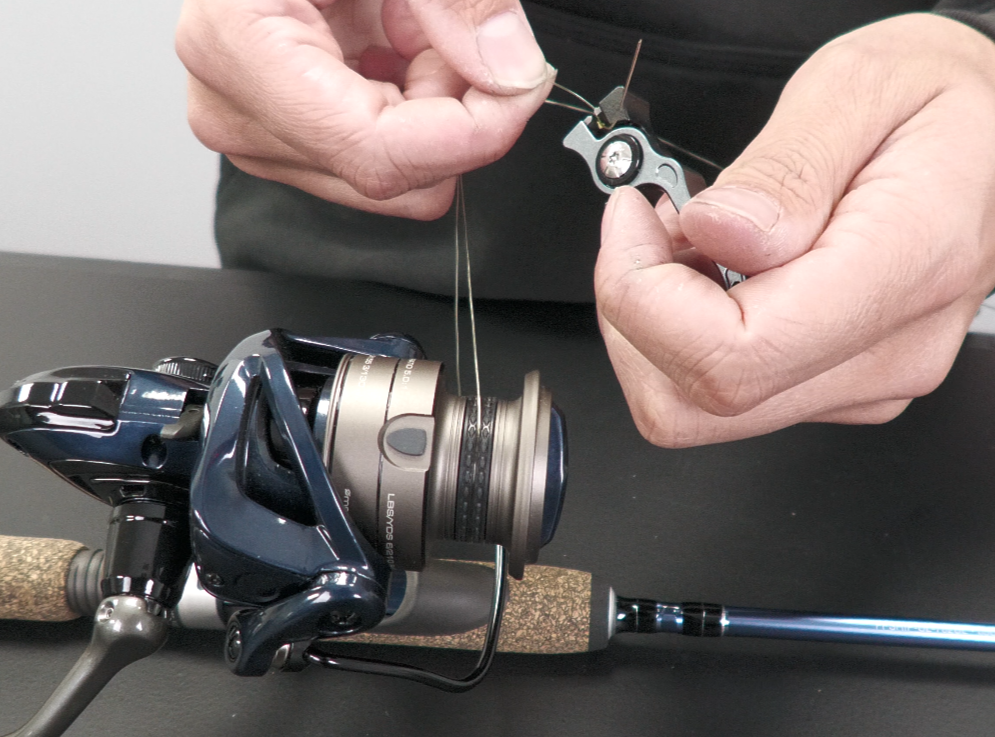
Credit: www.fishusa.com
Choosing The Right Line
Picking the right fishing line is important for a good fishing experience. The line affects how far you cast and how strong your setup is.
Different lines fit different types of fishing. You need to know which line works best for your reel and the fish you want to catch.
Types Of Fishing Lines
There are three main types of fishing lines: monofilament, fluorocarbon, and braided. Each has its own features and uses.
- Monofilament:Soft and stretchy, easy to handle, good for beginners.
- Fluorocarbon:Harder to see underwater, sinks faster, good for clear water.
- Braided:Very strong and thin, no stretch, good for heavy cover fishing.
Line Strength And Diameter
Line strength is how much weight the line can hold before breaking. Diameter is the thickness of the line.
Stronger lines have bigger diameters, but thinner lines cast farther. Pick the right balance for your fishing style.
- Use lighter lines for small fish and longer casts.
- Use stronger lines for big fish and heavy cover.
- Check the line’s pound-test to know its strength.
Matching Line To Reel
Not all lines fit all reels. Check your reel’s line capacity before buying a line.
Spool size and line type affect how much line your reel can hold. Use a line that matches your reel’s specs for best results.
- Use thinner lines on smaller spools to hold more line.
- Heavier lines need bigger spools to avoid overfilling.
- Refer to your reel manual for line recommendations.
Preparing The Reel
Before winding fishing line on a reel, you must get the reel ready. Proper preparation helps the line spool evenly and prevents problems later.
Preparing the reel includes cleaning, setting the drag, and spooling the backing. Each step is important for smooth fishing.
Cleaning And Inspecting
Start by cleaning the reel to remove dirt and old line. Dirt can cause the reel to work poorly or damage the line.
Check the reel for any signs of wear or damage. Look at the spool, handle, and drag system carefully.
- Wipe the reel with a clean cloth
- Remove old fishing line fully
- Inspect for cracks or rust
- Ensure all parts move smoothly
Setting The Drag
The drag controls how much resistance the fish feels when pulling the line. Set it before adding the line to avoid problems.
Turn the drag knob to adjust the pressure. It should be tight enough to stop the fish but loose enough to prevent line breakage.
- Test the drag by pulling the line by hand
- Adjust until it feels firm but smooth
- Do not set drag too tight or too loose
Spooling The Backing
Backing is a thin line added before the main fishing line. It fills space on the reel and adds extra line if needed.
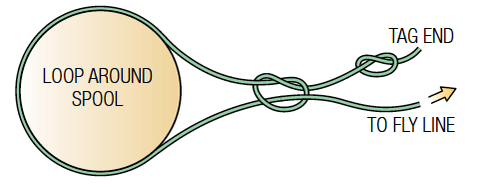
Attach the backing to the spool with a knot. Wind it tightly and evenly to avoid gaps or loose spots.
- Use the right amount of backing for your reel size
- Tie a strong knot to secure the backing
- Keep tension on the backing while winding
- Fill the spool up to about 1/8 inch from the edge
Winding The Line
Winding fishing line on a reel is an important skill for anglers. A properly wound line improves casting and reduces tangles. This guide covers the key steps to wind your line correctly.
Focus on attaching the line well, keeping tension, and layering the line evenly on the spool. These steps help your reel work smoothly on the water.
Attaching The Line To The Spool
Start by tying the fishing line to the reel spool. Use a strong knot that will not slip during use. Make sure the line is secured tightly before winding.
- Pass the line through the reel’s line guide.
- Wrap the line around the spool once or twice.
- Tie a simple overhand knot or Arbor knot.
- Pull the knot tight to secure the line firmly.
- Trim any excess line close to the knot.
Maintaining Tension
Keeping the right tension while winding prevents loose coils. Loose line can cause tangles and reduce casting distance. Hold the line firmly as you turn the reel handle.
- Use your fingers or a cloth to hold the line tight.
- Keep the line taut but do not stretch it too much.
- Turn the reel handle smoothly and steadily.
- Check the line tension frequently during winding.
Even Layering Techniques
Layering the line evenly on the spool helps avoid tangles and improves casting. You want the line to cover the spool from one edge to the other in smooth layers.
| Technique | Description |
|---|---|
| Guide Hand Movement | Move the line guide back and forth evenly while winding. |
| Control Reel Speed | Turn the reel handle at a steady pace to place line uniformly. |
| Layer by Layer | Make sure each new layer lies neatly on top of the last. |
| Check Spool Fill | Stop winding when the spool is about 1/8 inch from full. |

Credit: www.youtube.com
Common Mistakes To Avoid
Winding fishing line on a reel seems easy. Still, some mistakes can cause problems later.
Knowing what to avoid helps you fish better and keeps your gear safe.
Overfilling The Spool
Putting too much line on the spool causes tangles and line breakage. The line may spill over the edge.
Fill the spool to about 1/8 inch below the rim. This space helps the line come off smoothly.
- Too much line causes snags during casting
- Overfilled spools reduce casting distance
- Less space increases line twists and tangles
Twisting The Line
Twisted line weakens and tangles easily. It happens if the line is not guided correctly onto the spool.
Keep tension on the line while winding. Use your fingers or a cloth to control the line and reduce twists.
- Twists cause knots and snags
- Line breaks more often when twisted
- Use a line conditioner to reduce twists
Skipping The Backing
Backing is a thin line placed under the main line on the spool. Skipping it can cause line loss.
Backing fills space on the spool and protects the main line. It helps when you fish for big or strong fish.
- Backing prevents line slipping on the spool
- It adds extra line capacity
- Use backing for braided or light lines
Tips For Different Reel Types
Winding fishing line on a reel is important for good casting and fishing. Each reel type needs a different way to wind the line.
Read these tips for spinning, baitcasting, and fly reels. Follow the advice for better fishing results.
Spinning Reels
Spinning reels hold the line on a fixed spool. Wind the line evenly to avoid tangles and line twist.
Keep the line tight as you wind. Use your finger to guide the line on the spool for a smooth layer.
- Attach the line to the spool with a knot
- Turn the reel handle slowly and evenly
- Keep slight tension on the line with your finger
- Fill the spool about 1/8 inch from the edge
Baitcasting Reels
Baitcasting reels have a rotating spool. Wind the line tightly and evenly to prevent backlashes.
Use your thumb to control the spool while winding. This helps keep the line from getting loose or tangled.
- Tie the line to the spool securely
- Keep tension on the line while turning the handle
- Use your thumb to press lightly on the spool
- Fill the spool to about 1/8 inch from the rim
Fly Reels
Fly reels hold the fly line and backing. Wind the backing first, then the fly line on top.
Wind slowly and keep the line tight. Make sure the backing is smooth to avoid line slips.
- Attach the backing with a strong knot
- Fill the reel with backing to about 3/4 full
- Connect the fly line to the backing securely
- Wind the fly line on top of the backing evenly
Maintenance After Spooling
After winding fishing line on a reel, proper maintenance keeps your gear ready. Taking care of the line and reel helps them last longer.
Simple steps can prevent damage and improve your fishing experience. Let’s explore key maintenance tips after spooling.
Checking Line Condition
Look over the fishing line regularly for any signs of wear. Small cuts, frays, or discoloration can weaken the line.
Replace the line if it looks damaged to avoid breakage while fishing. Clean the line with fresh water to remove dirt and salt.
- Inspect line for cracks or fraying
- Clean with fresh water after use
- Dry the line before storing
- Replace if damaged or worn out
Storing The Reel Properly
Keep the reel in a cool, dry place to avoid rust and corrosion. Avoid direct sunlight to prevent line weakening.
Use a reel cover or case to protect it from dust and dirt. Store the reel with some tension on the line to keep it tight.
- Store in a dry, shaded area
- Use protective reel covers
- Keep line tensioned lightly
- Do not leave reel wet or dirty
Regular Line Replacement
Change the fishing line regularly to keep it strong and reliable. Old line loses strength and can snap easily.
Replace line at least once a season or more if you fish often. Fresh line improves casting and reduces the risk of losing fish.
- Replace line every few months
- Replace more often if used in saltwater
- Check line strength before fishing trips
- Use line suited to your fishing style

Credit: www.bdoutdoors.com
Frequently Asked Questions
How Do You Properly Wind Fishing Line On A Reel?
To wind fishing line properly, secure the line to the reel spool. Keep tension on the line and turn the reel handle smoothly. Fill the spool evenly to avoid tangles and ensure consistent casting performance.
Why Is Correct Line Tension Important When Winding?
Correct tension prevents loose line wraps that cause tangles. It ensures the line sits tightly on the spool for better casting and durability. Too much tension can damage the line, so maintain firm but gentle pressure.
How Much Fishing Line Should I Put On My Reel?
Fill the reel spool to about 1/8 inch below the rim. Overfilling causes tangles, while underfilling reduces casting distance. Check your reel’s specifications for exact line capacity.
Can I Use Any Fishing Line Type For Winding?
You can use monofilament, fluorocarbon, or braided lines. Each type requires specific handling during winding for best performance. Always match the line type with your reel and fishing needs.
Conclusion
Winding fishing line on a reel takes patience and care. Keep the line tight and even to avoid tangles. Always check the reel before fishing to ensure smooth casting. Practice a few times to gain confidence and skill. This simple task helps you enjoy fishing more and catch better.
Remember, good preparation makes every fishing trip easier. Try these steps and see the difference on your next outing.