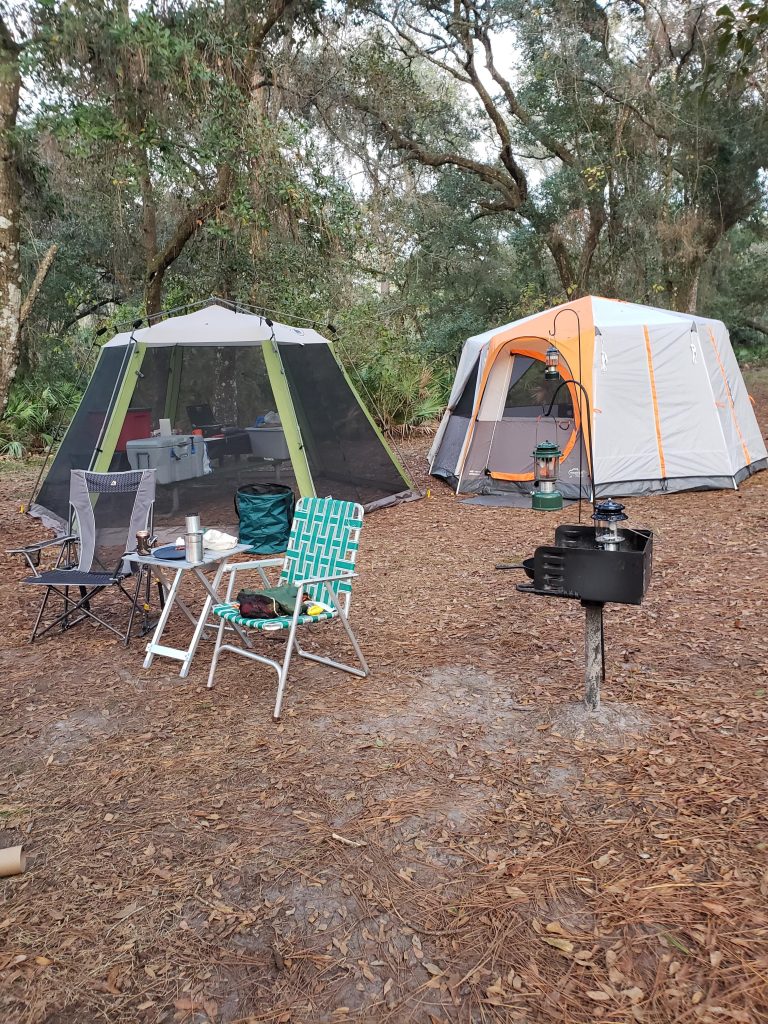
When winter comes, your tent needs extra care to keep you safe and warm. If you don’t prepare it right, cold winds, snow, and moisture can turn your cozy shelter into a chilly, wet mess.
But don’t worry—winterizing your tent is easier than you think. With a few simple steps, you can protect your gear and enjoy the great outdoors even in the coldest months. Keep reading to discover how to get your tent ready for winter and make your camping trips comfortable no matter the weather.

Credit: www.reddit.com
Choose The Right Tent
Picking the right tent is important for winter camping. A good tent keeps you warm and safe.
Think about the weather and your needs before buying a tent.
Four-season Vs Three-season Tents
Four-season tents are made for strong winds and snow. They have stronger poles and fewer mesh parts.
Three-season tents work well in spring, summer, and fall. They have more mesh for air but less protection in snow.
- Four-season tents resist snow and wind better
- Three-season tents are lighter and more ventilated
- Choose four-season tents for cold winter trips
Material And Durability
Look for tents made with strong, waterproof fabric. Nylon and polyester are common and good choices.
Durable tents have sturdy poles made from aluminum or steel. These handle snow weight well.
- Waterproof fabric keeps you dry in snow and rain
- Strong poles prevent tent collapse in storms
- Sealed seams stop water from leaking inside
Tent Size And Ventilation
Pick a tent size that fits your group and gear. Too small feels cramped; too big is harder to heat.
Good ventilation stops moisture buildup inside the tent. Look for vents or windows that open easily.
- Choose a tent size that fits people and gear comfortably
- Ventilation reduces inside condensation and frost
- Adjust vents to balance warmth and airflow
Prepare The Tent Site
Preparing the tent site is important to stay safe and warm in winter. A good spot protects you from cold winds and snow.
Cleaning the area and using ground insulation helps keep the tent stable and dry. These steps make winter camping easier.
Selecting A Sheltered Spot
Choose a spot that blocks strong winds. Look for natural windbreaks like trees, bushes, or rocks.
A sheltered spot helps keep snow from piling on your tent. Avoid low areas where cold air can settle.
- Find a spot near trees or large rocks
- Avoid open and flat areas
- Pick higher ground if possible
Clearing Snow And Debris
Remove snow and sticks from the tent area. A flat, clean surface helps the tent stay firm and dry.
Clear the snow down to the ground or pack it tightly to create a solid base. This prevents the tent from sinking.
- Brush away loose snow and leaves
- Flatten the snow by stomping or packing
- Remove sharp sticks or rocks
Ground Insulation Techniques
Use insulation under your tent floor to block cold from the ground. This helps keep you warmer inside.
Materials like foam pads, tarps, or extra blankets work well. Place them evenly for better comfort.
- Lay a tarp or footprint first to protect the tent floor
- Add foam sleeping pads or blankets on top
- Use extra insulation if ground is very cold
Strengthen Tent Setup
Winter camping requires a strong tent setup to withstand snow and cold wind. A firm base and secure poles keep your tent safe. This guide covers key ways to strengthen your tent in winter.
Using the right stakes, poles, and guy lines helps avoid damage and keeps the tent stable. Each part plays an important role in a strong setup.
Using Snow Stakes And Anchors
Regular tent stakes often fail in snow. Snow stakes or anchors hold better in soft, snowy ground. They spread out the weight and stop the tent from moving.
- Choose wide, flat snow stakes or screw-in anchors.
- Place stakes deep enough to reach firm ground or packed snow.
- Angle stakes away from the tent to increase grip.
- Use extra stakes if the snow is loose or deep.
Reinforcing Tent Poles
Tent poles can bend or break under heavy snow load. Reinforce poles to keep the tent stable. Add supports or use stronger poles to resist pressure.
| Method | Description | Benefit |
| Extra Pole Supports | Attach additional poles inside or outside the tent frame. | Distributes snow weight evenly. |
| Use Carbon or Aluminum Poles | Replace standard poles with stronger materials. | Improves durability and flexibility. |
| Check Pole Joints | Secure joints with tape or clips to prevent slipping. | Maintains pole alignment under pressure. |
Securing Guy Lines
Guy lines add tension and keep the tent firm against wind and snow. Tighten them well and attach to strong anchors. Check lines often during winter use.
- Use reflective guy lines for visibility in low light.
- Tighten lines to remove slack but avoid overstretching.
- Secure lines to snow anchors or heavy objects.
- Adjust lines if snow builds up or shifts.
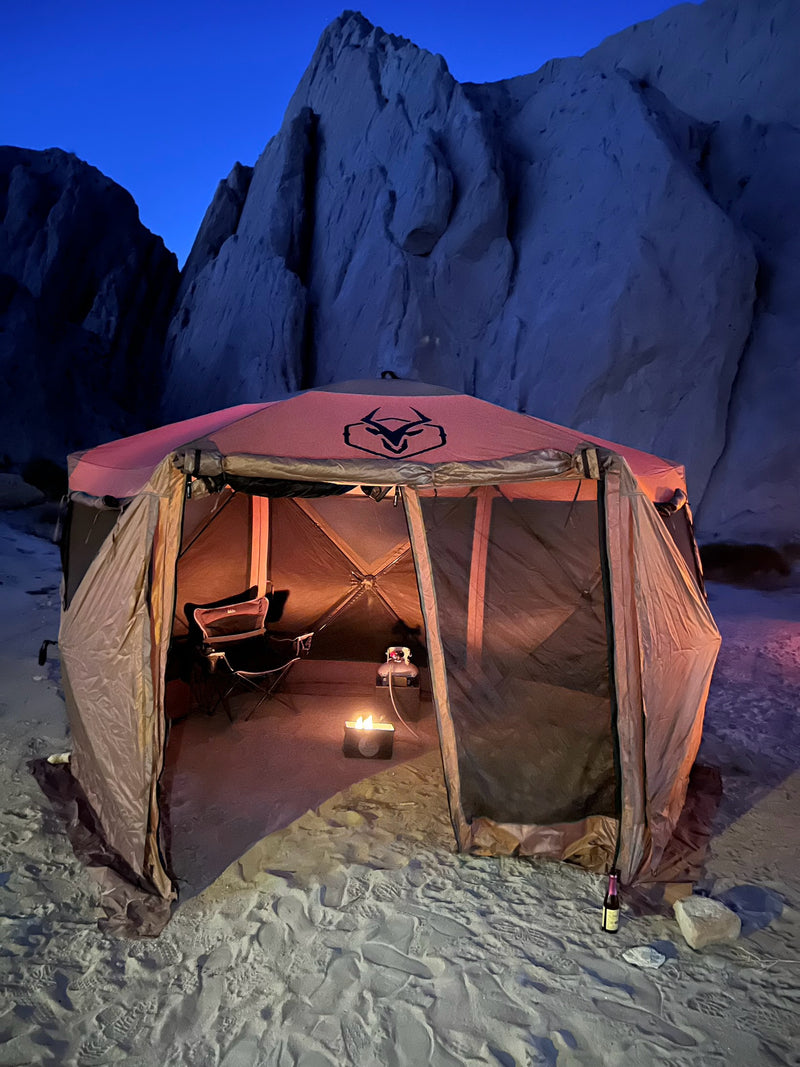
Credit: www.theshowerpouch.com
Improve Insulation
Winter camping needs good insulation to stay warm inside your tent. Cold ground and air can make your tent feel chilly. Using simple methods can help keep heat inside and protect you from the cold.
Here are easy ways to improve your tent’s insulation for winter use. These tips make your camping experience safer and more comfortable.
Adding A Footprint Or Groundsheet
A footprint or groundsheet goes under your tent to add an extra layer between you and the cold ground. It stops moisture and cold from seeping in. This simple layer helps keep your tent warmer and dry.
- Choose a waterproof footprint that fits your tent size.
- Lay it flat on the ground before pitching your tent.
- Make sure it does not extend beyond the tent edges to avoid rain catching under the tent.
- Use durable material to avoid tears and holes.
Using Insulated Sleeping Pads
Insulated sleeping pads block cold air coming from the ground. They create a warm surface for your sleeping bag. Some pads have foam or air layers that trap heat well.
| Type of Sleeping Pad | Insulation Type | Warmth Rating (R-Value) |
| Foam Pad | Closed-cell foam | 1.5 – 3.5 |
| Inflatable Pad | Air with insulation layers | 3.0 – 5.0 |
| Self-Inflating Pad | Foam + air | 3.5 – 6.0 |
Layering With Extra Blankets
Adding extra blankets inside your tent helps trap body heat and blocks cold air. Use blankets made of wool or fleece for better warmth. Layering creates a cozy space inside your tent.
- Place blankets on the floor under your sleeping pad for more insulation.
- Keep an extra blanket inside your sleeping bag for added warmth.
- Use blankets to cover exposed tent walls during very cold nights.
Manage Condensation
Condensation builds up inside tents during cold weather. This happens when warm air meets cold surfaces. Managing condensation keeps the tent dry and comfortable.
Proper steps can reduce moisture and prevent water drops inside the tent. This guide covers ways to control condensation in winter tents.
Ventilation Strategies
Good ventilation stops moisture from building up. It lets damp air escape and fresh air enter. Opening vents or windows is a simple way to improve airflow.
Use adjustable vents to control air movement without losing much heat. Keep some openings slightly cracked even in cold weather to reduce condensation.
Using Breathable Tent Fabrics
Breathable fabrics let moisture escape while keeping rain out. This lowers dampness inside the tent. Look for tents made with materials that allow air to pass.
These fabrics reduce wet walls and floors. They help maintain a dry and warm space even in winter conditions.
Positioning Tent Openings
Place tent openings away from wind or snow buildup. This helps air flow freely and stops moisture from collecting. Openings should face downhill or away from strong winds.
Keep doors and windows clear of snow or leaves. This avoids blocking ventilation and reduces condensation inside the tent.
Dress And Gear Tips
Winter camping needs special clothing and gear. Staying warm and dry is very important. This helps you enjoy your tent stay in cold weather.
Use the right layers, sleeping bags, and gear. These tips will help you prepare for winter camping with your tent.
Choosing Warm Clothing Layers
Wear several layers of clothing to keep warm. Each layer has a job to do. Start with a base layer that moves sweat away from your skin.
Add a middle layer that keeps heat in. Finish with an outer layer that protects you from wind and rain.
- Base layer: wool or synthetic, not cotton
- Middle layer: fleece or insulated jacket
- Outer layer: waterproof and windproof shell
- Wear warm hats, gloves, and socks
Packing Winter Sleeping Bags
Choose sleeping bags made for cold weather. Look for bags with good insulation and a hood to keep your head warm.
Bring a sleeping pad to protect you from the cold ground. This stops heat loss and makes sleep more comfortable.
- Pick sleeping bags rated for temperatures below freezing
- Use down or synthetic insulation
- Bring a sleeping pad with good insulation value
- Keep your sleeping bag dry and store it properly
Essential Winter Camping Gear
Good gear helps you stay safe and warm in winter tents. Pack items that protect against cold and wet conditions.
Include tools to start a fire, light your tent, and keep dry. Always carry extra batteries and hand warmers.
- Four-season tent with strong poles
- Warm sleeping pad and winter sleeping bag
- Headlamp or flashlight with extra batteries
- Fire starters like waterproof matches or lighters
- Hand warmers and insulated water bottles
- Snow shovel or small shovel for campsite
Safety Considerations
Winter camping in a tent can be fun but risky. It is important to keep safety in mind to avoid problems.
Proper safety steps help protect you from cold, accidents, and other dangers while camping in winter.
Avoiding Carbon Monoxide Risks
Carbon monoxide is a dangerous gas you cannot see or smell. It can build up inside your tent if you use heaters.
Never use fuel-burning heaters or stoves inside your tent without proper ventilation. Always keep vents open.
- Use battery-powered or electric heaters made for tents
- Place heaters outside the tent if possible
- Open tent vents or windows slightly to allow fresh air
- Install a carbon monoxide detector if you use any fuel heaters
Handling Snow Load On Tent
Snow can pile up on your tent and cause it to collapse. This is dangerous and can damage your shelter.
Check your tent often during snowstorms. Remove snow build-up carefully without damaging the fabric or poles.
- Use a soft brush or broom to clear snow gently
- Do not shake or hit the tent hard
- Build a slope on the tent roof if possible to let snow slide off
- Choose a tent designed for winter and heavy snow
Emergency Preparedness
Winter weather can change quickly. Be ready for emergencies by planning ahead and bringing the right gear.
Tell someone your plans and location before you camp. Carry emergency supplies and know how to use them.
- Pack extra warm clothes and blankets
- Bring a first aid kit and know basic first aid
- Carry a flashlight, whistle, and fire-starting tools
- Have a map, compass, or GPS device
- Know the nearest help or shelter points
Credit: www.advnture.com
Frequently Asked Questions
How Do I Prepare My Tent For Winter Camping?
Start by cleaning and drying your tent thoroughly. Check for any damage and repair tears. Use a waterproof spray and add a footprint for extra protection against snow and moisture.
What Materials Keep A Tent Warm In Winter?
Look for tents made with insulated fabrics and strong waterproof coatings. Double-wall tents with a sturdy rainfly trap heat better. Avoid thin, single-wall tents in cold weather.
How Can I Prevent Condensation Inside My Tent?
Ventilate your tent by opening vents or windows slightly. Use a breathable tent fabric and avoid cooking inside. Proper airflow reduces moisture buildup and keeps the tent dry.
Should I Use A Special Sleeping Bag In Winter Tents?
Yes, use a sleeping bag rated for temperatures below freezing. Choose insulated, down or synthetic bags designed for winter conditions to stay warm all night.
Conclusion
Winterizing your tent keeps you safe and warm in cold weather. Use strong stakes and ropes to secure it well. Seal all openings to stop cold air and moisture. Add extra insulation with blankets or foam mats inside. Check your tent for damage before winter trips.
These simple steps protect your gear and improve comfort. Enjoy your outdoor adventure without worrying about harsh winter conditions. Stay prepared, stay warm, and make the most of your cold-weather camping.