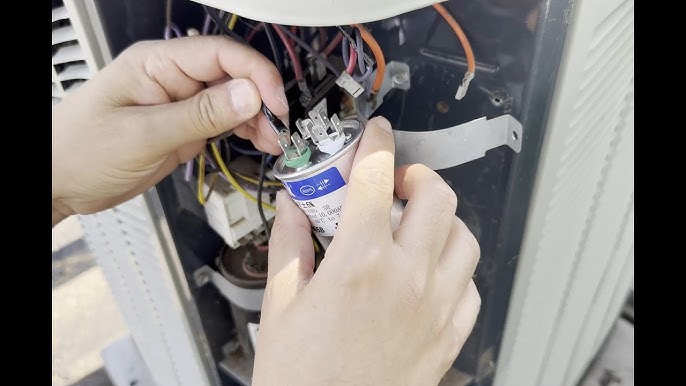
If your air conditioner isn’t running smoothly, a faulty capacitor might be the reason. Knowing how to wire a capacitor on your air conditioner can save you time and money on repairs.
You don’t need to be an expert to do this – with the right steps, you can handle it safely and effectively. Keep reading, and you’ll learn exactly what to do to get your AC back in top shape quickly.
This simple skill could make a big difference in your home’s comfort and your wallet.
Credit: www.youtube.com
Role Of A Capacitor In Ac
A capacitor is a key part of an air conditioner. It stores and releases electrical energy. This helps start and run the motors inside the AC unit.
Without a capacitor, the AC motors may not work well or may fail to start. It keeps the system running smoothly and efficiently.
Types Of Capacitors
There are mainly two types of capacitors used in air conditioners. Each type serves a different purpose in the AC system.
- Start Capacitor:This capacitor gives a boost to start the compressor and fan motors.
- Run Capacitor:This capacitor helps the motors run smoothly and efficiently after they start.
Signs Of A Faulty Capacitor
A faulty capacitor can cause many problems in an air conditioner. It is important to recognize the signs early to avoid bigger damage.
| Sign | What It Means |
|---|---|
| AC Won’t Start | The capacitor may not be providing the start boost to the motors. |
| Humming Noise | The motor tries to start but the capacitor fails to help it run. |
| Frequent Tripping | The capacitor causes electrical issues that trip the circuit breaker. |
| Warm Motor | The motor overheats because the capacitor is not working properly. |
Tools And Safety Gear Needed
Wiring a capacitor on an air conditioner needs the right tools and safety gear. Using proper equipment helps you work safely and correctly.
This guide lists the essential tools and safety steps to prepare before wiring your AC capacitor.
Essential Tools
You need a few basic tools to wire a capacitor safely and effectively. These tools help you handle wires, check power, and secure connections.
- Multimeter – to test electrical current and voltage
- Screwdriver set – for removing and fastening screws
- Needle-nose pliers – to bend and hold wires
- Wire stripper – to remove insulation from wires
- Insulated gloves – to protect your hands from electric shock
- Electrical tape – to insulate wire connections
- Capacitor terminal tool – for safe removal and installation (optional)
Safety Precautions
Safety is very important when working with an air conditioner capacitor. Capacitors store electric charge and can shock you if not handled right.
Always follow these safety steps before and during the wiring process.
- Turn off the power supply to the air conditioner.
- Use a multimeter to check that power is off.
- Discharge the capacitor fully before touching it.
- Wear insulated gloves to reduce shock risk.
- Work in a dry area to avoid electric hazards.
- Keep metal tools away from capacitor terminals.
- Do not rush; work carefully and methodically.
Locating The Capacitor
The capacitor is an important part of an air conditioner. It helps start the motor and keeps it running. Finding the capacitor is the first step before wiring it correctly.
Knowing where to look and how to identify the capacitor makes your work easier and safer.
Accessing The Ac Unit
Before locating the capacitor, you need to open the outside AC unit. Turn off the power to avoid shocks. Use a screwdriver to remove the unit’s access panel.
The panel covers the motor and other electrical parts. Removing it gives you clear access to the capacitor and wiring.
Identifying The Capacitor
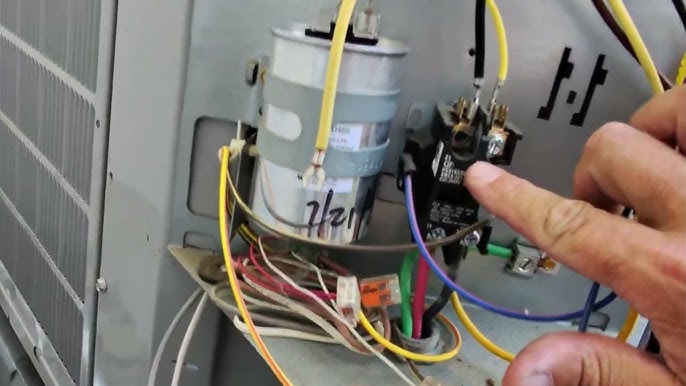
The capacitor is a small, round or oval metal can. It usually has wires connected to it. It is mounted near the motor inside the unit.
- Look for a metal or plastic case
- Check for labels with voltage and microfarad ratings
- Find multiple wires connected to terminals on top
- Common colors are silver, gray, or black

Credit: www.youtube.com
Discharging The Capacitor
Before working on an air conditioner capacitor, you must discharge it. The capacitor stores electrical energy. This energy can cause shocks if not released safely.
Discharging the capacitor makes the repair safer. It helps prevent accidents and damage to the air conditioner parts.
Why Discharge Is Important
The capacitor holds a strong electric charge even when the air conditioner is off. Touching it without discharging can cause a shock. This can injure you or damage tools.
Discharging removes stored electricity. This keeps you safe during repairs. It also protects the air conditioner’s electrical parts from damage.
Safe Discharge Methods
Use a screwdriver with an insulated handle to discharge the capacitor safely. Hold the screwdriver by the handle and touch both terminals of the capacitor. This will release the stored energy.
Another safe way is to use a resistor. Connect the resistor across the terminals for several seconds. This drains the charge slowly and safely.
- Wear safety gloves and goggles
- Use tools with insulated handles
- Discharge capacitor before touching terminals
- Double-check with a multimeter if fully discharged
Removing The Old Capacitor
Removing the old capacitor is an important step before installing a new one. It helps keep your air conditioner working well and safely.
Always turn off the power to the air conditioner before starting. This prevents electrical shocks or damage.
Disconnecting Wires
First, find the wires connected to the capacitor. These wires carry electricity to help the air conditioner run.
Carefully pull each wire off the capacitor terminals. Use needle-nose pliers if needed. Remember which wire goes where.
- Turn off the power supply
- Locate the capacitor wires
- Label wires if needed
- Gently pull wires off terminals
Removing Mounting Brackets
The capacitor is usually held in place by mounting brackets or clamps. These keep it secure inside the unit.
Use a screwdriver to remove the screws or bolts holding the brackets. Carefully lift the capacitor out after removing the brackets.
- Locate mounting brackets or clamps
- Use a screwdriver to remove screws
- Keep screws safe for reuse
- Lift capacitor out carefully

Credit: www.youtube.com
Wiring The New Capacitor
Wiring a new capacitor on an air conditioner needs care and attention. The capacitor stores electrical energy to help start the motor and keep it running smoothly.
Correct wiring ensures the air conditioner works safely and efficiently. Follow these simple instructions to match terminals and connect wires properly.
Matching Terminal Labels
Capacitors have terminals labeled with letters such as C, FAN, and HERM. Each label has a specific wire connection. Matching these labels is very important to avoid damage.
| Terminal Label | Meaning | Connects To |
| C | Common | Common wire from the unit |
| FAN | Fan Motor | Fan motor wire |
| HERM | Compressor | Compressor wire |
Connecting Wires Correctly
Connecting wires to the right terminals keeps the system safe and working well. Use these tips when wiring your new capacitor.
- Turn off power before handling wires or terminals.
- Match each wire to the terminal label exactly.
- Use needle-nose pliers to attach wires firmly.
- Check that no wires touch each other or metal parts.
- Double-check connections before restoring power.
Reassembling And Testing
After wiring the capacitor on your air conditioner, you need to reassemble the unit carefully. This step ensures safety and proper operation.
Once reassembled, testing the system helps confirm that the capacitor works correctly and the air conditioner runs smoothly.
Securing The Capacitor
Place the capacitor back into its mounting bracket inside the air conditioner. Make sure it fits tightly to avoid movement.
Use screws or clamps to fasten the capacitor securely. Loose parts can cause noise and damage during operation.
- Check that all wires are connected firmly to the capacitor terminals.
- Ensure no wires are pinched or touching metal parts.
- Double-check the capacitor’s position in the bracket.
Powering On And Checking Performance
Turn the power back on to the air conditioner from the main switch or breaker. Watch for any unusual sounds or behavior.
Check if the compressor and fan motor start smoothly. The unit should cool the air as expected without delays or noises.
- Listen for humming or buzzing sounds that might indicate a problem.
- Feel if the fan blades spin freely and steadily.
- Observe the temperature change after running for a few minutes.
Troubleshooting Common Issues
Wiring a capacitor on an air conditioner can sometimes cause problems. Troubleshooting helps find and fix these issues quickly.
This guide covers common problems with capacitors and air conditioners. Use simple steps to check and resolve these issues.
Capacitor Not Working
A capacitor that does not work can stop the air conditioner from starting. It may look swollen or leak fluid.
Check the capacitor with a multimeter. If it shows no charge or wrong values, replace it with the same type and rating.
- Turn off power before testing
- Use a multimeter to check capacitance
- Look for physical damage on the capacitor
- Replace with exact voltage and microfarad rating
Ac Still Not Running Properly
If the capacitor is good but the AC still runs poorly, check the wiring connections. Loose or wrong wires can cause failure.
Also, inspect the contactor and motor. Dirt or worn parts may stop the system from working well.
- Verify all wire connections are tight and correct
- Clean the contactor and check for wear
- Inspect the motor for damage or noise
- Test the capacitor again if needed
Frequently Asked Questions
How Do I Wire A Capacitor On An Air Conditioner?
To wire a capacitor, first turn off the power. Identify the terminals labeled C, FAN, and HERM. Connect wires accordingly: C to common, FAN to fan motor, and HERM to compressor. Always follow the unit’s wiring diagram and safety precautions.
What Tools Are Needed To Wire An Ac Capacitor?
You need a screwdriver, needle-nose pliers, wire strippers, and a multimeter. These tools help safely remove and connect wires, check continuity, and ensure proper voltage before working on the capacitor.
Can I Replace The Capacitor Without Rewiring?
Yes, if the new capacitor matches the old one’s specifications. Simply disconnect the wires from the old capacitor terminals and reconnect them to the new capacitor in the same order. Always double-check connections before powering on.
How To Identify Capacitor Terminals On An Air Conditioner?
Look for terminal labels: C (common), FAN (fan motor), and HERM (compressor). These labels are usually printed on the capacitor’s casing or the wiring diagram inside the unit. Correct identification is crucial for proper wiring.
Conclusion
Wiring a capacitor on an air conditioner is straightforward. Always prioritize safety first. Disconnect power before starting any work. Identify the capacitor type and connections clearly. Use the correct tools for the job. Secure the wires tightly to prevent issues.
Follow instructions carefully to avoid mistakes. Regular maintenance keeps your air conditioner running smoothly. If unsure, consult a professional for help. Proper wiring ensures efficient cooling and longer lifespan. With these steps, you can successfully wire your capacitor. Enjoy a cooler home with confidence and peace of mind.