Wiring a fishing rod might sound tricky, but with the right steps, you can do it yourself and save time and money. Imagine casting your line smoothly, knowing your rod is set up perfectly.
You’re just a few simple moves away from making that happen. In this guide, you’ll learn how to wire your fishing rod like a pro, even if you’ve never done it before. Ready to take control of your fishing gear and improve your experience on the water?
Keep reading—your next catch could depend on it.

Credit: www.youtube.com
Choosing The Right Fishing Rod
Picking the right fishing rod is important for a good fishing trip. The rod you choose affects how well you catch fish.
There are many types and features to think about before buying a fishing rod. This guide helps you decide.
Types Of Fishing Rods
Fishing rods come in different styles. Each type works best for certain fishing situations.
- Spinning rods: Good for beginners and light fishing.
- Baitcasting rods: Offer more control for experienced anglers.
- Fly rods: Used for fly fishing with special lightweight lines.
- Trolling rods: Designed for fishing from a moving boat.
- Surf rods: Made for fishing from the shore in the ocean.
Materials And Durability
Fishing rods are made from different materials. The material affects how strong and flexible the rod is.
Common materials include fiberglass, graphite, and composite blends. Each has pros and cons.
- Fiberglass rods: Tough and flexible, good for heavy fish.
- Graphite rods: Light and sensitive, good for feeling bites.
- Composite rods: Mix of fiberglass and graphite, balanced strength and sensitivity.
Selecting The Proper Length And Power
The length of a fishing rod affects casting distance and control. Power means how much force the rod can handle.
Choose length and power based on the fish you want to catch and your fishing style.
- Short rods (5-7 feet): Easy to control, good for close fishing.
- Medium rods (7-9 feet): Versatile for many fishing types.
- Long rods (9+ feet): Cast farther, good for open water.
- Light power: Best for small fish and light lures.
- Medium power: Good for average sized fish.
- Heavy power: Needed for big fish and heavy baits.
Gathering Essential Tools And Materials
Wiring a fishing rod correctly needs the right tools and materials. Getting everything ready helps your fishing trip go smoothly.
This guide covers the basic items you need before you start wiring your fishing rod.
Fishing Line Varieties
Fishing lines come in many types. Each type works best in different fishing situations.
Choose the right line based on strength, stretch, and water type.
- Monofilament: Easy to handle and good for beginners.
- Fluorocarbon: Hard to see in water, good for clear water fishing.
- Braid: Very strong and thin, best for heavy fish.
Hooks, Sinkers, And Swivels
Hooks, sinkers, and swivels are important for bait and line control. Pick sizes that fit your fishing style.
Hooks catch the fish, sinkers help the bait sink, and swivels stop line twisting.
- Hooks: Choose size based on fish type.
- Sinkers: Use weights that match water depth.
- Swivels: Prevent line tangles and twists.
Additional Accessories
Extra tools can make wiring easier and improve your fishing experience.
Some useful accessories include pliers, scissors, and a tackle box.
- Pliers: Help to tighten knots and remove hooks.
- Scissors: Cut line cleanly and quickly.
- Tackle box: Organize all your gear in one place.
Preparing The Fishing Rod
Preparing your fishing rod correctly ensures a better fishing experience. It helps avoid problems and keeps your gear safe.
Follow these steps to get your rod ready before you head out to fish.
Inspecting The Rod And Guides
Check the rod for cracks or damage. Look over the guides carefully. Damaged guides can cut your line and ruin your catch.
- Look for cracks or scratches on the rod.
- Check if guides are loose or bent.
- Make sure there are no sharp edges on guides.
- Replace damaged guides before use.
Attaching The Reel
Attach the reel to the reel seat on the rod. Tighten it securely so it does not move during casting.
| Part | Action |
| Reel Foot | Place into reel seat |
| Reel Seat Rings | Twist to tighten |
| Locking Nut | Secure reel firmly |
Setting Up The Line
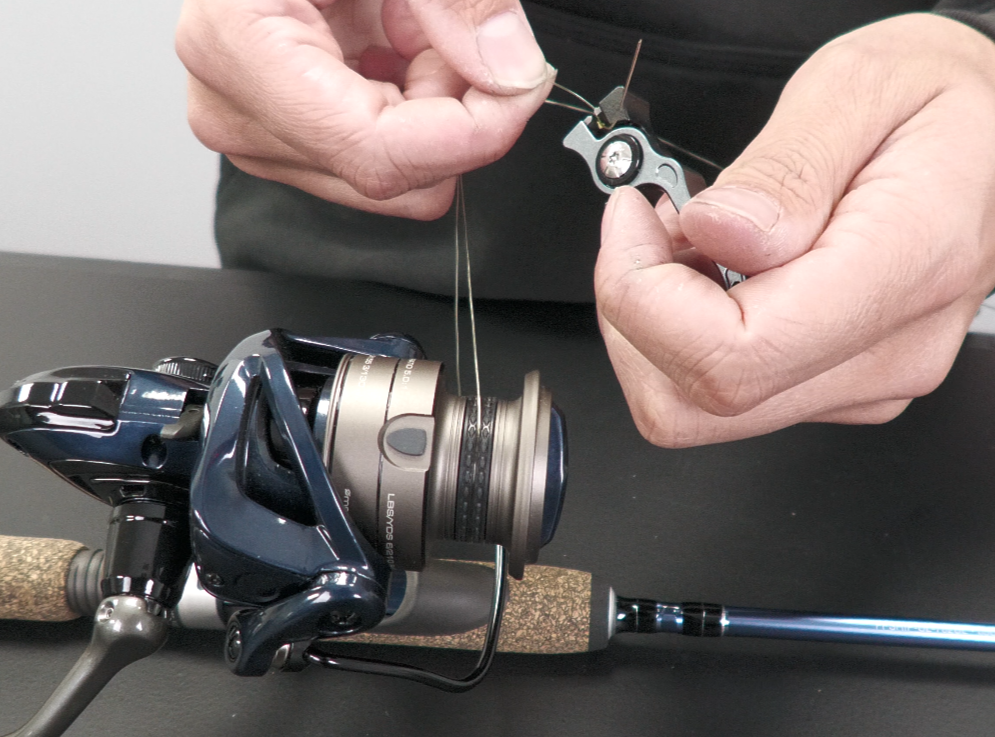
Thread the fishing line through each guide starting from the tip. Attach the line to the reel spool properly.
- Pull line from the reel spool.
- Thread line through all guides down the rod.
- Tie the line to the reel spool using a secure knot.
- Wind line evenly onto the reel spool.
Threading The Line Through Guides
Threading the fishing line through the rod’s guides is key for smooth casting. Each guide helps control the line and prevents tangles.
Follow simple steps to ensure the line runs freely and the rod works well on the water.
Starting At The Reel
Begin by attaching your fishing line to the reel spool. Pull the line tight and secure it with a knot. Make sure the reel’s drag is set lightly to avoid line damage.
Guiding The Line Through Each Eyelet
Feed the line from the reel through each guide or eyelet on the rod. Start with the guide closest to the reel and work toward the tip.
- Hold the line firmly to avoid slack.
- Pass the line smoothly through each guide.
- Check each guide for cracks or rough edges.
- Fix any snags before continuing.
Ensuring Smooth Line Flow
After threading, inspect how the line moves through the guides. It should glide without resistance or catching.
| Check Point | What to Look For |
| Line Tension | Line should be tight but not stretched |
| Guide Condition | No cracks, chips, or dirt inside |
| Line Movement | Line moves freely when pulled |
| Knots | Secure and trimmed close to the line |
Tying The Fishing Knots
Tying strong fishing knots is key to fishing success. Good knots keep your line from slipping or breaking.
This guide covers common knot types, easy steps to tie them, and tips for strong knots.
Common Knot Types
Fishermen use different knots for different needs. Each knot has a unique strength and use.
- Improved Clinch Knot – good for tying hooks to line
- Palm Knot – often used for braided lines
- Palomar Knot – strong and simple for hooks and lures
- Loop Knot – lets lures move freely
- Berkley Braid Knot – made for braided fishing lines
Step-by-step Knot Tying
Follow clear steps to tie each knot. Practice these steps slowly at first.
- Thread the line through the hook eye.
- Wrap the line around itself several times.
- Pass the end back through the loops made.
- Moisten the knot to reduce friction.
- Pull tight slowly to secure the knot.
- Trim any excess line close to the knot.
Tips For Strong And Reliable Knots
Strong knots hold better and last longer. Use these tips to keep your knots secure.
- Always wet the line before tightening the knot.
- Pull the knot tight with steady, even force.
- Check knots regularly for wear or slippage.
- Use the right knot for your line type and fishing style.
- Practice tying knots to gain confidence and speed.
Adjusting The Setup For Different Fishing Styles
Wiring a fishing rod changes with the fishing style you choose. Different styles need different setups for the best results.
Knowing how to adjust your rod helps you catch more fish. It also protects your gear from damage.
Freshwater Vs Saltwater Setups
Freshwater rods are lighter and more flexible. Saltwater rods are stronger to handle bigger fish and salty conditions.
Use corrosion-resistant materials for saltwater setups. Freshwater setups can use regular guides and reels.
- Freshwater rods: lighter line, smaller hooks
- Saltwater rods: heavy line, strong reel
- Saltwater gear: corrosion-resistant coatings
Fly Fishing Modifications
Fly fishing needs special setup changes. The rod must be flexible and balanced to cast light flies.
Attach a fly reel with a smooth drag system. Use floating or sinking fly lines depending on where you fish.
- Use a lightweight rod with good action
- Choose fly line type based on water depth
- Attach backing to reel for longer casts
Setting Up For Different Fish Species
Different fish need different rod setups. Bigger fish require stronger lines and heavier rods.
Use smaller hooks and lighter lines for small fish. Change bait and lures to match the fish’s diet.
| Fish Species | Rod Strength | Line Weight | Hook Size |
|---|---|---|---|
| Trout | Light | 2-6 lb | 10-14 |
| Bass | Medium | 8-12 lb | 4-8 |
| Salmon | Heavy | 12-20 lb | 6-10 |
| Saltwater Tuna | Extra Heavy | 30-50 lb | 2/0-5/0 |
Testing And Maintaining Your Rod Setup
Keeping your fishing rod in good shape helps you catch more fish. Testing and maintaining your rod setup is important before every fishing trip.
Regular checks can stop problems early. This saves time and money. Here are key tips for testing and maintaining your rod setup.
Checking Line Tension And Reel Function
Check line tension to avoid losing fish. Pull the line gently and feel the resistance. It should be firm but smooth.
Test the reel by turning the handle. It should spin easily without noise or stickiness. Make sure the drag system works properly.
- Pull the line slowly to test tension
- Turn the reel handle both ways
- Adjust drag to the right resistance
- Listen for unusual sounds in the reel
Routine Maintenance Tips
Clean your rod and reel after every use. Remove dirt, salt, and debris with fresh water and a soft cloth.
Lubricate moving parts on the reel. Use only recommended oil or grease. Store your rod in a dry place away from sunlight.
- Rinse rod and reel with fresh water
- Dry completely before storing
- Oil reel gears and bearings
- Check guides and tip for damage
- Store rod in a case or rack
Troubleshooting Common Issues
If the line slips or breaks, check for rough spots on guides or a damaged reel. Replace any worn parts.
Sticky reels may need cleaning or lubrication. If the drag slips, adjust or replace drag washers. Fix small problems early to avoid big repairs.
- Inspect line for frays and knots
- Replace cracked or bent guides
- Clean reel parts with a soft brush
- Adjust or replace drag washers
- Test reel after repairs to ensure smooth function

Credit: www.youtube.com
Credit: www.fishusa.com
Frequently Asked Questions
How Do I Wire A Fishing Rod Step-by-step?
Start by attaching the reel to the rod securely. Thread the line through all guides from bottom to top. Tie the line to the reel spool using a strong knot. Test the line tension and adjust as needed before fishing.
What Materials Are Needed To Wire A Fishing Rod?
You need a fishing rod, reel, fishing line, and suitable knots. Optionally, use line lubricants and scissors for trimming. Having a guide ring or rod guides helps thread the line properly.
Can I Wire A Fishing Rod Without Professional Help?
Yes, wiring a fishing rod is simple and DIY-friendly. Follow step-by-step instructions and use proper knots for secure setup. Practice patience and check the line’s tension for best results.
How To Avoid Line Tangling When Wiring A Fishing Rod?
Ensure the line feeds smoothly through each guide. Use proper knots and avoid over-tightening the line on the reel. Keep the line taut and check for twists during setup.
Conclusion
Wiring a fishing rod is simple with the right steps. Follow the guide carefully. Secure the line. Double-check knots for strength. Choose the right tackle for your fishing type. Practice makes perfect. With patience, your skill will grow. Fishing is fun and rewarding.
Enjoy the process and the peace it brings. Share your experiences with friends. Inspire others to try fishing too. Happy fishing adventures await you!