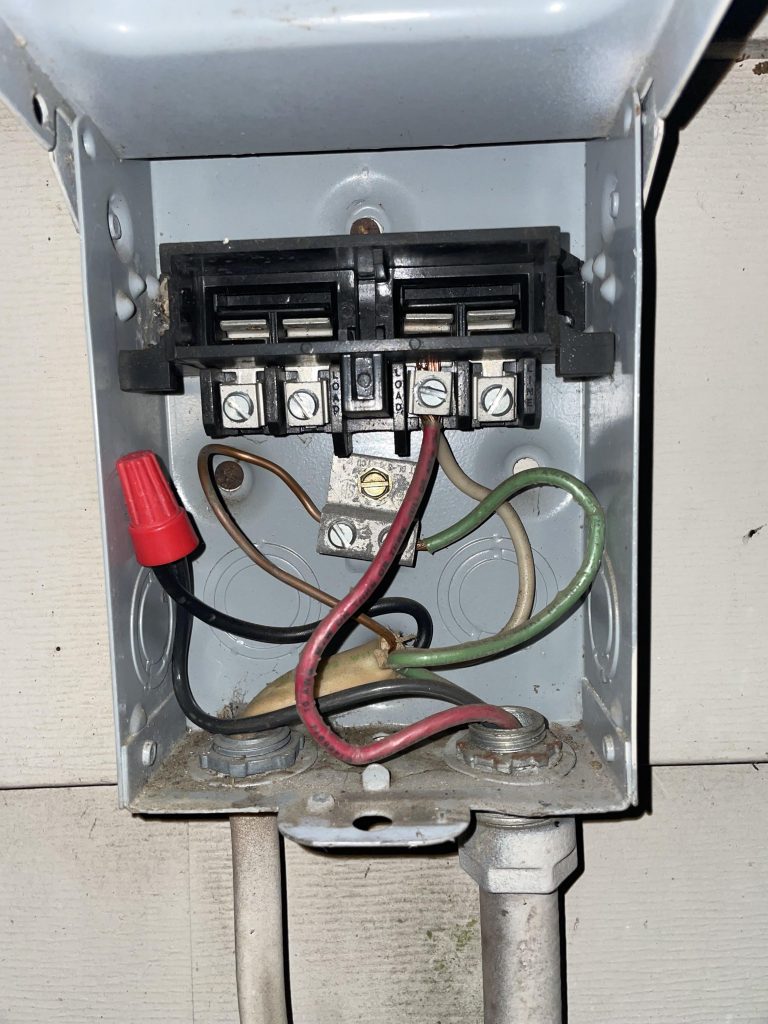
Wiring your air conditioner disconnect might sound tricky, but with the right steps, you can handle it safely and confidently. Imagine saving money by doing this yourself and avoiding costly calls to an electrician.
In this guide, you’ll learn exactly what tools you need and how to connect everything properly to keep your AC running smoothly. Stick with me, and by the end, you’ll have the know-how to get the job done right and protect your home’s cooling system.
Ready to take control of your air conditioner wiring? Let’s dive in!
Credit: www.diychatroom.com
Tools And Materials Needed
Wiring an air conditioner disconnect requires specific tools and materials. Using the right items helps ensure safety and proper installation.
Before you start, gather all necessary tools and materials. This will make the wiring process smoother and faster.
Basic Tools
You will need some basic electrical tools to wire the air conditioner disconnect. These tools help you cut, strip, and secure wires safely.
- Wire strippers
- Screwdrivers (flathead and Phillips)
- Needle-nose pliers
- Voltage tester
- Drill with bits
- Electrical tape
- Level
Materials For Wiring
Choose the right materials to connect your air conditioner disconnect. The materials must meet local electrical codes and fit your unit’s specifications.
| Material | Description | Common Size |
|---|---|---|
| Disconnect Box | Protective enclosure for the wiring and switch | NEMA 3R outdoor rated |
| Copper Wire | Conductive wire for power connection | 10 or 8 AWG, depending on load |
| Circuit Breaker or Fuse | Protects wiring from overload | 30-50 amps, per unit specs |
| Wire Connectors | Secure wire splices | Wire nuts or crimp connectors |
| Conduit | Protects and routes wiring | PVC or metal conduit, size per code |
Safety Equipment
Safety is important when wiring electrical devices. Use proper safety gear to reduce risk of injury or shock.
- Insulated gloves
- Safety glasses
- Non-conductive footwear
- Lockout/tagout kit
Credit: www.diychatroom.com
Safety Precautions
Wiring an air conditioner disconnect requires care and attention. Safety should be your top priority to avoid accidents.
This guide covers important safety steps before and during the wiring process.
Always switch off the main power supply before starting any wiring work. Confirm the power is off using a voltage tester.
Use Proper Tools And Gear
Wear insulated gloves and safety goggles to protect yourself from electric shocks and debris. Use tools designed for electrical work.
Follow Wiring Codes And Standards
Adhere to local electrical codes and manufacturer guidelines. Incorrect wiring can cause fire hazards or equipment damage.
Check Wire Ratings And Connections
Use wires rated for the air conditioner’s current load. Ensure all connections are tight and secure to prevent loose contacts.
- Verify wire gauge matches the AC unit specifications.
- Use wire connectors suitable for outdoor use if needed.
- Inspect wires for damage before installation.
Test The Disconnect Switch
After wiring, test the disconnect switch to ensure it fully cuts power to the air conditioner. This step confirms your work is safe.
| Safety Check | Action |
| Power Off | Confirm with voltage tester |
| Protective Gear | Wear gloves and goggles |
| Wire Gauge | Match unit specifications |
| Connections | Make them tight and secure |
| Disconnect Test | Ensure full power cut off |
Locate The Disconnect Box
Wiring an air conditioner disconnect starts with finding the disconnect box. This box is important for safety. It stops power to the air conditioner during repairs or emergencies.
The disconnect box is usually near the outdoor air conditioning unit. Knowing its location helps you wire it correctly and safely.
Check Near The Outdoor Unit
The disconnect box is often mounted on the wall or on a post close to the outside air conditioner. Look around the unit for a small box with a cover.
Look For A Metal Or Plastic Box
The disconnect box can be made of metal or plastic. It usually has a latch or screw to open it. Inside, you will see terminals or a pull-out switch.
Confirm The Disconnect Type
Disconnect boxes come in different types. Some use a pull-out switch, while others have circuit breakers. Identifying the type helps with wiring.
- Pull-out switch: A removable handle cuts power.
- Circuit breaker: A resettable switch inside the box.
- Fused disconnect: Uses replaceable fuses for protection.
Check For Proper Labels And Clearances
The disconnect box should have a label showing the voltage and amperage. It must be easy to access and have space around it for safety and maintenance.
| Feature | Details |
| Location | Within 50 feet of outdoor unit |
| Accessibility | Clear and easy to reach |
| Labeling | Voltage, amperage, and safety warnings |
| Type | Pull-out switch, breaker, or fused |
Turn Off Power Supply
Turning off the power supply is the first and most important step before wiring an air conditioner disconnect. It keeps you safe from electric shock and injury.
Always make sure the power is completely off before starting any wiring work on your air conditioner disconnect.
Locate The Main Breaker
Find the main electrical breaker in your home or building. It controls power to the entire system, including the air conditioner.
Shutting off the main breaker ensures no electricity flows through the wires while you work.
- Main breaker is usually in the electrical panel
- Look for a switch labeled “Main”
- Use a flashlight if the area is dark
Switch Off The Air Conditioner Breaker
Turn off the specific breaker for your air conditioner. This stops power from reaching the disconnect box.
This step isolates the air conditioner for safe wiring and maintenance.
- Breaker is usually labeled “AC” or “Air Conditioner”
- Flip the switch to the OFF position
- Double-check that the switch stays off
Use A Voltage Tester
Before touching any wires, test for electricity using a voltage tester. This tool shows if power is still present.
Testing helps confirm that the power supply is really off and safe to work on.
- Touch tester tips to wires or terminals
- No light or beep means no voltage
- Repeat test at different points
Lock Out The Breaker
If possible, use a lockout device on the breaker. This prevents someone from turning power back on accidentally.
Locking out the breaker adds extra safety during wiring work.
- Buy a breaker lockout kit from hardware stores
- Attach the lock firmly to the breaker switch
- Keep the key with the person working
Remove The Disconnect Cover
Removing the disconnect cover is an important task before wiring an air conditioner disconnect. This step ensures safe access to the wiring area.
Always turn off the power supply before starting. This prevents electrical shock and damage to the equipment.
Locate The Disconnect Cover
The disconnect cover is usually a metal or plastic panel on the disconnect box. It protects the wiring inside from dust and accidental contact.
Tools Needed To Remove The Cover
- Screwdriver (flathead or Phillips, depending on screws)
- Work gloves to protect your hands
- Flashlight for better visibility
Steps To Remove The Disconnect Cover
- Turn off the main power supply to the disconnect box.
- Wear your work gloves for safety.
- Use the screwdriver to remove the screws holding the cover.
- Carefully lift or slide off the disconnect cover.
- Set the cover and screws aside safely for reinstallation.
Safety Tips When Removing The Cover
Warning:Always ensure the power is off before touching any wires.
Use insulated tools and avoid touching metal parts with bare hands.
Check that no moisture is inside the disconnect box to prevent electric shock.
Credit: www.electriciantalk.com
Identify Wiring Components
Wiring an air conditioner disconnect requires knowing each part. Identifying wires and components helps keep the work safe.
Understanding the wiring parts makes it easier to connect and test the system correctly.
Disconnect Box
The disconnect box is a safety switch for the air conditioner. It lets you cut power during repairs or emergencies.
This box holds the fuse or circuit breaker and connects to the main power supply and the AC unit.
Power Supply Wires
Power supply wires bring electricity from your home’s main panel to the disconnect box. They are usually heavy gauge wires.
- Black or red wires carry the hot current
- White wires act as neutral
- Green or bare wires are ground wires
Load Wires
Load wires run from the disconnect box to the air conditioner unit. They deliver power to the AC components.
- Typically black or red for hot wires
- White as neutral, if needed
- Green or bare copper for grounding
Ground Wire
The ground wire protects the system from electrical faults. It connects metal parts to earth ground to prevent shocks.
It is usually green or bare copper and must be securely attached in the disconnect box and the AC unit.
Fuse Or Circuit Breaker
The fuse or breaker inside the disconnect box stops power if there is a short circuit. It protects the AC and wiring.
Check the rating on the fuse or breaker to match the AC unit’s requirements for safe operation.
Control Wires
Control wires connect the thermostat and control board to the AC unit. They carry low voltage signals.
- Usually thinner wires with different colors
- Not part of the main power circuit
- Help start or stop the compressor and fan
Connect The Ground Wire
Connecting the ground wire is very important for safety. It helps protect you from electric shocks and prevents damage to your air conditioner.
The ground wire provides a safe path for electricity to flow if there is a fault. This stops electricity from building up on metal parts.
Identify The Ground Wire
The ground wire is usually green or bare copper. It is different from the other wires that carry power.
Look for the wire that is not insulated or has green insulation. This wire connects to the metal parts of the disconnect box.
Prepare The Ground Wire
Before connecting, strip about half an inch of insulation from the end of the ground wire. Use wire strippers for a clean cut.
Make sure the wire end is not frayed or damaged. A clean wire will make a better connection and reduce the risk of problems.
Connect The Ground Wire To The Disconnect Box
Find the green grounding screw or grounding bar inside the disconnect box. This is where you attach the ground wire.
Wrap the stripped end of the wire around the grounding screw clockwise. Tighten the screw firmly to hold the wire in place.
- Do not leave any loose wire strands.
- Ensure the wire is snug and secure.
- Check that the wire does not touch other wires.
Connect The Ground Wire To The Air Conditioner
Run the ground wire from the disconnect box to the air conditioner unit. Attach it to the grounding terminal on the unit.
Make sure this connection is tight and secure. A good ground connection helps keep the system safe and working well.
Test The Ground Connection
After connecting, test the ground wire with a multimeter. This ensures electricity can flow safely to the ground.
If the test shows a good connection, your ground wire is correctly installed. If not, check your connections and try again.
Attach The Line Wires
Wiring the line wires to an air conditioner disconnect is an important step. It connects the power source to the air conditioner safely.
Follow these instructions to attach the line wires properly. This helps prevent electrical problems and keeps the system running well.
Turn Off The Power
Before working on the wires, switch off the main power supply. This stops electric shocks while you work.
Use a voltage tester to confirm no current is flowing in the wires. Safety is the first priority.
Strip The Wire Insulation
Use a wire stripper tool to remove about ½ inch of insulation from each line wire. This exposes the copper wire inside.
Be careful not to cut or damage the copper strands. Clean wires make a better connection.
Connect The Line Wires To Terminals
Attach each stripped wire to its matching terminal in the disconnect box. Usually, black and red wires go to the L1 and L2 terminals.
Tighten the terminal screws firmly. Loose wires can cause sparks or power loss.
- Black wire to L1 terminal
- Red wire to L2 terminal
- Green or bare wire to ground terminal
Secure The Ground Wire
Attach the green or bare copper ground wire to the ground screw inside the disconnect box. This protects against electric shocks.
Make sure the ground wire is tight and not loose. A strong ground connection is very important for safety.
Check All Connections
Double-check all wire connections to ensure they are tight and correctly placed. Loose wires can cause failures.
Use a screwdriver to confirm all terminal screws are secure. Proper connections help the air conditioner run smoothly.
Secure The Neutral Wire
Securing the neutral wire in an air conditioner disconnect is important for safety and proper function. The neutral wire carries the return current and must be connected firmly.
Loose or poor connections on the neutral wire can cause electrical faults. Follow the right steps to wire it correctly and avoid hazards.
Identify The Neutral Wire
The neutral wire usually has white insulation. It is one of the main wires in the disconnect box. Make sure you know which wire is neutral before starting.
Prepare The Neutral Wire
Strip about half an inch of insulation from the end of the neutral wire. Use a wire stripper to avoid damaging the copper inside. Check that the exposed wire is clean and untwisted.
Attach The Neutral Wire To The Terminal
Locate the neutral terminal in the disconnect box. It is usually marked as “N” or “Neutral”. Wrap the neutral wire clockwise around the terminal screw.
- Make sure the wire fits snugly under the screw head.
- Tighten the screw firmly but do not overtighten.
- Check that the wire does not touch other terminals or metal parts.
Check The Neutral Connection
After securing the wire, gently tug it to ensure it is tight. Inspect for any loose strands or exposed copper outside the terminal. The connection should be clean and solid.
| Check Point | What to Look For |
|---|---|
| Wire Identification | White insulation, marked neutral |
| Wire Preparation | Half-inch stripped, no damage |
| Connection | Wire wrapped clockwise, screw tight |
| Safety | No contact with other wires or metal |
Reassemble The Disconnect Box
After wiring the air conditioner disconnect, you must carefully reassemble the disconnect box. This step protects the wiring and ensures safety.
Follow each part closely to avoid damage or loose connections inside the box.
Check All Connections
Before closing the box, make sure all wires are tight and secure. Loose wires can cause faults or fire hazards.
Look for any exposed wire strands and tuck them safely into their terminals.
Reinstall The Cover
Place the disconnect box cover back in position carefully. Align it so that it fits snugly over the box.
Secure the cover with screws or fasteners to keep it tightly sealed from dust and moisture.
Test The Disconnect Switch
After reassembly, test the disconnect switch to ensure it works properly. Turn it on and off a few times.
The switch should move smoothly and stop power flow when turned off.
Secure The Box To The Wall
Make sure the disconnect box is firmly attached to the wall or mounting surface. Loose boxes can cause wiring issues.
Use screws or anchors to secure the box in place if needed.
Test The Connection
Testing the air conditioner disconnect ensures the wiring is safe and correct. It helps avoid electrical problems.
Use simple tools and follow clear steps to check the connection before powering on the unit.
Turn Off Power
Always turn off the main power before testing the disconnect. This prevents electric shock and injury.
Use a voltage tester to confirm no electricity flows to the disconnect switch.
Use A Multimeter To Check Voltage
Set your multimeter to measure AC voltage. Test the terminals on the disconnect to see if power is present.
- Place probes on input terminals for power check
- Check output terminals to ensure disconnect works
- Expect no voltage if disconnect is off
Inspect Wire Connections
Look closely at the wires connected to the disconnect. Check for loose or damaged wires.
- Wires should be tight and secure
- No signs of burn marks or corrosion
- Correct wire colors should match the circuit
Test Continuity With Disconnect On
Switch the disconnect to the ON position. Use the multimeter to test continuity between terminals.
Continuity means electricity can flow properly through the disconnect switch.
- Multimeter should beep or show low resistance
- No continuity means a wiring issue
- Fix any problems before use
Test Disconnect Switch Off Position
Turn the disconnect switch OFF. Check that no continuity exists between terminals.
This confirms the switch can stop power flow safely when needed.
- Multimeter should show no continuity
- This protects the air conditioner during maintenance
- Replace switch if it does not disconnect
Frequently Asked Questions
What Tools Are Needed To Wire An Ac Disconnect?
You need wire strippers, screwdrivers, voltage tester, conduit, and wire connectors. Proper tools ensure safe, efficient wiring and compliance with electrical codes.
How Do You Safely Wire An Air Conditioner Disconnect?
Turn off power at the main breaker first. Use correct wire gauge and secure connections. Follow local codes and manufacturer instructions for safety.
What Wire Size Is Required For Ac Disconnect Wiring?
Wire size depends on your AC unit’s amperage rating. Typically, 10 or 12 gauge wires are used. Always check the unit’s specifications and local electrical codes.
Where Should The Ac Disconnect Box Be Installed?
Install the disconnect within sight of the AC unit. It should be easily accessible for maintenance and emergency shut-off, complying with local regulations.
Conclusion
Wiring an air conditioner disconnect is a key safety step. It helps protect you and your equipment from electrical issues. Always follow the right steps and use the correct tools. Double-check all connections before turning the power back on. This simple task keeps your air conditioner running smoothly.
Stay careful and patient during the process. You can handle this with some basic knowledge and attention. Safety first, always.