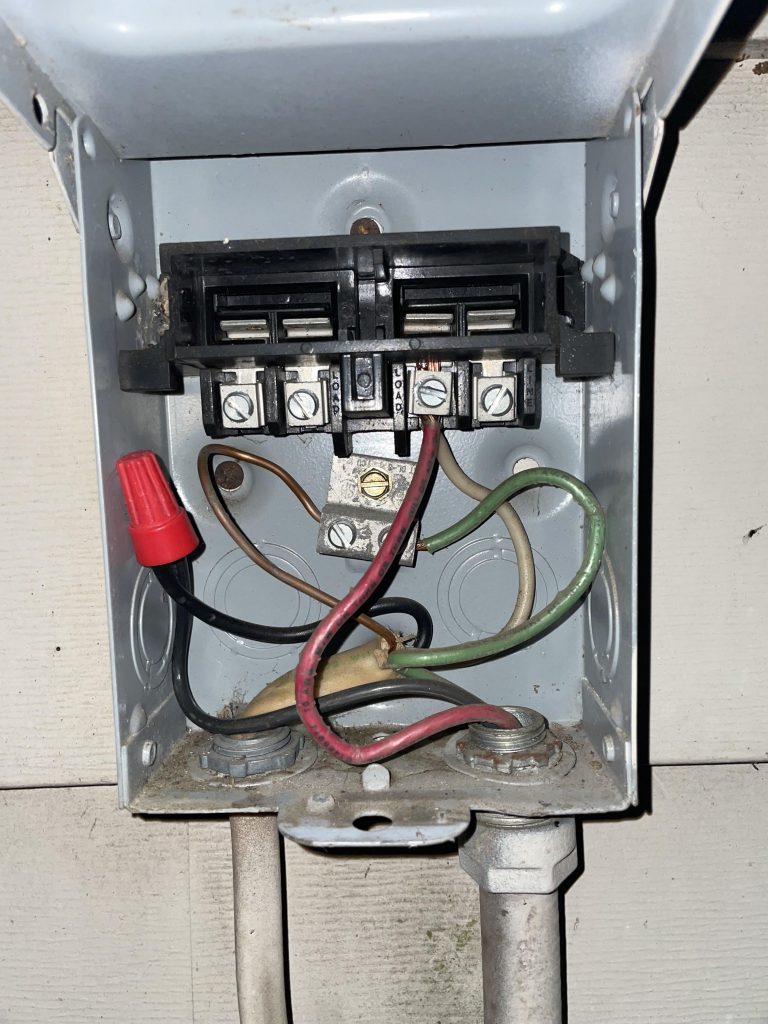
Wiring an air conditioner disconnect might sound tricky, but with the right steps, you can do it safely and confidently. If you want to save money on repairs or installations, knowing how to handle this task yourself is a smart move.
In this guide, you’ll learn exactly what tools you need, the best way to connect wires, and important safety tips to protect you and your home. Keep reading, and by the end, you’ll feel ready to tackle the job like a pro.
Tools And Materials Needed
Wiring an air conditioner disconnect needs the right tools and materials. Using proper items makes the work safe and easy.
This guide lists the essential tools and materials you need before starting the wiring process.
Essential Tools
You need specific tools to wire the air conditioner disconnect correctly. These tools help you cut, strip, and connect wires safely.
- Wire strippers for removing insulation
- Voltage tester to check power
- Screwdrivers (flathead and Phillips)
- Needle-nose pliers for bending wires
- Electrical tape to secure connections
- Drill with bits for mounting
- Multimeter for measuring voltage and continuity
Required Materials
Besides tools, you need certain materials to complete the wiring. These materials ensure the system works safely and meets electrical codes.
- Disconnect box with cover
- Appropriate gauge electrical wire
- Circuit breaker matching the air conditioner
- Wire connectors or wire nuts
- Conduit or cable clamps for protection
- Grounding wire and grounding screws
- Labels for marking wires
Credit: www.diychatroom.com
Safety Precautions
Wiring an air conditioner disconnect requires careful attention to safety. Taking the right steps prevents accidents and injuries.
Always follow safety rules before starting electrical work. This keeps you and others safe.
Power Shutoff
Turn off the main power before wiring the disconnect. This stops electric shock risks.
Double-check that the power is off by testing with a voltage meter. Never trust that the switch is off without testing.
- Locate the main breaker panel
- Switch off the circuit breaker for the air conditioner
- Use a voltage tester to confirm no power is flowing
- Lock the breaker if possible to prevent accidental turn-on
Personal Protective Equipment
Wear proper protective gear to guard against injury. This helps protect your eyes, hands, and body.
Use insulated tools and gloves to reduce electric shock risk. Safety glasses prevent eye injuries from sparks or debris.
- Insulated rubber gloves
- Safety glasses or goggles
- Non-conductive footwear
- Long sleeve shirt and pants
- Insulated tools designed for electrical work
Locate The Disconnect Box
Wiring an air conditioner disconnect starts with finding the disconnect box. This box cuts power to the air conditioner for safety and maintenance.
Knowing where the disconnect box is helps you work safely and avoid electrical hazards.
Common Locations
The disconnect box is usually near the outdoor air conditioner unit. It is easy to reach and close to the power source.
- Mounted on the wall beside the air conditioner
- On a nearby post or stand
- Inside a weatherproof box on the ground
- Close to the main electrical panel in some cases
It should be visible and accessible for quick power shutoff.
Identifying The Box
The disconnect box looks like a small metal or plastic box. It has a cover that protects the switch or pull-out fuse.
Look for labels or markings that say “AC Disconnect” or “Air Conditioner.” The box may have a handle or a lever to switch power off.
- Weatherproof cover to keep out rain and dust
- Switch, lever, or pull-out fuse inside
- Clear labeling for easy identification
- Mounted near the air conditioning unit
Turn Off Power Supply
Before wiring an air conditioner disconnect, always turn off the power supply. This step keeps you safe from electric shocks.
Make sure you follow proper safety steps to avoid accidents while working on electrical systems.
Main Breaker Panel
Locate the main breaker panel in your home or building. It controls power to all circuits, including the air conditioner.
- Open the breaker panel door carefully.
- Find the breaker labeled for the air conditioner.
- Switch the breaker to the off position.
- Lock the panel if possible to prevent accidental switching.
Double Check Power Status
After turning off the breaker, verify that the power is truly off. Use a voltage tester to confirm safety.
| Tool | Purpose | How to Use |
| Voltage Tester | Check if wires have electricity | Touch tester probes to wires. No light means no power. |
| Non-contact Voltage Detector | Detect live wires without touching | Hold near wire. No beep or light means power is off. |
Remove Disconnect Cover
To wire an air conditioner disconnect, you must first remove the disconnect cover. This cover protects the internal parts. Removing it gives you access to the wiring area.
Always turn off the power before removing the cover. This keeps you safe from electric shock.
Unscrewing The Cover
Locate the screws holding the disconnect cover in place. Use a screwdriver that fits the screws well. Turn the screws counterclockwise to loosen them.
Keep the screws in a safe place. Remove the cover gently to avoid damaging it or the internal parts.
Inspecting Internal Components
After removing the cover, look inside the disconnect box. Check for any signs of damage or wear on the wires and terminals.
- Look for loose or burnt wires
- Check if terminals are tight
- Notice any corrosion or dirt
- Confirm the disconnect switch moves freely
Prepare Wiring Connections
Preparing wiring connections is important before wiring an air conditioner disconnect. Proper preparation helps ensure a safe and reliable connection.
Take your time to check all wires and tools before starting. This will make the job easier and safer.
Strip Wire Insulation
Strip the insulation from the wire ends carefully. Use a wire stripper to avoid damaging the copper inside.
- Measure the correct length to strip, usually about ¾ inch.
- Hold the wire steady while stripping.
- Remove only the insulation, not the wire strands.
- Check that the wire is clean and not frayed.
Check Wire Lengths
Make sure each wire is the right length to reach its terminal easily. Wires that are too short or too long can cause problems.
| Wire | Recommended Length | Notes |
| Hot Wire (Black) | 12 inches | Allow some slack for connection |
| Neutral Wire (White) | 12 inches | Same as hot wire length |
| Ground Wire (Green or Bare) | 10 inches | Shorter but enough for secure grounding |
Connect Wires To Terminals
Connecting wires to the terminals in an air conditioner disconnect is important for safety and proper function.
Take time to identify each wire type before attaching them to the correct terminal.
Identify Wire Types
Wires have different colors and thicknesses. Each type serves a specific role in the air conditioner’s electrical system.
- Black wiresusually carry the hot current.
- White wiresare typically neutral wires.
- Green or bare copper wiresare grounding wires.
- Red wirescan be secondary hot wires in some setups.
Attach Wires Securely
Secure wire attachments prevent loose connections that can cause shorts or electrical faults.
| Wire Type | Terminal to Attach | Attachment Tip |
|---|---|---|
| Black (Hot) | Line terminal | Wrap clockwise around screw |
| White (Neutral) | Neutral terminal | Ensure tight contact |
| Green/Bare (Ground) | Ground terminal | Use a grounding screw |
| Red (Secondary Hot) | Second line terminal | Confirm correct terminal slot |
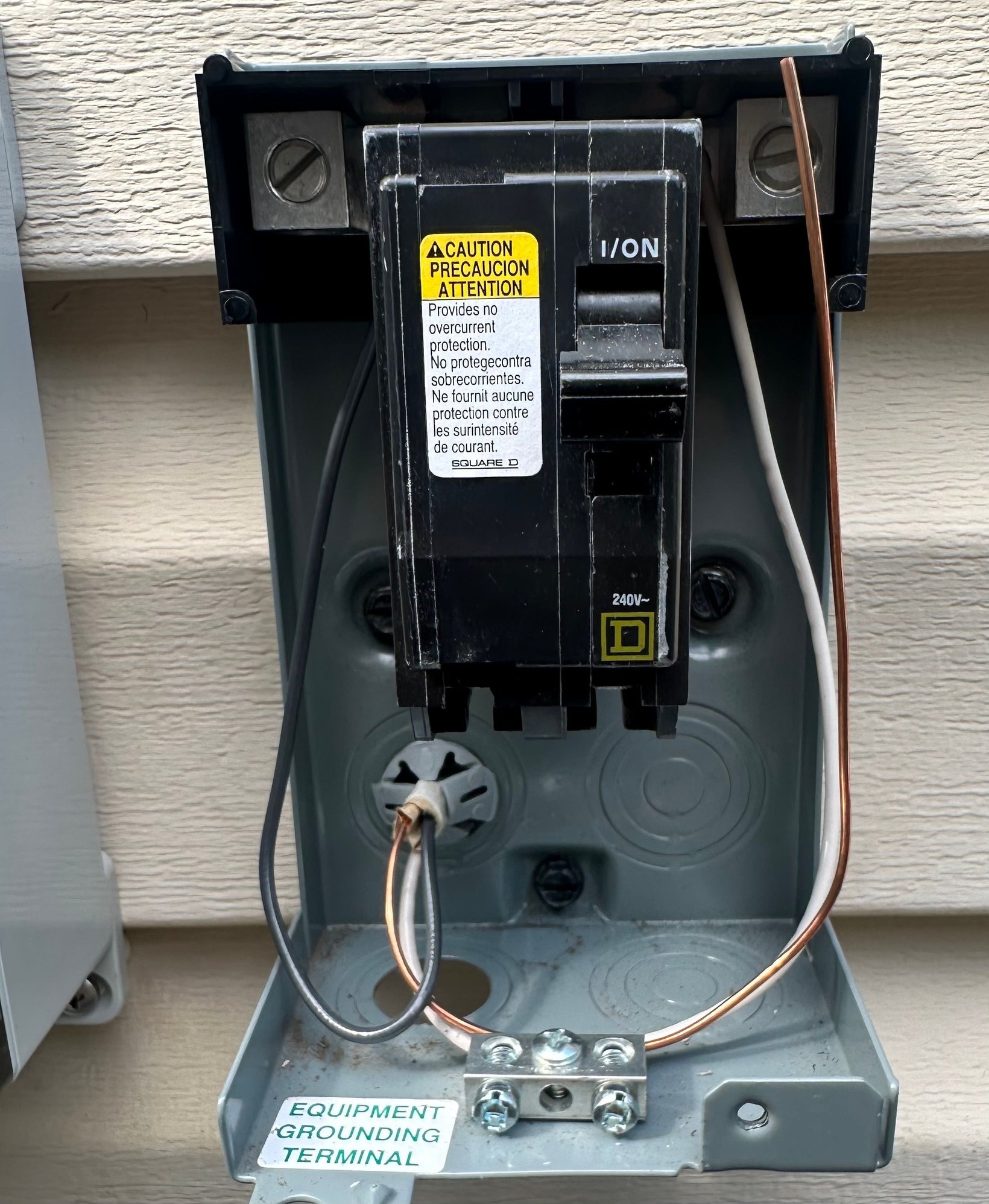
Credit: www.doityourself.com
Secure Ground Wire
Wiring an air conditioner disconnect requires a safe and secure ground wire. The ground wire helps protect you from electric shocks. It also prevents damage to the air conditioner and electrical system.
Always follow proper steps to connect the ground wire correctly. This keeps your system safe and working well.
Locate Ground Terminal
Find the ground terminal on the air conditioner disconnect box first. This terminal is usually marked with a green screw or a ground symbol. It is separate from the power terminals.
Check the disconnect box manual if you are unsure where the ground terminal is. Proper location ensures a secure and safe connection.
Proper Grounding Techniques
Strip the ground wire insulation carefully to avoid damage. Attach the wire firmly to the ground terminal screw. Tighten the screw well to prevent loose connections.
- Use a wire that meets local electrical codes
- Make sure the wire is long enough but not too loose
- Keep the wire free from sharp edges
- Check the connection for tightness after installation
Replace Disconnect Cover
Replacing the disconnect cover on an air conditioner is important for safety. It protects the wiring and prevents accidental contact.
Make sure to handle the cover carefully to avoid damage. A proper fit keeps the disconnect box secure and safe.
Aligning Cover Properly
Place the disconnect cover so it fits the box exactly. The edges should line up with the box sides.
Check that no wires are caught or pinched under the cover. This can cause damage or safety issues.
- Hold the cover flush against the disconnect box
- Match the screw holes on the cover to the box
- Ensure wires remain inside without pinching
Tighten Screws Firmly
Use a screwdriver to tighten the screws that hold the cover. Tight screws keep the cover secure and safe.
Do not overtighten, as this can strip the screws or crack the cover. Tighten until the cover feels snug and stable.
- Start screws by hand to avoid cross-threading
- Tighten screws evenly, switching between them
- Stop when the cover is firmly in place with no movement
Restore Power And Test
After wiring your air conditioner disconnect, you must restore power safely. Testing the unit ensures it works correctly. Follow simple steps to finish the job.
Take time to check all connections before turning power on. This keeps you safe and protects your equipment.
Switch On Main Breaker
Find the main breaker in your electrical panel. Flip it to the ON position to restore power to the air conditioner.
Make sure the disconnect switch is also ON. This allows electricity to flow to your air conditioner safely.
- Locate the main breaker panel
- Flip the main breaker switch ON
- Check the air conditioner disconnect switch is ON
Verify Air Conditioner Operation
Turn your air conditioner thermostat to cooling mode. Set a low temperature to start the unit.
Listen for the compressor and fan to run. Check if cool air comes from the vents inside your home.
- Set thermostat to cooling
- Listen for compressor and fan noise
- Feel for cool air from vents
- Watch for any unusual sounds or smells
Troubleshooting Tips
Wiring an air conditioner disconnect can be tricky. Problems often come from wiring mistakes or poor connections.
Knowing common wiring issues helps you fix problems safely. If unsure, always seek professional help.
Common Wiring Issues
Loose or damaged wires are frequent causes of disconnect problems. They can stop your air conditioner from working.
Wrong wire placement also causes issues. Each wire must connect to the right terminal for the unit to run.
- Loose wire connections can cause power loss.
- Damaged insulation may lead to short circuits.
- Incorrect wiring can trip breakers or blow fuses.
- Corroded terminals reduce electrical flow.
- Using the wrong wire gauge causes overheating.
When To Call A Professional
If you notice sparks or burning smells, stop immediately. These signs mean serious wiring problems.
Call a licensed electrician if you feel unsure about any step. They have tools and training to fix wiring safely.
- When wires are damaged or melted
- If breakers keep tripping after rewiring
- When unsure about wire color codes
- If you lack experience with electrical work
- When testing tools show inconsistent results
Credit: www.diychatroom.com
Frequently Asked Questions
What Tools Are Needed To Wire An Ac Disconnect?
To wire an AC disconnect, you’ll need a screwdriver, wire stripper, voltage tester, and a drill. Ensure you have the appropriate wires and connectors. Always prioritize safety by wearing protective gear and turning off the main power supply before starting the wiring process.
How Do I Safely Wire An Ac Disconnect?
First, turn off the main power supply. Use a voltage tester to confirm no electricity is flowing. Follow your AC unit’s manual for specific wiring instructions. Connect the wires as directed, ensuring all connections are secure. Double-check everything before restoring power to ensure safety.
Can I Wire An Ac Disconnect Myself?
Yes, you can wire it yourself with the right tools and instructions. However, if you’re unsure or inexperienced, it’s safer to hire a professional. Incorrect wiring can lead to potential hazards, including electrical fires. Always prioritize safety and ensure you follow all local electrical codes.
What Is The Purpose Of An Ac Disconnect?
An AC disconnect provides a convenient way to cut off electricity to your air conditioner. It’s essential for maintenance and emergency situations. By having a disconnect, you can ensure safety during repairs or inspections, minimizing the risk of electrical shock or other hazards.
Conclusion
Wiring an air conditioner disconnect is a step anyone can do carefully. Follow safety rules and use the right tools. Double-check your work to avoid mistakes. This keeps your AC safe and working well. Take your time and stay focused on each step.
A properly wired disconnect protects your home and equipment. Keep this guide handy for future reference. Simple steps lead to a safe and efficient setup. You can handle this task with confidence.