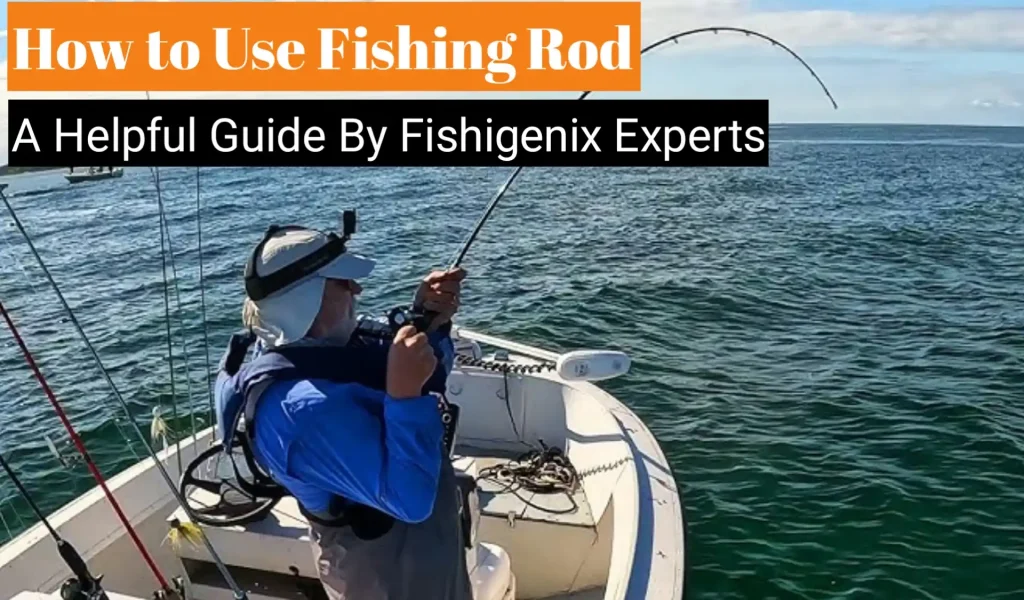
Have you ever wondered how to work a fishing rod like a pro? Whether you’re new to fishing or just want to improve your skills, mastering the basics of handling your fishing rod can make all the difference.
Imagine feeling the thrill when a fish bites, knowing exactly how to reel it in smoothly. In this guide, you’ll learn simple, step-by-step tips that will boost your confidence and help you enjoy every moment by the water. Ready to turn your fishing trips into successful adventures?
Keep reading and discover how to make your fishing rod work for you.
Choosing The Right Rod
Picking the right fishing rod helps you catch fish easier. It also makes fishing more fun and comfortable.
There are many types of rods. You should choose one that fits your fishing style and the fish you want to catch.
Types Of Fishing Rods
Fishing rods come in different types. Each type works best for certain fishing methods.
- Spinning rods are good for beginners and light lures.
- Baitcasting rods offer better control for heavier baits.
- Fly rods help cast very light flies on water surfaces.
- Trolling rods work well when fishing from a moving boat.
Matching Rods To Fish Species
Different fish need different rods. Small fish need light rods. Big fish need strong rods.
Using the right rod helps you reel in fish without breaking your line or rod.
- Light rods suit small fish like trout or panfish.
- Medium rods work for bass or walleye.
- Heavy rods are best for big fish like pike or catfish.
Material And Length Considerations
Rods come in different materials. Graphite rods are light and sensitive. Fiberglass rods are strong and flexible.
Rod length affects casting and control. Short rods give better control. Long rods cast farther.
- Graphite rods: light, good for feeling bites.
- Fiberglass rods: tough, good for rough use.
- Short rods (5-6 feet): good for small spaces and control.
- Long rods (7-9 feet): good for long casts and open water.

Credit: fishgenix.com
Setting Up Your Rod
Fishing is a fun and relaxing activity. Knowing how to set up your rod is important for a good experience.
Let’s go through the main steps to get your fishing rod ready. We’ll cover attaching the reel, threading the line, and choosing the right line and hook.
Attaching The Reel
Start by attaching the reel to the rod. This is the first step in setting up your fishing gear.
- Open the reel seat at the base of the rod.
- Insert the foot of the reel into the seat.
- Tighten the reel seat to secure the reel firmly.
Threading The Line
Threading the line is essential for casting your bait into the water.
| Step | Description |
| 1 | Open the bail arm on the reel. |
| 2 | Pull the line from the spool through the rod guides. |
| 3 | Close the bail arm to secure the line. |
Selecting The Right Line And Hook
Choosing the right line and hook is important for catching fish effectively. Different fish require different setups.
- Use a light line for small fish like trout.
- Choose a heavy line for larger fish like bass.
- Select hooks based on the fish size and bait type.
Casting Techniques
Casting is a key skill for fishing with a rod. It lets you place the bait where fish swim.
Good casting helps you catch more fish and enjoy fishing more. Let’s learn some casting tips.
Basic Casting Methods
The most common casting types are overhead cast and sidearm cast. Each suits different fishing spots.
Overhead cast is simple and good for long distances. Sidearm cast helps in tight spaces or near plants.
- Overhead cast: Lift rod tip back, then swing forward smoothly.
- Sidearm cast: Keep rod low, swing it sideways to avoid obstacles.
- Roll cast: Use when behind you is limited space; roll the line over water.
Improving Accuracy
Accuracy helps place bait exactly where fish are. Focus on smooth, controlled movements.
Watch your target and aim the rod tip carefully. Avoid rushing the cast.
- Keep your eyes on the spot you want to cast.
- Practice short, gentle casts to build control.
- Use your wrist to guide the rod tip precisely.
- Stay relaxed to avoid jerky movements.
Adjusting For Different Environments
Fishing spots vary. You must change casting style to fit water, wind, and space.
Wind can push your line off course. Cast into the wind for better control.
- In tight areas, use sidearm or roll casts to avoid trees.
- In open water, overhead cast gives longer distance.
- Strong wind needs shorter, lower casts to keep accuracy.
- Near rocks or plants, cast gently to avoid snagging.
Handling The Rod During Fishing
Handling a fishing rod correctly improves your chances of catching fish. It helps you react quickly to bites and reduces fatigue. Good handling keeps control over the line and rod balance.
Learn how to hold the rod, detect bites, and reel in your catch with ease. These skills make fishing more enjoyable and effective.
Holding The Rod Properly
Hold the rod firmly but not too tight. Place your dominant hand around the handle near the reel. Support the rod with your other hand under the rod or near the reel seat.
- Keep your grip relaxed to avoid hand fatigue.
- Use your thumb to press lightly on the rod for better control.
- Position the rod at a 45-degree angle to the water.
- Keep the rod tip up to feel any movement on the line.
Detecting Bites And Strikes
Watch the rod tip closely for any sudden twitches or movements. These signs show that a fish may be biting. Feel the line for any pulls or tension changes.
| Signal | What It Means |
| Rod tip jerks | Fish is nibbling or striking |
| Line pulls tight | Fish has taken the bait |
| Rod tip bends down | Fish is running or pulling |
| Line slackens suddenly | Fish may have dropped the bait |
Reeling In The Catch
Start reeling slowly after you feel a strong pull. Keep the rod tip up and maintain tension on the line. Use smooth, steady turns of the reel handle.
- Keep the line tight but do not pull too hard.
- Lift the rod to bring the fish closer.
- Lower the rod to let the fish run if it pulls hard.
- Repeat lifting and lowering to tire the fish.
- Use the drag system on your reel to control resistance.
Maintenance And Care
Taking care of your fishing rod keeps it working well for a long time. Regular maintenance stops damage and improves your fishing experience.
Simple steps like cleaning and proper storage help your rod stay strong and ready to use.
Cleaning Your Rod
Clean your fishing rod after each use to remove dirt and salt. Salt can cause rust and damage the rod parts.
Use fresh water and a soft cloth to wipe the rod. Avoid harsh chemicals that can harm the finish.
- Rinse rod gently with fresh water
- Wipe with a soft cloth to dry
- Check guides and reel seat for dirt
- Use mild soap if needed, then rinse
Storing After Use
Store your fishing rod in a dry place to avoid moisture damage. Keep it away from direct sunlight to prevent fading.
Use a rod rack or holder to keep it straight. Avoid leaning rods against walls for long periods.
- Dry rod completely before storage
- Store in a cool, dry area
- Use rod holders or racks
- Keep away from heat and sunlight
Troubleshooting Common Issues
If your rod feels stiff or the reel does not turn smoothly, check for dirt or damage. Small problems can get worse without care.
Look for cracks, loose guides, or worn parts. Fix these early to keep your rod working well.
- Clean and lubricate reel parts regularly
- Tighten loose guides or screws
- Replace cracked or broken guides
- Check line for tangles or wear

Credit: fishingbooker.com
Advanced Tips And Tricks
Using a fishing rod well takes more than just casting and reeling. You need to know how to adjust your methods to the conditions. This guide shares advanced tips to help you catch more fish.
Focus on the lure, the water, and fish behavior. Each plays a big role in your fishing success. Small changes can make a big difference.
Using Lures Effectively
Choosing the right lure and using it well can attract more fish. Different lures work better in different situations. Match the lure type to the fish you want to catch.
- Use bright colors in murky water for better visibility.
- Try slow, steady retrieves to mimic injured prey.
- Vary lure depth by changing your cast length or reel speed.
- Switch lures if fish do not respond after several tries.
- Use scented lures to attract fish by smell.
Reading Water And Weather
Fish behavior changes with water and weather conditions. Knowing how to read these helps you choose the best fishing spots and times.
| Condition | Effect on Fish | Fishing Tip |
| Clear Water | Fish see lures easily | Use natural colors and light action |
| Cloudy or Murky Water | Fish rely on smell and vibration | Use bright or scented lures |
| Calm Weather | Fish move slowly | Use slow retrieves and small lures |
| Windy Weather | Water is choppy; fish hide | Fish near structure; use heavier lures |
| Before Storm | Fish feed actively | Fish aggressively; use fast retrieves |
Techniques For Different Fish Behavior
Fish act differently based on their mood and environment. Adjust your fishing style to their behavior for better results.
- Active Fish:Use fast retrieves and flashy lures to attract attention.
- Lazy Fish:Slow down your lure and use subtle movements.
- Bottom Feeders:Use weighted rigs and bounce the lure along the bottom.
- Surface Feeders:Use topwater lures and create splashes to mimic prey.

Credit: www.youtube.com
Frequently Asked Questions
How Do I Properly Hold A Fishing Rod?
Hold the fishing rod with your dominant hand near the reel. Support the rod with your other hand. Keep a firm but relaxed grip to control casting and reeling smoothly.
What Is The Best Way To Cast A Fishing Rod?
Point the rod tip behind you, then flick it forward smoothly. Release the line at the right moment for distance. Practice timing to improve accuracy and avoid tangles.
How Do I Set The Drag On A Fishing Reel?
Adjust the drag knob to allow line release under pressure. Tighten for larger fish to prevent line breakage. Test drag by pulling line manually before fishing.
When Should I Reel In After A Fish Bites?
Start reeling as soon as you feel a bite. Keep the line tight and reel steadily. Use rod lifts to tire the fish before pulling it in.
Conclusion
Fishing rod skills grow with practice and patience. Start slow, learn each step clearly. Hold the rod firmly but gently. Cast the line smoothly and watch closely. Feel the tug and reel carefully. Enjoy quiet moments by the water. Every try teaches something new.
Keep practicing to fish with confidence. Soon, fishing becomes more fun and rewarding. Remember, the joy is in the experience, not just the catch.