
Do you ever feel confused about using your washer dryer? You’re not alone.
These machines can save you time and effort, but only if you know how to work them properly. Imagine finishing your laundry quickly without any hassle or mistakes. In this guide, you’ll learn simple steps to get the best results from your washer dryer.
Keep reading, and you’ll soon feel confident handling your laundry like a pro.
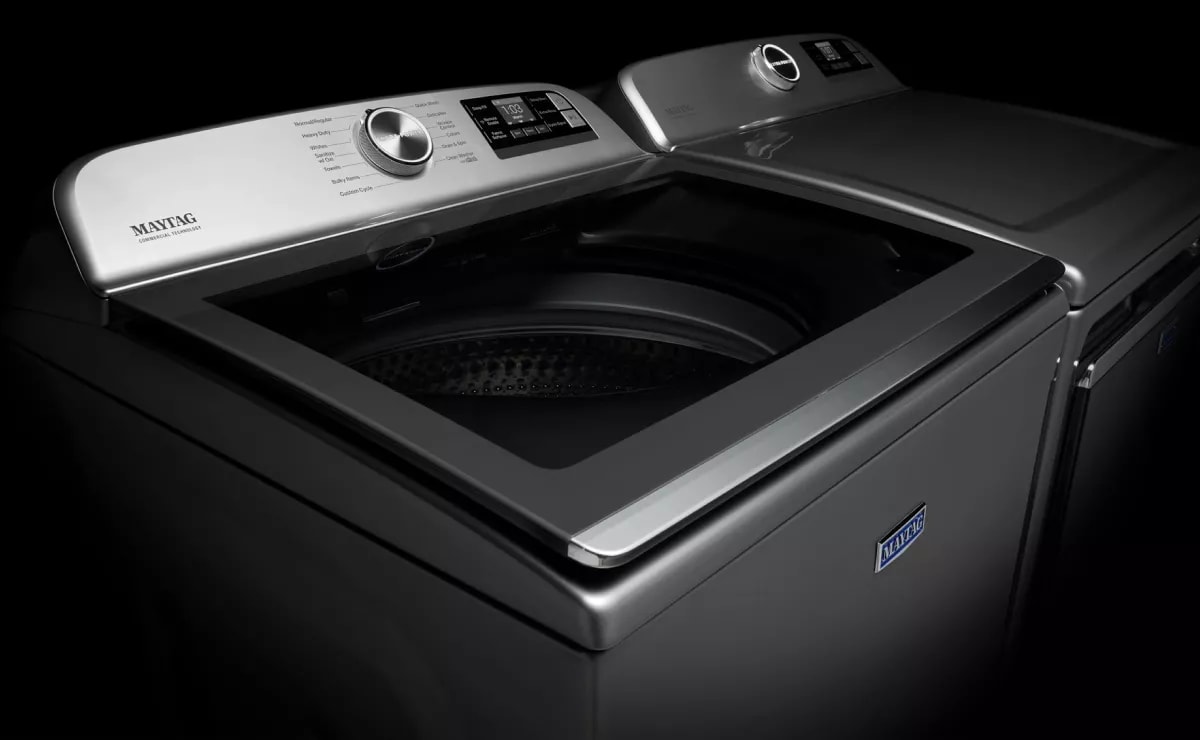
Credit: www.maytag.com
Choosing The Right Washer Dryer
Picking the right washer dryer is important for easy laundry. It saves time and energy.
This guide helps you understand the types, size, and energy ratings of washer dryers.
Types Of Washer Dryers
There are mainly two types of washer dryers. One is a combo unit, and the other is separate machines.
- Combo Washer Dryers:These machines wash and dry clothes in one drum. They save space.
- Separate Washer and Dryer:These are two different machines. They usually dry clothes faster.
Capacity And Size Considerations
Choose a size that fits your laundry needs and space in your home.
| Capacity (kg) | Best For | Space Needed |
|---|---|---|
| 5-7 | Small families or singles | Compact spaces |
| 8-10 | Medium families | Average laundry rooms |
| 11+ | Large families or heavy laundry | Spacious laundry areas |
Energy Efficiency Ratings
Energy ratings show how much electricity the machine uses. Higher ratings save money and help the environment.
- Look for machines labeled A++ or higher.
- Energy-efficient models use less water and power.
- They help lower your utility bills.
Preparing Your Laundry
Getting your laundry ready is an important first step. Proper preparation helps clean clothes better and keeps fabrics safe.
Take time to sort and check your clothes before using the washer dryer. This makes the washing process easier.
Sorting Clothes By Fabric And Color
Separate clothes by fabric type and color to avoid damage and color transfer. Group similar items together for best results.
- Sort whites, darks, and colors separately
- Keep delicate fabrics apart from heavy ones
- Wash towels and bedding separately from clothes
Checking Care Labels
Care labels give important washing instructions. Follow them to protect your clothes and keep them looking good.
Look for water temperature, wash cycle, and drying advice on the labels. Some clothes need special care.
- Use cold water for delicate fabrics
- Choose gentle cycle for wool or silk
- Avoid tumble drying if label says “Do Not Dry”
Treating Stains Before Washing
Removing stains before washing improves cleaning results. Treat stains quickly to stop them from setting.
Use stain removers or simple home solutions based on the stain type. Always test on a hidden area first.
- Apply stain remover and gently rub the spot
- Let the treatment sit for 5-10 minutes before washing
- For oil stains, use a bit of dish soap before washing
Loading The Washer Dryer
Loading your washer dryer correctly helps clean clothes well. It also keeps the machine working longer.
Follow simple rules to load your washer dryer the right way. This guide explains what to do.
Avoiding Overloading
Do not fill the washer dryer too full. Clothes need space to move and get clean.
Overloading can cause poor washing and damage the machine parts.
- Leave some space at the top of the drum
- Check the machine’s load capacity in the manual
- Wash large items separately if needed
Distributing Clothes Evenly
Spread clothes evenly inside the drum. This stops the washer dryer from shaking.
Mix different sizes and types of fabric for better balance during spinning.
- Place heavy items opposite each other
- Avoid clumping all clothes on one side
- Shake out large items before loading
Adding Detergent And Fabric Softener
Use the right amount of detergent for your load size and dirt level. Too much detergent can leave residue.
Pour detergent and fabric softener into their correct compartments. This helps the machine work properly.
- Check detergent instructions for dosing
- Use liquid or powder detergent as recommended
- Fill fabric softener compartment, not the detergent one

Credit: www.youtube.com
Selecting The Right Wash Cycle
Choosing the correct wash cycle helps clean your clothes well. It also protects fabrics and saves energy.
Washers have many cycles for different clothes. Picking the right one keeps clothes fresh and lasting longer.
Common Wash Cycles Explained
Washers offer cycles like normal, delicate, and heavy-duty. Each cycle uses different times and speeds.
- Normal:For regular clothes like cotton shirts and jeans.
- Delicate:Gentle on delicate fabrics like silk and lace.
- Heavy-duty:For tough stains on work clothes or towels.
- Quick wash:Short cycle for lightly soiled clothes.
- Permanent press:Reduces wrinkles on synthetic fabrics.
Adjusting Temperature Settings
Water temperature affects how well your clothes get clean. Use the right heat to avoid damage.
Cold water saves energy and protects colors. Hot water cleans very dirty whites better.
- Cold:Best for dark colors and delicate fabrics.
- Warm:Good for synthetic fabrics and mixed loads.
- Hot:Ideal for whites and heavily soiled clothes.
Choosing Spin Speed
Spin speed removes water from clothes after washing. Higher speeds mean drier clothes.
Use low spin speeds for delicate items. High speeds work well for towels and jeans.
- Low:Gentle on delicate fabrics to prevent damage.
- Medium:Suitable for regular clothes.
- High:Removes more water from heavy fabrics.
Operating The Washer Dryer
Learning to operate a washer dryer is simple. This guide will help you understand the basic steps.
Follow these instructions to use your washer dryer efficiently and safely.
Starting The Machine
First, load your clothes into the washer dryer. Ensure that it is not overloaded. This can help your clothes get clean and dry properly.
Select the right cycle for your laundry. Use the settings on the machine to choose the appropriate wash and dry cycle.
- Check the label on your clothes for instructions.
- Use cold water for delicate items.
- Select a normal cycle for regular clothes.
Using Delay And Other Features
Many washer dryers offer a delay start feature. This lets you set the machine to start later.
Use this feature to have your laundry ready when you need it. Explore other features like steam or eco modes for better results.
- Set a delay start if you want the cycle to begin later.
- Use steam mode to reduce wrinkles.
- Eco mode saves energy.
Safety Tips During Operation
Always follow safety tips when using your washer dryer. This prevents accidents and prolongs the machine’s life.
Ensure the machine is on a level surface. Keep the area around the machine clear of clutter.
- Do not open the door during operation.
- Keep children and pets away from the machine.
- Unplug the machine if it malfunctions.
Drying Clothes Efficiently
Using a washer dryer well can save time and protect your clothes. Drying clothes efficiently helps keep them in good shape. It also reduces energy use.
Knowing how to pick the right settings and care for different fabrics makes a big difference. This guide explains key tips for drying clothes with a washer dryer.
Selecting Drying Programs
Washer dryers have different drying programs for various fabric types. Choosing the right program ensures clothes dry well without damage. Some common programs include cotton, synthetic, and mixed load.
- Cotton:Best for towels and heavy clothes. Uses higher heat.
- Synthetic:For polyester and nylon fabrics. Uses lower heat to avoid shrinking.
- Delicate:Gentle drying for silk, lace, and other fragile items.
- Quick Dry:Short drying time for small loads or lightly damp clothes.
Preventing Overdrying
Overdrying wastes energy and can harm fabrics by making them stiff or faded. Many machines have sensors to stop drying when clothes reach the right dryness.
| Tip | Reason |
|---|---|
| Use sensor drying | Stops cycle when clothes are dry enough |
| Set shorter drying times | Prevents clothes from staying too long in the heat |
| Check clothes early | Allows removing damp items to air dry if needed |
Handling Delicate Items
Delicate clothes need special care to stay in good condition. Use low heat and gentle drying programs. Avoid overloading the drum to prevent wrinkles and damage.
- Turn clothes inside out before drying
- Use mesh laundry bags for extra protection
- Remove clothes promptly to reduce wrinkles
- Air dry if fabric is very fragile
Maintaining Your Washer Dryer
Keeping your washer dryer in good condition ensures it works efficiently. Regular maintenance can prevent costly repairs and extend its lifespan.
This guide will help you maintain your washer dryer by focusing on cleaning, preventing mold, and other maintenance tips.
Cleaning Filters And Drums
Cleaning the filters and drums regularly is vital for optimal performance. Dirty filters can block water flow, while dirty drums can affect cleanliness.
- Remove and clean the lint filter after each use.
- Wipe the drum with a damp cloth monthly.
- Use a mild detergent to clean stubborn stains in the drum.
Preventing Mold And Odors
Mold and odors can develop if moisture is left inside the washer dryer. Keeping it dry is essential for preventing these issues.
Leave the door open after each wash to allow the drum to air dry. This simple step can significantly reduce moisture buildup.
Regular Maintenance Tips
Regular maintenance is key to keeping your washer dryer in top shape. Follow these tips to ensure it runs smoothly.
| Task | Frequency |
| Check hoses for leaks | Monthly |
| Inspect the door seal | Weekly |
| Run a cleaning cycle | Every 3 months |
Troubleshooting Common Issues
Washer dryers are useful appliances but can have problems. Knowing how to fix common issues saves time and stress.
This guide helps you understand common problems and simple ways to fix them.
Dealing With Error Codes
Many washer dryers show error codes on the display. These codes tell you what is wrong.
Check your user manual to find the meaning of each code. Reset the machine by turning it off and on again.
- Error code E1 may mean a door is open.
- Error code E2 could indicate water supply issues.
- Error code E3 often shows a drainage problem.
Fixing Drainage Problems
If your washer dryer does not drain water, check the drain hose for kinks or clogs. Clean the filter regularly.
Run a spin cycle to see if water drains. If not, clear any blockages or dirt inside the hose and filter.
- Remove and clean the drain filter.
- Check the drain hose for bends or clogs.
- Make sure the drain pipe is not blocked.
When To Call A Technician
Call a technician if the washer dryer keeps showing error codes after resets. Do not try to fix electrical parts yourself.
If the machine leaks water or makes loud noises, get expert help. Some problems need special tools and skills.
- Persistent error codes after troubleshooting
- Water leaks from the machine
- Unusual noises during wash or dry cycles
- Machine does not start at all

Credit: www.youtube.com
Frequently Asked Questions
How Do I Start A Washer Dryer Cycle?
To start a washer dryer cycle, load clothes, add detergent, select the wash cycle, and press start. Follow the machine’s instructions for specific settings to ensure proper cleaning and drying.
Can I Wash And Dry Clothes In One Cycle?
Yes, washer dryers combine washing and drying in one cycle. Choose a combined wash and dry program to save time and energy while cleaning and drying your clothes efficiently.
What Detergent Is Best For Washer Dryers?
Use high-efficiency (HE) detergent designed for washer dryers. It produces fewer suds and prevents residue buildup, ensuring better cleaning and protecting your machine from damage.
How Do I Clean A Washer Dryer Machine?
Clean the washer dryer by wiping the drum, door seal, and detergent drawer regularly. Run an empty hot cycle with vinegar or a specialized cleaner monthly to remove buildup and odors.
Conclusion
Using a washer dryer can save time and space at home. Follow simple steps to wash and dry clothes easily. Always check the settings before starting the machine. Clean the lint filter regularly to keep it working well. Treat stains quickly for better cleaning results.
With practice, using a washer dryer becomes quick and stress-free. Enjoy fresh, dry clothes without extra effort. This appliance helps keep your laundry routine simple and efficient.