Are you ready to save time and make cooking easier? Learning how to use a pressure cooker can change the way you prepare meals forever.
Imagine cutting your cooking time in half while locking in flavors and nutrients. Whether you’re a beginner or someone who’s never tried it before, this guide will show you simple steps to master your pressure cooker. Keep reading, and you’ll discover tips that make every meal faster, tastier, and stress-free.
Your kitchen routine is about to get a powerful upgrade!
Benefits Of Pressure Cooking
Pressure cooking is a popular method that uses steam and high pressure to cook food quickly. It helps save time and energy in the kitchen.
This cooking method also keeps more nutrients in food and improves the taste of many dishes.
Save Time And Energy
Pressure cookers cook food faster than traditional methods. They use less water and energy. This helps you cook meals quickly and save money on utility bills.
- Cook meals in a fraction of the usual time
- Use less electricity or gas
- Reduce water usage during cooking
- Great for busy schedules and meal prepping
Preserve Nutrients
Pressure cooking keeps vitamins and minerals in food better than boiling or frying. The sealed pot traps steam and heat, so nutrients do not escape.
| Cooking Method | Nutrient Loss |
| Boiling | High |
| Steaming | Low |
| Pressure Cooking | Very Low |
Enhance Flavor
Pressure cooking helps flavors blend well. The sealed pot keeps aromas inside. This makes food taste richer and more delicious.
- Retains natural juices in meat and vegetables
- Speeds up marinating and tenderizing
- Reduces need for extra salt or spices

Credit: m.youtube.com
Choosing The Right Pressure Cooker
Choosing the right pressure cooker is important for safe and easy cooking. A good pressure cooker saves time and cooks food well.
Think about your cooking needs before buying. Size, type, and material matter a lot.
Types Of Pressure Cookers
There are two main types of pressure cookers: stovetop and electric. Each works differently and fits different needs.
Stovetop cookers heat on a stove and reach higher pressure. Electric cookers have built-in heat and controls.
- Stovetop:Faster cooking, simple design
- Electric:Programmable, safer with automatic controls
Size And Capacity
Pick a size that fits your family and cooking style. Pressure cookers come in small, medium, and large sizes.
Small cookers hold 2 to 4 quarts. Medium cookers hold 6 quarts. Large cookers hold 8 quarts or more.
- Small: Best for singles or couples
- Medium: Good for families of 3 to 5
- Large: Ideal for big families or meal prep
Material And Build Quality
Look for pressure cookers made from strong materials like stainless steel or aluminum. Good build quality lasts longer.
Stainless steel is durable and resists rust. Aluminum heats quickly but may wear out faster.
- Stainless Steel:Long-lasting, easy to clean
- Aluminum:Lightweight, heats fast
- Quality Seals:Ensure tight fit for safety
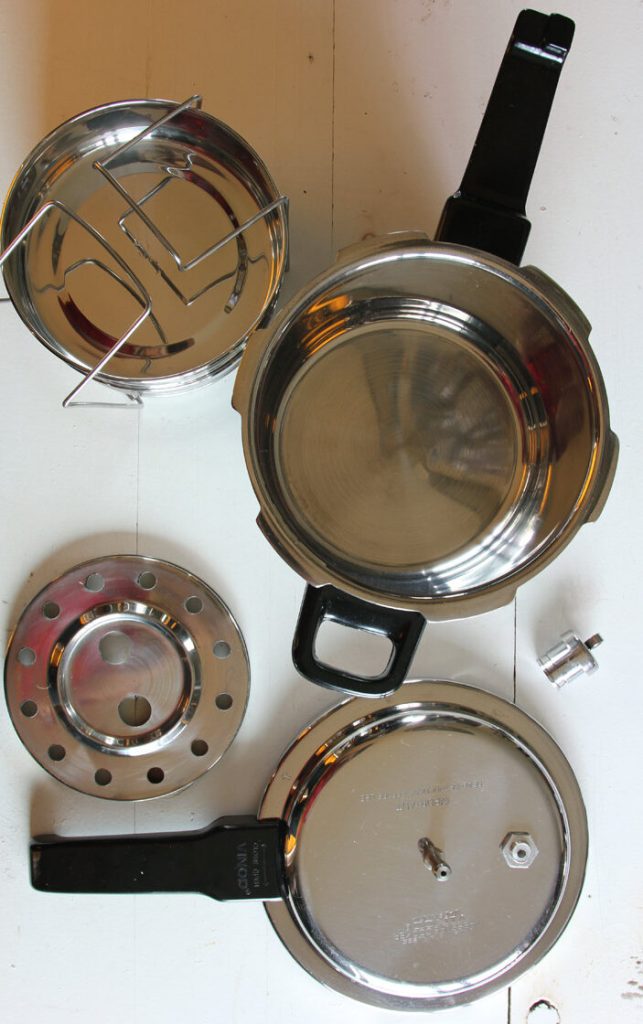
Pressure Cooker Components
A pressure cooker has several important parts. Each part works together to cook food quickly and safely.
Understanding these components helps you use the cooker correctly and maintain it well.
Lid And Sealing Ring
The lid fits tightly on the pot to keep steam inside. A rubber sealing ring sits inside the lid. It stops steam from escaping.
- The lid locks in place for safety.
- The sealing ring must be clean and flexible.
- Replace the sealing ring if it cracks or breaks.
Pressure Valve
The pressure valve controls the steam inside the cooker. It releases excess pressure to keep the cooker safe.
| Valve Type | Function |
| Weighted Valve | Maintains pressure by weight |
| Spring Valve | Releases pressure when it is too high |
Safety Features
Pressure cookers have safety parts to prevent accidents. These parts stop the cooker if pressure gets too high.
- Safety lock prevents opening the lid under pressure.
- Pressure indicator shows when it is safe to open.
- Backup valve releases pressure if the main valve fails.
Preparing For Pressure Cooking
Using a pressure cooker saves time and energy in the kitchen. It cooks food quickly by building steam pressure inside the pot.
Before you start cooking, it is important to prepare the cooker properly. This helps ensure safety and good results.
Measuring Ingredients
Measuring ingredients correctly affects cooking time and taste. Too much or too little can change the dish’s outcome.
- Use standard measuring cups and spoons for accuracy.
- Do not overfill the cooker; leave enough space for steam.
- Follow recipe amounts closely for best results.
- Measure solid and liquid ingredients separately.
Adding Liquid
Pressure cookers need liquid to create steam and build pressure. Always add the right amount of liquid to avoid burning or undercooking.
| Type of Food | Recommended Liquid Amount |
|---|---|
| Vegetables | 1 cup (240 ml) |
| Meats | 1 to 1.5 cups (240-360 ml) |
| Grains and Beans | 2 cups (480 ml) |
Checking Seals And Valves
Seals and valves keep the pressure cooker safe and working well. Check them before every use to avoid accidents.
- Inspect the rubber gasket for cracks or damage.
- Clean the sealing ring and place it correctly in the lid.
- Make sure the pressure valve is clean and moves freely.
- Replace any worn or broken parts immediately.
Step-by-step Cooking Process
Using a pressure cooker can save time and make meals tender. It cooks food quickly by using steam pressure.
This guide explains the main steps to use a pressure cooker safely and well.
Locking The Lid
Place the lid on the cooker carefully. Make sure the sealing ring is clean and in place. Turn or lock the lid until it is secure. Do not force it if it does not close easily.
Building Pressure
Put the cooker on the stove and turn the heat to high. Wait for the pressure to build inside. You will see steam or hear a sound from the valve. This means the cooker is pressurized.
- Turn the heat to high to start building pressure.
- Watch the pressure indicator or valve for signs of pressure.
- Once pressure is reached, lower the heat to maintain it.
Cooking Time And Pressure Levels
Different foods need different cooking times and pressure settings. Use the cooker’s guide or recipe instructions. Adjust the heat to keep steady pressure during cooking.
| Food Type | Pressure Level | Cooking Time |
|---|---|---|
| Rice | Low | 10 minutes |
| Beans | High | 25 minutes |
| Chicken | High | 15 minutes |
| Vegetables | Low | 5 minutes |
Releasing Pressure Safely
Do not open the lid while the cooker is under pressure. Release pressure by one of these methods:
- Natural release: Let the cooker cool down and pressure drop by itself.
- Quick release: Use the valve to let out steam carefully.
- Cold water release: Place the cooker under cold water to reduce pressure fast (only for some models).

Credit: modernistcuisine.com
Tips For Perfect Results
Using a pressure cooker can save time and make food tender. To get the best results, follow some simple tips.
These tips help you cook safely and avoid common mistakes.
Avoid Overfilling
Do not fill the pressure cooker beyond the recommended level. Overfilling can block the pressure valve.
Leave enough space for steam to build and food to expand while cooking.
- Most cookers should be filled no more than two-thirds full.
- For foods that expand, like rice or beans, fill only half full.
- Overfilling can cause food to clog the valve and create safety risks.
Adjusting Cooking Times
Pressure cookers cook food faster than regular pots. You must adjust cooking times carefully.
Check recipes designed for pressure cooking or reduce time from traditional recipes.
- Start with the shortest cooking time suggested.
- Increase time in small steps if food is not done.
- Different foods need different times; meat usually takes longer than vegetables.
Using Natural Vs Quick Release
Pressure cookers release steam in two ways: natural release and quick release.
Natural release lets pressure drop on its own. Quick release uses a valve to release steam fast.
- Natural release keeps food moist and tender. Use for meats and soups.
- Quick release stops cooking quickly. Use for vegetables and delicate foods.
- Follow recipe instructions to choose the right release method.
Cleaning And Maintenance
Keeping your pressure cooker clean helps it work well and last longer. Regular cleaning stops smells and food build-up.
Follow simple steps to clean and store your cooker safely. This keeps it ready for your next meal.
Disassembling Parts
Remove all detachable parts before cleaning. This includes the lid, sealing ring, and valves.
- Take off the lid carefully.
- Remove the sealing ring from the lid.
- Detach the pressure valve and float valve if possible.
- Check the user manual for parts that should not be removed.
Cleaning The Sealing Ring
The sealing ring keeps steam inside the cooker. Clean it well to avoid leaks and odors.
| Cleaning Tip | Details |
| Wash with warm soapy water | Use mild dish soap and soft cloth |
| Rinse thoroughly | Remove all soap residue |
| Dry completely | Air dry before putting back |
| Check for cracks | Replace if damaged or stiff |
Storing Safely
Store your pressure cooker in a dry, cool place. Keep it open to avoid odors.
- Place the lid upside down on the pot or store separately.
- Keep the sealing ring off the lid to prevent deformation.
- Store all parts together so nothing gets lost.
- Check and clean the cooker before each use.

Credit: www.abt.com
Popular Pressure Cooker Recipes
Pressure cookers save time and keep food tasty. They work by cooking food fast with steam and high pressure.
This guide shares recipes for soups, meats, vegetables, and grains. You can enjoy healthy meals quickly.
Hearty Soups And Stews
Use your pressure cooker to make rich soups and thick stews. The fast cooking locks in flavors and tenderizes ingredients.
- Beef stew with potatoes and carrots
- Chicken noodle soup with herbs
- Lentil and vegetable stew
- Tomato basil soup
- Chili with beans and ground beef
Tender Meats
Pressure cookers make tough meat cuts soft and juicy. Cooking times are much shorter than traditional methods.
| Meat Type | Cooking Time (minutes) | Serving Tips |
| Beef chuck roast | 45 | Slice thin and serve with gravy |
| Pork shoulder | 40 | Shred for sandwiches or tacos |
| Chicken thighs | 15 | Use in salads or over rice |
| Lamb shanks | 50 | Serve with mashed potatoes |
Quick Vegetables And Grains
Vegetables and grains cook fast in a pressure cooker. This keeps them fresh and full of nutrients.
- Steamed broccoli and carrots
- Brown rice with spices
- Quinoa with garlic and herbs
- Sweet potatoes soft and ready to mash
- Mixed vegetable medley
Frequently Asked Questions
What Is A Pressure Cooker Used For?
A pressure cooker is used for cooking food quickly using steam pressure. It significantly reduces cooking time while retaining nutrients. This kitchen appliance is ideal for cooking stews, beans, soups, and even some desserts. Its versatility makes it a must-have in modern kitchens.
How Do You Release Pressure Safely?
To release pressure safely, use the quick-release or natural release methods. The quick-release method involves turning the valve to release steam quickly. For natural release, let the pressure drop on its own as the cooker cools. Always follow the manufacturer’s instructions to ensure safety.
Can You Cook Rice In A Pressure Cooker?
Yes, you can cook rice in a pressure cooker. It’s an efficient way to prepare rice quickly. Measure the rice and water accurately, usually using a 1:1 water-to-rice ratio. Cook on high pressure for a few minutes, then allow natural pressure release for best results.
How Do You Clean A Pressure Cooker?
To clean a pressure cooker, first, let it cool completely. Disassemble the parts, wash them with warm soapy water, and dry thoroughly. Check the gasket and valves for residue, and clean them gently. Regular maintenance ensures longevity and optimal performance of the cooker.
Conclusion
Using a pressure cooker saves time and energy while cooking. It keeps food tasty and soft quickly. Always follow safety steps for best results. Clean the cooker after each use to keep it good. Try different recipes to enjoy its benefits.
Cooking with a pressure cooker makes meal prep easier. Give it a chance and see the difference yourself.