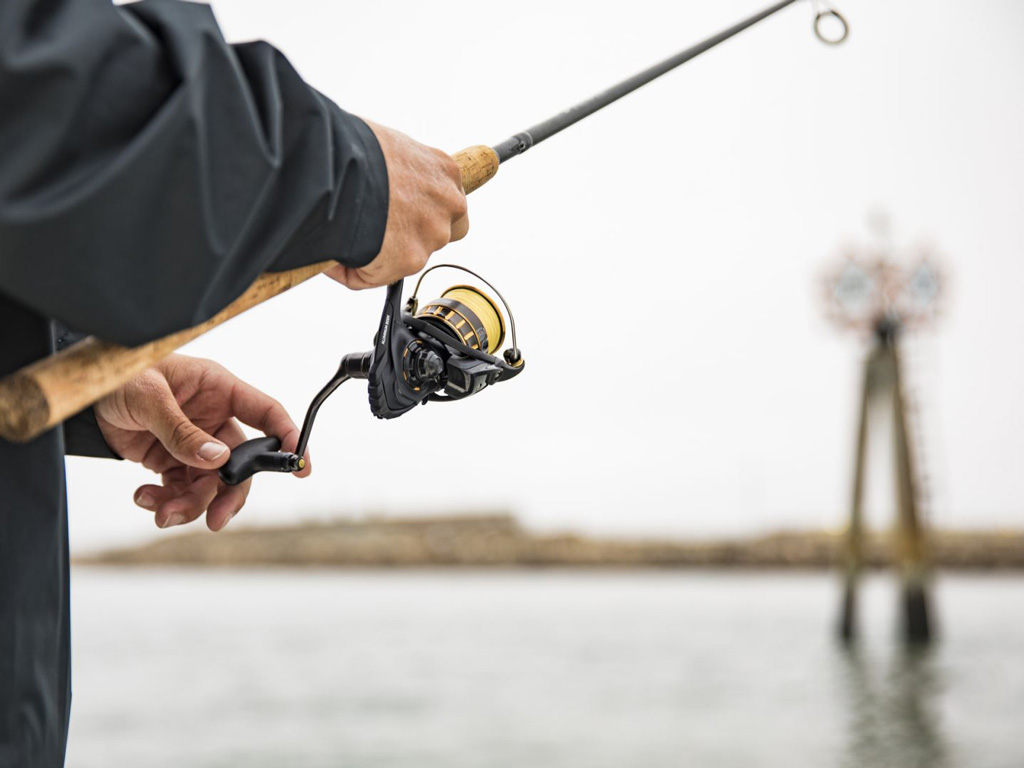
Are you ready to catch your first big fish but unsure how to use a fishing rod? You’re not alone.
Fishing might seem tricky at first, but once you learn the basics, it becomes an enjoyable and relaxing experience. This guide will walk you through every step, from holding your rod the right way to casting like a pro. By the end, you’ll feel confident and excited to get out on the water.
Keep reading, and you’ll discover simple tips that make a big difference in your fishing success.

Credit: fishgenix.com
Choosing The Right Fishing Rod
Picking the right fishing rod is important for a good fishing trip. The right rod helps you catch fish easier and enjoy the time outdoors.
There are many types of rods made from different materials. Rod length and action also matter. Knowing these can help you choose the best rod.
Types Of Fishing Rods
Fishing rods come in many types. Each type fits a different fishing style and fish size. Choose one that suits your fishing needs.
- Spinning rods: Easy to use, good for beginners
- Baitcasting rods: For accurate casting and big fish
- Fly rods: Used with light lures called flies
- Surf rods: Long rods for fishing from the beach
Materials And Construction
Fishing rods are made from different materials that affect strength and weight. Choose a rod that feels comfortable and strong.
Common materials include fiberglass and graphite. Fiberglass rods are strong and flexible. Graphite rods are light and sensitive.
- Fiberglass: Durable, good for heavy fish
- Graphite: Lightweight, sensitive for small fish
- Composite: Mix of fiberglass and graphite for balance
Rod Length And Action
Rod length affects casting distance and control. Short rods are easier to handle. Long rods cast farther but can be harder to use.
Rod action means how much the rod bends. Fast action rods bend near the tip. Slow action rods bend along the whole length.
- Short rods (5-7 feet): Good for close fishing
- Medium rods (7-9 feet): Versatile for many situations
- Long rods (9+ feet): Best for casting far
- Fast action: Sensitive and good for big fish
- Slow action: Flexible, good for small fish

Credit: fishingbooker.com
Setting Up Your Fishing Rod
Setting up your fishing rod correctly helps you enjoy fishing more. It makes casting and reeling easier.
Follow these simple steps to prepare your rod for a good fishing experience.
Attaching The Reel
Start by attaching the reel to the rod. Place the reel foot into the reel seat on the rod handle. Tighten the reel seat until the reel stays firmly in place.
Make sure the reel is straight and secure. This will help you cast better and avoid damage to your rod.
Stringing The Line
Next, thread the fishing line through the guides on the rod. Start from the tip and work your way down to the reel. Tie the line to the reel spool with a strong knot.
- Pull the line tight to remove slack
- Wind the line evenly on the reel spool
- Check for tangles or twists in the line
- Cut excess line after winding
Adding The Hook And Bait
Tie the hook to the end of your fishing line using a secure knot. Attach the bait to the hook to attract fish.
| Hook Size | Recommended Bait |
| Small (8-12) | Worms, small insects |
| Medium (4-6) | Minnows, small fish pieces |
| Large (1-3) | Large fish chunks, artificial lures |
Casting Techniques
Casting is a key skill in fishing. It helps place the bait where fish are.
There are different ways to cast your fishing rod. Each works best in different spots.
Overhead Cast
The overhead cast is the most common method. You lift the rod above your head and throw the line forward.
This cast works well in open areas with no trees or obstacles ahead.
Sidearm Cast
The sidearm cast sends the line out sideways, near the water’s surface. It is good for casting under low branches.
- Hold the rod parallel to the water
- Swing the rod sideways smoothly
- Release the line when the rod points at your target
- Practice to control distance and direction
Roll Cast
The roll cast helps when you have no room to pull the line back. It uses the water to load the rod.
| Action | Purpose |
| Lift rod tip | Prepare line on water |
| Pull rod back slightly | Load rod with energy |
| Push rod forward smoothly | Cast line forward |
| Release line at end | Send bait out |
Fishing In Different Environments
Fishing uses many techniques depending on the environment. Freshwater, saltwater, and fly fishing each require different tools and skills.
Knowing how to use your fishing rod in these settings helps you catch fish more easily and enjoy your time outside.
Freshwater Fishing
Freshwater fishing takes place in lakes, rivers, and ponds. The water is calm, and fish like bass, trout, and catfish live here.
- Use lighter rods for better control.
- Choose bait that matches local fish diets.
- Cast near structures like logs or rocks where fish hide.
- Keep your line steady to avoid scaring fish.
Saltwater Fishing
Saltwater fishing happens in oceans and seas. Fish here are bigger and stronger, like tuna and marlin.
| Rod Type | Line Strength | Common Fish |
| Heavy-duty rod | 30-50 lb test | Tuna, Marlin |
| Medium rod | 15-30 lb test | Snapper, Grouper |
| Light rod | 8-15 lb test | Sea Bass, Mackerel |
Use rods built for saltwater to resist corrosion. Strong reels help fight large fish in open water.
Fly Fishing Techniques
Fly fishing uses a special rod and line to cast light lures called flies. It works well in rivers and streams.
Key tips for fly fishing:
- Use smooth, controlled casting motions.
- Match your fly to the insects in the water.
- Watch the water carefully for fish movement.
- Keep your line loose but ready for a strike.
Handling And Reeling In
Using a fishing rod correctly helps you catch fish more easily. Good handling and reeling skills keep the fish on the line.
Learn how to set the hook, fight the fish, and land your catch safely.
Setting The Hook
When the fish bites, pull the rod up quickly to set the hook in its mouth. This action stops the fish from escaping.
Do not pull too hard or too slow. A firm and quick motion works best.
- Feel the bite on the line or rod tip
- Lift the rod sharply but controlled
- Hold the rod steady after setting the hook
Fighting The Fish
Keep the rod tip up and reel in slowly while the fish pulls on the line. This tires the fish out.
Use the drag system on your reel to control the tension. Let the fish run if it pulls hard.
- Keep steady pressure on the line
- Reel in when the fish stops pulling
- Let the fish pull line if the tension is too high
Landing The Catch
Bring the fish close to shore or boat before trying to grab it. Use a net if you have one.
Handle the fish gently to avoid injury. Remove the hook carefully and release or keep the fish properly.
- Keep the rod tip up while landing
- Use a net to scoop the fish
- Hold the fish firmly but gently
- Remove the hook with pliers or by hand

Credit: fishgenix.com
Maintenance And Care
Taking care of your fishing rod helps it last longer. Good maintenance keeps it working well every time.
Simple habits like cleaning and checking your rod can prevent damage. Store it properly to avoid problems.
Cleaning Your Rod
Clean your fishing rod after each use. Remove dirt, salt, and debris to stop rust and damage.
Use fresh water and a soft cloth. Avoid harsh chemicals that can harm the rod’s finish.
- Rinse the rod with fresh water
- Wipe it gently with a soft cloth
- Check guides and reel seat for dirt
- Dry the rod completely before storing
Storing Your Equipment
Store your fishing rod in a dry, cool place. Keep it away from direct sunlight to protect the materials.
Use rod holders or racks to keep rods straight. Avoid leaning rods against walls, which can cause bends.
- Keep rods upright on racks
- Store in a dry area to prevent moisture
- Use rod covers for extra protection
- Avoid heavy objects on top of rods
Regular Checks And Repairs
Inspect your fishing rod often for cracks or loose parts. Early repairs stop small problems from growing.
Tighten reel seats and replace worn guides. Fix or replace damaged parts to keep your rod safe to use.
- Look for cracks in the rod blank
- Check guides for cracks or bends
- Make sure reel seat is tight
- Replace damaged parts quickly
Common Mistakes To Avoid
Using a fishing rod may seem easy, but many beginners make simple mistakes. These errors can cause frustration and reduce your chances of catching fish.
Knowing what to avoid helps you enjoy fishing more and use your rod correctly. Read about common mistakes and how to prevent them.
Incorrect Casting
Many anglers cast their line too hard or too soft. This causes the bait to land in the wrong spot or tangle in the air.
Not aiming properly can scare fish away. Also, casting without checking the surroundings can lead to snagging on trees or rocks.
- Use smooth, controlled motions for casting
- Aim for open water away from obstacles
- Practice to improve accuracy and distance
Improper Line Handling
Handling your fishing line carelessly can cause knots and tangles. This wastes time and may break your line when a fish bites.
Pulling the line too hard or letting it slack can confuse the fish or cause the hook to come loose.
- Keep the line tight but not too tight
- Check regularly for knots and remove them
- Use your fingers gently to control the line
Neglecting Equipment Maintenance
Ignoring your fishing rod and reel can lead to poor performance. Dirt and rust damage your gear and shorten its life.
Regular cleaning and proper storage keep your equipment working well. This helps you fish without trouble.
- Rinse your rod and reel with fresh water after use
- Lubricate moving parts to prevent rust
- Store gear in a dry, safe place
Tips From Experienced Anglers
Fishing is a relaxing and fun activity. Using a fishing rod well takes practice and knowledge. Experienced anglers share simple tips to help you enjoy fishing more.
These tips focus on choosing the right time and place, staying patient, and learning from others. Follow these ideas to improve your fishing skills.
Choosing The Right Time And Place
Fish are more active at certain times of the day. Early morning and late afternoon are good times to fish. The weather also affects fish activity.
Pick a fishing spot where fish are likely to be. Look for areas with plants, rocks, or shade in the water. These places often have more fish.
- Fish like cooler water in warm weather
- Cloudy days can be better for fishing
- Try fishing near underwater structures
Patience And Persistence
Fishing needs patience because fish do not always bite right away. Stay calm and keep trying. Moving your bait slowly helps attract fish.
Sometimes you need to change your spot or bait. Do not give up if you do not catch fish quickly. Keep practicing and enjoy the time outside.
- Wait quietly for the fish to bite
- Try different baits if one does not work
- Change spots after some time without bites
Learning From Others
Watch and listen to experienced anglers. They have useful tips on how to use a fishing rod well. You can learn new tricks from them.
Join fishing groups or clubs to share ideas. Asking questions helps you avoid common mistakes. Learning from others speeds up your skill growth.
- Observe how others cast their rods
- Ask about their favorite fishing spots
- Share your own fishing stories
Frequently Asked Questions
How Do I Choose The Right Fishing Rod?
Selecting a fishing rod depends on the type of fish and fishing style. Consider rod length, power, and action. Lightweight rods suit small fish, while heavier rods handle larger catches. Match the rod with your reel and fishing environment for the best experience.
What Is The Correct Way To Cast A Fishing Rod?
Hold the rod firmly, release the line smoothly, and flick your wrist forward. Timing is key to avoid tangles. Practice the motion to improve accuracy and distance. Always cast in an open area to ensure safety and better control.
How Do I Maintain And Clean My Fishing Rod?
Rinse your rod with fresh water after each use to remove dirt and salt. Dry it thoroughly to prevent rust. Check guides and reel seats regularly for damage. Store the rod in a cool, dry place to extend its lifespan.
When Should I Use Different Fishing Rod Actions?
Fast action rods bend near the tip and are good for quick hook sets. Medium action rods offer versatility for various fish sizes. Slow action rods bend throughout the length, ideal for gentle presentations and small fish. Choose based on your fishing needs.
Conclusion
Using a fishing rod well takes practice and patience. Start with simple casts and learn how to feel the bite. Keep your gear ready and check your line often. Enjoy the quiet moments by the water. Fishing can be fun and relaxing.
With time, you will get better and catch more fish. Remember, every trip teaches something new. So grab your rod, head out, and enjoy the experience. Fishing is about more than just catching fish—it’s about the joy of the outdoors.