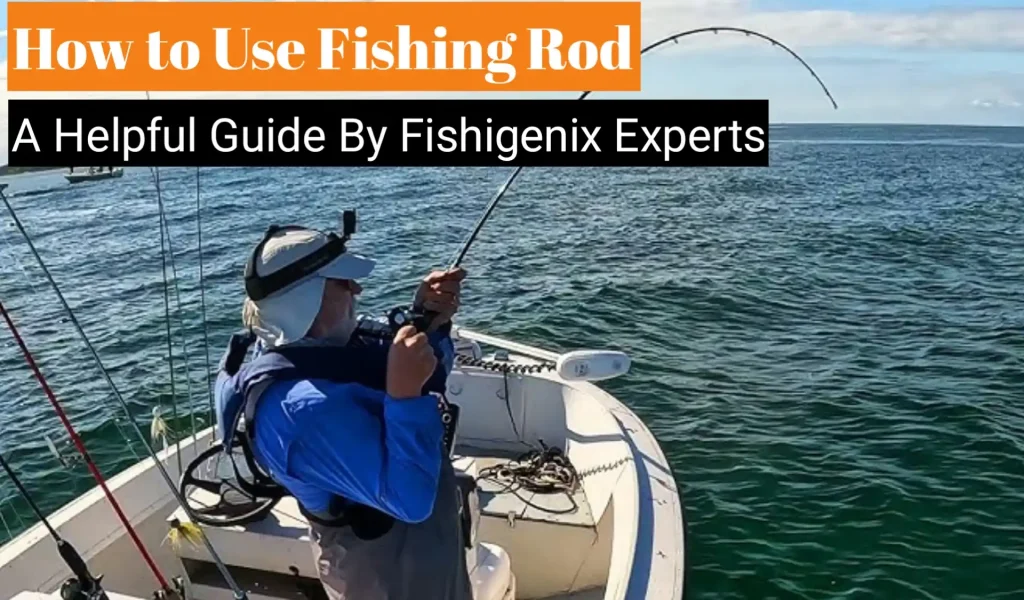
Are you ready to catch your next big fish but unsure how to use a fishing rod properly? You’re not alone.
Mastering the basics of handling your fishing rod can turn a frustrating day by the water into an exciting, rewarding experience. This guide will walk you through simple, clear steps to help you cast like a pro, reel in smoothly, and enjoy every moment of fishing.
Keep reading, and you’ll soon feel confident and ready to make the most of your time on the water.

Credit: fishgenix.com
Choosing The Right Rod
Choosing the right fishing rod is important for a good fishing experience. The rod helps you catch fish easier and makes fishing fun.
There are many types of rods and materials. Picking one depends on the fish you want to catch and where you will fish.
Types Of Fishing Rods
Fishing rods come in many types. Each type is good for different fishing styles and places.
- Spinning rods: Easy to use, good for beginners.
- Baitcasting rods: Good for accuracy and heavy lures.
- Fly rods: Made for fly fishing with light lures.
- Trolling rods: Used for fishing from boats moving slowly.
Matching Rod To Fish Species
Different fish need different rods. Small fish need light rods. Big fish need strong, heavy rods.
Match the rod’s strength and length to the size and fight of the fish you want.
- Light rods: Best for small fish like trout or panfish.
- Medium rods: Good for bass and similar-sized fish.
- Heavy rods: Use for big fish like catfish or pike.
Rod Materials And Build
Fishing rods are made from different materials. Each material changes the rod’s weight and strength.
Common materials include fiberglass, graphite, and composite blends. The build affects how the rod feels and performs.
- Fiberglass rods: Durable and flexible, good for beginners.
- Graphite rods: Light and sensitive, good for feeling bites.
- Composite rods: Mix of fiberglass and graphite, balanced strength.

Credit: fishingbooker.com
Essential Fishing Gear
Fishing requires the right gear to enjoy your time and catch fish. Using good tools helps you fish safely and easily.
This guide explains what fishing gear you need. It covers reels, lines, and important accessories.
Selecting The Best Reel
The reel holds and lets out the fishing line. Choose a reel that fits your fishing style and skill.
Spinning reels are good for beginners. Baitcasting reels work well for more control. Make sure the reel is smooth and strong.
Picking The Right Line
The fishing line must match the reel and fish type. Lines differ by strength and material.
- Monofilament lines are cheap and stretch well.
- Fluorocarbon lines are hard to see underwater.
- Braid lines are strong and thin for long casts.
Must-have Accessories
| Accessory | Use | Reason |
|---|---|---|
| Hooks | Catch fish | Different sizes for fish types |
| Sinkers | Weight line | Help line go deeper |
| Bobbers | Float on water | Show when fish bite |
| Swivels | Connect line parts | Prevent line twist |
Setting Up Your Rod
Setting up your fishing rod correctly is important for a good fishing experience. This guide will help you attach the reel, spool the line, and tie strong knots.
Follow these steps carefully to prepare your rod and get ready to fish.
Attaching The Reel
First, place the reel foot into the reel seat on the rod. Tighten the reel seat collar to hold the reel firmly. Make sure the reel is secure and does not wobble.
Spooling The Line
Spooling the line onto the reel needs care to avoid twists and tangles. Keep the line tight as you wind it evenly on the spool.
- Attach the line to the spool with an arbor knot.
- Hold the line tight with your fingers.
- Turn the reel handle slowly to spool the line.
- Fill the spool to about 1/8 inch from the edge.
- Cut the line and thread it through the rod guides.
Tying Secure Knots
Tying strong knots is key to keeping your line and lure connected. Use knots that are easy to tie and hold well under pressure.
| Knot Name | Use | Notes |
|---|---|---|
| Improved Clinch Knot | Attaching line to hook or lure | Strong and simple to tie |
| Palomar Knot | Connecting line to hook or swivel | Very strong and reliable |
| Loop Knot | Allowing lure to move freely | Good for live bait or soft lures |
Casting Techniques
Casting is an important skill for fishing with a rod. Good casting helps you place the bait where fish are likely to bite. Learning different techniques improves your chances of catching fish.
This guide covers basic casting methods, tips to improve accuracy, and how to handle different casting situations.
Basic Casting Methods
The most common casting methods include the overhead cast, sidearm cast, and roll cast. Each method works best in different environments and situations.
- Overhead Cast:Hold the rod with both hands and bring it over your shoulder before releasing the line forward.
- Sidearm Cast:Swing the rod sideways, parallel to the water, to avoid obstacles above you.
- Roll Cast:Use this when there is little room behind you. The line rolls forward onto the water smoothly.
Improving Accuracy
Accurate casting helps place your bait exactly where you want. Focus on your target and control the rod’s movement carefully.
| Tip | Description |
| Watch Your Target | Keep your eyes on the spot you want to cast to. |
| Control Your Speed | Use smooth, steady movements to avoid overshooting. |
| Practice Timing | Release the line at the right moment for better placement. |
| Use Light Lures | Lighter lures are easier to cast accurately. |
Handling Different Casting Situations
Different fishing spots need different casting styles. You may face wind, tight spaces, or nearby trees and bushes.
- Windy Conditions:Use heavier lures and cast low to reduce wind effect.
- Tight Spaces:Use sidearm or roll casts to avoid hitting obstacles.
- Long Distance:Use a full overhead cast with more power.
- Close Range:Make short, gentle casts to avoid spooking fish.
Hooking And Landing Fish
Using a fishing rod to hook and land fish needs patience and skill. You must pay close attention to your line and rod.
This guide explains how to detect bites, set the hook, and reel in successfully.
Detecting Bites
Watch your fishing rod tip carefully for any sudden movements. A fish bite often causes a quick twitch or pull on the line.
You can also feel a slight tug on the rod handle. Stay alert and keep the line tight to notice these signs.
Setting The Hook
Once you detect a bite, pull the rod back firmly to set the hook in the fish’s mouth. Do this quickly but smoothly.
A strong hook set helps keep the fish on the line. Avoid jerking too hard or too soft to prevent losing the fish.
Reeling In Successfully
After setting the hook, start reeling in the fish steadily. Keep tension on the line to avoid slack.
If the fish pulls hard, let it run by loosening the drag slightly. Reel back when the fish tires to bring it closer.
- Keep the rod tip up to reduce line slack
- Use smooth, steady reeling motions
- Adjust drag to control the fish’s pull
- Be patient and avoid rushing the process
Maintenance Tips
Taking care of your fishing rod keeps it working well for many trips. Regular maintenance helps avoid damage and costly repairs.
Simple cleaning and storage habits can increase your rod’s life. Fixing small problems early saves time and money.
Cleaning Your Rod And Reel
Clean your rod and reel after each use to remove dirt and salt. Use fresh water and a soft cloth for best results.
Dry the equipment well before storing it to stop rust and corrosion. Check the reel for sand and debris.
- Rinse rod and reel with fresh water
- Wipe down with a soft cloth
- Use mild soap if needed
- Dry completely before storage
- Lubricate reel parts monthly
Storing Equipment Properly
Store your fishing rod in a dry place away from direct sunlight. Keep it straight or hanging to avoid bending.
Use rod holders or racks to keep rods separated. Avoid leaning rods against walls for long periods.
- Store rods vertically or horizontally with support
- Keep away from heat and moisture
- Cover reels to protect from dust
- Loosen drag on reels before storage
Troubleshooting Common Issues
If your reel feels rough, check for dirt or old grease inside. Clean and apply new lubricant to fix it.
Lines that tangle often may need replacement or better spooling. Check guides for cracks that can cut the line.
- Clean and lubricate reel parts regularly
- Replace fishing line if worn or tangled
- Inspect guides for damage or cracks
- Tighten loose parts on rod and reel
- Adjust reel drag to prevent line breakage
Safety And Etiquette
Fishing is a fun and relaxing activity. It is important to follow safety rules and be polite. This helps protect nature and keeps everyone safe.
Knowing how to handle fish, respect rules, and stay safe outdoors makes fishing better for all.
Handling Fish Responsibly
Handle fish with care to avoid harm. Wet your hands before touching fish. This protects their skin and scales. Use a gentle grip and do not squeeze tightly.
- Use barbless hooks to reduce injury.
- Remove hooks quickly and carefully.
- Release fish back into the water promptly.
- If keeping fish, store them properly on ice.
Respecting Fishing Regulations
Follow local fishing laws to protect fish populations. These rules help keep fish healthy for future fishing trips.
| Regulation | Purpose | Example |
| Fishing License | Control fishing activity | Buy before fishing |
| Size Limits | Protect young fish | Catch only large fish |
| Bag Limits | Prevent overfishing | Catch set number per day |
| Closed Seasons | Allow fish to breed | No fishing in spring |
Staying Safe Outdoors
Fishing outdoors can be safe with a few simple steps. Always prepare before you go fishing.
- Wear a life jacket near water.
- Use sunscreen to protect your skin.
- Bring enough water and snacks.
- Tell someone your fishing plans.
- Watch the weather and leave if it changes.

Credit: fishingbooker.com
Frequently Asked Questions
How Do I Choose The Right Fishing Rod?
Choose a rod based on the fish type and water conditions. Consider rod length, power, and action for best results.
What Is The Correct Way To Hold A Fishing Rod?
Hold the rod firmly with your dominant hand. Place the reel seat facing down for better control and balance.
How Do I Cast A Fishing Rod Properly?
Pull the rod tip back smoothly, then flick it forward with controlled speed. Release the line at the right moment.
How Do I Maintain My Fishing Rod?
Rinse your rod with fresh water after each use. Store it in a dry place to prevent damage and rust.
Conclusion
Fishing with a rod can be fun and rewarding. Start with the basics. Practice casting techniques regularly. Choose the right rod for your fishing type. Pay attention to the water conditions and fish behavior. Be patient and enjoy the process.
Learn from each fishing trip. Talk to experienced anglers for tips. Keep safety in mind while fishing. Use the right bait for better results. Fishing is a relaxing activity, perfect for spending time outdoors. With practice, you will improve your skills.
Soon, you will catch more fish and create lasting memories.