
Are you planning a kitchen renovation or simply replacing your old dishwasher? One crucial detail you need to consider is the width of the dishwasher opening.
It’s more important than you might think. Imagine this: you purchase a brand-new dishwasher, only to find it doesn’t fit into your kitchen’s allotted space. Frustrating, right? Understanding the standard dimensions can save you time, money, and a whole lot of hassle.
You’ll discover the exact measurements you need to know and how to ensure a perfect fit for your new appliance. Stick around and you’ll be a step ahead in your kitchen planning journey.
Standard Dishwasher Opening Sizes
Knowing the standard dishwasher opening sizes helps you avoid installation headaches. Whether you’re replacing an old unit or fitting a new one, the opening must match the dishwasher’s dimensions closely. This ensures a smooth fit and proper operation without awkward gaps or tight squeezes.
Common Width Measurements
Most dishwashers fit into openings that are about 24 inches wide. This size is the most popular and works well for standard kitchen cabinets. However, if you have a smaller kitchen or limited space, 18-inch wide dishwashers are also available.
Keep in mind, the opening width should be slightly larger than the dishwasher’s width for easy installation. For example, if your dishwasher is 23.5 inches wide, aim for an opening of 24 inches or a bit more. This extra space allows for adjustments and ventilation.
- Standard dishwasher width: 24 inches
- Compact dishwasher width: 18 inches
- Opening width recommendation: At least 0.5 inches wider than the dishwasher
Height And Depth Considerations
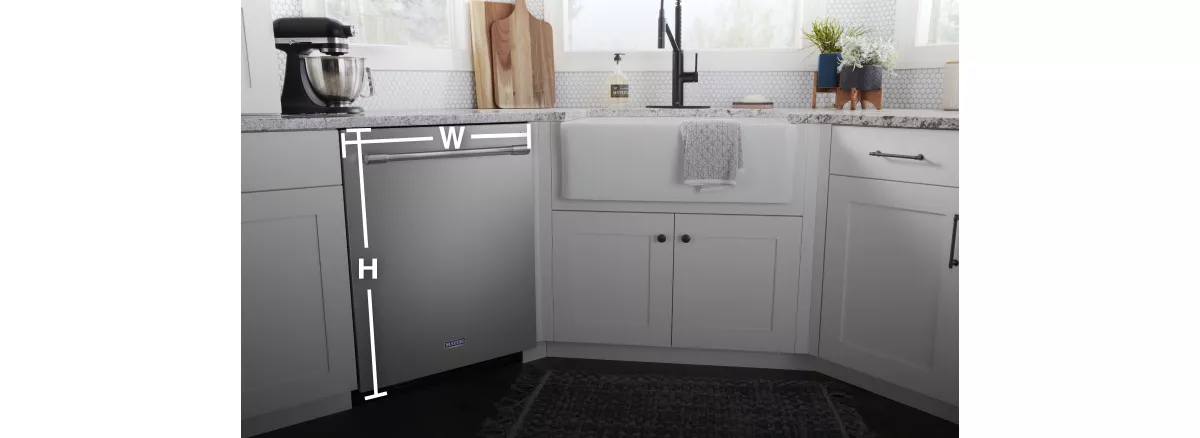
The height of a dishwasher opening typically ranges between 33.5 and 35 inches. This range fits most full-size dishwashers and allows room for leveling legs. If your opening is too short, the dishwasher may not fit or could sit unevenly.
Depth is another factor to watch. Most dishwashers need about 24 inches of depth from the front of the cabinet to the back wall. Some newer models might be slightly deeper, so measuring your space carefully is key.
Do you know the exact height and depth of your cabinet opening? Measuring these dimensions before shopping saves time and avoids returns.
Credit: www.maytag.ca
Measuring Your Kitchen Space
Measuring your kitchen space accurately is key to fitting a dishwasher correctly. A precise measurement helps avoid buying a dishwasher that is too big or too small. It ensures the appliance fits well without causing installation issues. Taking careful measurements also saves time and money by preventing returns or modifications.
Focus on the width, height, and depth of the opening where the dishwasher will go. Also, consider any cabinets or obstacles nearby. Clear space allows the dishwasher door to open fully and operate smoothly.
Tools Needed For Accurate Measurement
- Tape measure with clear markings
- Notepad and pen to write down numbers
- Level to check even surfaces
- Flashlight to see in dark corners
- Helper to hold the tape measure if needed
Step-by-step Measuring Process
- Start by measuring the width of the opening from left to right.
- Measure the height from the floor to the bottom of the countertop.
- Check the depth from the front edge to the back wall.
- Note any baseboards or trim that may reduce space.
- Use the level to ensure the floor is flat and even.
- Write down all measurements clearly and double-check them.
- Compare your numbers to dishwasher size options before buying.
Types Of Dishwashers And Their Dimensions
Understanding the different types of dishwashers and their dimensions is key when planning your kitchen space. Each type offers unique features and comes with specific size requirements. Knowing these details helps you choose a dishwasher that fits perfectly and functions efficiently in your home.
Built-in Dishwashers
Built-in dishwashers are the most common type found in kitchens. They usually fit under the countertop and slide into a designated space. The standard opening width for these dishwashers is about 24 inches, but some compact models measure around 18 inches wide.
If you have a smaller kitchen, an 18-inch built-in dishwasher might be the right choice. The key is to measure your cabinet opening carefully before purchasing. Have you checked if your kitchen can accommodate the standard 24-inch width?
Portable And Compact Models
Portable dishwashers offer flexibility since they can be moved and connected to your kitchen faucet when needed. Their openings tend to be smaller, often around 17 to 20 inches wide. Compact models, designed for tight spaces or single users, can be even narrower.
These models are great if you rent or don’t want to make permanent kitchen changes. Keep in mind that their smaller size means fewer dishes per load. Would a portable dishwasher work better for your lifestyle and space constraints?
Drawer Dishwashers
Drawer dishwashers are a modern alternative, featuring one or two pull-out drawers instead of a traditional door. Each drawer typically requires an opening width of about 24 inches. These dishwashers fit well in kitchens where space is limited vertically but sufficient horizontally.
They allow you to run smaller loads more often, saving water and energy. Consider if having two separate drawers to wash different types of dishes appeals to you. How might this setup change your daily kitchen routine?
Factors Affecting Dishwasher Fit
Understanding the factors that affect how well your dishwasher fits into its opening is key to avoiding installation headaches. A dishwasher might seem like a standard appliance, but the space where it goes can vary a lot based on several elements. Knowing these factors helps you choose the right model and prepare your kitchen for a smooth fit.
Cabinet Design And Material
Your kitchen cabinet’s design directly impacts the dishwasher opening. Cabinets made from solid wood or MDF might have thicker walls, which reduce the available width. On the other hand, metal cabinets or thinner plywood might offer a bit more wiggle room.
Also, consider whether your cabinets have decorative moldings or trim around the dishwasher space. These details can narrow the opening unexpectedly, causing a tight fit. Have you measured the exact width inside the cabinet, not just the outer dimensions? It’s a step many skip but can save you from surprises.
Plumbing And Electrical Constraints
Space behind and underneath the dishwasher is crucial for plumbing and electrical connections. Pipes and wires need room to run without being crammed, which can limit the dishwasher’s placement.
For example, older homes might have plumbing set closer to the cabinet walls, reducing the depth available. Electrical outlets positioned awkwardly can also block easy installation. Have you checked if your water supply and power outlets align with the dishwasher’s connection points?
Planning for these constraints early means you won’t have to modify your kitchen later, which often costs more and causes delays.
Tips For Ensuring A Perfect Fit
Getting the perfect fit for your dishwasher opening is crucial to avoid installation headaches and ensure smooth operation. A dishwasher that’s too tight or too loose can cause damage or look awkward in your kitchen. Here are practical tips to help you measure and adjust your space effectively for a flawless installation.
Allowing For Clearance Space
Dishwashers need extra room beyond their stated width to fit comfortably and allow for door movement. Aim to leave at least a half-inch gap on each side of the appliance. This space prevents rubbing against cabinets and makes it easier to slide the dishwasher in and out during installation or maintenance.
Think about the door swing too—does your kitchen layout allow the dishwasher door to open fully without hitting obstacles? Sometimes a little clearance at the front or side can make daily use much smoother.
Adjustable Mounting Brackets
Many modern dishwashers come with adjustable mounting brackets to help align the appliance perfectly within your cabinetry. These brackets let you tweak the position slightly, compensating for minor measurement errors or uneven flooring. Using them can save you from costly cabinet modifications.
Check if your model’s brackets allow height, depth, and lateral adjustments. Small shifts can make a big difference in achieving a snug yet flexible fit that won’t strain your dishwasher’s connections.
Custom Cabinet Modifications
If your dishwasher opening is unusually sized, custom cabinet work might be necessary. Trimming or reshaping cabinets can create just enough extra space to fit your appliance without forcing it in.
Consider consulting a carpenter if the gap is too narrow or uneven. In some cases, removing a cabinet panel or adjusting shelving nearby can provide the clearance you need. Would you rather invest time and effort in modifications or pick a dishwasher that fits your existing space?
Common Installation Mistakes To Avoid
Installing a dishwasher might seem simple but often leads to mistakes. These errors cause poor fit, leaks, or poor performance. Avoiding common installation mistakes saves time and money. Pay close attention to key details before starting the job.
Incorrect Measurements
Taking wrong measurements ruins dishwasher installation. The opening must match the dishwasher size exactly. Too tight, and the door won’t open fully. Too loose, and the dishwasher looks unprofessional. Measure width, height, and depth carefully. Double-check measurements before buying or installing. Use a tape measure and note all dimensions. Remember, standard dishwasher openings are usually 24 inches wide.
Ignoring Ventilation Needs
Dishwashers need proper ventilation to work well. Without airflow, heat and moisture build up inside cabinets. This causes mold and damages wood. Leave enough space around the dishwasher for air circulation. Check manufacturer guidelines for ventilation clearances. Never block vents or air gaps. Proper ventilation extends the dishwasher’s life and keeps your kitchen fresh.
Upgrading Or Replacing Your Dishwasher
Upgrading or replacing your dishwasher is more than just picking a new model off the shelf. It involves careful measurement and planning to ensure the new appliance fits perfectly into your kitchen space. Understanding the width of your dishwasher opening is key to a smooth installation without unexpected issues.
Matching New Units To Existing Openings
Most standard dishwasher openings are about 24 inches wide. However, some kitchens have narrower or custom-sized spaces. Before buying, measure the width, height, and depth of your current opening carefully.
Look for dishwasher models that match these dimensions. This saves you from costly modifications. Also, keep in mind the clearance needed for door swings and hoses.
Have you checked the exact measurements of your current space recently? Sometimes, cabinets shift or walls aren’t perfectly square, affecting fit.
When To Modify Cabinetry
If your new dishwasher is wider or taller than your existing opening, you might need to adjust the cabinetry. This could involve trimming cabinet edges, moving shelves, or even altering the countertop.
Before starting any modifications, consider the cost and effort. Sometimes, a slightly different size dishwasher that fits the existing space is a better choice. If you love a specific model that requires changes, weigh the benefits carefully.
Do you have the tools and skills to make these changes, or will you need a professional? Planning ahead prevents surprises during installation.

Credit: www.aphome.com
Credit: www.maytag.com
Frequently Asked Questions
What Is The Standard Dishwasher Opening Width?
The standard dishwasher opening width is typically 24 inches. This size fits most built-in dishwashers. Always measure your space before purchasing to ensure compatibility. Some compact models may require smaller openings.
How To Measure Dishwasher Opening Width Accurately?
Use a tape measure to check the width between cabinet edges. Measure from left to right where the dishwasher will fit. Ensure the surface is level and free of obstructions for precise measurement.
Can Dishwasher Openings Vary By Brand Or Model?
Yes, dishwasher opening widths can vary slightly by brand and model. Most adhere to the 24-inch standard, but some compact or specialty units differ. Always check manufacturer specifications before buying.
Why Is Dishwasher Opening Size Important?
Proper opening size ensures your dishwasher fits securely and operates efficiently. An incorrect width can cause installation issues or damage. Measuring accurately avoids costly modifications and guarantees optimal performance.
Conclusion
Dishwasher openings usually measure around 24 inches wide. This size fits most standard dishwashers in homes. Knowing the exact width helps when buying or installing. Make sure to measure your space carefully before purchase. A good fit ensures easy installation and smooth operation.
Remember, some models may vary slightly in size. Measure twice, buy once. This simple step saves time and hassle later. Understanding dishwasher openings makes kitchen planning easier. Keep these points in mind for a better kitchen setup.