Are you planning to upgrade your kitchen with a new dishwasher but feeling puzzled about finding the right size? You’re not alone.
Many people find themselves wondering, “How wide is a dishwasher? ” Knowing the exact width is crucial because it ensures a perfect fit in your kitchen space, eliminating the hassle of returns or adjustments. Imagine the peace of mind you’ll have when you pick a dishwasher that slides seamlessly into place.
You will uncover everything you need to know about dishwasher sizes, helping you make a confident and informed decision. Stay tuned to discover the key to a stress-free kitchen upgrade.
Standard Dishwasher Widths
Knowing the standard dishwasher widths is essential when planning your kitchen layout or replacing an old appliance. Dishwashers come in a variety of sizes, but most fit within a few common width categories. Understanding these sizes can help you avoid costly mistakes and ensure a perfect fit for your space.
Common Sizes Available
Dishwashers typically fall into three main width categories. The most popular size is the full-size dishwasher, designed to fit standard kitchen cabinets. Compact models are smaller and perfect for tight spaces or small households. There are also slimline options that sit between compact and full-size, but these are less common.
- Full-Size Dishwashers: Around 24 inches wide
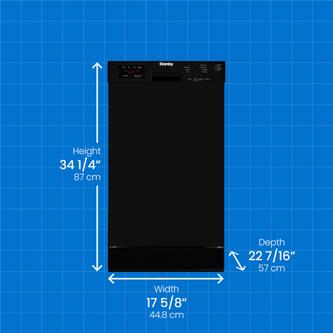
- Compact Dishwashers: Around 18 inches wide
- Slimline Dishwashers: Approximately 20-22 inches wide
Dimensions Of Full-size Dishwashers
Full-size dishwashers are the go-to choice for most homes. They typically measure about 24 inches in width, 24 inches in depth, and 35 inches in height. This size offers enough space to clean a large load of dishes, making it ideal if you cook often or have a family.
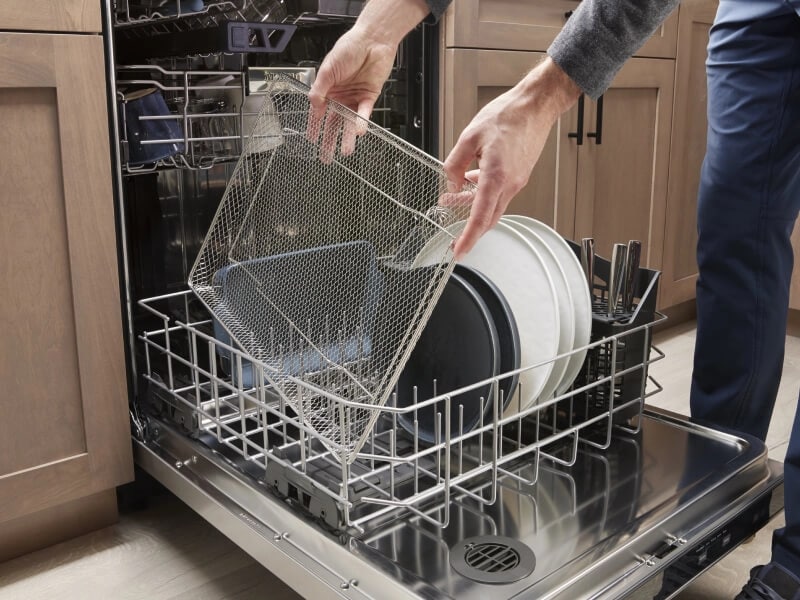
If you’ve ever tried fitting a dishwasher into a non-standard cabinet space, you know how frustrating it can be. Sticking to full-size units for standard cabinetry saves you from guesswork and extra remodeling. Plus, many models come with adjustable racks and flexible loading options to maximize space.
Compact Dishwasher Widths
If you live in a small apartment or have limited kitchen space, compact dishwashers can be a lifesaver. These units usually measure around 18 inches wide, making them easier to fit in tight spots. They’re perfect for singles or couples who don’t generate a large volume of dishes.
Keep in mind that while compact dishwashers save space, they also have a smaller capacity. Ask yourself: How often do you cook at home? If you frequently entertain guests, a compact model might mean more frequent runs. Choosing the right size depends on your lifestyle and kitchen space.
Credit: www.maytag.com
Measuring For Your Kitchen
Measuring for your kitchen is a key step before buying a dishwasher. Precise measurements help ensure the dishwasher fits well without issues. It avoids costly mistakes and makes installation smoother.
Take your time to measure carefully. Consider all parts of the space where the dishwasher will go. This helps you choose the right size and style for your kitchen layout.
How To Measure Your Space
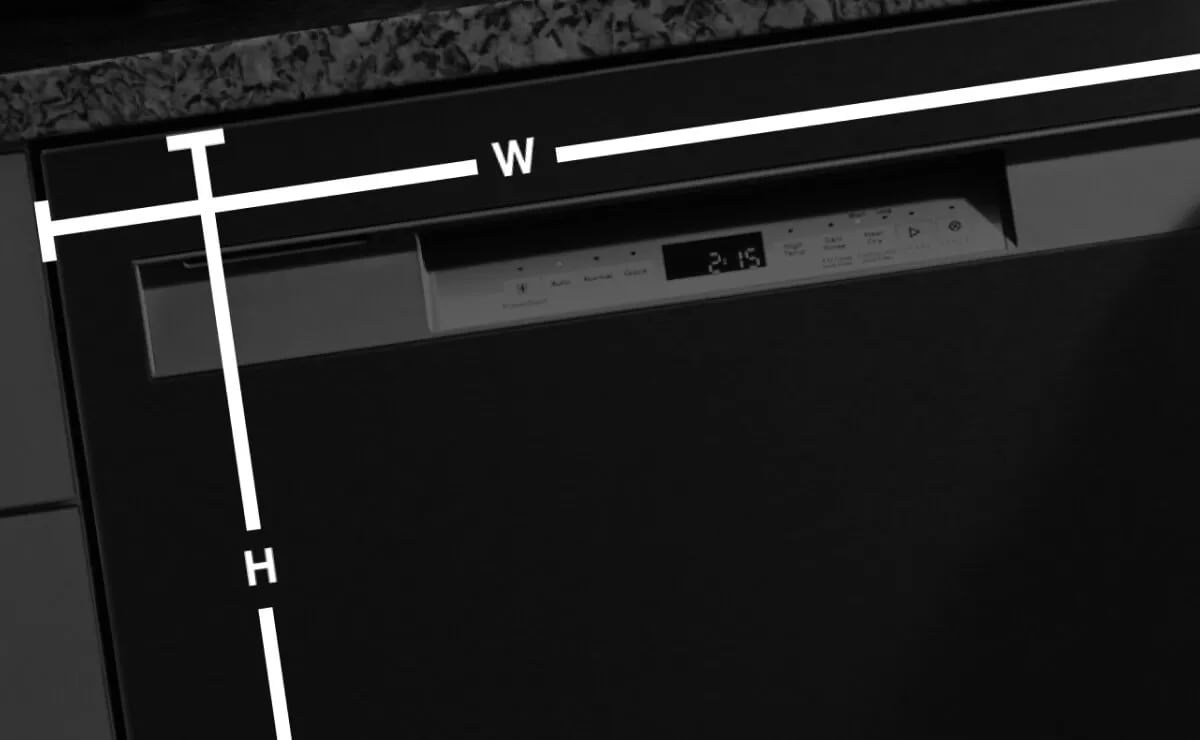
Start by measuring the width, height, and depth of the area for the dishwasher. Use a tape measure for accuracy. Measure from wall to wall and from floor to countertop.
Write down your measurements. Double-check to avoid errors. Remember, dishwasher sizes can vary, so exact numbers matter.
Accounting For Cabinet And Countertop
Check the space under the countertop where the dishwasher will sit. Cabinets or drawers nearby may limit space. Measure the distance between cabinets to ensure a good fit.
Note the thickness of the countertop. Some countertops extend slightly, reducing the available height. Take these details into account when measuring depth and height.
Allowing Space For Door Clearance
Dishwasher doors need room to open fully. Measure extra space in front of the dishwasher for door clearance. Consider any nearby obstacles like cabinets, islands, or walls.
Allow at least 24 inches of clearance for the door to open comfortably. This prevents damage and makes loading and unloading easier.
Choosing The Right Dishwasher Size
Choosing the right dishwasher size is key for an efficient kitchen. The dishwasher should fit your household needs and kitchen space. A well-sized dishwasher saves water, energy, and time. It also keeps your kitchen organized and clutter-free.
Matching Capacity To Household Needs
Dishwasher capacity varies by the number of place settings it can hold. Small dishwashers fit 6 to 8 place settings. Medium ones hold 10 to 12. Large dishwashers can handle 14 or more. Consider how many people live in your home. Think about how often you cook and entertain. Choose a size that matches your daily dish volume. Avoid buying one too large or too small.
Balancing Size With Kitchen Layout
Measure your kitchen space carefully before buying. Standard dishwashers are usually 24 inches wide. Compact models are about 18 inches wide. Make sure the dishwasher door can open fully. Check if there is enough room for installation and plumbing. A dishwasher that fits well maintains kitchen flow. It keeps cooking and cleaning areas accessible.
Considering Built-in Vs Portable Options
Built-in dishwashers install under the countertop. They offer a permanent, sleek look. Portable dishwashers can move and connect to the sink. They are ideal for small kitchens or rentals. Built-in models come in standard sizes. Portable ones tend to be smaller and lighter. Think about your kitchen setup and flexibility needs. Choose the option that fits your lifestyle best.
Credit: www.maytag.com
Impact Of Dishwasher Width On Performance
The width of a dishwasher plays a key role in how well it performs daily tasks. A wider dishwasher often means more space for dishes, but it also affects other important factors. Understanding the impact of dishwasher width can help you choose the right model for your kitchen and needs.
Loading Flexibility
Wider dishwashers offer more room inside. This extra space allows you to load bigger pots and pans easily. You can also fit more plates and cups without stacking them tightly. Narrow models may limit the types of dishes you can clean in one cycle. Flexible racks and adjustable shelves often come with wider dishwashers to help organize your items better.
Energy And Water Efficiency
The size of the dishwasher affects its energy and water use. Larger dishwashers use more water to clean a full load. They may also consume more electricity to heat the water and run longer cycles. Smaller models often use less water and energy but can require more cycles for many dishes. Choosing the right width balances efficiency with your cleaning needs.
Noise Levels And Installation
Dishwasher width influences noise and where you can install it. Wider models might have bigger motors, which can create more noise. Compact dishwashers tend to be quieter due to smaller parts. Installation space is important too. Make sure your kitchen area can fit the dishwasher width comfortably. Proper fitting helps reduce noise and improve dishwasher stability during use.
Custom And Specialty Dishwasher Sizes
Not every kitchen fits the standard dishwasher size, which is why custom and specialty dishwasher sizes have become popular. These options cater to unique spaces and specific needs, making dishwashing easier without compromising on efficiency. Whether you live in a compact apartment or run a busy restaurant, there’s a dishwasher designed to fit your requirements.
Slimline Models For Small Spaces
Slimline dishwashers are perfect if your kitchen is tight on space. Usually about 18 inches wide, these models fit under smaller counters, saving valuable room. Despite their narrow width, many still offer multiple wash cycles and decent capacity, making them a smart choice for singles or couples.
If you’ve ever struggled to find a dishwasher that fits your tiny kitchen nook, you know how frustrating it can be. Slimline models can be the answer, giving you the convenience of a dishwasher without needing a full-sized appliance.
Drawer Dishwashers
Drawer dishwashers break away from the traditional front-load design. They slide out like a drawer, allowing you to load dishes at waist level, which reduces bending. These units often come in single or double drawers, letting you run smaller loads without wasting water or energy.
Think about how often you run half-full dishwashers. Drawer models allow you to wash just one drawer at a time, which is a huge energy saver. They also fit seamlessly into modern kitchens, blending in with cabinetry for a sleek look.
Commercial And Oversized Units
If you host large family gatherings or run a small café, commercial or oversized dishwashers might be what you need. These units can be 24 inches wide or more but are built to handle much larger loads quickly and efficiently. Their robust features include faster wash cycles and heavy-duty racks.
I once helped a friend upgrade her kitchen with a commercial dishwasher, and she was amazed at how much time she saved after dinner parties. The bigger size wasn’t just about capacity—it was about making cleanup faster and less stressful.

Credit: whiterosetools.com
Installation Tips For Different Sizes
Installing a dishwasher that fits perfectly is key to both its performance and your kitchen’s look. Different dishwasher widths require slightly different preparation and setup to avoid common pitfalls. Let’s look at practical tips that help you install dishwashers of various sizes smoothly and securely.
Preparing The Space
Measure the width of your dishwasher and compare it to the available cabinet opening. Standard dishwashers are usually 24 inches wide, but compact models can be 18 inches or less. Make sure you leave some clearance—about 1/4 inch on each side—to allow for easy installation and door movement.
Remove any baseboards or trim that might interfere with the dishwasher’s placement. If your dishwasher is wider than the opening, consider adjusting the cabinetry or opting for a slimline model. Have you checked for any obstacles behind the cabinet walls that might block water or electrical connections?
Electrical And Plumbing Considerations
Dishwashers need a dedicated electrical outlet with proper grounding. Check that your circuit can handle the dishwasher’s power requirements, usually around 120 volts. If you’re installing a smaller or larger model, confirm if the electrical setup remains compatible.
For plumbing, ensure the water supply valve is close enough and in good condition. The drain hose should be routed to avoid kinks or sharp bends, which can cause leaks or drainage issues. If you’re unsure about the connections, consulting a professional plumber can save you headaches later.
Securing And Leveling The Dishwasher
Once the dishwasher is slid into place, secure it firmly to prevent shifting during use. Most dishwashers come with mounting brackets that attach to the countertop or side cabinets. Use these to keep your appliance stable, especially if your model is heavier or wider than standard.
Leveling is crucial for proper operation and to avoid water pooling inside. Use a spirit level on the front and sides, adjusting the feet until everything is even. Have you noticed any gaps between the dishwasher and cabinetry? Filling those with trim or filler strips improves both appearance and function.
Popular Brands And Their Size Options
Popular dishwasher brands offer different size options to fit various kitchens. Sizes range to suit small apartments or large family homes. Understanding these options helps you pick the best fit.
Each brand focuses on width variations to meet different space needs. Some brands offer compact models around 18 inches wide. Others provide standard sizes near 24 inches wide. A few even have wider models for extra capacity.
Brand Comparison By Width
| Brand | Common Widths | Notes |
|---|---|---|
| Bosch | 18″, 24″ | Known for quiet operation and energy efficiency. |
| Whirlpool | 24″, 27″ | Wide range of models, focus on reliability. |
| Samsung | 24″ | Modern designs with smart technology. |
| KitchenAid | 24″, 30″ | High-end features for serious cooks. |
| GE | 18″, 24″ | Affordable options with solid performance. |
Unique Features By Size
- Compact 18-inch models fit tight spaces and small kitchens.
- Standard 24-inch models offer full capacity for families.
- Wider models (27-30 inches) provide extra loading space.
- Smaller units often have faster cycles for quick cleaning.
- Larger units include adjustable racks and specialized wash zones.
Warranty And Support
Most popular brands offer a 1-year limited warranty. Some extend coverage to parts and labor for longer periods. Customer support varies by brand but usually includes phone and online help.
Check for authorized service centers near your location. Many brands offer extended warranty plans at extra cost. Reading reviews helps gauge the quality of support offered.
Frequently Asked Questions
How Wide Is A Standard Dishwasher?
A standard dishwasher is typically 24 inches wide. This size fits most kitchen cabinets and is common in many homes. It offers ample space for dishes and efficient cleaning. Compact and full-size models may differ slightly in width.
Are There Narrower Dishwasher Options Available?
Yes, narrow dishwashers usually measure 18 inches wide. They are ideal for small kitchens or limited spaces. These models provide sufficient capacity while saving space. Narrow dishwashers are less common but practical for compact homes.
What Width Fits Under Kitchen Counters?
Most built-in dishwashers fit under counters that are 24 inches wide. This standard width allows easy installation and integration. Counter depth and cabinet space also influence fit. Always measure your kitchen space before purchasing.
Do Dishwasher Widths Vary By Brand?
Yes, dishwasher widths can vary slightly by brand. Most brands follow the 24-inch standard, but some offer compact models. Always check product specifications for exact dimensions. This ensures the dishwasher fits your kitchen space perfectly.
Conclusion
Dishwasher sizes vary, but most are about 24 inches wide. Compact models can be as narrow as 18 inches. Knowing the width helps you choose the right fit for your kitchen. Measure your space before buying to avoid problems. This small step saves time and effort later.
A well-fitted dishwasher makes cleaning easier and keeps your kitchen neat. Keep these points in mind when shopping for a dishwasher. Simple and clear measurements lead to better choices.