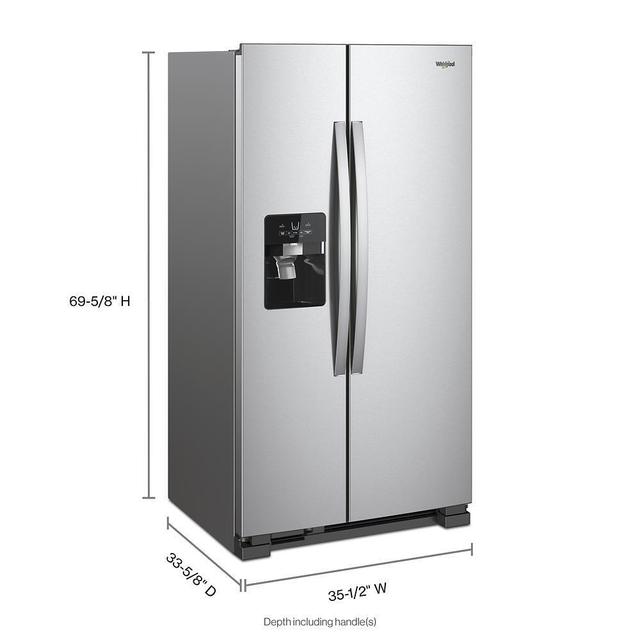
Are you thinking about upgrading your kitchen with a side by side refrigerator but unsure if it will fit perfectly in your space? Knowing the exact width of a side by side refrigerator can save you from costly mistakes and frustration.
You’ll discover the typical sizes, what factors affect the width, and tips to measure your space accurately. By the end, you’ll feel confident choosing the right refrigerator that fits your kitchen and lifestyle. Keep reading to make sure your new fridge fits just right!
Side By Side Refrigerator Basics
Side by side refrigerators offer a unique approach to food storage. They split the fridge and freezer into two vertical compartments. This design gives easy access to both fresh and frozen foods without bending down. Knowing the basics helps you choose the right size and features for your kitchen.
Design And Layout
The side by side fridge has two doors that open from the center. The left side is usually the freezer, and the right side is the refrigerator. This layout fits well in narrow spaces because the doors do not need much room to open. Shelves are tall and slim, making it easy to organize items vertically. Many models have adjustable shelves and door bins to fit different sized containers.
Typical Features
- Water and ice dispensers on the freezer door
- LED lighting for clear visibility
- Temperature controls for both compartments
- Energy-saving modes to reduce power use
- Humidity-controlled drawers for fruits and vegetables
These features add convenience and help keep food fresh longer. Side by side refrigerators also come in various widths, usually between 30 to 36 inches, fitting most kitchen spaces easily.
Common Width Dimensions
Understanding the common width dimensions of side by side refrigerators can save you time and frustration when shopping. The width affects not only how the fridge fits in your kitchen but also how much storage space you get. Let’s look at typical widths and how different brands might vary.
Standard Width Range
Most side by side refrigerators fall within a width range of 32 to 36 inches. This size works well for many kitchen layouts, balancing capacity with available space. If your kitchen has tight spots, measuring the doorway and space carefully is crucial before choosing a width.
Widths narrower than 32 inches are rare and might limit interior space significantly. On the other hand, models wider than 36 inches can offer extra storage but may require more kitchen remodeling. Have you measured your kitchen’s width for appliance installation yet?
Variations By Brand
Different brands tweak the width slightly to fit their design and features. For instance:
- Samsungside by side fridges often come in 33 to 36 inches wide, focusing on sleek designs with slim profiles.
- LGmodels might offer a few options around 32 to 35 inches, sometimes adding features that affect overall size.
- Whirlpooltends to have robust models that are closer to the 36-inch mark, prioritizing storage capacity.
These small differences can impact your kitchen setup and the fridge’s performance. When you choose a brand, think about how width changes might affect installation and everyday use. Have you checked if the fridge door can open fully in your kitchen space?
Measuring Your Space
Before investing in a side by side refrigerator, it’s crucial to measure your space accurately. This ensures your new appliance fits perfectly into your kitchen without any unwanted surprises. Let’s dive into the essential steps for measuring your space.
Checking Doorways And Pathways
Ensure your refrigerator can pass through all doorways and pathways leading to your kitchen. Measure the width and height of these areas, including any tight corners or narrow hallways. A friend’s new fridge once got stuck in the hallway for hours because they overlooked this step—don’t let that happen to you!
Allowing Clearance For Ventilation
Proper ventilation is key to your refrigerator’s efficiency and longevity. Leave at least an inch of space on all sides of the fridge for air circulation. Imagine the frustration of a buzzing, overheated fridge because it can’t breathe—avoid this by giving it room.
Consider the placement of your kitchen cabinets and walls. Plan for doors to open fully without hitting any obstacles. Do you want to struggle every time you grab a late-night snack? Of course not. Make sure there’s ample clearance for smooth operations.

Credit: queencityonline.com
Choosing The Right Size
Choosing the right size side by side refrigerator is more than just fitting it into your kitchen space. It’s about finding a model that meets your daily needs without wasting energy or money. Understanding how width and capacity work together can make your decision easier and more satisfying.
Matching Capacity To Household Needs
Think about how many people live in your home and how much fresh and frozen food you store. A wider refrigerator usually means more storage, but that doesn’t always mean it’s the best choice. If you mostly buy fresh produce and cook at home, a medium-width model might fit your lifestyle perfectly.
Consider your shopping habits. Do you buy in bulk or prefer frequent small trips? Bulk buyers often need a larger fridge with more freezer space. Smaller households or singles might do better with a narrower unit to avoid empty, wasted space.
Balancing Size And Energy Efficiency
Wider refrigerators tend to use more energy simply because they have more space to cool. But that doesn’t mean you should always pick the smallest option. Look for models with energy-efficient features like LED lighting and smart compressors to save on your electricity bill.
Ask yourself: is the extra width worth the higher energy cost? Sometimes a slightly smaller fridge with better insulation and energy ratings can serve you better in the long run. It’s about finding a balance that fits your budget and environmental values.
Installation Tips
Installing a side by side refrigerator requires careful attention. Proper setup ensures the fridge works well and lasts long. Follow some simple tips to make the process smooth and safe.
Handling And Moving
Handle the refrigerator with care to avoid damage. Use a dolly or hand truck for easier movement. Keep the fridge upright to protect internal parts. Clear the path to prevent accidents or scratches. Ask for help if the fridge is heavy or bulky.
Placement Considerations
Choose a spot with enough space for the fridge width and doors. Leave at least 1 inch of clearance on each side for air flow. Avoid placing the fridge near heat sources like ovens or direct sunlight. Make sure the floor is level to prevent noise and door issues. Check that the electrical outlet matches the fridge’s plug and power needs.

Credit: www.plessers.com
Alternatives To Side By Side Refrigerators
Side by side refrigerators are popular for their narrow width and easy access. Still, many buyers explore other refrigerator styles. Alternatives offer different features and sizes that might suit kitchens better.
Choosing the right refrigerator depends on space, storage needs, and style. Here are two common alternatives that many consider.
French Door Models
French door refrigerators have two doors on top and a freezer drawer below. They offer wide shelves and flexible storage options. The design saves space in kitchens with limited room for door swing.
These models often have a larger fresh food section. They keep fruits and vegetables fresher with separate humidity controls. Many include water and ice dispensers for convenience.
Top And Bottom Freezer Options
Top freezer refrigerators have the freezer on top and the fridge below. They are usually narrower and fit well in small kitchens. This style tends to be more affordable and energy-efficient.
Bottom freezer models place the fridge at eye level and freezer below. This layout makes fresh food easier to reach. The freezer is often a pull-out drawer, making access simple and quick.

Credit: big-georges.com
Frequently Asked Questions
How Wide Is A Standard Side By Side Refrigerator?
A standard side by side refrigerator is typically 32 to 36 inches wide. This size fits most kitchen layouts and offers ample storage space for families.
What Factors Affect Side By Side Refrigerator Width?
Width depends on brand, model, and capacity. Larger models tend to be wider, while compact versions are narrower for smaller kitchens.
Can Side By Side Refrigerators Fit In Small Kitchens?
Yes, many side by side refrigerators come in slim widths around 30 to 32 inches, ideal for limited kitchen space.
How To Measure Space For A Side By Side Refrigerator?
Measure the width, height, and depth of your kitchen opening. Add extra clearance for door swing and ventilation to ensure proper fit.
Conclusion
Side by side refrigerators usually range from 32 to 36 inches wide. This size fits well in most kitchens. Always measure your space before buying. Remember, doors need room to open fully. Choosing the right width helps keep your kitchen neat.
It also makes sure the fridge works well. Knowing the size helps avoid problems later. Think about space for both fridge and freezer. This way, your new appliance suits your home perfectly.