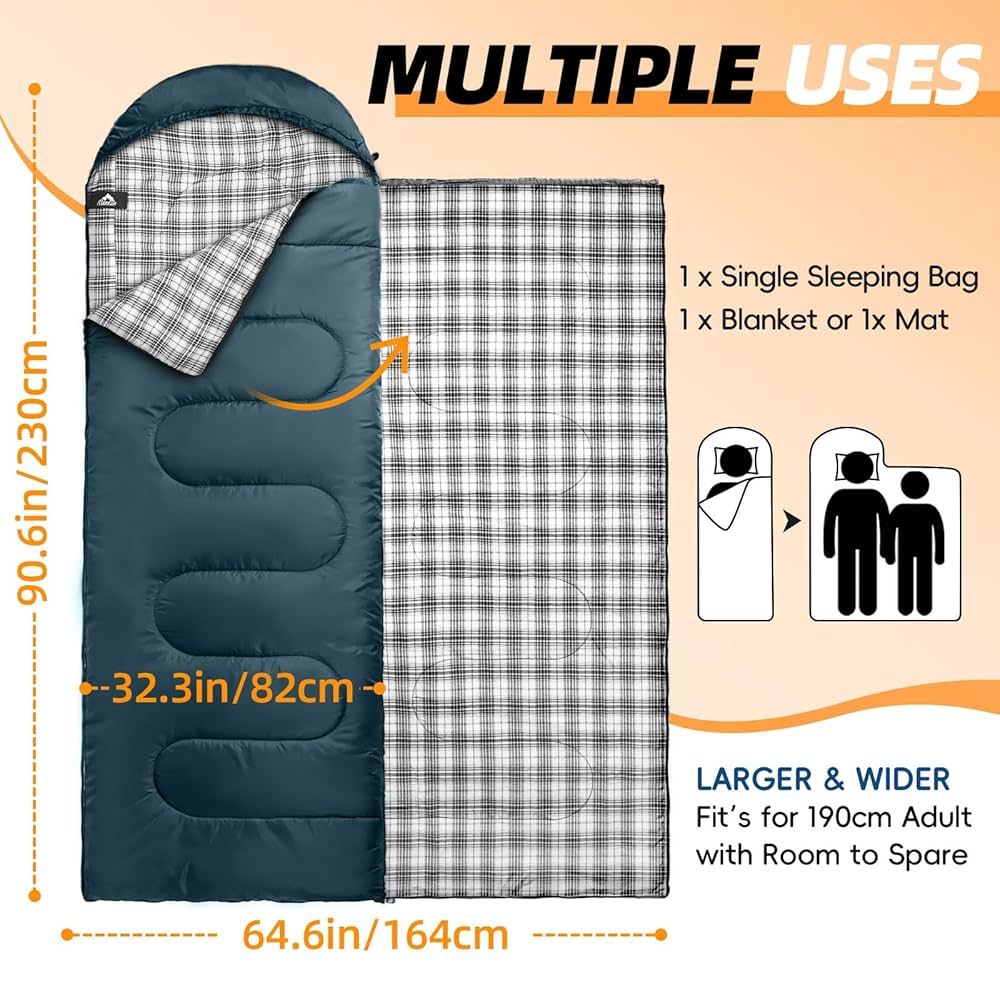
When it comes to choosing the perfect sleeping bag, size matters more than you might think. You want something that fits just right—neither too tight nor too loose—so you can sleep comfortably all night long.
But how wide is a sleeping bag usually? Understanding the width can help you pick the one that suits your body and your sleeping style. Keep reading to discover what you need to know about sleeping bag widths, so you can wake up refreshed and ready for your next adventure.

Credit: www.amazon.ca
Sleeping Bag Width Basics
The width of a sleeping bag is important for comfort and warmth. It helps you know if you will fit inside without feeling tight.
Different sleeping bags come in different widths. This guide explains common widths and what affects them.
Standard Width Sizes
Most sleeping bags have a standard width between 20 and 30 inches. This size fits most adults comfortably.
- Regular width is about 28 inches wide
- Wide models can be 30 to 34 inches
- Narrow or mummy bags are around 20 to 24 inches
Factors Influencing Width
Sleeping bag width depends on body size and intended use. Wider bags allow more movement inside.
Insulation thickness also affects width. Thicker insulation means a slightly larger bag to keep warmth.
- Body size and shape of the user
- Type and thickness of insulation
- Bag style, like mummy or rectangular
- Extra features like pockets or hoods
Width Vs Length Considerations
Width and length both affect comfort. A bag too narrow or too short will feel tight or cramped.
Choose length based on your height. Width should match your body size and how much you move at night.
| Dimension | Importance | Tips |
|---|---|---|
| Width | Comfort and movement | Pick wider if you move a lot |
| Length | Fits your height | Leave extra 6 inches for comfort |
Choosing The Right Width
Finding the right sleeping bag width is important for a comfortable night. Different factors affect the best size for you.
Consider your body size, sleeping position, and camping type. These will help you choose wisely.
Body Size And Shape
Your body size and shape are key in selecting a sleeping bag. Ensure it fits well without being too tight.
| Body Type | Recommended Width |
| Slim | Standard Width |
| Average | Regular Width |
| Broad | Wide Width |
Sleeping Positions
Your sleeping position affects the space needed in your sleeping bag. Some positions require more room.
- Back sleepers need less width.
- Side sleepers may need more space.
- Stomach sleepers often need extra room.
Type Of Camping
The type of camping you do influences the sleeping bag width. Different environments demand different needs.
For backpacking, a lighter and narrower bag is ideal.
Car camping allows for more spacious bags.
Winter camping requires extra insulation, so width can vary.
Types Of Sleeping Bags By Width
Sleeping bags come in different shapes and widths. The width affects comfort and warmth. Choosing the right width depends on your sleeping style and space needs.
Below, we look at three common types of sleeping bags by their width: mummy, rectangular, and semi-rectangular bags.
Mummy Bags
Mummy bags are narrow and fit closely to your body. They taper from the shoulders to the feet. This design helps keep warmth inside by reducing empty space.
The width at the shoulders is usually around 25 to 30 inches. The foot area is narrower, often about 15 to 20 inches wide. This shape is best for cold weather and compact packing.
Rectangular Bags
Rectangular sleeping bags are wide and straight in shape. They offer more room to move and stretch your arms and legs. These bags are good for warm weather or when you want extra space.
| Area | Typical Width | Notes |
|---|---|---|
| Shoulders | 30 to 36 inches | Wide for comfort |
| Feet | 30 to 36 inches | Same width as shoulders |
| Overall | Consistent width | Allows freedom of movement |
Semi-rectangular Bags
Semi-rectangular bags mix the shapes of mummy and rectangular bags. They are wider at the shoulders than mummy bags but narrower than rectangular ones. The foot area is slightly tapered.
- Shoulder width: about 28 to 32 inches
- Foot width: about 18 to 22 inches
- Good balance of warmth and room
- Suitable for three-season use
Measuring For A Perfect Fit
Choosing the right width for your sleeping bag matters. A good fit keeps you warm and comfortable all night.
This guide helps you measure yourself and select the best sleeping bag width.
How To Measure Yourself
Measure your body to find the perfect sleeping bag width. Use a tape measure to get accurate numbers.
- Measure your shoulder width from one edge to the other.
- Measure your chest at the widest point while standing relaxed.
- Measure your hips to ensure enough room at the bottom.
- Add 2 to 4 inches to each measurement for comfort and movement.
Trying On Different Widths
Testing sleeping bags helps you choose the right width. Try different styles and sizes before buying.
| Width Type | Description | Best For |
|---|---|---|
| Regular | Standard width for most adults | Average body sizes |
| Wide | Extra room for larger frames or layering clothes | Taller or broader individuals |
| Narrow | Close fit to reduce weight and bulk | Smaller or slim users |
Adjustable Features
Some sleeping bags have adjustable parts to improve fit. These features add flexibility and comfort.
- Drawstrings around the hood to tighten or loosen space around your head.
- Waist cinches that reduce width in the middle for a snug fit.
- Zippers that allow partial opening to increase width when needed.
Width Impact On Comfort And Warmth
The width of a sleeping bag plays a big role in how comfortable and warm it feels. A wider bag gives you more room to move. A narrower bag holds heat better.
Choosing the right width can affect your sleep quality outdoors. It also changes how easy the bag is to carry.
Heat Retention And Air Space
A sleeping bag’s width affects how much air space is inside. More air space means more heat loss. A narrower bag traps heat closer to your body.
Too much space lets cold air move inside. This makes it harder to stay warm during cold nights.
- Narrow bags keep warmth tight around you
- Wide bags create extra air that cools you down
- Consider the weather when choosing bag width
Movement And Mobility
A wider sleeping bag gives you more room to shift and stretch. This can help you sleep better if you move a lot at night.
Narrow bags limit movement but can feel snug and cozy. Think about how much space you need to feel comfortable.
- Wide bags allow easy movement
- Narrow bags feel more secure but restrict space
- Choose width based on your sleeping style
Weight And Packability
Wider sleeping bags usually weigh more because they use more material. This adds bulk when packing your gear.
Narrower bags are lighter and take up less space in your backpack. This is important for long trips.
- Wide bags add weight and size
- Narrow bags save weight and pack small
- Balance comfort and packability for your trip

Credit: www.ebay.co.uk
Special Considerations
Sleeping bags come in many sizes to fit different needs. Choosing the right width is important for comfort and warmth. This guide covers special options that help you pick the best sleeping bag width.
We look at sleeping bags for couples, kids and youth sizes, and extra wide options. Each type has unique features to keep you comfortable while you rest.
Sleeping Bags For Couples
Couples often prefer a sleeping bag that fits two people comfortably. These bags are wider than single sleeping bags. They allow partners to sleep close without feeling cramped.
- Usually 50 to 60 inches wide
- Some models come with two zippers for easy entry
- Can be converted into two separate bags
- Provide shared warmth for cold nights
Kids And Youth Sizes
Kids and youth sleeping bags come in smaller widths and lengths. They fit children better and keep them warm without extra bulk. Choosing the right size helps them sleep well on trips.
| Age Group | Typical Width | Typical Length |
| 3 to 6 years | 18 to 22 inches | 45 to 50 inches |
| 7 to 12 years | 22 to 26 inches | 50 to 60 inches |
| Teens | 26 to 30 inches | 60 to 70 inches |
Extra Wide Options
Extra wide sleeping bags suit people who want more space inside. They are good for larger body types or those who move a lot while sleeping. These bags add comfort without losing warmth.
Benefits of extra wide sleeping bags:
- More room to stretch out
- Less chance of feeling squeezed
- Better for side sleepers
- Extra insulation space
Tips For Buying Wide Sleeping Bags
Choosing the right wide sleeping bag can improve your comfort while camping. It is important to find a sleeping bag that fits your body well and offers enough room to move.
Wide sleeping bags come in different shapes, materials, and price ranges. Knowing what to look for helps you pick the best option for your needs.
Brands Known For Wide Fits
Some brands focus on making sleeping bags with extra width. These brands design their bags to give more space without adding too much weight.
- Kelty
- The North Face
- REI Co-op
- Mountain Hardwear
- Big Agnes
Material And Insulation Choices
Materials and insulation affect warmth, weight, and durability. Wide sleeping bags need good insulation that keeps heat without bulk.
| Material | Pros | Cons |
| Down | Very warm and lightweight | Expensive and loses warmth when wet |
| Synthetic | Affordable and dries quickly | Heavier and less compressible |
| Ripstop Nylon | Durable and lightweight | Can be noisy and less breathable |
Budget Vs Quality
Wide sleeping bags come in many price ranges. Spending more can mean better materials and longer life.
- Set a budget before shopping
- Look for good insulation and durable fabric
- Check reviews about fit and comfort
- Consider how often you will use the bag
- Buy from trusted brands with warranty

Credit: gearjunkie.com
Frequently Asked Questions
How Wide Is A Standard Sleeping Bag?
A standard sleeping bag is typically 28 to 34 inches wide. This width fits most adults comfortably and allows room for movement while sleeping.
Do Sleeping Bags Come In Different Widths?
Yes, sleeping bags come in various widths. Options include narrow, standard, and wide sizes to suit different body types and comfort preferences.
How Wide Should A Sleeping Bag Be For Two People?
For two people, a double sleeping bag usually measures around 50 to 60 inches wide. This width provides enough space for both individuals to sleep comfortably.
Does Sleeping Bag Width Affect Warmth?
Yes, wider sleeping bags may trap less heat due to extra space. A snug fit helps retain body heat better, improving overall warmth.
Conclusion
Choosing the right sleeping bag width matters for comfort and warmth. A bag too narrow feels tight and restricts movement. Too wide, and it may lose heat faster. Think about your body size and how you sleep. Some people like extra space to move freely.
Others prefer a snug fit to stay cozy. Checking the dimensions before buying helps avoid surprises. Remember, a well-fitted sleeping bag makes camping nights better. Stay warm, sleep well, and enjoy your outdoor adventures.