Are you planning to buy a new washer and dryer but unsure if they’ll fit in your laundry space? Knowing the exact width of these appliances can save you from costly mistakes and frustrating returns.
Whether you have a cozy apartment or a spacious laundry room, understanding the size of washers and dryers helps you make the best choice for your home. Keep reading to discover the typical widths, what affects their size, and how to pick the perfect set that fits your needs without any hassle.
Your laundry routine is about to get easier—and your space smarter!
Credit: www.lg.com
Washer Dimensions
Choosing the right washer size is important for your laundry space. Washers come in different widths, depths, and heights. Knowing these helps you plan your laundry area well.
This guide explains the common washer dimensions. It covers standard widths, depth and height differences, and compact washer sizes.
Standard Widths
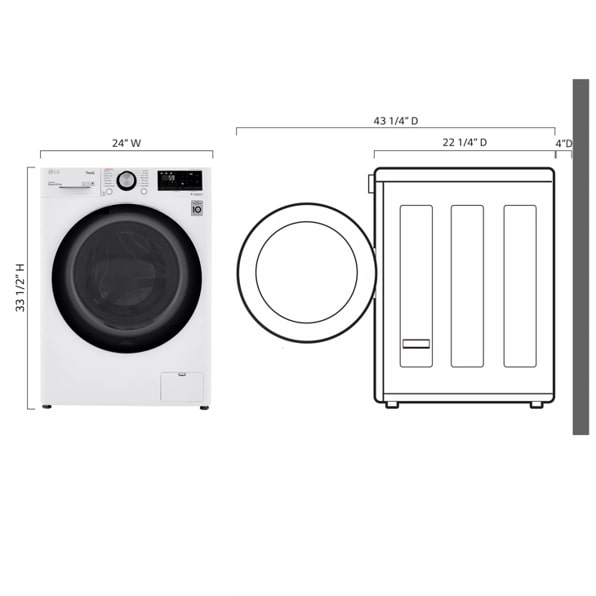
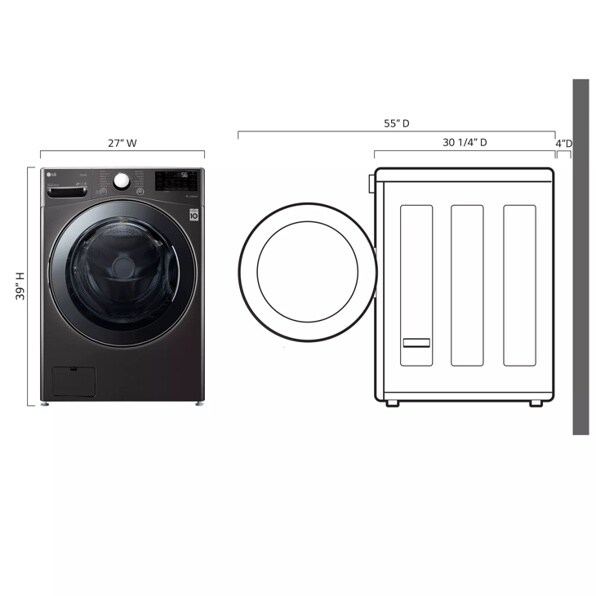
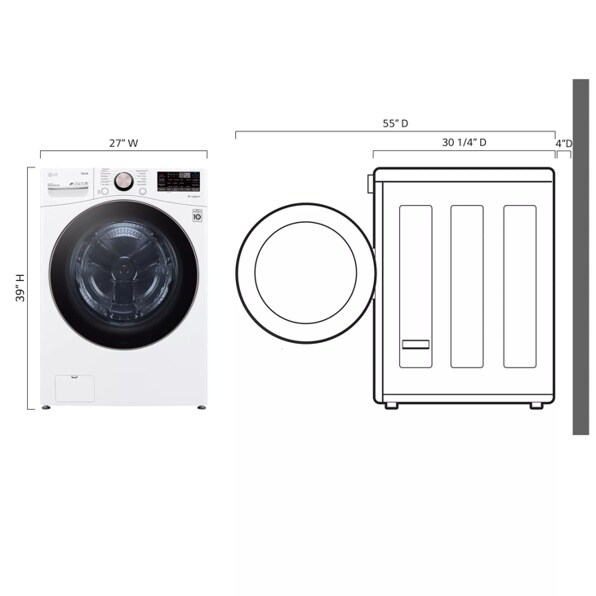
Most washers have a standard width. This size fits easily in most homes and laundry rooms. The common width is about 27 inches.
- Standard washers are usually 27 inches wide.
- Some models may be slightly wider, up to 29 inches.
- Narrower washers around 24 inches are also available.
Depth And Height Variations
Washer depth and height can vary more than width. Depth affects how far the machine sticks out from the wall. Height affects loading and unloading comfort.
| Dimension | Range | Notes |
|---|---|---|
| Depth | 24 to 34 inches | Deeper washers hold more laundry |
| Height | 36 to 43 inches | Taller washers may have controls on top |
Compact Washer Sizes
Compact washers are smaller for tight spaces. They fit well in apartments or closets. These washers save space but have smaller capacities.
- Width: about 24 inches
- Depth: around 20 to 25 inches
- Height: near 33 to 39 inches
Dryer Dimensions
Dryer size is important for fitting in your laundry space. Knowing the dimensions helps you plan better.
This guide covers common widths, depth and height differences, and compact dryer options.
Common Widths
Most dryers come in standard widths. This helps them fit with washers and other laundry furniture.
- Standard dryers are usually 27 inches wide.
- Some models come in 29-inch widths for larger capacity.
- Compact dryers can be 24 inches wide or less.
Depth And Height Differences
Dryers vary in depth and height, affecting space and installation options.
| Dimension | Standard Dryers | Compact Dryers |
|---|---|---|
| Depth | 28 to 34 inches | 20 to 24 inches |
| Height | 36 to 43 inches | 30 to 34 inches |
Compact Dryer Options
Compact dryers save space in small homes and apartments.
Key features of compact dryers include:
- Smaller width and depth for tight spaces
- Lower height for stacking or under counters
- Energy-efficient models to reduce costs
Stackable Washer And Dryer Sizes
Stackable washers and dryers are popular for saving space. They fit one on top of the other.
Knowing their sizes helps you plan your laundry area well. Width is an important size to check.
Width Compatibility
Most stackable washers and dryers have similar widths. This makes them easy to pair together.
The standard width for these machines is usually 24 to 27 inches. This fits well in small spaces.
- 24 inches is common for compact models
- 27 inches fits standard laundry spaces
- Check if the width matches before buying
Space-saving Benefits
Stackable washers and dryers save floor space. This is good for apartments and small homes.
Stacking helps use vertical space. It leaves room for shelves or other storage.
- Fits in closets or narrow laundry rooms
- Creates more space for folding clothes
- Allows extra storage above or beside units
Factors Affecting Washer And Dryer Sizes
Choosing the right size for your washer and dryer depends on several factors. These factors help match the appliances to your home and laundry needs.
Understanding these elements ensures you pick machines that fit your space and work efficiently.
Capacity And Load Size
Washer and dryer sizes change based on their capacity. Larger capacity machines can handle more clothes in one load. This means fewer loads and less time spent doing laundry.
- Small capacity (up to 3.5 cubic feet) fits 1-2 people.
- Medium capacity (3.6 to 4.4 cubic feet) suits small families.
- Large capacity (4.5 cubic feet and above) works well for big families.
Energy Efficiency
Energy-efficient washers and dryers may have different sizes. They often use advanced technology to save water and power. This can affect the appliance’s design and dimensions.
| Type | Energy Use | Typical Size |
| Standard Washer | Higher | 27 inches wide |
| High-Efficiency Washer | Lower | 24-27 inches wide |
| Standard Dryer | Higher | 27 inches wide |
| Energy Star Dryer | Lower | 24-27 inches wide |
Design And Features
Washers and dryers come in many designs. Front-load and top-load models differ in shape and size. Extra features like steam or smart controls can add to the size.
Common design factors that affect size include:
- Door style (front or top load)
- Stackable units for small spaces
- Built-in pedestals or drawers
- Additional cycles and technology features
Measuring Your Laundry Space
Knowing the exact width of your washer and dryer helps you fit them in your laundry area. Accurate measurements avoid tight fits and installation problems.
Measure your space carefully before buying or moving appliances. This guide shows how to measure width and allow space for ventilation.
Measuring Width Accurately
Use a tape measure to find the width of the space where your washer and dryer will go. Measure from wall to wall or between cabinets.
- Measure the full width of the laundry area.
- Check the width of doorways for appliance access.
- Measure any obstacles like pipes or shelves.
- Note the width of each appliance to be installed.
- Allow extra space for ease of moving appliances in and out.
Allowing For Ventilation And Clearance
Washers and dryers need space around them to work safely. Ventilation and clearance keep machines cool and prevent damage.
| Appliance | Recommended Clearance | Purpose |
|---|---|---|
| Washer | 1 inch on each side | Prevent vibration damage |
| Dryer | 5 inches behind | Allow vent hose space |
| Dryer | 1 inch on sides | Improve airflow |
| Both | 4 inches above | Heat dissipation |
Credit: www.lg.com
Choosing The Right Size For Your Home
Washers and dryers come in different sizes. Picking the right size is key for your home needs.
Consider how much space you have and how much laundry you do. This will guide your decision.
Small Apartments And Tight Spaces
If you live in a small apartment, space is limited. You need a compact washer and dryer.
- Measure your available space before buying.
- Consider stackable units to save floor space.
- Look for models with smaller footprints.
Family-sized Laundry Needs
Families often have more laundry. A larger washer and dryer can handle bigger loads.
| Size | Capacity |
| Compact | 2-4 cubic feet |
| Standard | 4-5 cubic feet |
| Large | 5+ cubic feet |
Popular Brands And Their Size Ranges
Washers and dryers come in various sizes. Popular brands offer models with different dimensions to fit your space. Understanding these size ranges helps in selecting the right appliance for your home.
Knowing the size of washers and dryers from top brands ensures efficient use of space. This guide covers popular brands and their size options.
Top Washer Brands
Washer brands offer various sizes to suit different needs. Each brand provides options to fit small to large spaces.
Here are some popular washer brands and their typical size ranges.
- LG: 24 to 30 inches wide
- Samsung: 24 to 30 inches wide
- Whirlpool: 24 to 32 inches wide
- Maytag: 27 to 30 inches wide
- GE Appliances: 24 to 28 inches wide
Top Dryer Brands
Dryer sizes vary by brand, offering options for different home sizes. Each brand provides models that cater to small and large laundry rooms.
Below are some leading dryer brands and their common size ranges.
- LG: 27 to 29 inches wide
- Samsung: 27 to 30 inches wide
- Whirlpool: 27 to 32 inches wide
- Maytag: 27 to 29 inches wide
- GE Appliances: 27 to 30 inches wide

Credit: www.lg.com
Tips For Installing Washers And Dryers
Installing a washer and dryer needs careful planning. You must think about the space and how the machines fit. Proper installation helps the machines work well and last longer.
Below are tips on handling size limits and making the best laundry room layout.
Handling Size Constraints
Washers and dryers come in many sizes. Measure your space before choosing machines. Leave enough room for doors to open and for moving clothes in and out.
- Measure width, depth, and height of the spot.
- Check the machine’s dimensions before buying.
- Allow at least 1 inch of space on the sides and back for ventilation.
- Ensure doors can open fully without hitting walls or cabinets.
- Keep space for hookups like water, electricity, and vents.
Optimizing Laundry Room Layout
Good layout helps you work faster and keeps the laundry room tidy. Think about how you move clothes from washer to dryer and then to storage or folding areas.
| Area | Recommended Space | Reason |
| Washer and Dryer Width | 60 to 70 inches total | Fits most standard machines side by side |
| Clearance in Front | at least 48 inches | Allows door opening and access |
| Folding Surface | 24 to 36 inches wide | Provides space to fold clothes |
| Storage Cabinets | Above or beside machines | Keeps detergents and supplies handy |
Frequently Asked Questions
How Wide Is A Standard Washer And Dryer?
A standard washer and dryer are usually 27 inches wide each. This size fits most laundry spaces and is common in many homes.
What Are Compact Washer And Dryer Widths?
Compact washers and dryers generally measure about 24 inches wide. They are ideal for small spaces like apartments or closets.
Can Washer And Dryer Widths Vary By Brand?
Yes, widths can vary slightly by brand and model. Always check product specifications before purchasing to ensure proper fit.
How Much Space Is Needed Between Washer And Dryer?
Leave at least 1 inch of space between appliances. This allows for ventilation and easy maintenance access.
Conclusion
Washer and dryer widths vary but usually range from 24 to 30 inches. Knowing these sizes helps plan laundry space well. Measure your area before buying new machines. Compact models fit small spaces better. Standard sizes work best for most homes.
Proper space makes laundry tasks easier and more comfortable. Choose the right size to avoid fitting problems. This simple step saves time and frustration later. Keep these points in mind for a smooth laundry setup.