Are you in the market for a new dishwasher but feeling overwhelmed by the endless options? You’re not alone.
One crucial factor that often gets overlooked is the width of the dishwasher. It might seem like a minor detail, but the right size can make all the difference in your kitchen’s functionality and design. Imagine having a dishwasher that fits perfectly into your space, making your kitchen look sleek and organized.
Sounds appealing, right? You’ll discover the average width of dishwashers, helping you to make an informed decision that suits your kitchen layout. With this knowledge, you can avoid common mistakes and ensure that your new appliance becomes a seamless part of your daily routine. Keep reading to find out how a small measurement can have a big impact on your kitchen experience.

Credit: www.whirlpool.com
Standard Dishwasher Dimensions
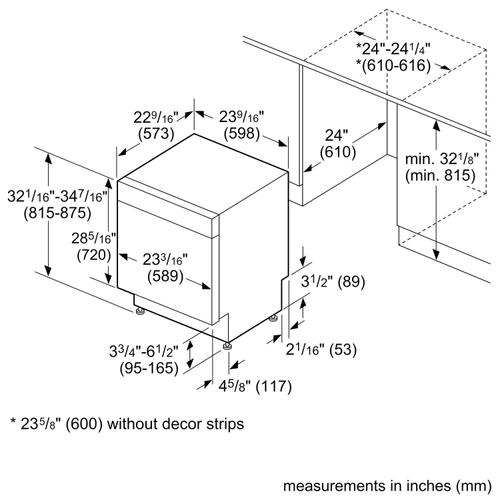
Standard dishwasher dimensions help you choose the right fit for your kitchen. Knowing these sizes avoids installation issues and saves time. Dishwashers come in typical width, height, and depth measurements designed to fit most kitchen spaces. Understanding these dimensions guides your buying decision and ensures smooth setup.
Typical Width Measurements
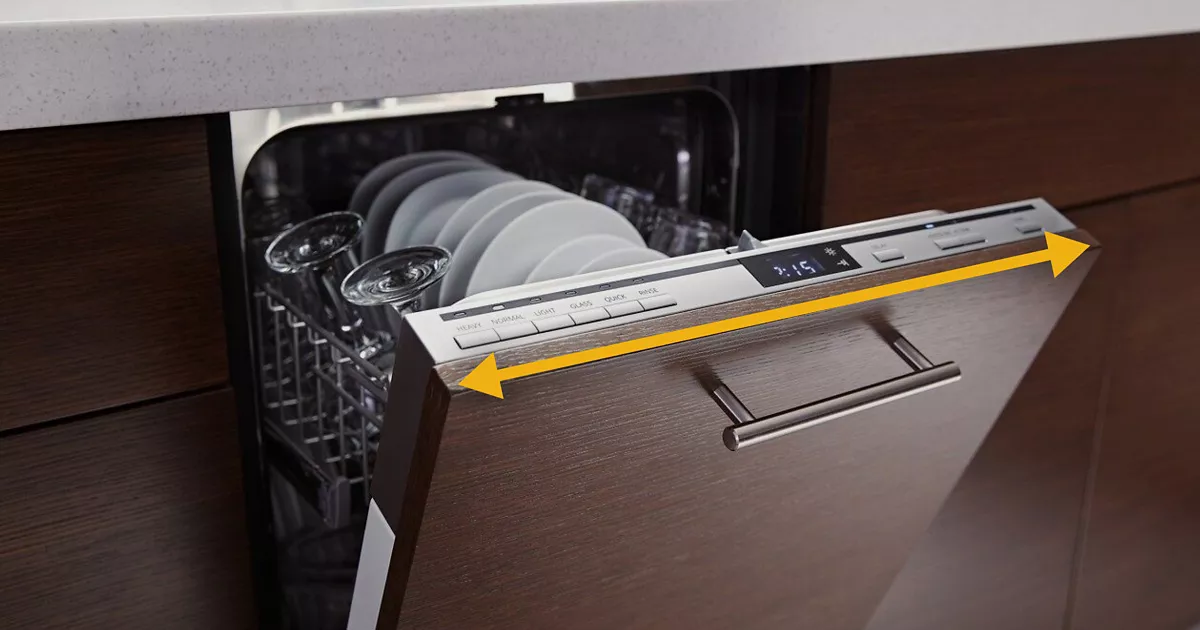
The average dishwasher width is about 24 inches. This size fits standard kitchen cabinets and countertops. Some compact models measure around 18 inches wide for smaller kitchens. Wider dishwashers, up to 30 inches, exist but are less common. Most kitchens are designed with the 24-inch width in mind.
Height And Depth Sizes
Standard dishwasher height is usually 34 to 35 inches. This height fits under most kitchen counters. Adjustable legs help match the countertop height exactly. Depth typically ranges from 24 to 25 inches. This allows dishwashers to fit flush with cabinets. Some dishwashers have a deeper design to hold more dishes.
Compact And Slim Models
Compact and slim dishwasher models offer an excellent solution for tight kitchens. They save space without sacrificing much cleaning power. These dishwashers fit under smaller counters or in narrow gaps. Ideal for apartments, studios, or small homes, these models maximize usability and efficiency.
Narrow Dishwashers For Small Spaces
Standard dishwashers are usually around 24 inches wide. Compact models often measure between 18 and 20 inches. These narrow dishwashers fit where full-sized units cannot. They work well in kitchens with limited floor space. Despite their smaller width, they still clean dishes effectively.
Size Variations And Capacity
Compact dishwashers vary in size and capacity. Some models are as slim as 17 inches wide. They hold 6 to 8 place settings, enough for smaller households. Slightly larger slim models can hold up to 10 place settings. Choosing the right size depends on your dishwashing needs and kitchen space.
Built-in Vs Portable Dishwashers
Choosing between a built-in and a portable dishwasher can shape how you plan your kitchen space. Both types have unique dimensions and installation needs that affect your overall kitchen layout. Understanding these differences helps you pick the right fit for your lifestyle and space.
Size Differences
Built-in dishwashers usually have a standard width of about 24 inches, which fits neatly under your kitchen counter. This size is designed to handle a full load of dishes, making it ideal for families or frequent cooks.
Portable dishwashers, on the other hand, tend to be narrower, often around 18 to 20 inches wide. They offer flexibility since you can move them around, but their smaller size means you may need to run more cycles to clean the same amount of dishes.
Have you considered how often you wash dishes and how much space you can dedicate? This might help you decide if a full-size built-in or a compact portable model suits your needs better.
Installation Space Requirements
Built-in dishwashers require a dedicated cabinet space with plumbing and electrical connections. This means you need to plan your kitchen layout carefully before installation.
Portable dishwashers only need access to a standard kitchen faucet and an electrical outlet. They don’t require permanent installation, making them perfect for renters or those who might move frequently.
Think about your kitchen’s plumbing setup and whether you want a fixed appliance or something you can tuck away or move. This consideration can save you time and hassle during installation.

Credit: www.danby.com
Factors Influencing Dishwasher Size
Choosing the right dishwasher size isn’t just about fitting the appliance into your kitchen. Several factors affect which dimensions will work best for your space and lifestyle. Understanding these factors helps you avoid common mistakes and ensures your dishwasher meets your needs efficiently.
Kitchen Layout Considerations
Your kitchen’s shape and available space play a big role in deciding dishwasher size. Narrow or compact kitchens might only fit slim or compact dishwashers, while larger kitchens can accommodate full-sized models.
Think about the placement near your sink and cabinets. Is there enough clearance for the door to open fully without hitting other appliances or furniture? Small details like countertop height and adjacent drawers also impact your choice.
Have you measured your kitchen space accurately? Even a few centimeters can make a difference between a seamless fit and a frustrating purchase.
User Needs And Preferences
How many people live in your household? A single user may find a compact dishwasher sufficient, but larger families often need bigger capacity to handle more dishes.
Consider your cooking habits too. If you entertain often or cook large meals, a wider dishwasher with more racks and adjustable shelves might be crucial. On the other hand, if you wash dishes frequently, a smaller, quicker-cycle model could save you time and energy.
Don’t forget about special features you might want, such as quieter operation, energy efficiency, or specialized wash zones. These preferences can influence the size and style of dishwasher that’s right for you.
Measuring For The Perfect Fit
Getting the right dishwasher size is more than just knowing the average width. It’s about measuring your space carefully to avoid surprises on installation day. A perfect fit ensures your dishwasher works well and looks great in your kitchen.
Tools And Techniques
Start with a reliable tape measure—preferably one that locks in place so you get accurate readings without rushing. Measure the width, height, and depth of the space where the dishwasher will go. Don’t forget to check for obstacles like pipes, vents, or cabinets that might interfere.
Use a level to ensure the floor and countertop are even. This helps you decide if additional adjustments or shims are necessary. Taking photos of the space can also help when you’re shopping or consulting with professionals.
Common Measurement Mistakes
One mistake many people make is measuring only the opening without considering clearance space. Your dishwasher needs a little wiggle room—usually about half an inch on each side—to slide in easily. Missing this can mean a dishwasher that’s too tight or impossible to install.
Another error is ignoring the door swing space. You must measure the area in front of the dishwasher to ensure the door can open fully without hitting anything. Have you thought about how your kitchen layout will affect daily use once the dishwasher is installed?
Failing to account for plumbing and electrical connections also causes issues. These often take up extra space behind the dishwasher, so measure from wall to front, not just the opening. Double-check these details before you buy to save time and frustration later.
Tips For Choosing Dishwasher Size
Choosing the right dishwasher size is important for your kitchen and daily use. The size affects how many dishes you can wash at once and how well it fits in your space. Picking the right size saves energy, water, and makes your kitchen look neat.
Balancing Capacity And Space
Think about how many dishes you wash each day. A larger dishwasher fits more plates and pots. But it needs more room in your kitchen. A smaller dishwasher saves space but holds fewer dishes. Measure your kitchen area before buying. Choose a size that matches your family’s needs and kitchen space.
Energy Efficiency And Size
Dishwashers use energy and water. Bigger machines may use more energy but can wash more dishes at once. Smaller dishwashers often save energy but need more loads. Look for models with good energy ratings. They help reduce bills and protect the environment. Match the dishwasher size to your dishwashing habits for the best energy use.
Credit: www.whirlpool.ca
Frequently Asked Questions
What Is The Standard Width Of A Dishwasher?
The standard dishwasher width is typically 24 inches. This size fits most kitchen cabinets and allows for efficient cleaning.
Are There Dishwashers Narrower Than 24 Inches?
Yes, compact dishwashers are usually 18 inches wide. These fit smaller kitchens or tight spaces without sacrificing performance.
How Wide Are Portable Dishwashers?
Portable dishwashers are generally around 24 inches wide. They offer flexibility for kitchens without built-in dishwasher space.
Does Dishwasher Width Affect Capacity?
Yes, wider dishwashers usually have more capacity. A 24-inch model typically holds 12 to 16 place settings.
Conclusion
Most dishwashers have a width of about 24 inches. This size fits well in many kitchens. Some models are narrower, around 18 inches, for small spaces. Knowing the width helps when planning kitchen layouts. It also ensures your new dishwasher fits perfectly.
Always measure your space before buying. This way, you avoid surprises during installation. Choosing the right size makes daily chores easier. A good fit means better use of space and comfort. Keep these points in mind for your next dishwasher purchase.