
Have you ever stood in the kitchen, measuring ingredients, and wondered if 1 cup dry is the same as 1 cup liquid? It’s a simple question, but the answer can change your recipe’s outcome completely.
If you want your meals to turn out just right every time, understanding the difference is key. Keep reading, and you’ll discover easy tips to measure like a pro and avoid common cooking mistakes that might be holding you back.
Your next dish could be your best yet!
Credit: kirbiecravings.com
Difference Between Dry And Liquid Measurements
Measuring dry and liquid ingredients is not the same. Each type needs a different tool to get the right amount.
Using the wrong measurement can change how your recipe turns out. It is important to know the difference.
Measuring Tools For Dry Ingredients
Dry ingredients like flour, sugar, and spices need special cups or spoons. These tools help you fill and level the ingredient for an exact amount.
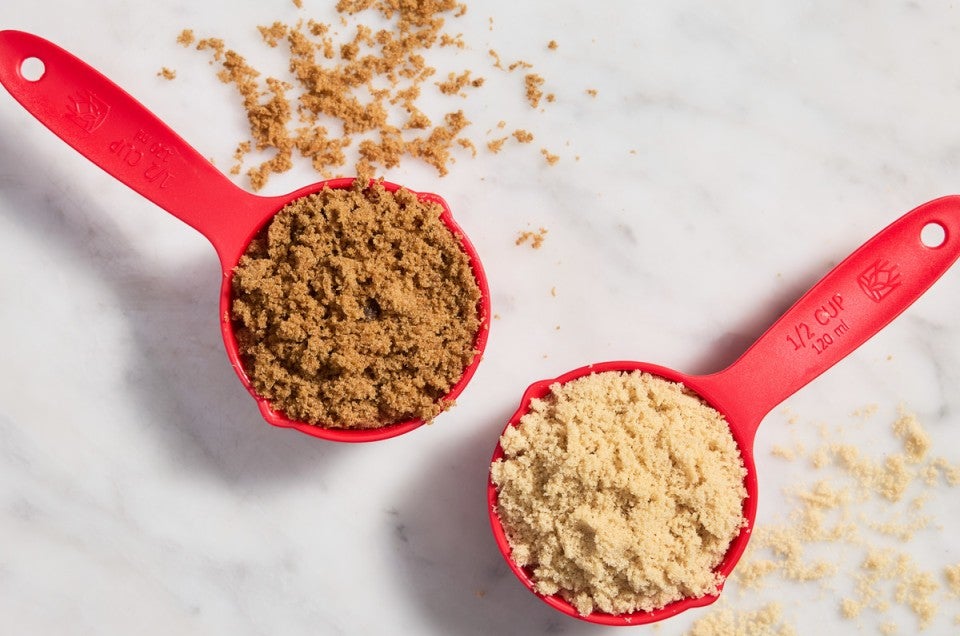
Dry measuring cups are usually made of plastic or metal. They have flat tops to level off extra ingredients easily.
- Dry measuring cups come in sets with different sizes
- Use a flat edge to level off the ingredient
- Do not pack ingredients unless the recipe says so
Measuring Tools For Liquid Ingredients
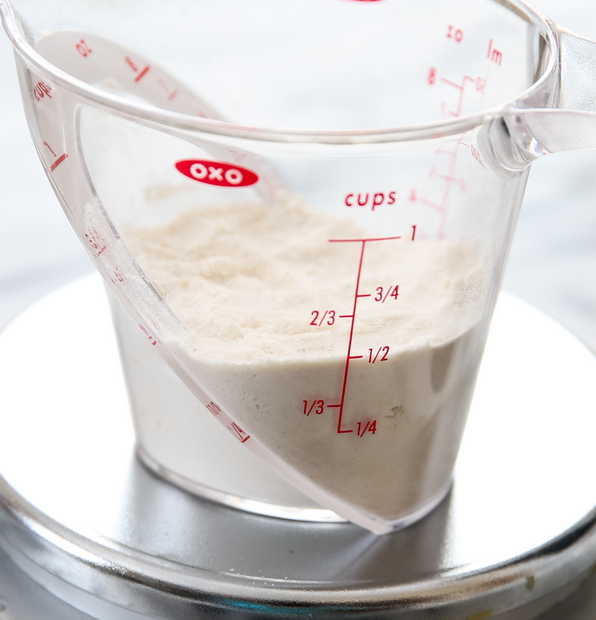
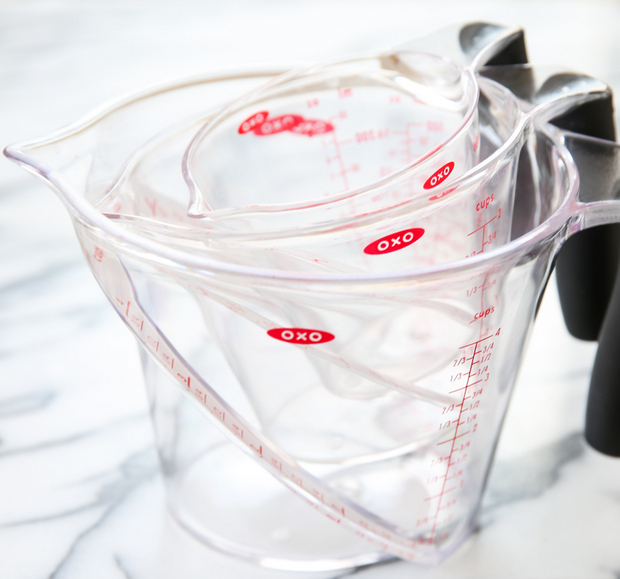
Liquid ingredients like water, milk, and oil need clear measuring cups with a spout. These cups allow you to see the liquid level easily.
Liquid measuring cups are usually made of glass or plastic. They have measurement marks on the side for accuracy.
- Place the cup on a flat surface
- Check the liquid level at eye height
- Use the spout for easy pouring
Credit: kirbiecravings.com
Why 1 Cup Dry Isn’t Equal To 1 Cup Liquid
People often think that 1 cup dry is the same as 1 cup liquid. This is not true because dry and liquid ingredients behave differently. Measuring both types the same way can cause problems in cooking and baking.
Understanding the difference helps you get better results. It is important to know why 1 cup dry does not equal 1 cup liquid.
Variations In Density And Volume
Dry ingredients have different densities. For example, flour is light and fluffy, while sugar is heavier. This means the same volume of dry ingredients can weigh very different amounts.
Liquid ingredients have a set volume but their weight changes depending on the liquid’s density. Water weighs 1 gram per milliliter, but oil is lighter. These differences affect how much space the ingredient takes up.
- Dry ingredients can trap air, making them lighter in volume
- Some dry ingredients settle and pack down, changing volume
- Liquid ingredients fill space exactly but vary in weight
- Density changes how much ingredient fits in 1 cup
Impact On Recipe Accuracy
Using 1 cup dry as if it is 1 cup liquid can change the recipe’s balance. Too much or too little of an ingredient affects taste and texture. Baking is especially sensitive to these changes.
Measuring dry ingredients by weight or using a dry measuring cup is best. For liquids, use a liquid measuring cup to get the right amount. This helps make the recipe turn out as expected.
- Wrong measurements can cause baked goods to be too dry or wet
- Flavor can be too strong or weak with incorrect ingredient amounts
- Texture changes if liquids and dry ingredients are not measured right
- Accurate measurements improve cooking and baking results
Common Ingredients And Their Measurement Differences
Measuring ingredients correctly is important in cooking and baking. Dry and liquid cups are not always the same for every ingredient. This guide helps you understand the differences.
Some ingredients weigh more or less depending on if they are dry or liquid. Knowing these differences helps you get better results in recipes.
Flour Vs. Water
Flour and water have very different densities. One cup of water always equals one cup liquid. One cup of flour does not equal one cup liquid in weight.
| Ingredient | 1 Cup Dry (grams) | 1 Cup Liquid (grams) |
|---|---|---|
| Flour | 120 grams | Not applicable |
| Water | Not applicable | 240 grams |
Sugar Vs. Milk
Sugar and milk show different volume and weight relations. One cup of sugar and one cup of milk do not weigh the same.
- 1 cup granulated sugar weighs about 200 grams.
- 1 cup whole milk weighs about 245 grams.
- Sugar is a dry ingredient; milk is liquid.
- Use a scale for accuracy when baking.
Other Common Ingredients
Many other ingredients have unique measurement differences. Knowing these helps with recipe success and consistency.
| Ingredient | 1 Cup Dry (grams) | 1 Cup Liquid (grams) |
|---|---|---|
| Brown Sugar (packed) | 220 grams | Not applicable |
| Honey | Not applicable | 340 grams |
| Butter (solid) | 227 grams | Not applicable |
| Olive Oil | Not applicable | 218 grams |
Credit: www.kingarthurbaking.com
Tips For Accurate Measuring In Cooking And Baking
Measuring ingredients correctly is very important for good cooking and baking results. Using the right tools and methods helps you avoid mistakes.
This guide gives simple tips to measure dry and liquid ingredients with accuracy. Follow these steps to improve your recipes.
Using The Right Measuring Cups
Use dry measuring cups for flour, sugar, and other dry ingredients. Use liquid measuring cups for water, oil, and milk. Dry cups usually come in sets of 1 cup, 1/2 cup, and smaller sizes. Liquid cups have space above the measurement mark to prevent spills.
- Dry cups are solid and meant to be filled and leveled off.
- Liquid cups have a spout for pouring and measurements on the side.
- Never use a liquid cup for dry ingredients or vice versa.
Leveling Dry Ingredients
Leveling dry ingredients gives you an exact amount. Fill the measuring cup until it is heaping. Then use a flat edge like a knife to scrape off the extra.
| Tip | Reason |
|---|---|
| Fill cup loosely | Prevents packing the ingredient too tight |
| Use a straight edge to level | Removes excess and ensures accuracy |
| Do not shake or tap cup | Avoids compacting ingredients |
Checking Liquid Measurements
Place liquid measuring cups on a flat surface. Pour the liquid and bend down to eye level. Check that the liquid line is exactly at the measurement mark.
- Look straight at the measurement mark for accuracy.
- Fill slowly to avoid going over the line.
- Use a clear cup to see the liquid level better.
- Wipe the outside to avoid drips changing the amount.
Converting Between Dry And Liquid Measurements
Cooking and baking often need precise measurements. Dry and liquid ingredients use different units. Understanding how to convert them helps in getting the right results.
One cup of dry ingredient is not always the same as one cup of liquid. This guide explains when conversions matter and how to do them.
When Conversion Is Necessary
You need to convert measurements when a recipe uses one type but your tools measure another. For example, a recipe might say one cup of flour but your cup measures liquids.
Some ingredients are measured by weight, others by volume. Dry ingredients like flour or sugar pack differently than liquids. Conversion helps keep the recipe balanced.
Helpful Conversion Charts
Conversion charts make it easy to switch between dry and liquid cups. They show how much a dry cup weighs for common ingredients. This helps convert volume to weight accurately.
| Ingredient | 1 Cup Dry (grams) | 1 Cup Liquid (ml) |
|---|---|---|
| Flour | 120 | 240 |
| Sugar | 200 | 240 |
| Butter | 227 | 240 |
| Milk | Not applicable | 240 |
| Water | Not applicable | 240 |
Practical Examples
If a recipe calls for one cup of flour but you only have a liquid measuring cup, use weight instead of volume. One cup of flour weighs about 120 grams.
For liquid ingredients like milk, one cup always equals 240 milliliters. Use a liquid measuring cup for best results.
- Use a kitchen scale to measure dry ingredients by weight.
- Use a liquid measuring cup for liquids to avoid spills.
- Remember that 1 cup dry ≠ 1 cup liquid for most ingredients.
Frequently Asked Questions
Is A Dry Cup The Same As A Liquid Cup?
No, they differ in measurement. A dry cup measures volume of solid ingredients like flour or sugar. A liquid cup measures volume of liquids such as water or milk. Their measurements are not interchangeable. It’s crucial to use the right cup for accurate results in cooking and baking.
How Do You Measure Dry Ingredients In A Cup?
Use a dry measuring cup for accuracy. Fill the cup with the dry ingredient, and then level it off with a straight edge. Ensure it’s not packed unless the recipe specifies. This method ensures precise measurement, crucial for baking and cooking success.
Can You Use Liquid Cups For Dry Ingredients?
It’s not recommended. Liquid measuring cups are designed for easy pouring. They might not provide accurate measurements for dry ingredients. Use specific dry measuring cups to ensure precision. This helps achieve the desired consistency and texture in your recipes.
Why Are Liquid And Dry Measurements Different?
They differ due to density and volume properties. Liquids conform to the shape of the container, while dry ingredients have varied density. This results in different measurement techniques. Using the right type of measuring cup ensures accuracy and consistency in recipes.
Conclusion
Measuring dry and liquid ingredients is not always the same. A cup of dry stuff can weigh differently than a cup of liquid. Baking and cooking need careful measurement for best results. Use proper tools like dry measuring cups and liquid measuring cups.
This helps avoid mistakes in recipes. Always check if the recipe means dry or liquid cups. Small changes affect taste and texture a lot. Remember, accuracy matters in the kitchen. Keep this in mind for better cooking every time.