
Have you ever found yourself wondering just how loud your range hood should be? You’re not alone.
Noise levels, especially in the kitchen, can greatly impact your cooking experience. If you’ve been eyeing a range hood with a 65 dB noise level, you might be asking yourself, “Is this too loud for my home? ” Understanding what 65 dB sounds like can be a game-changer.
Imagine cooking your favorite meal without the distraction of excessive noise. We’ll delve into whether 65 dB is loud for a range hood and help you make an informed decision for your kitchen sanctuary. Stick around to discover how noise levels affect your daily life and find the perfect balance of function and tranquility.
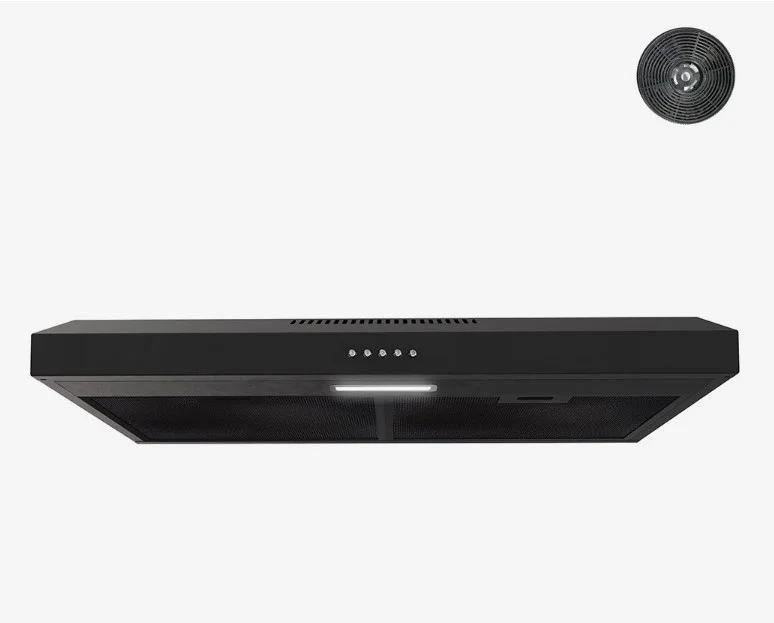
Credit: streamlinebath.com
Decibel Scale Basics
Understanding the decibel scale is key to figuring out if 65 dB is loud for a range hood. This scale measures sound intensity but can be tricky because it doesn’t grow in a straight line. Knowing what decibels really mean helps you judge noise levels in your kitchen and decide if a range hood’s sound will bother you.
What Decibels Measure
Decibels (dB) measure the loudness of sound, but it’s not just a simple count. The scale is logarithmic, which means a small increase in decibels represents a big jump in actual noise power.
For example, a sound at 65 dB is not just a little louder than 60 dB—it’s actually about three times more intense. This makes it important to understand how these numbers translate to real-life noise.
Decibels measure sound pressure levels, which your ears pick up as volume. The scale starts at 0 dB, which is the quietest sound you can hear, and goes up to over 180 dB, which can cause pain or hearing damage.
Common Noise Levels Around You
Think about the sounds you hear daily. A quiet library might sit around 40 dB, while normal conversation is about 60 dB. Street traffic can reach 70-85 dB, which is noticeably louder and can be distracting.
At 65 dB, a range hood is roughly as loud as background music or a busy office. It’s not silent, but not overwhelmingly loud either. You might barely notice it if you’re focused on cooking, but it could interfere with quiet conversations.
Would you find this noise level comfortable or distracting in your kitchen? Knowing this helps you decide if a 65 dB range hood fits your home environment or if you need something quieter.

Credit: prolinerangehoods.com
Typical Range Hood Noise
Understanding the typical noise level of a range hood can help you decide if 65 dB is too loud for your kitchen. Noise plays a big role in your cooking comfort and overall kitchen atmosphere. Let’s break down what you can usually expect in terms of sound from these appliances.
Average Decibel Ratings
Most range hoods operate between 40 and 70 decibels (dB). Quieter models often fall around 40-50 dB, similar to a quiet conversation at home. On the other hand, more powerful units can reach 60-70 dB, comparable to the noise of a vacuum cleaner.
So, a 65 dB range hood is on the higher side but still within the normal range for effective ventilation. It might feel a bit loud if you’re used to quieter models. How sensitive are you to background noise in your kitchen?
Factors Influencing Noise
- Motor power:Stronger motors usually generate more noise but remove smoke and odors faster.
- Fan speed:Higher speeds increase airflow but also the sound level.
- Installation:Poor installation or loose fittings can cause rattling and extra noise.
- Design and materials:Some hoods use sound-dampening materials to reduce noise.
Think about how often you cook and the types of meals you prepare. If you use high heat frequently, a louder hood might be necessary. But if you mainly do light cooking, a quieter model could improve your kitchen experience.
Interpreting 65 Db
Understanding what 65 decibels (dB) means helps you judge if a range hood is loud. Decibels measure sound intensity. The higher the number, the louder the noise. Sixty-five dB is a moderate noise level.
This level is common in many home appliances. It is neither very quiet nor extremely loud. Knowing this helps you decide if the sound suits your kitchen environment.
Comparison With Everyday Sounds
- Normal conversation usually measures around 60 dB.
- A vacuum cleaner typically runs at about 70 dB.
- City traffic noise can be near 65 to 85 dB.
- Quiet office spaces are around 40 to 50 dB.
So, 65 dB is close to everyday sounds like talking or light traffic. It is louder than a quiet room but softer than a vacuum cleaner.
Impact On Home Environment
At 65 dB, a range hood creates noticeable background noise. It may not disturb conversations but can be heard clearly. Continuous noise at this level can affect comfort over time.
This noise level may interfere with watching TV or phone calls. Still, it is less disruptive than louder appliances. Soundproofing or quieter range hoods can help if noise is a concern.
Noise Reduction Options
Living with a range hood that runs at 65 dB might start to feel like background noise you just can’t ignore. If you want to keep your kitchen peaceful without losing ventilation power, noise reduction options are worth considering. These solutions can help you enjoy cooking without the constant hum or drone interfering with your conversations or relaxation.
Installing Sound Dampeners
Sound dampeners can significantly cut down the noise your range hood produces. These devices work by absorbing or blocking sound waves before they reach your ears. You can add soundproofing materials around the ductwork or use specialized mufflers designed for kitchen vents.
Many homeowners have noticed a drop of 5-10 dB just by installing flexible duct liners or acoustic wraps around the exhaust pipes. Would you believe a simple foam mat placed near the fan can reduce vibration noise? This small change can turn your noisy kitchen into a much calmer space.
Choosing Quieter Models
If you’re in the market for a new range hood, look for models specifically advertised as “quiet” or “low noise.” These often have better-designed fans and motors that operate smoothly with less sound. Check product specs for sone ratings—a lower number means quieter operation.
Some brands offer hoods with advanced noise reduction technology, like variable speed controls and insulated blower chambers. Imagine adjusting your hood to a whisper-quiet setting while still getting good airflow. Isn’t it worth choosing a model that respects your kitchen’s sound environment?
Balancing Power And Noise
Finding the right balance between power and noise in a range hood can change your cooking experience. A louder hood might clear the air faster, but it can also disrupt conversations or quiet moments in your kitchen. On the other hand, a quieter hood may keep noise down but might not ventilate as effectively.
Ventilation Efficiency Vs Noise
Powerful range hoods usually produce more noise because they move air faster. You might notice that higher fan speeds bring out more cooking smells and smoke quickly, but the sound level rises too.
Think about the size of your kitchen and how often you cook. In a small kitchen, a 65 dB noise level might feel overwhelming, while in a larger space, it could be perfectly fine. You can also check for models with adjustable fan speeds to control noise without losing ventilation quality.
User Preferences
Your tolerance for noise plays a big role in choosing the right range hood. Some people don’t mind a louder appliance if it means cleaner air, while others prefer a quieter environment even if ventilation is a bit slower.
Ask yourself: How sensitive are you to background noise? Do you often have guests while cooking? Your answers will help you decide if 65 dB is too loud or just right for your daily routine.
Remember, some brands design range hoods with noise-dampening features. These can offer a good mix of power and quiet operation, making your kitchen time more enjoyable without sacrificing air quality.

Credit: www.homedepot.com
Frequently Asked Questions
Is 65 Db Loud For A Range Hood?
A range hood at 65 dB is moderately loud. It’s similar to a normal conversation or background music. This noise level is noticeable but not disruptive during cooking.
How Does 65 Db Compare To Other Range Hoods?
Range hoods usually range from 40 to 70 dB. At 65 dB, it is louder than quieter models but quieter than the loudest ones. It balances performance and noise for most kitchens.
Can 65 Db Noise Affect My Kitchen Comfort?
Yes, 65 dB can be a bit distracting if you prefer quiet spaces. However, many people find it acceptable during cooking. Using sound-dampening materials can improve comfort.
What Causes A Range Hood To Be 65 Db Loud?
Noise comes from the motor, fan speed, and air movement. Higher fan speeds usually produce louder sounds like 65 dB. Proper installation can reduce unnecessary noise.
Conclusion
A range hood with 65 dB noise can feel quite loud in small kitchens. This sound level may distract you while cooking or talking. Still, it depends on your tolerance and kitchen size. Some people find 65 dB acceptable for strong ventilation.
Others prefer quieter models under 60 dB for comfort. Choose a range hood that balances noise and performance. Think about your daily kitchen use and noise sensitivity. Quiet operation can make cooking more pleasant and less stressful.