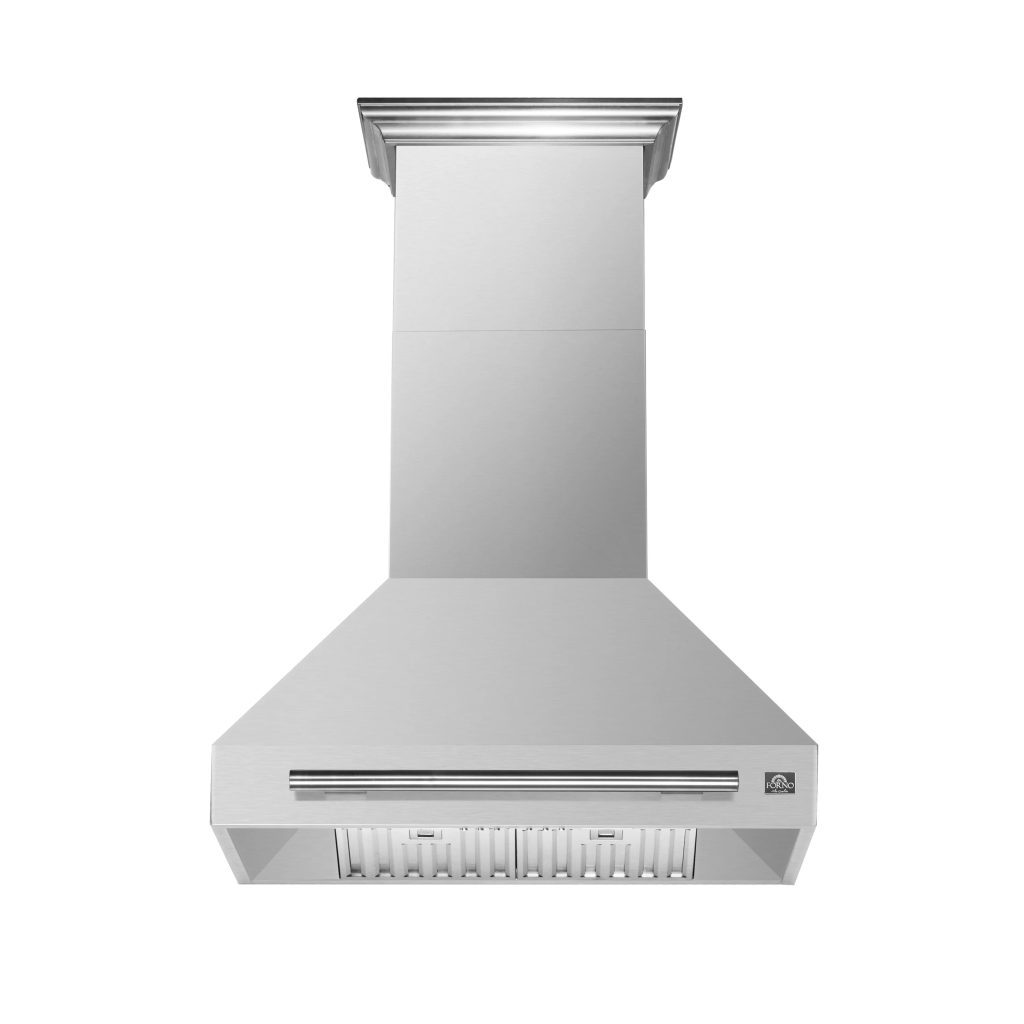
Imagine you’re in your kitchen, preparing a delicious meal. The aroma fills the air, but so does a persistent noise from your range hood.
Is it just background sound, or is it loud enough to disrupt your culinary zen? Understanding decibel levels can be tricky, especially when it comes to home appliances like range hoods. You might wonder, “Is 65 decibels loud for a range hood?
” Knowing the answer is crucial because it affects your cooking experience and the comfort of your home. In this blog post, we’ll break down what 65 decibels really means for you. We’ll explore how it compares to other common sounds and help you decide if your range hood is too loud. By the end, you’ll have the clarity you need to make an informed decision about your kitchen environment. So, let’s dive in and find out if your range hood is a noisy intruder or just part of the background symphony in your kitchen.

Credit: www.amazon.ca
Decibel Scale Basics
Understanding the decibel scale helps you judge if 65 decibels is loud for a range hood. It’s a way to measure sound intensity, but what does that number really mean for your kitchen environment? Let’s break down the basics so you can make a better choice for your home.
What Decibels Measure
Decibels (dB) measure the loudness or intensity of sound. The scale is logarithmic, which means each increase of 10 dB represents a tenfold increase in sound intensity.
This means a sound at 60 dB is ten times more intense than one at 50 dB. Your ears perceive this as roughly twice as loud, even though the intensity difference is much greater.
When you see 65 dB on your range hood’s specs, it tells you the noise level it produces during operation. But without context, that number alone doesn’t say if it’s quiet or noisy for your kitchen.
Common Noise Levels
| Sound Source | Decibel Level (dB) | How It Feels |
|---|---|---|
| Whisper | 20-30 | Very quiet, barely noticeable |
| Normal conversation | 60-65 | Comfortable, easy to talk over |
| Vacuum cleaner | 70-75 | Noticeably loud, can be tiring |
| Traffic noise | 80-85 | Distracting, difficult to focus |
Seeing 65 dB for a range hood means it’s about as loud as a normal conversation. Think about whether your kitchen is a place where you want background noise at that level.
Can you imagine having a conversation while your range hood runs at 65 dB? If it feels like it might interfere, looking for quieter models could improve your kitchen comfort.
Typical Range Hood Noise
Understanding typical range hood noise is essential before deciding if 65 decibels is too loud for your kitchen. Range hoods vary widely in sound levels depending on their design and function. Knowing what to expect helps you make a smarter choice for your home environment.
Average Decibel Ratings
Most range hoods operate between 40 and 70 decibels. A quiet model might produce sounds around 40 to 50 decibels, similar to a soft conversation. Louder models can reach 65 to 70 decibels, which is comparable to the background noise in a busy restaurant.
Have you ever tried to cook while your range hood sounds like a vacuum cleaner? That’s often near the higher end of the scale. It can be distracting and tiring if the noise is constant or very loud.
Factors Affecting Noise
The noise level depends on several factors, including the motor size, fan speed, and the type of range hood. Larger motors or higher fan speeds generally produce more noise.
- Installation:Poor installation can cause vibrations and rattling sounds.
- Design:Some models use sound-absorbing materials to reduce noise.
- Maintenance:Dirty or clogged filters make the fan work harder and louder.
Think about your kitchen layout and how much noise you can tolerate. Would you prefer a quieter model that might cost more, or a louder one with stronger suction? Your lifestyle and cooking habits should guide your choice.
Comparing 65 Decibels
Comparing 65 decibels helps understand how loud a range hood actually is. Decibels measure sound intensity, showing how noisy devices or environments can be. Knowing what 65 dB means makes choosing a kitchen appliance easier. This section breaks down typical sounds at 65 dB and what it feels like in the kitchen.
Everyday Sounds At 65 Db
Many daily sounds reach around 65 decibels. Examples include:
- Normal conversation between two people
- Background music in a restaurant
- Light traffic noise outside a window
- Dishwasher running in the next room
These sounds are noticeable but not disturbing. They allow you to carry on other tasks without strain. Comparing a range hood’s noise to these sounds helps set realistic expectations.
How 65 Db Feels In The Kitchen
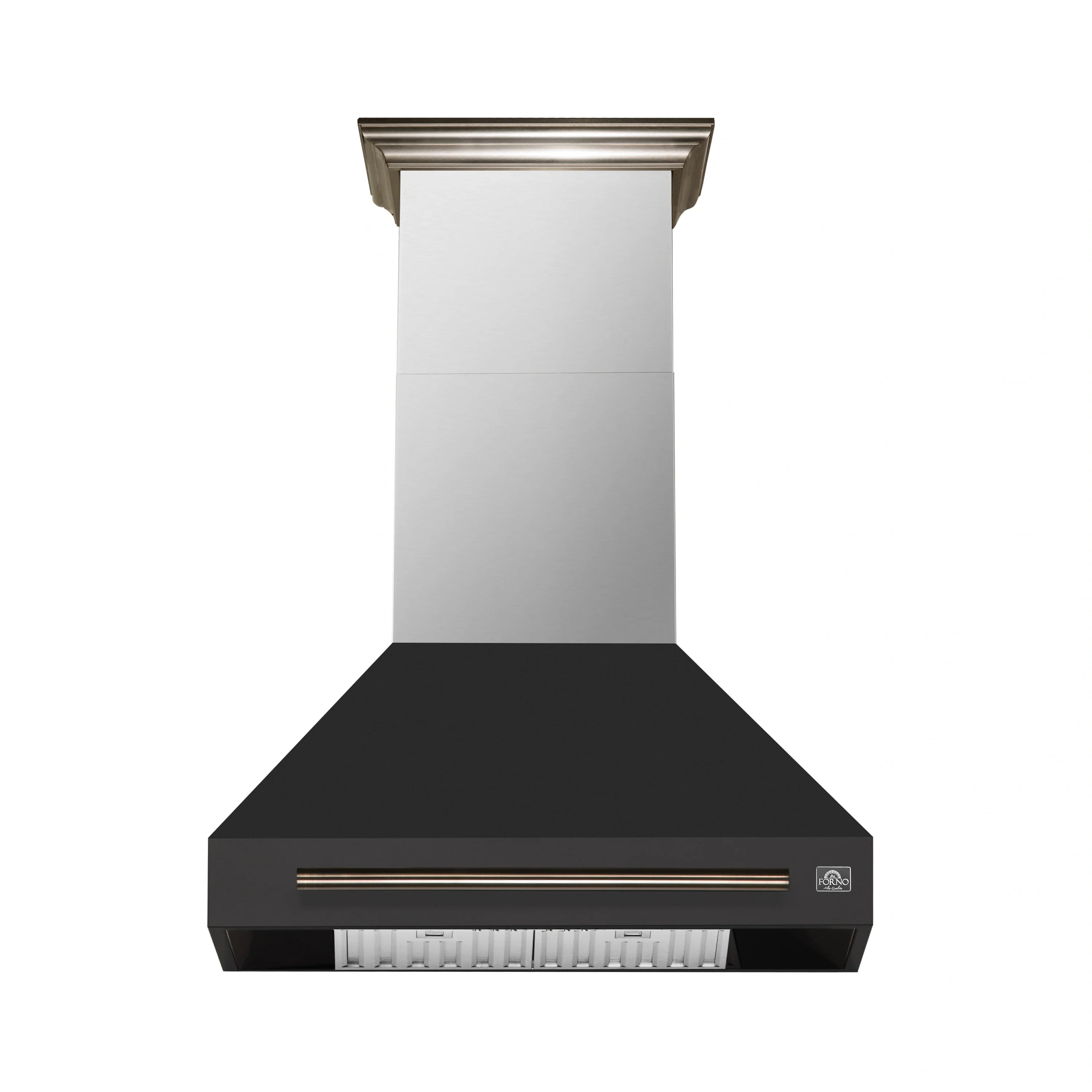
A 65-decibel range hood creates a moderate noise level. It is louder than soft whispers but quieter than a vacuum cleaner. You can hear it clearly, but it won’t overpower conversations or TV sounds.
In cooking moments, the noise blends with sizzling pans and running water. It stays in the background, providing effective ventilation without distraction. For most kitchens, 65 dB is a reasonable balance of power and quietness.
Credit: homeoutletdirect.ca
Impact Of Noise On Comfort
Noise from your range hood can affect more than just your ability to hear kitchen sounds clearly. It can influence your overall comfort while cooking, eating, or spending time in the kitchen. Understanding the impact of a 65-decibel noise level helps you decide if your range hood fits your comfort needs.
Hearing Health Considerations
At 65 decibels, the noise level is roughly equivalent to a normal conversation or background music. This means it is generally safe for your hearing over short periods. However, if you spend hours cooking daily with the hood running, continuous exposure might cause mild ear fatigue or discomfort.
Have you noticed a ringing or muffled hearing after long cooking sessions? This could be your ears signaling stress from prolonged noise exposure. Using a quieter range hood or limiting its use to necessary times can protect your hearing health effectively.
Effect On Kitchen Environment
Noise at 65 decibels can disrupt the kitchen’s atmosphere, especially in open-plan homes. It can make conversations harder, distract from music or TV, and reduce the overall enjoyment of your cooking space. You might find yourself raising your voice or turning off the hood prematurely, which defeats its purpose.
Imagine trying to share a recipe with a friend while your range hood sounds like a busy café. It affects not only your comfort but also the kitchen’s social vibe. Choosing a range hood with noise levels below 65 decibels can help maintain a calm and welcoming environment.
Choosing A Quiet Range Hood
Choosing a quiet range hood is important for a calm kitchen environment. Loud noises can disturb conversations and make cooking less enjoyable. A range hood with lower noise levels keeps the kitchen peaceful while removing smoke and odors efficiently.
Understanding noise ratings and special features helps pick a range hood that fits your needs. Focus on models designed to operate quietly without losing power.
Noise Ratings To Look For
Noise levels for range hoods are measured in decibels (dB). A range hood around 65 decibels is about as loud as a normal conversation. For quieter kitchens, look for noise ratings below 60 dB.
Check product details for the sone rating too. Son es measure sound more accurately for range hoods. A rating of 1.5 sones or less means the hood is very quiet. Higher sone numbers mean louder noise.
Quiet models often list noise levels at different fan speeds. Pay attention to noise at the higher speeds. Many hoods get louder as power increases.
Features That Reduce Noise
- Insulated Fan Housing:Reduces vibration and muffles sound from the motor.
- Variable Speed Controls:Allows using lower speeds for less noise during light cooking.
- Brushless Motors:Run more quietly and last longer than standard motors.
- Sound-Absorbing Materials:Built into the hood to lower noise output.
- Remote Blower Options:Moves the noisy motor outside the kitchen.
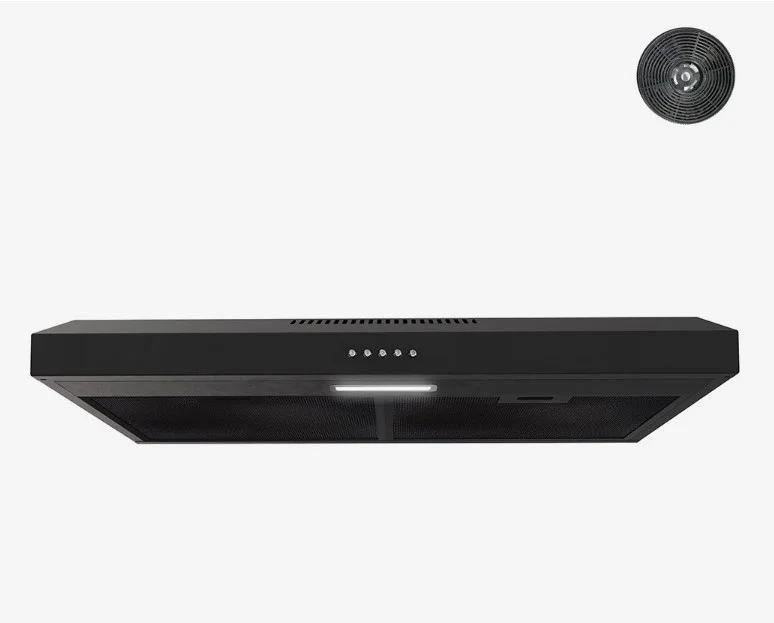
Choosing a range hood with these features helps maintain a peaceful kitchen. Quiet operation does not mean sacrificing performance.
Credit: streamlinebath.com
Maintaining Low Noise Levels
Maintaining low noise levels in your range hood ensures a quiet cooking space. Noise can disturb conversations and create an unpleasant kitchen environment. Proper care and smart installation reduce sound without losing performance. Simple steps help keep the decibel level comfortable for daily use.
Cleaning And Maintenance Tips
Regular cleaning prevents buildup that strains the motor and raises noise. Grease and dust make fans work harder, causing more sound. Clean filters every month to keep air flowing smoothly.
- Remove and wash filters with warm soapy water.
- Wipe fan blades gently to clear dust and grease.
- Check vents for blockages that increase noise.
- Lubricate moving parts to reduce friction sounds.
Well-maintained parts run quietly and last longer. Avoid ignoring small noises as they signal needed care.
Installation Best Practices
Correct installation helps limit noise from vibrations and loose parts. Secure mounting reduces rattling and shaking during use.
- Use rubber gaskets between the hood and wall or cabinet.
- Mount the hood on solid surfaces to prevent movement.
- Keep ductwork short and straight to avoid air turbulence.
- Choose insulated ducts to absorb sound.
Professional installation ensures proper placement and quiet operation. A well-installed hood runs smoothly with less noise interference.
Frequently Asked Questions
Is 65 Decibels Loud For A Kitchen Range Hood?
65 decibels is moderately loud for a range hood. It’s comparable to a normal conversation. Some users may find it noticeable but not disruptive.
How Does 65 Decibels Affect Kitchen Noise Levels?
At 65 decibels, the range hood adds background noise. It can mask other sounds but may affect quiet kitchen environments. Noise tolerance varies by person.
Can 65 Decibels Damage Hearing Over Time?
No, 65 decibels is safe for hearing during typical range hood use. Prolonged exposure to sounds above 85 decibels can cause hearing damage.
Are Quieter Range Hoods Available Than 65 Decibels?
Yes, many modern range hoods operate below 60 decibels. Look for models with noise ratings labeled as “quiet” or “ultra-quiet” for less noise.
Conclusion
A range hood at 65 decibels is moderately loud. It creates some background noise but is not too disruptive. You can still talk and hear sounds in the kitchen comfortably. This noise level suits many homes well. Choosing the right hood depends on your noise comfort and cooking needs.
Quiet models exist if 65 decibels feels too loud. Overall, 65 decibels is a common and acceptable sound level for range hoods. It balances power and noise for everyday use.