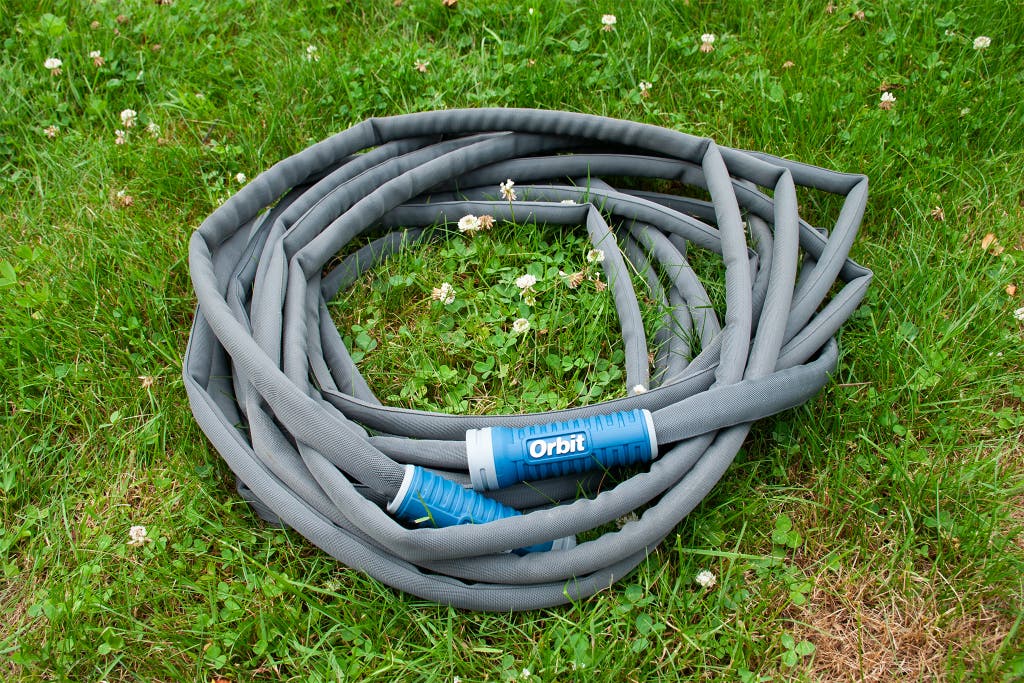
Are you wondering if a 1/2 inch garden hose is big enough for your watering needs? Choosing the right hose size can make a big difference in how quickly and efficiently you water your garden.
If your hose is too small, you might get frustrated with low water pressure and slow flow. But if it’s too big, you could be wasting water and money. You’ll discover the key factors that affect hose size, and find out whether a 1/2 inch hose is the perfect fit for your garden or if you should consider other options.
Keep reading to make sure your garden stays healthy and your watering routine stays hassle-free.

Credit: www.nytimes.com
Hose Diameter Basics
The diameter of a garden hose affects how much water flows through it. A common question is whether a 1/2 inch hose is big enough for gardening needs.
Understanding hose sizes helps in choosing the right one for your garden. Let’s explore the different sizes and their impact on water flow.
Common Garden Hose Sizes
Garden hoses come in various sizes. The most common diameters are 1/2 inch, 5/8 inch, and 3/4 inch.
- 1/2 inch: Suitable for light watering tasks.
- 5/8 inch: A versatile size for most gardening needs.
- 3/4 inch: Ideal for heavy-duty watering and large areas.
Impact Of Diameter On Water Flow
The diameter of the hose directly impacts the water flow rate. A larger diameter allows more water to pass through.
| Diameter | Flow Rate (Gallons per minute) |
| 1/2 inch | 9 |
| 5/8 inch | 17 |
| 3/4 inch | 23 |
Flow Rate And Pressure
A 1/2 inch garden hose is thinner than common garden hoses. Its size can change how much water flows and how strong the water pressure is.
Understanding flow rate and pressure helps to know if a 1/2 inch hose is enough for your needs.
How Diameter Affects Flow Rate
The diameter of a hose affects how much water moves through it each minute. A wider hose lets more water flow.
A 1/2 inch hose has a smaller diameter, so less water flows compared to a 5/8 inch or 3/4 inch hose.
- Smaller diameter means lower flow rate
- Less water reaches your plants or tools at once
- Longer watering time may be needed
Pressure Loss In Smaller Hoses
Water pressure drops more in smaller hoses because water meets more resistance inside.
A 1/2 inch hose may lose pressure faster over long distances than bigger hoses.
- Smaller hose diameter increases friction
- Friction reduces water pressure at the end
- Pressure loss affects watering efficiency
Pros Of 1/2 Inch Garden Hose
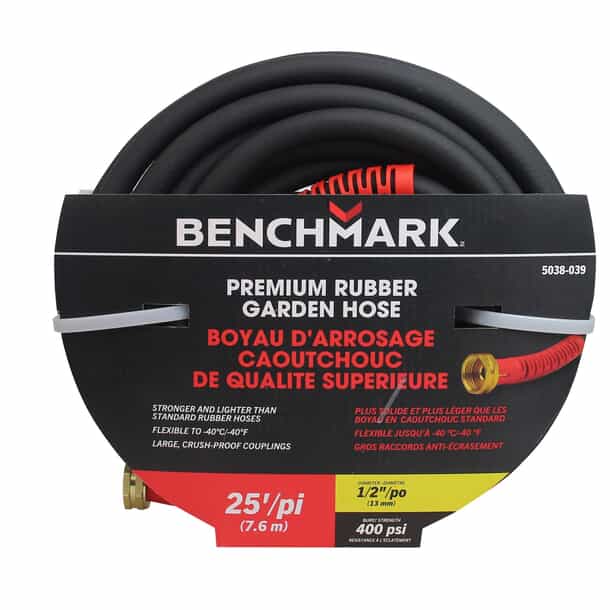
A 1/2 inch garden hose is a smaller size option for watering tasks. It is lighter and easier to handle than larger hoses. This size fits well for small gardens or light watering needs.
Choosing a 1/2 inch hose can save space and reduce effort. It works well for simple watering without wasting water or energy.
Portability And Flexibility
A 1/2 inch garden hose is very portable because it weighs less. You can carry it around easily without much strain. It coils up small, making storage simple.
This size is flexible and bends smoothly. It can fit around corners and tight spaces without kinking. This helps in watering plants in tricky spots.
- Lighter to carry for long periods
- Easy to coil and store in small spaces
- Bends easily without damage
- Works well in tight garden areas
Ideal Uses For Smaller Diameter
A 1/2 inch hose is perfect for light watering tasks. It works well in small gardens or for indoor plants. This size delivers just enough water without flooding.
It suits jobs like washing cars or filling small water containers. The smaller diameter means less water flow, saving water and reducing pressure loss.
- Watering flower beds and potted plants
- Filling pet water bowls or small pools
- Washing cars or garden tools
- Using with drip irrigation systems
Credit: www.homehardware.ca
Cons Of 1/2 Inch Garden Hose
A 1/2 inch garden hose is common for light watering tasks. It is smaller than standard hoses and has some drawbacks.
Knowing the cons helps you decide if it fits your gardening needs.
Limitations In Water Delivery
A 1/2 inch hose delivers less water than larger hoses. The smaller diameter restricts flow and pressure.
This means slower watering and less efficiency for bigger plants or large areas.
- Lower water flow rate reduces watering speed
- Less water pressure affects sprayers and nozzles
- Not ideal for filling large containers quickly
Unsuitability For High-demand Tasks
High-demand tasks need more water volume and pressure. A 1/2 inch hose struggles with these needs.
Tasks like washing cars or watering many plants require bigger hoses for better performance.
- Not suitable for heavy-duty watering jobs
- Can cause frustration due to slow water output
- May require multiple hoses for large projects
Comparing 1/2 Inch To Larger Sizes
Garden hoses come in different sizes. One common size is 1/2 inch. Larger sizes include 5/8 inch and 3/4 inch. Choosing the right size affects how water flows and the pressure you get.
This guide compares 1/2 inch hoses to bigger ones. It helps you decide which size fits your needs best.
Differences In Flow And Pressure
Flow means how much water moves through the hose. Pressure means how strong the water pushes out. A 1/2 inch hose has less flow than larger hoses. This is because the smaller diameter limits water volume.
Bigger hoses like 5/8 inch or 3/4 inch let more water flow. They keep better pressure over longer distances. A 1/2 inch hose may lose pressure quickly if the hose is very long.
- 1/2 inch hose: lower flow, less pressure at distance
- 5/8 inch hose: moderate flow and pressure, good for most yards
- 3/4 inch hose: high flow, best for big gardens and long hoses
Choosing The Right Size For Your Needs
Think about what you use the hose for. Small gardens with short hoses can use 1/2 inch hoses. They are lighter and easier to handle. For bigger gardens or watering many plants, larger hoses work better.
If you want to run sprinklers or water long distances, choose 5/8 inch or 3/4 inch hoses. They keep water flow steady and save time. Also, check your water supply pressure to match the hose size.
- Choose 1/2 inch for light watering and short hoses
- Choose 5/8 inch for general gardening and average length
- Choose 3/4 inch for heavy watering and long hose runs
Factors Influencing Hose Performance
The size of a garden hose affects how well water flows through it. Many factors change a hose’s performance. Knowing these helps you pick the right hose for your needs.
Two main factors are the length of the hose and its material quality. Both affect water pressure and durability.
Length Of The Hose
Longer hoses usually have lower water pressure. Water loses force as it travels farther. This means a short hose gives better flow.
- Short hose: Strong water pressure, easy to handle
- Medium hose: Balanced pressure, more reach
- Long hose: Lower pressure, useful for large gardens
Material And Construction Quality
Hoses made with tough materials last longer and resist leaks. The inside lining also affects water flow. Smooth inner walls reduce friction and keep pressure steady.
| Material | Durability | Water Flow |
| Rubber | High | Good |
| Vinyl | Medium | Average |
| Reinforced | Very High | Excellent |
Practical Tips For Using A 1/2 Inch Hose
A 1/2 inch garden hose can be useful for many small watering tasks. It works well for light watering and gardening. Understanding its limits helps you use it better.
This guide shares tips to get the most flow from your hose and keep it in good shape. Use these simple ideas to improve your watering experience.
Best Practices To Maximize Flow
To get the best water flow from a 1/2 inch hose, keep it straight and avoid kinks. Shorter lengths improve pressure. Use a nozzle with a wide opening to allow more water through.
- Keep the hose as straight as possible
- Avoid sharp bends and kinks
- Use shorter hose lengths when possible
- Choose a nozzle with a wide opening
- Turn on the water fully for best pressure
Maintenance And Care
| Maintenance Task | How to Do It |
| Check for leaks | Inspect hose for holes and cracks regularly |
| Drain water | Empty hose after use to prevent damage |
| Store properly | Keep hose coiled in shade, away from sun |
| Clean nozzle | Remove debris to keep water flow smooth |

Credit: www.amazon.ca
Frequently Asked Questions
Is A 1/2 Inch Garden Hose Sufficient For Watering Plants?
A 1/2 inch hose provides moderate water flow, ideal for small gardens. It suits light watering tasks but may be slow for large areas or heavy watering needs.
How Does A 1/2 Inch Hose Affect Water Pressure?
A 1/2 inch hose typically maintains good water pressure for most home uses. Narrower hoses can increase pressure but reduce flow rate, balancing water delivery effectively.
Can A 1/2 Inch Hose Handle High Water Flow Demands?
No, a 1/2 inch hose limits maximum water flow. For high-demand tasks like filling pools, a wider hose is more efficient and faster.
What Are Common Uses For A 1/2 Inch Garden Hose?
1/2 inch hoses work well for watering flower beds, small lawns, and light garden chores. They are easy to handle and store due to their size.
Conclusion
A 1/2 inch garden hose works well for light watering tasks. It fits small gardens and simple jobs easily. Water flows steadily but not very fast. For bigger jobs, a wider hose might help more. Think about your needs before choosing.
A hose that matches your garden size saves time and effort. Keep your garden healthy with the right tools. A small hose is good but has limits. Choose what fits your space and watering habits best.