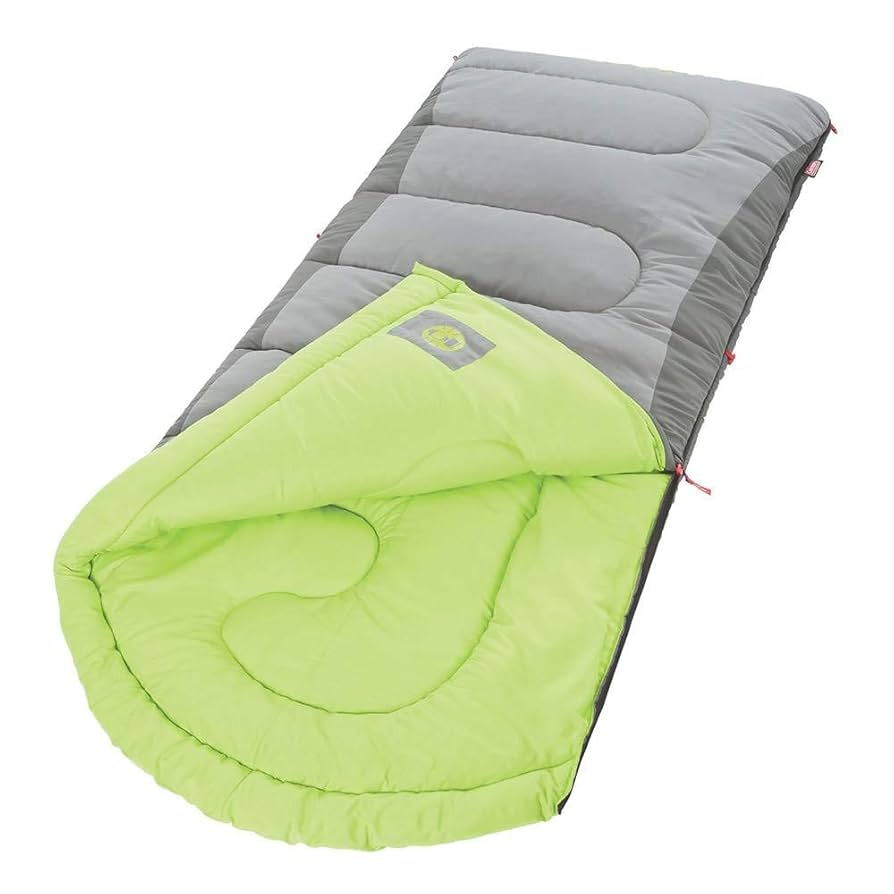
Are you planning your next outdoor adventure and wondering if a 40 degree sleeping bag will keep you warm enough? Choosing the right sleeping bag can make the difference between a cozy night and a freezing one.
You want to feel comfortable and safe, not tossing and turning all night. You’ll discover what a 40 degree rating really means and whether it matches your camping needs. Keep reading to make sure your next night under the stars is as warm and restful as possible.
Factors Affecting Sleeping Bag Warmth
Choosing the right sleeping bag depends on many factors. One key factor is whether a 40 degree sleeping bag is warm enough for your needs.
Understanding what affects warmth helps you pick a sleeping bag that keeps you comfortable outdoors.
Temperature Ratings
Temperature ratings show the lowest temperature a sleeping bag can handle. A 40 degree rating means the bag keeps you warm down to 40°F.
Keep in mind these ratings are general guidelines. Your comfort depends on your body, clothing, and weather.
Insulation Types
Sleeping bags use different insulation materials to trap heat. The two main types are down and synthetic.
- Down insulationis lightweight and compresses easily. It provides excellent warmth but loses heat when wet.
- Synthetic insulationis heavier but keeps warmth even if damp. It dries faster and costs less.
Bag Shape And Design
The shape and design of a sleeping bag affect how well it traps heat. Some designs fit closer to your body to reduce heat loss.
| Shape | Benefit |
| Mummy | Snug fit, less air space, better heat retention |
| Rectangular | More room, less heat retention |
| Semi-rectangular | Balance of comfort and warmth |

Credit: www.backpacker.com
Understanding Temperature Ratings
Choosing the right sleeping bag depends on understanding its temperature ratings. These ratings help you know how warm the bag will keep you in different conditions.
A 40 degree sleeping bag may work well in some situations but not all. Knowing the difference between comfort and limit ratings is important.
Comfort Vs. Limit Ratings
The comfort rating shows the lowest temperature at which a person can sleep comfortably. The limit rating shows the lowest temperature a person can survive in the bag but may feel cold.
- Comfort rating is for a relaxed sleeper.
- Limit rating is for a more tolerant sleeper.
- Comfort is usually higher than the limit rating.
- Choose based on your cold tolerance and conditions.
Seasonal Considerations
Different seasons bring different temperatures, so the sleeping bag rating must match the season you camp in. A 40 degree bag suits mild weather but not cold winters.
| Season | Typical Night Temperature | Recommended Sleeping Bag Rating |
| Summer | 50°F to 70°F (10°C to 21°C) | 35°F to 50°F (2°C to 10°C) |
| Spring/Fall | 30°F to 50°F (-1°C to 10°C) | 20°F to 35°F (-6°C to 2°C) |
| Winter | Below 30°F (-1°C) | Below 20°F (-6°C) |
Insulation Materials
Choosing the right insulation is key for a 40 degree sleeping bag. The two main types are down and synthetic.
Each type offers different warmth, weight, and care needs. Understanding these helps pick the best bag for your trip.
Down Vs. Synthetic
Down insulation comes from the soft feathers of ducks or geese. It traps heat very well and packs small.
Synthetic insulation uses man-made fibers to mimic down. It stays warm even when wet and is easier to clean.
Pros And Cons
| Feature | Down | Synthetic |
| Warmth | Excellent warmth-to-weight ratio | Good warmth, slightly heavier |
| Weight and Packability | Light and compresses well | Heavier and bulkier |
| Water Resistance | Losess insulation when wet | Keeps warmth when wet |
| Durability | Long-lasting with care | Less durable over time |
| Cost | Usually more expensive | More affordable |
- Down is great for dry, cold conditions.
- Synthetic works better in damp or wet places.
- Down needs careful cleaning and storage.
- Synthetic is easier to maintain and wash.

Credit: petromax.com
Shape And Design Impact
The shape and design of a sleeping bag affect how warm it keeps you. A 40 degree sleeping bag may feel different depending on its shape.
Good design keeps heat close to your body and blocks cold air. Let’s look at how shapes and extra features change warmth.
Mummy Vs. Rectangular
Mummy sleeping bags are narrow and fit tightly around your body. They keep heat better because less air space cools down.
Rectangular sleeping bags are wider and give more room to move. They may lose more heat because of the extra space inside.
- Mummy bags:Better heat retention, less space
- Rectangular bags:More comfort, less warmth
- Mummy shape:Best for cold nights
- Rectangular shape:Good for mild weather
Additional Features
Extra features can improve warmth in a 40 degree sleeping bag. Look for hoods, draft collars, and zipper baffles.
These features stop cold air from entering and keep warm air inside the bag. They make a big difference in chilly weather.
- Hood:Covers your head to keep heat in
- Draft collar:Blocks cold air around your neck
- Zipper baffle:Stops cold air from leaking through zippers
- Insulation design:Keeps warmth steady inside the bag
External Factors Influencing Warmth
A 40 degree sleeping bag can feel warm or cold based on outside factors. Your comfort depends on more than just the bag’s rating.
Understanding these factors helps you prepare better for your trip. Here are key elements that affect how warm your sleeping bag will feel.
Weather Conditions
Weather plays a big role in how warm you stay. Wind, rain, and humidity can all change your comfort level.
Strong winds make cold air hit your bag harder. Wet weather can soak your gear and cause heat loss.
- Wind lowers the temperature you feel.
- Rain or snow can wet your clothes and sleeping bag.
- Humidity can make air feel colder or warmer.
Ground Insulation
The ground pulls heat away from your body fast. Sleeping directly on cold ground makes you colder.
Use a sleeping pad or extra blankets under your bag. This keeps cold from seeping in from below.
- Foam pads block cold ground.
- Air pads add extra warmth and comfort.
- Blankets or natural materials help if pads aren’t available.
Clothing And Layering
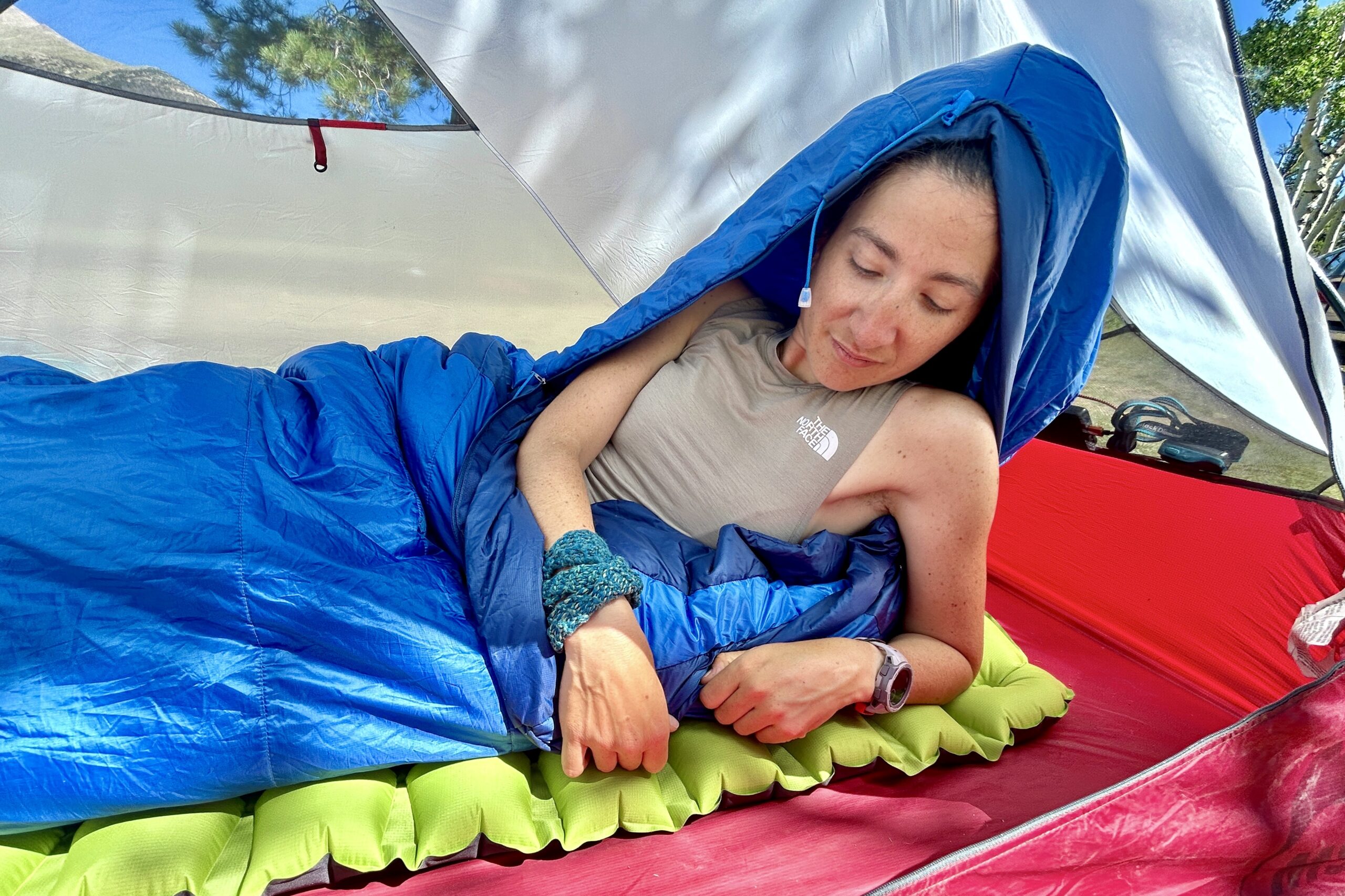
Wearing the right clothes inside your sleeping bag helps keep heat in. Layering traps warm air close to your body.
A dry base layer, warm mid-layer, and hat can make a 40 degree bag feel warmer. Avoid tight clothes that block circulation.
- Wear moisture-wicking base layers.
- Add a fleece or insulated mid-layer.
- Use a hat to keep heat from escaping your head.
- Keep clothes dry for best warmth.
Credit: www.cleverhiker.com
Tips For Enhancing Warmth
A 40 degree sleeping bag can keep you warm in mild conditions. But if it feels cold, there are ways to add extra warmth. Use these tips to stay cozy on chilly nights.
Small changes can make a big difference. Simple adjustments help keep your body heat inside the sleeping bag.
Using Liners
Sleeping bag liners add an extra layer of warmth. They trap heat close to your body and block cold air.
Liners come in different materials. Fleece and silk are popular because they are soft and warm.
- Fleece liners add about 10 to 15 degrees of warmth
- Silk liners are lightweight and help keep you warm
- Linens are easy to wash and keep your sleeping bag clean
Proper Ventilation
Proper ventilation prevents moisture build-up inside the sleeping bag. Moisture can make you feel cold quickly.
Keep a small opening to let air flow. This reduces sweat and dampness that lowers warmth.
- Unzip the bag slightly if you feel too warm
- Use breathable materials that allow air to pass
- Keep your sleeping area dry to avoid dampness
Selecting The Right Size
A sleeping bag that fits well keeps you warmer. Too much space lets cold air in around your body.
Choose a bag that matches your height and width. A snug fit traps heat better.
- A bag too large wastes your body heat
- A bag too tight may feel uncomfortable
- Pick a size that allows movement but holds heat
Choosing The Right Bag For Your Needs
Choosing the right sleeping bag keeps you warm and comfortable. A 40 degree sleeping bag fits many situations but may not work for all.
Think about where you will camp and how cold it gets. Your needs guide your choice of sleeping bag temperature rating.
Matching Bag To Environment
Pick a sleeping bag rated for temperatures near the lowest you expect. A 40 degree bag is good for mild weather.
If nights get colder than 40 degrees, you might feel cold. Check average night temperatures before choosing your bag.
- Summer camping: 40 degree bags usually work well
- Spring and fall: check if nights drop below 40 degrees
- Winter camping: choose bags rated for lower temperatures
Evaluating Personal Comfort Levels
Everyone feels cold differently. Some need warmer bags, others are fine with lighter ones.
Think about your usual comfort. If you often feel cold, pick a warmer bag than 40 degrees.
- If you sleep cold, add a liner or choose a lower rating
- Try your bag at home to test comfort before trips
- Wear dry, warm clothes inside the bag for extra warmth
Frequently Asked Questions
Is A 40 Degree Sleeping Bag Suitable For Cold Weather?
A 40 degree sleeping bag is best for mild to cool weather. It keeps you warm above freezing but may not suit very cold conditions. For freezing temperatures, consider a sleeping bag rated lower than 40 degrees for better insulation.
Can I Use A 40 Degree Sleeping Bag In Winter?
Using a 40 degree sleeping bag in winter depends on the climate. In mild winter areas, it may suffice. However, in harsh winter conditions, it won’t provide enough warmth. Layering with thermal blankets or wearing insulated clothing can help in colder weather.
What Temperature Does A 40 Degree Sleeping Bag Protect Against?
A 40 degree sleeping bag protects you down to about 40°F (4°C). It is designed for cool nights but not extreme cold. Always check the bag’s temperature rating and match it with expected weather for a comfortable sleep.
Should I Choose A 40 Degree Sleeping Bag For Backpacking?
A 40 degree sleeping bag is lightweight and good for three-season backpacking. It balances warmth and weight, making it ideal for spring, summer, and fall. For colder trips, choose a sleeping bag with a lower temperature rating to stay warm.
Conclusion
A 40 degree sleeping bag suits mild weather camping. It keeps most people warm in spring or fall. But cold sleepers may need extra layers. Choose based on your comfort and trip needs. Remember, good insulation matters more than the rating.
Test your gear before heading outdoors. Stay safe and enjoy your camping experience!