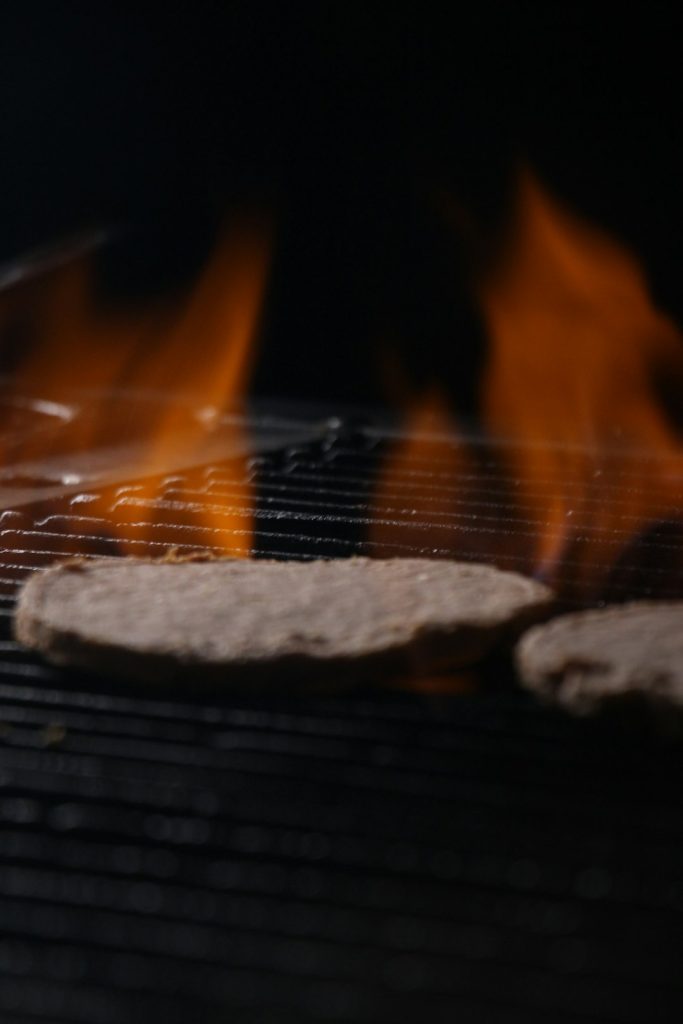
When you fire up your charcoal grill to cook hamburgers, have you ever wondered how the heat actually cooks your food? Is it through conduction, convection, or radiation?
Understanding this can change the way you grill and help you make juicier, tastier burgers every time. You’ll discover exactly how heat moves from the charcoal to your burger, so you can master your grilling skills and impress your family and friends with perfectly cooked patties.
Keep reading—you’re about to unlock the science behind your favorite cookout.
Heat Transfer Methods In Grilling
Grilling hamburgers on a charcoal grill uses different heat transfer methods. Understanding these methods helps explain how the burgers cook evenly.
There are three main ways heat moves during grilling: conduction, convection, and radiation. Each plays a role in cooking your food.
Basics Of Conduction
Conduction is heat transfer through direct contact. When the hamburger touches the hot grill grates, heat moves from the metal to the meat.
This method cooks the parts of the burger touching the grill faster than the parts not touching. It helps create the sear marks on the meat.
Role Of Convection
Convection moves heat through air or liquid. On a charcoal grill, hot air rises and circulates around the burger. This cooks the meat evenly on all sides.
- Hot air flows upward from the charcoal
- Heat surrounds the burger, cooking it from all sides
- Convection helps cook the inside of the burger
- It also keeps the cooking temperature steady
Impact Of Radiation
Radiation transfers heat through electromagnetic waves. The glowing charcoal emits infrared radiation that heats the surface of the burger.
| Heat Transfer Method | How It Works | Effect on Burger |
|---|---|---|
| Conduction | Direct contact with grill grates | Creates sear marks and cooks surface |
| Convection | Hot air circulation around burger | Cooks burger evenly inside and out |
| Radiation | Infrared heat from glowing charcoal | Heats surface quickly and adds flavor |

Credit: www.napoleon.com
How Charcoal Grills Work
Charcoal grills cook food using different types of heat. Understanding how they work helps you cook better hamburgers.
These grills use charcoal as the main heat source. The heat moves by air and radiation to cook the food.
Charcoal As A Heat Source
Charcoal burns and creates heat by glowing red. This heat comes from burning carbon in the charcoal.
The glowing charcoal gives off heat mainly through radiation. This heat cooks the hamburgers on the grill.
- Charcoal glows when it burns
- It gives off heat by radiation
- Radiant heat cooks the food directly
Airflow And Temperature Control
Airflow controls how hot the charcoal burns. More air makes the fire hotter and less air cools it down.
Grills have vents to adjust airflow. Opening vents adds oxygen, which feeds the fire and raises temperature.
- Open vents increase airflow and heat
- Closed vents reduce airflow and heat
- Good airflow keeps charcoal burning evenly
Placement Of Food On The Grill
Where you place the hamburgers affects how they cook. Food placed directly above the charcoal cooks with radiation.
Heat also moves by convection when hot air rises around the food. This helps cook the hamburgers evenly.
- Directly over charcoal: cooks by radiation
- Around heat: cooks by convection
- Grill grates conduct some heat to the food
Heat Transfer In Charcoal Grilling Hamburgers
Grilling hamburgers on a charcoal grill involves heat transfer. Understanding this helps you cook better.
The heat transfer occurs in three main ways: conduction, convection, and radiation. Each plays a role.
Direct Contact With Grill Grates
When the burger touches the grill grates, it cooks by conduction. The heat moves directly from the grates to the meat.
This contact creates grill marks. It also gives the burger a nice crust, adding flavor and texture.
- Direct heat cooks the outer layer fast
- Grill marks show effective conduction
Heat Circulation Around The Burger
Heat circulation around the burger is convection. Hot air from the charcoal surrounds the meat.
This process helps cook the inside evenly. It ensures the burger is not raw in the middle.
- Hot air rises and cooks from all sides
- Even cooking prevents raw centers
Radiant Heat From Charcoal
Charcoal emits radiant heat. This is like the sun warming your skin. It cooks the burger from a distance.
Radiant heat adds smoky flavor. It penetrates the meat, making it taste delicious.
- Radiant heat gives a smoky taste
- It cooks the burger without direct contact
Comparing Heat Transfer Effects
Cooking hamburgers on a charcoal grill uses different types of heat transfer. The main types are conduction, convection, and radiation. Each type affects how the burger cooks and tastes.
Understanding these heat transfers helps explain why charcoal grilling gives unique results compared to other cooking methods.
Texture And Cooking Speed
Conduction happens when the burger touches the hot grill grates. This direct contact cooks the meat quickly and creates grill marks. It also gives a crispy texture on the outside.
Convection occurs as hot air and smoke move around the burger. This cooks the inside more evenly but takes more time than conduction.
- Conduction cooks the surface fast and adds crispiness.
- Convection heats the burger’s inside more slowly.
- Radiation from hot coals adds heat without contact.
Flavor Development
Radiation is heat that travels in waves from the hot charcoal to the burger. This heat helps create a smoky flavor. The smoke also adds taste that other heat types do not provide.
Conduction seals the burger’s juices by quickly browning the outside. This adds a rich, savory flavor. Convection helps cook the meat evenly, preventing some parts from drying out.
- Radiation adds smoky, grilled flavor.
- Conduction creates a brown, juicy crust.
- Convection ensures even cooking and moisture.
Common Grilling Techniques
Many grillers use a mix of heat transfer methods. Placing burgers directly on the grill uses conduction and radiation. Moving burgers away from coals uses more convection heat.
Techniques like flipping and adjusting grill vents control these heat types. This helps cook burgers evenly and develop better flavors and textures.
- Direct grilling uses conduction and radiation.
- Indirect grilling relies more on convection.
- Flipping controls surface cooking and browning.
- Vent control adjusts air flow and heat level.
Optimizing Charcoal Grilling
Charcoal grill cooking uses radiation as the main heat transfer. The glowing coals emit infrared heat that cooks food. Understanding this helps you control cooking better.
Optimizing charcoal grilling means managing heat zones and grill setup. These steps improve how hamburgers cook and taste.
Managing Heat Zones
Heat zones let you cook burgers at different temperatures on the same grill. Place hot coals on one side for high heat. Leave the other side with fewer coals for low heat.
- Use direct heat for searing burgers quickly.
- Use indirect heat to finish cooking without burning.
- Move burgers between zones to control doneness.
Adjusting Grill Setup
Adjust your grill setup to control temperature and smoke. Arrange coals to create even heat. Add wood chips for extra flavor if desired.
Control airflow with the grill vents. Opening vents increases heat by feeding oxygen. Closing vents lowers heat by reducing oxygen.
- Spread coals evenly for uniform cooking.
- Use a chimney starter to light coals quickly.
- Keep the grill lid closed to trap heat and smoke.
Tips For Juicy Hamburgers
Start with good ground beef that has enough fat. Fat keeps burgers moist and flavorful. Avoid pressing down on burgers while cooking.
Cook burgers over medium heat for even cooking. Flip only once to keep juices inside. Let burgers rest a few minutes before serving.
- Use fresh meat with about 20% fat content.
- Shape patties gently and make a small dip in the center.
- Season with salt and pepper just before grilling.
- Check doneness with a meat thermometer or by feel.

Credit: www.americastestkitchen.com

Credit: www.napoleon.com
Frequently Asked Questions
How Does A Charcoal Grill Cook Hamburgers?
A charcoal grill cooks hamburgers mainly through radiation and convection. The hot coals emit infrared radiation that heats the meat. Additionally, heated air circulates around the burger, cooking it evenly. Conduction occurs where the burger contacts the grill grates.
Is Charcoal Grilling Mostly Conduction Or Convection?
Charcoal grilling primarily uses radiation and convection. Radiation heats food directly from hot coals. Convection cooks food through hot air movement around the grill. Conduction plays a smaller role, transferring heat where the meat touches the grill grates.
Does Radiation Cook Food Faster On A Charcoal Grill?
Yes, radiation cooks food quickly on a charcoal grill. Infrared heat from glowing coals transfers energy rapidly. This intense heat sears the burger’s surface, locking in juices and flavor. Radiation is a key reason charcoal grills produce distinct smoky flavors.
Can Convection Alone Cook Hamburgers On A Grill?
Convection alone can cook hamburgers but less effectively. Hot air circulation transfers heat evenly but slower than radiation. On a charcoal grill, convection complements radiation for thorough cooking. Without radiant heat, burgers may lack the classic grilled sear and flavor.
Conclusion
Charcoal grills cook hamburgers mainly through radiation heat. The glowing coals emit infrared rays that cook the meat evenly. Some heat moves by convection as hot air rises around the burger. Direct contact with the grill grate adds a bit of conduction.
This mix of heat types gives the burger its tasty, grilled flavor. Understanding these helps you cook better hamburgers every time. Keep your grill hot and use the right techniques for the best results.