Have you ever wondered if a charcuterie board is just another name for a cutting board? If you’re someone who loves hosting or simply enjoys a good snack spread, this question might have crossed your mind.
Understanding the difference can change the way you prepare and present your food. Keep reading, because by the end of this article, you’ll know exactly what sets these two boards apart—and how choosing the right one can make your next gathering look and feel more special.

Credit: www.amazon.com
Charcuterie Board Basics
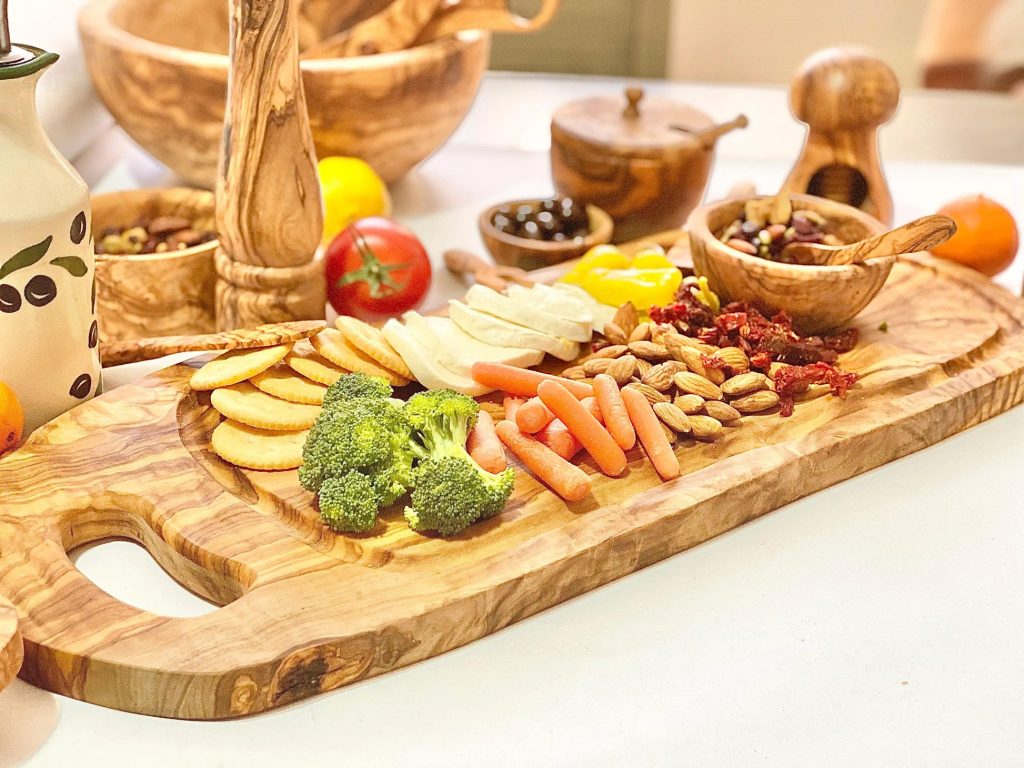
A charcuterie board is a tray that holds meats, cheeses, and snacks. People use it for serving food in a stylish way.
It looks like a cutting board but has a different purpose. Many wonder if a charcuterie board is the same as a cutting board.
Purpose And Use
A charcuterie board is for presenting food, not cutting it. It shows off different flavors and textures for guests to enjoy.
Cutting boards are made for chopping and slicing food safely. Charcuterie boards focus on display and serving.
- Charcuterie boards hold meats, cheese, fruits, and nuts.
- They create a nice look for parties or meals.
- Cutting boards protect counters during food prep.
- They are used with knives and other tools.
Common Materials
Charcuterie boards often use wood or stone for a natural look. These materials also help keep food fresh and cool.
Cutting boards come in various materials designed for durability and hygiene. Some materials are better for knives and cleaning.
- Wood: Popular for charcuterie boards, adds warmth and style.
- Slate or marble: Used for cool, elegant food display.
- Plastic: Common for cutting boards, easy to clean.
- Bamboo: Durable and eco-friendly for both uses.
Cutting Board Essentials
Cutting boards are common in kitchens for food preparation. They protect surfaces and keep knives sharp. Some people wonder if a charcuterie board is the same as a cutting board.
Knowing the main uses and materials of cutting boards helps you choose the right one. This guide explains their key functions and material types.
Primary Functions
Cutting boards serve several important roles in the kitchen. They provide a safe place to cut foods and protect counters from damage. They also help keep knives sharper longer by offering a soft cutting surface.
- Protect kitchen countertops from knife marks and stains
- Provide a hygienic surface for food preparation
- Help maintain knife edges by offering an appropriate cutting surface
- Can be used to serve food, but this is not their main purpose
Material Varieties
Cutting boards come in many materials. Each material affects cutting performance, maintenance, and hygiene. Choose based on your kitchen needs and cleaning habits.
| Material | Advantages | Disadvantages |
|---|---|---|
| Wood | Durable, gentle on knives, natural antibacterial properties | Needs regular oiling, not dishwasher safe |
| Plastic | Easy to clean, dishwasher safe, affordable | Can get deep knife marks, may harbor bacteria |
| Bamboo | Eco-friendly, hard surface, resists moisture | Can dull knives faster, needs care to avoid cracking |
| Glass | Easy to clean, non-porous, visually appealing | Harsh on knives, can break or chip |
Design Differences
Charcuterie boards and cutting boards look similar. Both are flat surfaces made of wood or other materials. Yet, their designs serve different purposes.
Understanding the design differences helps choose the right board for your needs. Let’s explore their shape, size, and surface features.
Shape And Size
Cutting boards come in many shapes and sizes. They are usually rectangular or square. This shape helps with chopping and slicing food.
Charcuterie boards often have more artistic shapes. They may be round, oval, or irregular. Their size is also smaller or medium to fit on a table for serving.
- Cutting boards: larger, rectangular or square
- Charcuterie boards: medium size, creative shapes
- Cutting boards focus on practicality
- Charcuterie boards focus on presentation
Surface Features
Cutting boards have smooth, flat surfaces for easy chopping. Some have grooves to catch juices from meat or fruits. They often use hard materials to resist knife marks.
| Feature | Cutting Board | Charcuterie Board |
| Surface Texture | Flat and smooth | May have grooves or patterns |
| Material | Hard wood or plastic | Wood or slate for style |
| Function | Food prep and chopping | Serving and display |
| Additional Features | Juice grooves, non-slip feet | Handles, decorative edges |

Credit: food52.com
Functional Differences
Charcuterie boards and cutting boards look similar but serve different purposes. Understanding their functional differences helps you use each one correctly.
This guide compares charcuterie boards and cutting boards in two main areas: food preparation versus presentation, and maintenance and care.
Food Preparation Vs Presentation
Cutting boards are made for chopping, slicing, and dicing food safely. Charcuterie boards are designed to display food beautifully for serving.
- Cutting Boards:Durable and thick to handle knives and heavy use.
- Charcuterie Boards:Smooth surface and elegant design to showcase meats, cheeses, and fruits.
- Material Differences:Cutting boards use harder woods or plastic to resist cuts; charcuterie boards often use softer woods for aesthetics.
- Function:Cutting boards protect countertops during food prep; charcuterie boards create an appealing food presentation.
Maintenance And Care
Each board type requires different care to keep it in good condition and safe for food use.
| Board Type | Cleaning | Oiling | Storage |
|---|---|---|---|
| Cutting Board | Wash with hot, soapy water after every use. | Oil regularly to prevent cracking and warping. | Store flat in a dry place to avoid bending. |
| Charcuterie Board | Wipe clean with a damp cloth; avoid soaking. | Apply food-safe oil to maintain appearance. | Keep in a dry area to protect the wood finish. |
Can They Be Used Interchangeably?
Many people wonder if a charcuterie board can serve as a cutting board. Both are flat surfaces used in the kitchen. But they have different purposes and materials.
Using them for the wrong task might damage the board or affect food safety. Let’s explore the pros and cons of using these boards interchangeably.
Pros And Cons
Charcuterie boards and cutting boards each have benefits and drawbacks. Understanding these helps you choose when to use each one.
- Charcuterie Board Pros:Attractive presentation, smooth surface, ideal for serving meats and cheeses.
- Charcuterie Board Cons:Can be scratched or stained by knives, often not designed for heavy chopping.
- Cutting Board Pros:Durable surface for cutting, often made from wood or plastic, easy to clean.
- Cutting Board Cons:Plain look, not suited for serving or presentation.
Best Practices
To keep your boards in good shape, follow these simple rules. This table shows the best uses for each board type.
| Board Type | Best Use | Care Tips |
| Charcuterie Board | Serving meats, cheeses, and snacks | Clean gently, avoid heavy cutting |
| Cutting Board | Chopping vegetables, slicing meat | Clean thoroughly, sanitize often |
Use a cutting board for food prep to protect your knives and board. Save charcuterie boards for serving to keep them looking nice.
Choosing The Right Board
Charcuterie boards and cutting boards look similar but serve different purposes. Choosing the right board makes your food look great and stay safe.
Think about how you will use the board before buying one. Size, shape, and material all matter.
Based On Occasion
The event type guides your board choice. Some boards work better for parties, others for kitchen use.
For casual gatherings, a decorative charcuterie board adds style. For cooking, a strong cutting board is best.
- Small get-togethers: choose compact boards with sections
- Large parties: pick bigger boards to hold more food
- Cooking: use boards that handle chopping well
- Serving: look for boards that are easy to clean and pretty
Material Considerations
Materials affect board durability and food safety. Wood, bamboo, glass, and plastic all have pros and cons.
Wood boards are great for serving because they look nice. Plastic boards work well for cutting since they are easy to clean.
- Wood: beautiful but needs regular oiling
- Bamboo: eco-friendly and hard but may dull knives
- Plastic: dishwasher safe and good for meat
- Glass: easy to clean but can damage knives

Credit: www.amazon.com
Frequently Asked Questions
What Is A Charcuterie Board Made Of?
A charcuterie board is typically made of wood or slate. These materials provide a sturdy and attractive surface. They are ideal for displaying an assortment of meats, cheeses, and accompaniments. Some boards may also be made of marble or other materials.
Can You Use A Cutting Board For Charcuterie?
Yes, a cutting board can be used for charcuterie. However, it’s best to choose a board that is aesthetically pleasing. A wooden or slate board enhances the presentation. Ensure the board is clean and large enough to display various items.
What Is The Difference Between Charcuterie And Cutting Boards?
Charcuterie boards are designed for presentation, while cutting boards are for food preparation. Charcuterie boards are often decorative and made of materials that enhance display. Cutting boards are usually more functional. They are made of materials like plastic or bamboo, suitable for food prep.
Are Charcuterie Boards Safe For Cutting?
Charcuterie boards can be used for light cutting tasks. However, they might not withstand heavy-duty chopping. It’s best to use a cutting board for rigorous tasks. This helps maintain the charcuterie board’s appearance and longevity.
Conclusion
A charcuterie board and a cutting board serve different purposes. One is made for serving food in style, while the other is for chopping ingredients. Both can be wooden, but their designs vary. Choosing the right board depends on what you need.
A charcuterie board adds charm to meals. A cutting board keeps your kitchen clean and safe. Knowing the difference helps you use them well. This way, your food looks great and stays fresh. Simple tools, clear uses. Easy to enjoy every meal.