Are you confused about whether a dehumidifier and an air conditioner do the same thing? You’re not alone.
Many people mix them up because both deal with air and comfort. But here’s the truth: they work differently and serve unique purposes. Understanding these differences can help you make smarter choices for your home’s air quality and comfort. Keep reading, and you’ll discover what each device really does—and which one is right for your needs.
How Dehumidifiers Work
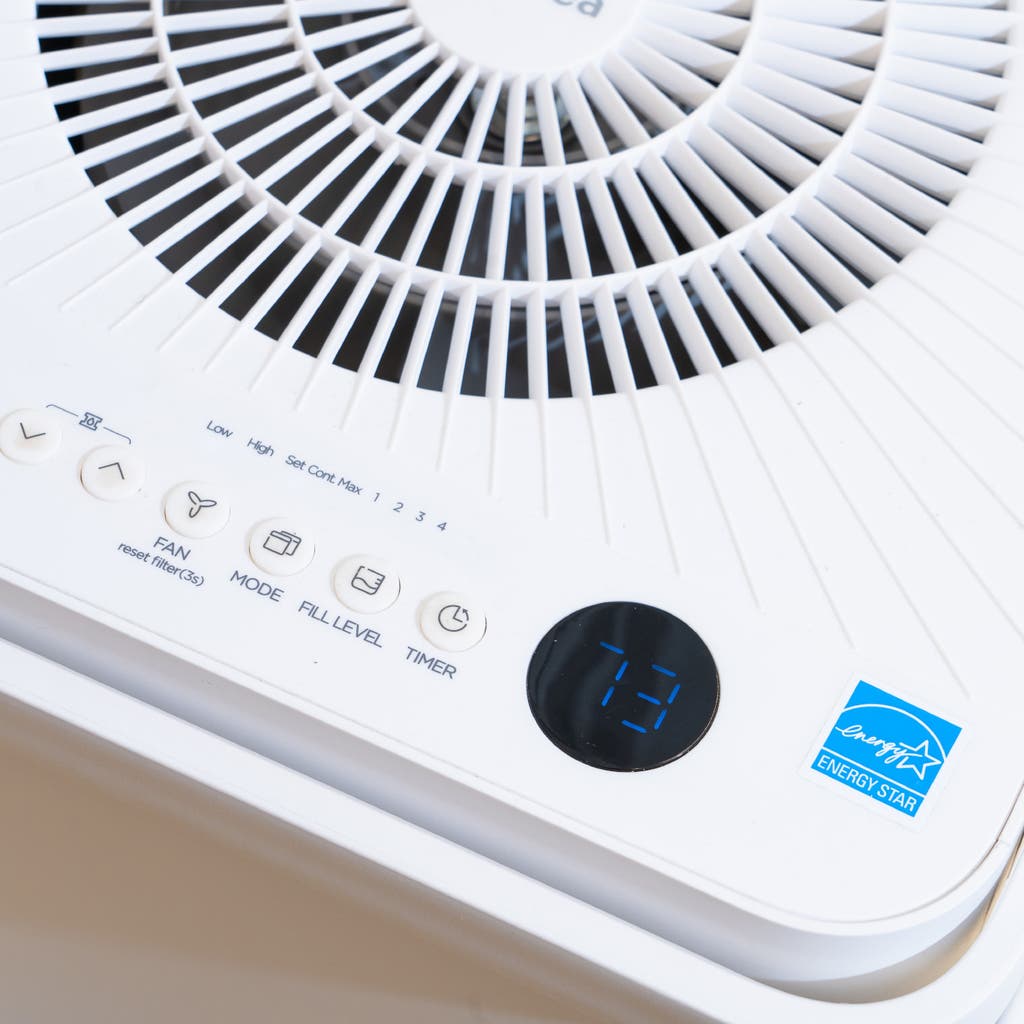
Dehumidifiers pull moist airinside the machine. The air passes over cold coils, causing water to condense. This water collects in a tankor drains away. The drier airthen leaves the dehumidifier and enters the room.
Different types of dehumidifiers use various ways to remove moisture. Each type fits different needs and spaces.
| Type | How It Works | Best For |
|---|---|---|
| Refrigerant | Air cools on cold coils to remove moisture | Homes, basements, and humid rooms |
| Desiccant | Uses a drying material to absorb moisture | Cool spaces and low humidity areas |
| Thermo-electric | Uses a small cooling plate to condense water | Small rooms or closets |

Credit: www.nytimes.com
How Air Conditioners Work
Air conditioners work by removing heat and moisture from the air. They use a cooling mechanismthat involves refrigerants. These refrigerants absorb heat inside the room and release it outside. This process lowers the room temperature and reduces humidity.
The cooling mechanismincludes components like the compressor, condenser, evaporator, and expansion valve. The compressor pumps the refrigerant through the system. The evaporator coil cools the air by absorbing heat. The condenser coil releases the heat outside. The expansion valve controls the flow of refrigerant.
There are several types of air conditioners:
- Window units:Installed in windows, good for small rooms.
- Split systems:Have indoor and outdoor units, quiet and efficient.
- Portable units:Moveable, easy to install but less powerful.
- Central air conditioning:Cools entire buildings through ductwork.
Primary Functions Compared
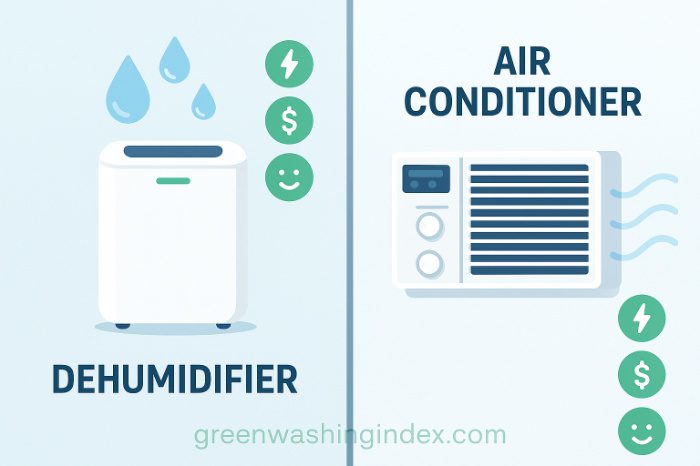
Dehumidifiersmainly remove moisturefrom the air. They keep indoor spaces dryand help stop mold growth. Air conditionerscool the air to lower temperature. They also reduce some humidity but their main job is cooling.
Both affect indoor air quality, but in different ways. Dehumidifiers improve air by removing excess moisture. This helps people with allergies breathe easier. Air conditioners improve comfort by coolingthe air and sometimes filtering dust and pollen.
Credit: www.greenwashingindex.com
Energy Consumption Differences
Dehumidifiersuse less power than air conditioners. They remove moisture from the air, not cool it. This process needs less energy. Most dehumidifiers use between 300 to 700 watts. They run for many hours but still consume less power overall.
Air conditioners cool the air by removing heat. This needs more energy than just removing moisture. Typical air conditioners use 1000 to 2000 watts. They cycle on and off to keep rooms cool. This makes them use more electricity.
| Appliance | Power Usage (Watts) | Main Function |
|---|---|---|
| Dehumidifier | 300 – 700 | Remove moisture from air |
| Air Conditioner | 1000 – 2000 | Cool air by removing heat |
When To Use Each Device
Dehumidifierswork best in places with high humiditybut mild heat. They remove extra moisture from the air. This helps stop mold, dust mites, and damp smells. Use them in basements, bathrooms, or laundry rooms. Dehumidifiers improve comfort without cooling the air much.
Air conditionerscool the air and reduce humidity. They are ideal for hot, humid days. Air conditioners lower the room temperature and make the air feel fresh. Use them in living rooms, bedrooms, or offices during summer. They work well to cool and drythe air at the same time.
Cost Considerations
Initial purchase priceof a dehumidifier is usually lower than an air conditioner. A basic dehumidifier costs less, but prices vary by size and features. Air conditioners often need professional installation, adding to the total cost.
Maintenance and operating costsdiffer between the two. Dehumidifiers use less energy and are cheaper to run. Air conditioners consume more power, leading to higher electricity bills. Both need regular cleaning and occasional filter changes.
| Cost Aspect | Dehumidifier | Air Conditioner |
|---|---|---|
| Initial Purchase | Lower | Higher |
| Installation | Usually none | Often required |
| Energy Use | Low | High |
| Maintenance | Simple | More complex |
Health And Comfort Benefits
Dehumidifiershelp reduce allergensand moldby removing excess moisture from the air. Mold grows in damp places and can cause health problems. Lower humidity stops mold and dust mites from thriving. This makes the air healthier to breathe, especially for people with allergies or asthma.
Thermal comfortmeans feeling just right—not too hot or cold. Dehumidifiers improve comfort by making the air feel cooler without lowering the temperature. Dry air feels more pleasant, so you sweat less and feel cooler. Air conditioners cool the air but do not always control humidity well. Dehumidifiers work well with air conditioners to keep rooms comfortable and less sticky.

Credit: aircareconnect.com
Frequently Asked Questions
What Is The Main Function Of A Dehumidifier?
A dehumidifier’s main function is to remove excess moisture from the air. It helps in reducing humidity levels, making indoor air more comfortable. This can prevent mold growth and improve air quality. Unlike air conditioners, dehumidifiers don’t cool the air.
Can An Air Conditioner Be Used As A Dehumidifier?
An air conditioner can dehumidify the air but not as effectively as a dehumidifier. While cooling, it removes some humidity. However, its primary function is to cool the air, not to manage humidity levels.
Do Dehumidifiers And Air Conditioners Save Energy?
Dehumidifiers and air conditioners can save energy when used appropriately. A dehumidifier can reduce the strain on your air conditioner by managing humidity. This can lead to energy savings. However, both devices consume electricity, so use them efficiently.
How Do Dehumidifiers Improve Indoor Air Quality?
Dehumidifiers improve air quality by reducing excess moisture that can lead to mold and dust mites. By maintaining optimal humidity levels, they create a healthier indoor environment. This can be particularly beneficial for those with allergies or respiratory issues.
Conclusion
A dehumidifier and an air conditioner serve different purposes. A dehumidifier removes moisture from the air. An air conditioner cools the air and also removes some moisture. Choosing the right device depends on your needs. Use a dehumidifier to reduce humidity and prevent mold.
Use an air conditioner to keep your room cool. Both can improve comfort but work in unique ways. Understanding these differences helps you make a smart choice. Keep your space healthy and comfortable with the right option.