Are you tired of spending endless hours scrubbing dishes by hand? Do you wonder if investing in a dishwasher could change your life for the better?
You’re not alone. Many people find themselves at a crossroads, debating whether a dishwasher is truly worth the investment. This decision isn’t just about convenience; it could impact your time, energy, and even your wallet. Imagine the freedom of pressing a button and walking away while your dishes become sparkling clean.
This article will guide you through the pros and cons, helping you decide if a dishwasher is the missing piece in your kitchen. Curious to know how it can transform your daily routine? Keep reading to find out.
Benefits Of Using A Dishwasher
Using a dishwasher offers many benefits that improve daily life. It saves time, uses water and energy efficiently, cleans dishes better, and makes kitchen work easier. These advantages make dishwashers a helpful tool for any home.
Time Savings
Dishwashers clean many dishes at once. This saves hours spent washing by hand. You can focus on other tasks or relax instead of standing at the sink. Loading and unloading is quick and simple.
Water And Energy Efficiency
Modern dishwashers use less water than hand washing. They recycle water during cycles to reduce waste. Energy-efficient models also use less electricity. This lowers utility bills and helps the environment.
Improved Hygiene
Dishwashers use hot water that kills germs well. They clean dishes deeper than hand washing can. This reduces bacteria and keeps your kitchen safer. Many machines have sanitizing settings for extra cleanliness.
Convenience And Ease
Dishwashers handle dirty dishes quickly and quietly. You avoid scrubbing tough stains or soaking pots. The machine does the hard work for you. It fits easily into kitchen routines and saves effort.
Cost Analysis Of Dishwashers
Evaluating whether a dishwasher is worth the investment requires a clear look at the costs involved. Understanding the financial commitment beyond just the sticker price helps you make a smarter decision. Let’s break down the key cost factors you’ll face with a dishwasher.
Initial Purchase Price
Dishwashers come in a wide price range, from budget-friendly models around $300 to premium ones exceeding $1,000. Your choice depends on features like size, energy efficiency, and brand reputation. Think about what features matter most to you—do you really need a smart dishwasher with Wi-Fi, or will a basic model suffice?
Installation Expenses
Installation is often overlooked but can add a significant amount to your overall cost. If you’re replacing an old dishwasher with a similar model, installation might be simple and inexpensive. However, if plumbing or electrical upgrades are needed, expect to pay $100 to $300 or more.
Would you feel comfortable handling installation yourself to save money? Many people don’t realize how tricky aligning water lines and drainage can be.
Operating Costs
Dishwashers consume water and electricity, so their operating costs depend on your local utility rates. Energy-efficient models use less power and can save you money over time. On average, running a dishwasher costs about $0.20 to $0.50 per load depending on your energy prices.
Consider how often you’ll actually use the dishwasher. Running it half-full wastes energy and water, which adds up on your bills.
Maintenance And Repairs
Like any appliance, dishwashers need upkeep to stay in good shape. Regular cleaning prevents buildup that can cause problems. Unexpected repairs, such as fixing a leaking valve or replacing a pump, can cost between $100 and $300.
Have you factored in the possibility of repairs when budgeting? Sometimes a cheaper dishwasher ends up costing more in repair bills over its lifetime.
Comparing Hand Washing Vs. Dishwashers
Choosing between hand washing dishes and using a dishwasher involves more than just convenience. It’s about how each method affects your water bill, energy use, time, and the cleanliness of your dishes. Let’s break down these key factors to help you decide which suits your lifestyle and values best.
Water Consumption
Hand washing often uses more water than you might expect. Running the tap continuously while scrubbing can add up to 8-27 gallons per load.
Dishwashers, especially modern Energy Star models, are designed to be water-efficient, using as little as 3-5 gallons per cycle.
Think about your typical washing habits—do you let water run freely or fill up the sink? That simple habit can make a big difference in water use.
Energy Use
Heating water for hand washing consumes a noticeable amount of energy. If you use hot water continuously, it adds to your utility costs.
Dishwashers use electricity to heat water and power the machine but often operate more efficiently by optimizing water temperature and cycle length.
Have you checked the energy rating on your dishwasher? Investing in an energy-efficient model can lower your carbon footprint and electricity bills.
Time Investment
Hand washing takes active time. You must scrub, rinse, and dry dishes, which can be time-consuming, especially after big meals.
Dishwashers free up your hands, letting you load dishes quickly and walk away while the machine works.
Consider your daily schedule—would you prefer spending 15-20 minutes washing dishes or focusing on other tasks while your dishwasher runs?
Cleaning Effectiveness
Hand washing gives you control over each dish, which can be satisfying but may miss hard-to-see spots or require re-washing.
Dishwashers use high-temperature water and powerful jets to remove food particles and sanitize dishes more thoroughly.
Have you noticed how some hand-washed dishes still feel greasy? Dishwashers often achieve a deeper clean with less effort on your part.
Credit: www.thetakeout.com
Factors To Consider Before Buying
Before you decide to buy a dishwasher, several important factors can influence whether it’s the right choice for your home. Thinking through these details helps you avoid surprises and ensures your investment fits your lifestyle. Let’s look at key points that can guide your decision.
Kitchen Space And Size
Measure your kitchen area carefully. Dishwashers come in various sizes, from compact models to full-sized units. If your kitchen is small, a slimline or countertop dishwasher might be a better fit.
Consider the space needed for installation and door clearance. Would a dishwasher block your movement or workspace? Knowing this upfront saves you from costly adjustments later.
Household Size And Usage
How many people live in your home? Larger families generate more dishes, making a dishwasher a real time-saver. On the other hand, if you live alone or with one other person, hand washing might be just as efficient.
Think about your typical daily routine. Do you cook often or eat out frequently? Your usage pattern affects the type and capacity of the dishwasher you need.
Budget Constraints
Dishwashers vary widely in price, from budget-friendly to high-end models with advanced features. Set a clear budget before shopping to avoid overspending on extras you might not use.
Remember to factor in installation costs and potential plumbing adjustments. Sometimes these add up more than the appliance itself.
Energy Efficiency Ratings
Look for models with good energy efficiency ratings. They save you money on electricity and water bills over time. An efficient dishwasher also reduces your environmental impact.
Check the label for estimated annual energy and water consumption. Would a more efficient model balance out its higher upfront cost with savings later? This question can help you decide what’s best for your wallet and the planet.
Maximizing Dishwasher Efficiency
Maximizing the efficiency of your dishwasher not only saves energy and water but also ensures your dishes come out spotless every time. Small adjustments in how you load, choose cycles, and maintain your dishwasher can make a big difference. Let’s dive into practical ways you can get the most out of your machine.
Loading Techniques
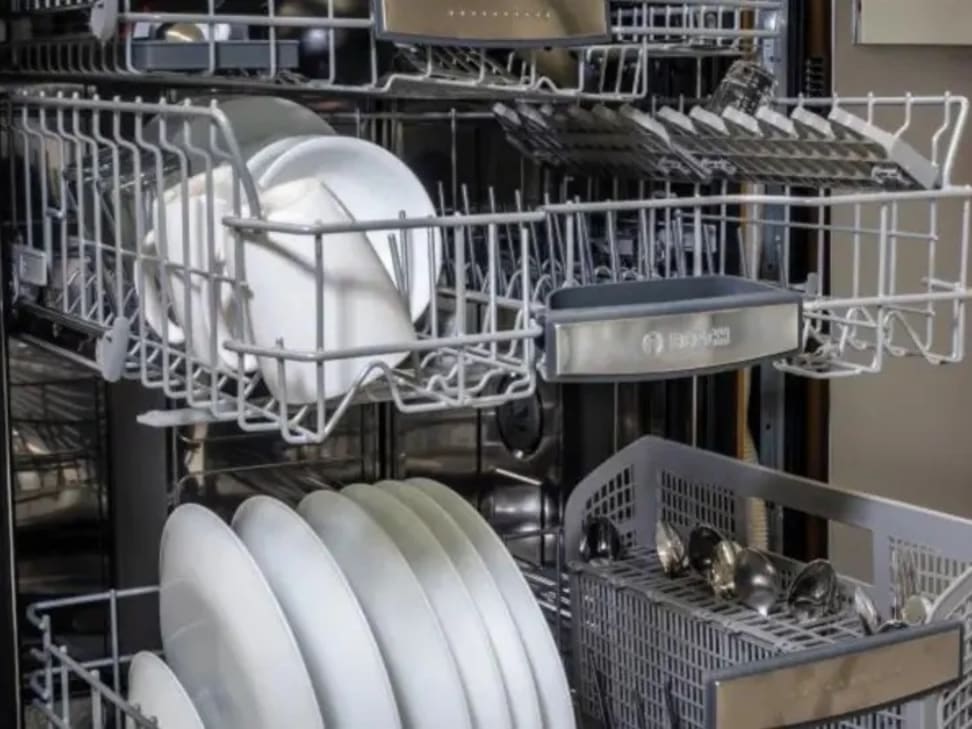
How you load your dishwasher affects both cleaning results and energy use. Place larger items like pots and pans on the bottom rack to avoid blocking water spray. Position plates and bowls facing the center, allowing water to reach every surface.
Don’t overcrowd the dishwasher. Leaving space between items improves water flow and prevents spots. Sharp knives and utensils should be placed with handles up for safety and better cleaning.
Choosing The Right Cycle
Not all dishwasher cycles are created equal. Use the quick or eco cycle for lightly soiled dishes to save time and energy. For heavily soiled pots, the heavy-duty or pots-and-pans cycle works best.
Ask yourself: Are your dishes truly dirty enough to need a long cycle? Choosing the right cycle reduces water and electricity usage. Some newer dishwashers offer sensors that adjust the cycle based on soil level—take advantage of these features if available.
Using Eco-friendly Detergents
Eco-friendly detergents are gentle on the environment but tough on grime. They often contain fewer harsh chemicals, reducing residue on your dishes. Switching to these can also prevent buildup inside your dishwasher, improving its lifespan.
Look for detergents labeled biodegradable or phosphate-free. You might notice a difference in scent and cleaning power, but many users report their dishes come out just as clean, if not cleaner. Have you tried eco detergents yet?
Regular Maintenance Tips
Keeping your dishwasher clean is key to maximizing efficiency. Regularly check and clean the filter to prevent clogs that reduce water pressure. Wipe down the door seals to avoid mold and leaks.
Run an empty cycle with a dishwasher cleaner once a month. This helps remove grease and limescale buildup. Ignoring maintenance can lead to poor performance and costly repairs—do you inspect your dishwasher regularly?
Credit: www.reviewed.com
Popular Dishwasher Types
Choosing the right dishwasher can make a big difference in your kitchen routine and space management. There are several types designed to fit different needs and lifestyles. Understanding these popular dishwasher types will help you decide which one matches your home and habits best.
Built-in Models
Built-in dishwashers are the most common and fit seamlessly under your kitchen counter. They offer a permanent, sturdy solution with a large capacity, perfect if you have a family or entertain often.
These models connect directly to your plumbing, so installation might require a professional. Have you considered how much space you can dedicate to a dishwasher? Built-ins save counter space but need a designated spot.
Portable Dishwashers
Portable dishwashers are great if your kitchen lacks built-in space or if you move frequently. They come on wheels and connect to your sink when in use, then roll away when not needed.
This flexibility is ideal for renters or small kitchens. Think about whether mobility or permanent placement suits your lifestyle better.
Drawer Dishwashers
Drawer dishwashers open like a drawer instead of a door and come in single or double drawers. They allow you to run smaller loads without wasting water and energy.
This type is perfect if you live alone or cook less often. Imagine being able to wash a few dishes quickly without waiting to fill a large machine.
Countertop Options
Countertop dishwashers are compact units that sit on your kitchen counter and connect to your sink faucet. They’re ideal for very small spaces like studio apartments or offices.
If you don’t have room for anything larger, a countertop dishwasher still saves you time and effort. Could this be the solution if you struggle with limited kitchen space?
Environmental Impact Of Dishwashers
Understanding the environmental impact of dishwashers is key to deciding if they fit your eco-friendly lifestyle. While dishwashers offer convenience, their effect on water and energy resources varies based on how you use them. Let’s look closely at the real environmental costs and savings involved.
Water Conservation Benefits
Dishwashers often use less water than washing dishes by hand, especially if you run full loads. A modern dishwasher can use as little as 3 to 5 gallons per cycle, compared to the 8 to 27 gallons hand washing may consume.
If you’re someone who leaves the tap running while scrubbing dishes, switching to a dishwasher can save significant amounts of water. But if you’re careful with water in the sink, the difference might be smaller. Are you using your dishwasher at full capacity? That’s an easy way to maximize water savings.
Energy Consumption Considerations
Dishwashers require electricity to heat water and run cycles. However, newer models are designed to be energy-efficient, using less power than older machines or prolonged hand washing with hot water.
Running your dishwasher during off-peak hours can also lower your carbon footprint by tapping into greener energy grids. Do you know how much energy your dishwasher uses per cycle? Checking the Energy Star rating can help you choose the most efficient model.
Sustainable Usage Practices
To make your dishwasher truly eco-friendly, follow a few simple habits:
- Always run full loads to avoid wasting water and energy.
- Skip pre-rinsing dishes under running water; most dishwashers handle food residue well.
- Use eco or energy-saving modes when available.
- Regularly clean filters and spray arms to maintain efficiency.
Small changes in how you use your dishwasher can cut its environmental impact drastically. Could adjusting your routine be the green step your kitchen needs?
When A Dishwasher May Not Be Worth It
Deciding if a dishwasher is worth it depends heavily on your lifestyle and living situation. While dishwashers offer convenience, there are times when they might not be the best fit. Understanding when a dishwasher may not add value can save you money, space, and hassle.
Small Households
If you live alone or with just one other person, you might not generate enough dirty dishes to justify a dishwasher. Handwashing a few plates and cups often takes less time than loading, running, and unloading a machine. You might find that your dishes stay cleaner and fresher when washed immediately, rather than sitting in a dishwasher until it’s full.
Limited Kitchen Space
In tiny kitchens, every inch counts. Installing a dishwasher can eat up valuable counter or cabinet space needed for food prep or storage. If your kitchen feels cramped, a portable dish rack or compact drying area might serve you better than a bulky appliance.
Infrequent Cooking And Entertaining
If you rarely cook at home or entertain guests, a dishwasher may sit unused most of the time. You might find it more practical to wash dishes by hand after occasional meals. Plus, infrequent use can lead to mold or odors inside the machine, which means extra maintenance you might not want to deal with.

Credit: www.townappliance.com
Frequently Asked Questions
Is A Dishwasher More Energy-efficient Than Handwashing?
A dishwasher uses less water and energy than handwashing, especially with full loads. Modern dishwashers have energy-saving modes that reduce consumption, making them eco-friendly and cost-effective over time.
How Much Time Does A Dishwasher Save Daily?
Using a dishwasher saves about 30 to 60 minutes daily. It automates cleaning, drying, and sanitizing, freeing up your time for other tasks or relaxation.
Can Dishwashers Handle All Types Of Kitchenware?
Most dishwashers clean plates, glasses, and pots effectively. However, delicate items like wooden utensils or certain plastics may require handwashing to avoid damage.
Does Owning A Dishwasher Reduce Water Usage?
Yes, dishwashers use less water than washing dishes by hand. Efficient models use as little as 3 gallons per cycle compared to 20 gallons with handwashing.
Conclusion
A dishwasher saves time and effort in daily chores. It uses less water than hand washing. Dishwashers clean dishes well and dry them fast. They also help keep your kitchen tidy. Consider your budget and space before buying one. For busy families, a dishwasher brings great convenience.
It can make dishwashing less of a hassle. Think about your needs to decide if it’s right. A dishwasher can be a helpful home addition.