Have you ever stood in your kitchen wondering if a dry measure cup is the same as a liquid measuring cup? It’s a common question that can confuse even the most experienced cooks.
Using the wrong cup might change your recipe’s outcome, leaving you frustrated. But don’t worry—understanding the difference is easier than you think. Keep reading, and you’ll learn exactly when and how to use each cup to get perfect results every time.
Credit: www.kingarthurbaking.com
Types Of Measuring Cups
Measuring cups are tools used to measure ingredients for cooking and baking. There are two main types: dry measure cups and liquid measure cups.
Each type is designed for specific uses and measuring methods. Knowing the difference helps get accurate measurements for your recipes.
Dry Measure Cups
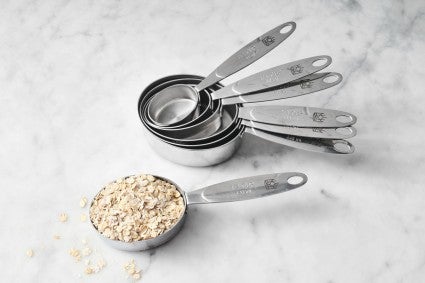
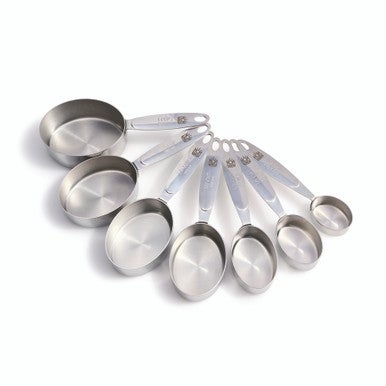
Dry measure cups are usually made from plastic, metal, or ceramic. They come in sets with different sizes like 1 cup, 1/2 cup, 1/3 cup, and 1/4 cup.
- Used for ingredients like flour, sugar, and oats
- Fill the cup to the top and level it off with a flat edge
- Not designed for liquids because they may spill
- Provide exact volume measurements for dry ingredients
Liquid Measure Cups
Liquid measure cups are usually made from clear glass or plastic. They have a spout for easy pouring and measurement marks on the side.
| Feature | Description |
| Material | Glass or clear plastic |
| Design | Has spout for pouring |
| Measurement | Marks show volume for liquids |
| Use | For water, milk, oils, and other liquids |
Credit: www.kingarthurbaking.com
Material And Design Differences
Dry measure cups and liquid measure cups look similar but have key differences. These differences help measure ingredients more accurately.
Material and design affect how each cup works best in the kitchen. Let’s explore these differences.
Shape And Size Variations
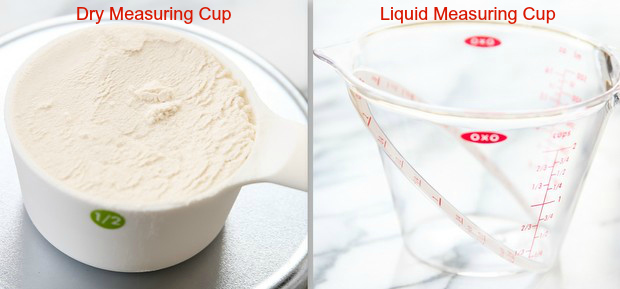
Dry measure cups are usually designed to be filled to the top and leveled off. They have straight edges and a flat top.
Liquid measure cups often have a spout for pouring and extra space above the measurement line. This space prevents spills.
- Dry cups have flat rims for leveling ingredients
- Liquid cups include a pouring spout
- Dry cups come in nested sets with fixed sizes
- Liquid cups are often larger and show volume marks on the side
Common Materials Used
Both dry and liquid measuring cups come in various materials. Each material has benefits and drawbacks.
| Material | Dry Measure Cups | Liquid Measure Cups |
| Plastic | Lightweight and inexpensive | Durable and clear for easy reading |
| Glass | Less common, can break | Common, allows seeing liquid levels |
| Metal | Durable, no transparency | Rare, no volume marks |
Measurement Accuracy
Measuring ingredients correctly is important in cooking and baking. Using the right cup can affect how your recipe turns out.
Dry measure cups and liquid measure cups look similar but work differently. They offer different levels of accuracy for different ingredients.
How Dry Cups Measure Ingredients
Dry cups are designed to hold dry ingredients like flour, sugar, or oats. They are filled to the top and then leveled off with a flat edge.
This method helps get a precise amount because it removes air pockets and excess ingredient. Dry cups do not have extra space above the rim.
- Fill the cup to the top.
- Level off with a flat edge.
- Do not shake or tap the cup.
- Used for flour, sugar, grains, and similar ingredients.
How Liquid Cups Measure Ingredients
Liquid cups have extra space above the top to prevent spills. They measure by volume and often have a spout for pouring.
These cups allow you to see the liquid level at eye height. They are made for water, milk, oil, and other liquids.
- Pour liquid into the cup.
- Check the measurement at eye level.
- Use the markings on the side.
- Designed to hold liquids without spilling.
Credit: kirbiecravings.com
Impact On Cooking And Baking
Measuring ingredients correctly is key to good cooking and baking. Dry measure cups and liquid measure cups look similar. But they work differently and affect your recipes.
Using the wrong cup can change the amount of ingredient you add. This change can make your dish too dry, too wet, or uneven in texture.
When To Use Dry Cups
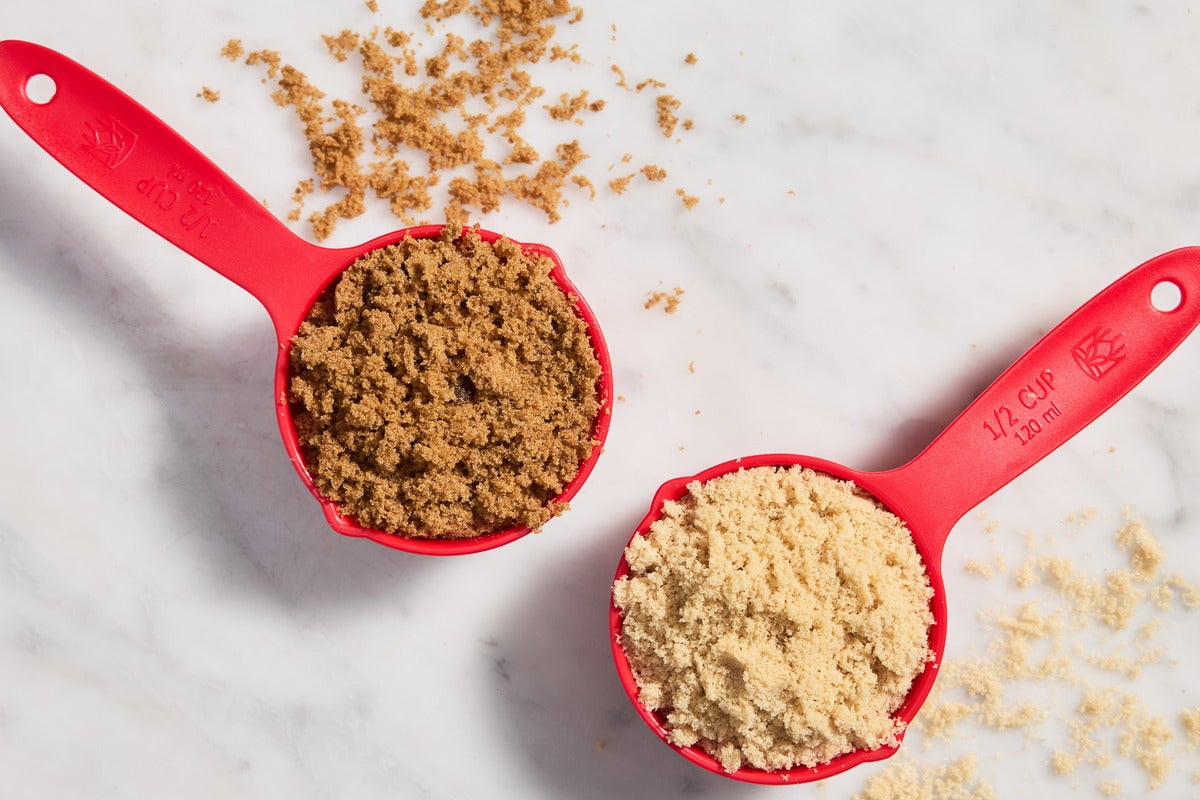
Dry measure cups are made for solid or dry ingredients. They help you scoop and level the ingredient. This gives a precise amount for recipes.
- Flour
- Sugar
- Oats
- Cocoa powder
- Chopped nuts
These cups allow you to pack or fluff the ingredient before measuring. This affects the volume and the final result in your dish.
When To Use Liquid Cups
Liquid measure cups are best for wet ingredients. They have space above the measurement line. This space stops spills when you pour.
| Ingredient | Why Use Liquid Cups |
| Water | Easy to see exact level through clear cup |
| Milk | Prevents spills, precise pour |
| Oil | Can measure sticky liquids without packing |
| Broth | Handles liquid volume accurately |
| Honey | Sticky but measured well without compressing |
Tips For Correct Measuring
Measuring ingredients correctly is important for good cooking results. Different cups are made for dry or liquid ingredients. Using the right one helps you get the best texture and taste.
Understanding how to measure can prevent mistakes in your recipes. Here are some tips to help you measure ingredients the right way every time.
Avoiding Common Mistakes
Using a dry measure cup for liquids or a liquid cup for dry ingredients can cause errors. Dry cups are meant to be filled and leveled, while liquid cups have space for pouring without spilling.
- Do not fill dry cups above the rim; level off with a flat edge.
- Use liquid cups on a flat surface and read the measurement at eye level.
- Measure sticky ingredients like honey with a liquid cup coated lightly with oil.
- Avoid packing flour too tightly in dry cups to prevent using too much.
Best Practices For Consistency
Consistent measuring helps recipes turn out well every time. It is best to use the same type of measuring cup each time you cook.
| Tip | Reason |
| Use dry cups for dry ingredients | Allows leveling off for exact amounts |
| Use liquid cups for liquids | Prevents spills and inaccurate readings |
| Check measurements at eye level | Ensures you see the right amount |
| Stir and fluff dry ingredients before measuring | Avoids packing and too much ingredient |
| Clean measuring cups after each use | Prevents mixing flavors and errors |
Alternatives And Tools
Measuring ingredients accurately is important in cooking and baking. Dry measure cups and liquid measure cups are different tools. You can also use other tools to get precise measurements.
Below are some alternatives and tools you can use instead of dry or liquid measure cups.
Using Scales Instead Of Cups
Kitchen scales give very accurate measurements by weight. They work well for both dry and liquid ingredients. Using a scale can reduce mistakes from using the wrong cup type.
- Place a bowl on the scale and zero it out.
- Add the ingredient until you reach the needed weight.
- Use grams or ounces depending on the recipe.
Other Measuring Tools
Besides cups and scales, other tools help with measuring ingredients correctly. Some work better for liquids, others for dry items.
| Tool | Use | Best For |
| Liquid Measuring Cup | Measure volume | Water, milk, oils |
| Dry Measuring Cup | Measure volume | Flour, sugar, grains |
| Measuring Spoons | Small volumes | Spices, baking powder |
| Kitchen Scale | Measure weight | All ingredients |
| Adjustable Measuring Spoons | Variable sizes | Small quantities |
Frequently Asked Questions
What Is The Difference Between Dry And Liquid Measuring Cups?
Dry measuring cups are designed for ingredients that don’t pour, like flour or sugar. Liquid measuring cups have a spout for easy pouring of liquids like water or oil. Using the correct type ensures measurement accuracy, crucial for successful cooking or baking outcomes.
Can I Use A Liquid Cup For Dry Ingredients?
While possible, it’s not recommended. Liquid cups may lead to inaccurate measurements when used for dry ingredients. Dry measuring cups ensure precise volume for dry ingredients. This precision is important for recipes’ success, especially in baking, where measurements greatly affect the final result.
Why Are Accurate Measurements Important In Baking?
Accurate measurements in baking ensure the right balance of ingredients. This impacts texture, taste, and consistency. Baking is a science, and even small deviations can affect the outcome. Using the correct measuring tools helps guarantee the desired results, making your baked goods consistent and delicious.
How Do I Measure Dry Ingredients Correctly?
Use a dry measuring cup for dry ingredients. Fill the cup to the top and level it with a straight edge. This method ensures you have the exact amount required, avoiding overpacking, which can result in extra amounts affecting your recipe’s balance and final result.
Conclusion
Dry measure cups and liquid measure cups serve different purposes in the kitchen. Dry cups measure solid ingredients like flour or sugar. Liquid cups measure fluids like water or milk. Using the right cup helps you cook accurately and avoid mistakes.
Always choose the cup type that matches your ingredient. This small step can improve your cooking results. Remember, precise measuring matters for good taste and texture. Keep these tips in mind for easier and better cooking. Simple tools make a big difference.