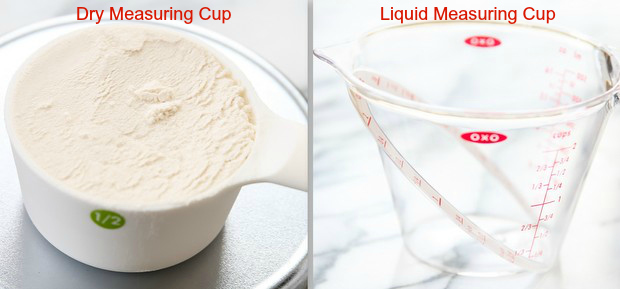
Have you ever stood in your kitchen, holding a dry measuring cup and wondered if it’s okay to use it for liquids? You’re not alone.
Using the right tools can make a big difference in your cooking and baking results. But is a dry measuring cup the same as a liquid measuring cup? If you’re curious about getting accurate measurements and perfect dishes every time, you’ll want to keep reading.
This simple question could change the way you cook forever. Let’s find out why.
Types Of Measuring Cups
Measuring cups come in two main types: dry and liquid. Each type is made for different ingredients. Using the right cup helps you get accurate measurements.
Dry measuring cups are for solid ingredients like flour. Liquid measuring cups are for liquids like water or oil. Knowing the difference helps in cooking and baking.
Dry Measuring Cups
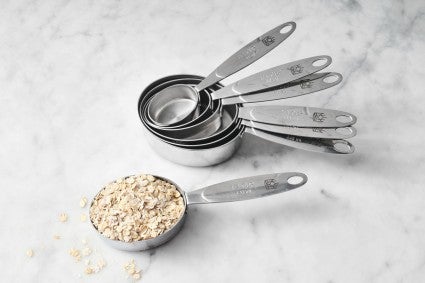
Dry measuring cups are usually made of plastic or metal. They come in sets with sizes like 1 cup, 1/2 cup, and 1/4 cup. These cups are meant to be filled and leveled off for accuracy.
They have flat tops so you can scrape off extra flour or sugar easily. Dry cups work best for ingredients that can be packed or scooped. They are not good for liquids because liquid can spill.
Liquid Measuring Cups
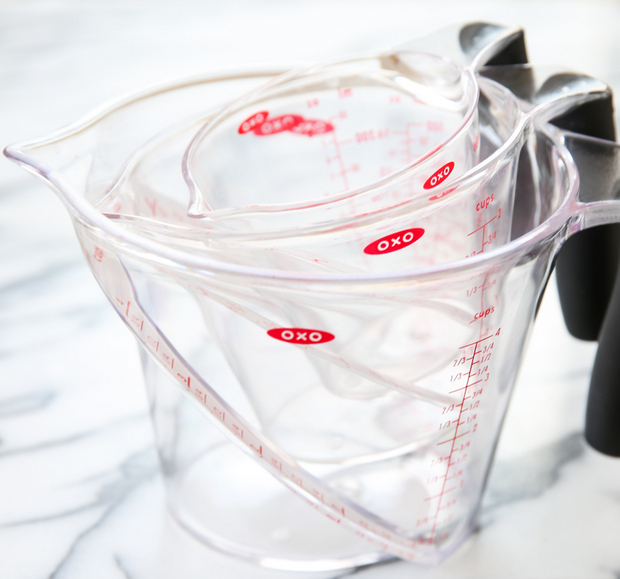
Liquid measuring cups are usually made of glass or clear plastic. They have a spout for easy pouring. These cups let you see the liquid level from the side.
They come in sizes like 1 cup, 2 cups, or more. Liquid cups work well for measuring water, milk, and oils. Their design helps avoid spills and gives precise measurements.
Credit: www.kingarthurbaking.com
Design Differences
Dry and liquid measuring cups look different because they serve different purposes. These design differences help cooks get accurate measurements for various ingredients.
Understanding these differences can improve your cooking and baking results. Two key areas to focus on are shape and material, and measurement markings.
Shape And Material
Dry measuring cups are usually shaped like small containers with flat tops. They allow you to scoop and level off dry ingredients easily. These cups are often made from plastic, metal, or ceramic.
Liquid measuring cups have a different shape. They are taller and have a spout for pouring liquids without spilling. Most are made from clear glass or plastic so you can see the liquid level clearly.
- Dry cups: short, wide, no spout
- Liquid cups: tall, narrow, with a spout
- Dry cups: solid, opaque materials
- Liquid cups: transparent materials
Measurement Markings
Dry measuring cups usually show measurements on the inside or outside in whole and fraction cups. They are designed for scooping ingredients like flour or sugar.
Liquid measuring cups have markings on the side that show fluid ounces, milliliters, and cups. These marks help you measure liquids accurately by eye level.
| Feature | Dry Measuring Cup | Liquid Measuring Cup |
| Measurement Style | Fractional cup marks | Fluid ounces and milliliters |
| Mark Placement | Inside or outside | Outside only |
| Use | Scooping dry ingredients | Pouring liquids |
Accuracy In Measurement
Measuring ingredients correctly is important for cooking and baking. Using the right tools helps get the best results.
Dry and liquid measuring cups look similar but are made for different types of ingredients. Knowing the difference improves accuracy.
Measuring Dry Ingredients
Dry measuring cups are designed to hold solid ingredients like flour or sugar. They are usually made of plastic or metal.
Fill the cup until it is full, then level off the top with a flat edge. This method gives an exact amount of dry ingredient.
- Use a dry cup that you can scoop into the ingredient.
- Fill the cup completely without packing it too hard.
- Level the ingredient with a knife or spatula for precision.
Measuring Liquids
Liquid measuring cups have a spout for easy pouring. They are usually clear with measurement marks on the side.
Place the cup on a flat surface and check the measurement at eye level. This helps avoid errors from reading the marks at an angle.
- Use a liquid cup to pour in liquids like water or oil.
- Check the measurement line at eye level for accuracy.
- Pour slowly to avoid spilling and overfilling.
Common Mistakes
Many people confuse dry measuring cups with liquid measuring cups. Using the wrong type can cause errors in recipes.
This guide explains the common mistakes made when using dry cups for liquids and liquid cups for dry ingredients.
Using Dry Cups For Liquids
Dry measuring cups are made for solid ingredients like flour or sugar. Using them for liquids can lead to spills and inaccurate measures.
- Dry cups are filled to the top and leveled off.
- Liquids can stick to the sides, causing less volume than measured.
- It is hard to see the exact liquid level in dry cups.
- Spills happen easily because dry cups have no pouring spout.
Using Liquid Cups For Dry Ingredients
Liquid measuring cups are not ideal for dry ingredients. They do not allow you to level off the ingredient accurately.
| Mistake | Why It Happens | Result |
| Not leveling ingredients | Liquid cups are tall and narrow | Too much or too little ingredient added |
| Incorrect measurements | Dry ingredients settle unevenly | Recipe texture is affected |
| Mixing ingredient amounts | Cannot see exact volume for dry items | Cooking results vary |
Tips For Proper Measuring
Measuring ingredients correctly is key to good cooking and baking. Using the right tools helps you get the best results.
Dry measuring cups and liquid measuring cups look similar but work differently. Knowing how to use each one avoids mistakes.
Choosing The Right Cup
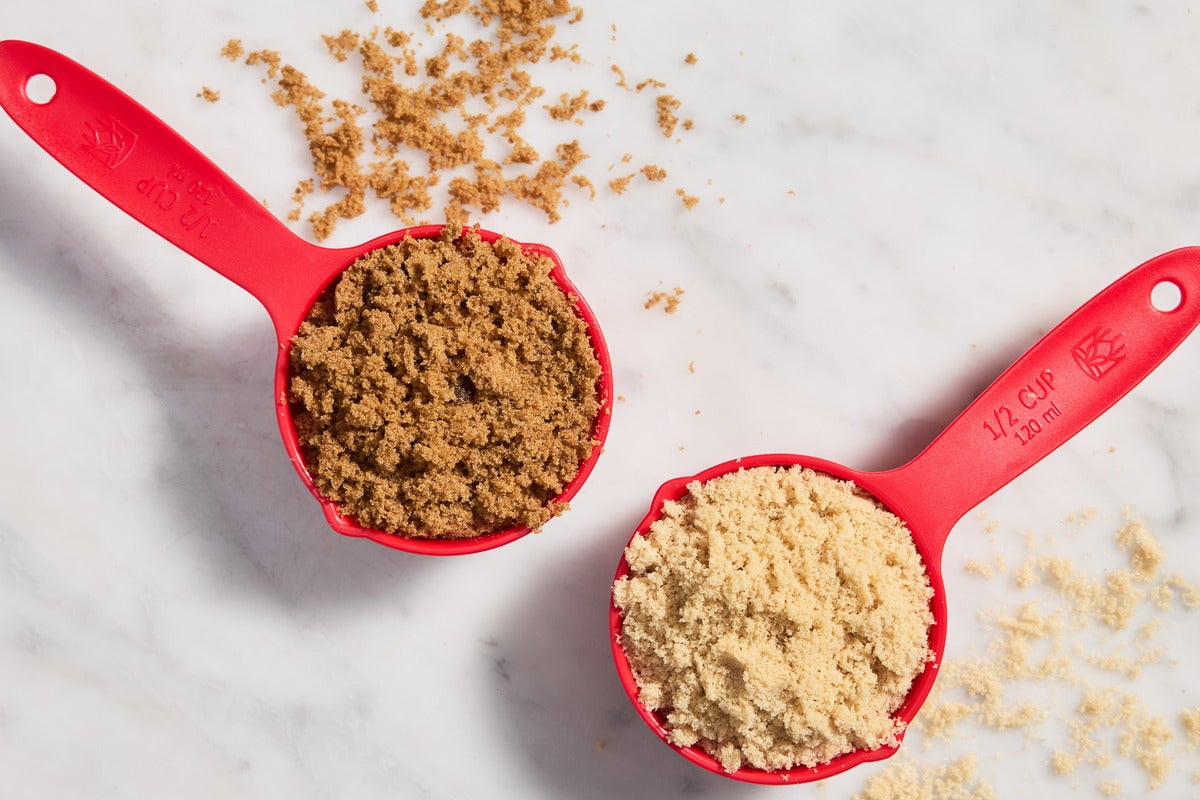
Dry measuring cups are made for powders and solids like flour and sugar. You fill them to the top and level off the excess.
Liquid measuring cups have a spout and extra space above the measurement line. This helps pour liquids without spilling.
- Use dry cups for flour, sugar, and small grains.
- Use liquid cups for water, oil, and milk.
- Never use dry cups for liquids; it can cause spills.
- Using liquid cups for dry ingredients can give wrong amounts.
Techniques For Accurate Measurement
Level dry ingredients with a straight edge like a knife. This removes extra and gives a correct amount.
Pour liquids on a flat surface. Bend down to eye level to see the right measurement line.
- Fill dry cups to the top, then level off.
- Check liquid cups on a flat surface for accuracy.
- Avoid packing dry ingredients unless the recipe says so.
- Use a spoon to fill dry cups for fluffy ingredients like flour.
- Pour liquids slowly to avoid overflow.
Credit: kirbiecravings.com
When To Use Each Type
Dry and liquid measuring cups look similar but serve different purposes. Choosing the right one ensures your recipes turn out well.
Using the correct measuring cup helps keep ingredient amounts accurate. This guide explains when to use each type in cooking and baking.
Baking Applications
In baking, precise measurements are important. Dry measuring cups are best for flour, sugar, and other dry ingredients. Liquid measuring cups work well for water, milk, and oils.
- Use dry cups for ingredients that you can level off with a flat edge.
- Use liquid cups that have a spout to pour liquids easily.
- Never use a liquid cup for flour as it packs and changes the amount.
- For sticky ingredients like honey, use a liquid cup and spray it with oil first.
Cooking Applications
Cooking is more flexible but choosing the right cup still matters. Dry cups measure grains, spices, and small solids. Liquid cups handle broths, sauces, and oils.
| Ingredient Type | Recommended Measuring Cup | Reason |
|---|---|---|
| Rice or Beans | Dry Measuring Cup | Easy to level and measure exact volume |
| Stock or Broth | Liquid Measuring Cup | Pouring spout prevents spills |
| Butter (solid) | Dry Measuring Cup | Can be packed and leveled |
| Olive Oil | Liquid Measuring Cup | Accurate volume measurement with spout |
Alternatives To Measuring Cups
Measuring cups are common tools in the kitchen. Sometimes, you may not have the right cup. You can use other tools to measure ingredients accurately.
Using the right tools helps make recipes turn out well. Here are some good alternatives to measuring cups.
Measuring Spoons
Measuring spoons are small tools used to measure both dry and liquid ingredients. They come in sets with different sizes like teaspoons and tablespoons.
They are good for measuring small amounts when you do not have a measuring cup. You can use them to measure spices, baking powder, and liquids like vanilla extract.
- Sizes usually include 1/4 tsp, 1/2 tsp, 1 tsp, and 1 tbsp
- Works well for small quantities
- Easy to clean and store
Kitchen Scales
Kitchen scales measure ingredients by weight. They can be more accurate than cups or spoons. Scales work for both dry and liquid ingredients.
Using a scale helps if you want to follow a recipe exactly. It also reduces mess because you can measure ingredients directly in the bowl.
- Measures in grams, ounces, or pounds
- Good for baking and cooking
- Works for all ingredient types
Credit: www.kingarthurbaking.com
Frequently Asked Questions
Are Dry And Liquid Measuring Cups Interchangeable?
No, dry and liquid measuring cups are not interchangeable. Dry cups measure volume by weight, while liquid cups measure actual liquid volume. Using the wrong type can lead to inaccurate measurements and affect your recipe’s outcome.
Why Use A Dry Measuring Cup For Dry Ingredients?
Dry measuring cups allow you to level off ingredients like flour and sugar for accuracy. They provide precise measurements by weight, essential for consistent baking results.
Can Liquid Measuring Cups Measure Dry Ingredients Accurately?
Liquid measuring cups are not ideal for dry ingredients. They lack a flat edge to level off, leading to inconsistent and inaccurate measurements.
What Makes Liquid Measuring Cups Different?
Liquid measuring cups have a spout for easy pouring and clear volume markings. They measure the actual volume of liquids, preventing spills and ensuring accuracy.
Conclusion
Dry and liquid measuring cups serve different purposes in the kitchen. Dry cups measure solid ingredients like flour or sugar. Liquid cups help measure liquids like water or oil. Using the right cup ensures accurate measurements. This leads to better cooking and baking results.
Mixing these cups can cause mistakes in recipes. Keep both types handy for easy and precise cooking. Small changes in measurements can affect taste and texture. Choose the correct cup every time for best results. Simple but important for successful meals.