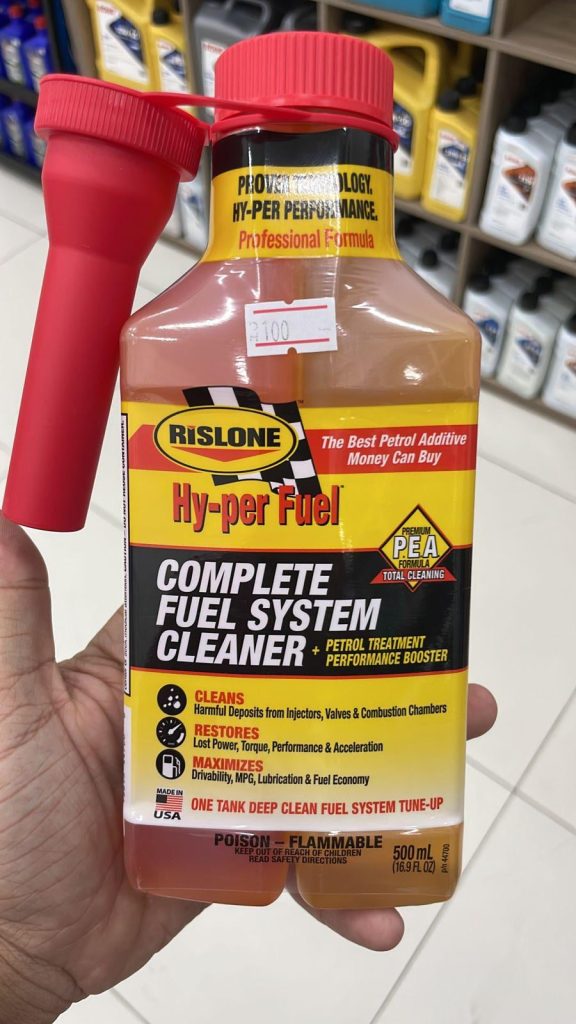
Have you ever wondered if a fuel system cleaner is really worth the money? If your car isn’t running as smoothly as it used to, or if you want to protect your engine from future problems, this question probably crosses your mind.
You want a simple answer that helps you decide whether to invest in one or skip it altogether. You’ll discover how fuel system cleaners work, what benefits they can bring to your vehicle, and when using them makes sense. Keep reading to find out if this quick fix could save you time and money on car maintenance.
What Fuel System Cleaners Do
Fuel system cleaners help keep your engine running smoothly. They remove dirt and buildup inside the fuel system.
Using these cleaners can improve fuel efficiency and reduce engine problems caused by clogged parts.
Types Of Fuel System Cleaners
There are several kinds of fuel system cleaners. Each works on different parts of the fuel system.
- Injector Cleaners: These target the fuel injectors to clear deposits and improve spray patterns.
- Carburetor Cleaners: Made for older engines with carburetors, they remove gum and varnish.
- Fuel Additives: Mixed with fuel to clean fuel lines and combustion chambers.
- Intake Valve Cleaners: Focus on cleaning the valves that control air intake.
How They Work In Your Engine
Fuel system cleaners dissolve deposits that form inside the engine’s fuel parts. These deposits reduce performance and increase emissions.
| Cleaner Type | Main Target | Effect |
| Injector Cleaner | Fuel Injectors | Improves fuel spray, better combustion |
| Carburetor Cleaner | Carburetor Parts | Removes gum, smooth engine idle |
| Fuel Additive | Fuel Lines & Combustion Chamber | Clears buildup, reduces emissions |
| Intake Valve Cleaner | Intake Valves | Prevents sticking, improves airflow |

Credit: www.reddit.com
Signs You Need A Fuel System Cleaner
Your car’s fuel system can get dirty over time. Dirt and deposits build up inside fuel injectors and intake valves. This can cause problems with how your engine runs.
Using a fuel system cleaner can help fix these problems. But how do you know when your car needs one? Look for these signs in your vehicle.
Common Symptoms Of Fuel System Issues
When the fuel system is clogged or dirty, your car may show some clear signs. These symptoms mean the fuel is not flowing well or burning properly.
- Engine runs rough or stalls
- Car hesitates when you press the gas
- Poor fuel economy compared to before
- Difficulty starting the engine
- Loss of power while driving uphill or under load
- Check engine light turns on
These signs show your fuel system may be dirty. A cleaner can help remove deposits that cause these issues.
When To Consider Using A Cleaner
Use a fuel system cleaner if you notice any symptoms of fuel problems. Also, consider cleaning if you use low-quality fuel often.
Regular cleaning can keep your engine running well. It helps maintain fuel efficiency and reduces emissions.
- After 30,000 to 50,000 miles to prevent buildup
- If your engine performance drops suddenly
- If you see a check engine light related to fuel issues
- When you want to keep your car in good condition
Benefits Of Using Fuel System Cleaners
Fuel system cleaners help keep your vehicle’s engine clean. They remove dirt and buildup from fuel injectors and intake valves.
Using these cleaners regularly can improve how your car runs. They also help save fuel and reduce pollution.
Improved Engine Performance
Fuel system cleaners remove deposits that block fuel flow. This allows the engine to run smoother and stronger.
Cleaning the fuel system can reduce engine knocking and hesitation. It helps the engine respond better when you press the gas pedal.
Enhanced Fuel Efficiency
When the fuel system is clean, fuel burns more completely. This means your car uses less fuel to go the same distance.
Better fuel efficiency saves money and reduces trips to the gas station. It also lowers the wear on your engine over time.
Reduced Emissions
Fuel system cleaners help reduce harmful gases from your car’s exhaust. Clean fuel burns cleaner and produces fewer pollutants.
Lower emissions mean your vehicle is better for the environment. It also helps your car pass emissions tests more easily.
Potential Downsides And Risks
Fuel system cleaners can help keep engines clean. Still, they have some possible downsides. It is important to know these risks before using any cleaner.
Using these products without care can cause damage or reduce engine life. Knowing the risks helps you decide if a fuel system cleaner is right for your vehicle.
Possible Damage From Overuse
Overusing fuel system cleaners can harm your engine parts. These cleaners often have strong chemicals. Using them too often may wear out seals and gaskets.
Repeated use might cause fuel injectors to clog instead of clean. Some parts may get damaged if the cleaner breaks down dirt too fast. This can lead to costly repairs.
- Damage to rubber seals and gaskets
- Clogged fuel injectors from debris buildup
- Corrosion of sensitive engine parts
- Reduced engine performance over time
Compatibility With Different Engines
Not all fuel system cleaners work with every engine type. Some cleaners may harm older engines or those with special parts. It is important to check if the cleaner fits your engine.
Using the wrong cleaner can cause poor engine function or damage. Always read product labels and vehicle manuals before use. This helps avoid problems with engine compatibility.
- Some cleaners are not safe for diesel engines
- Older engines may react badly to harsh chemicals
- Turbocharged engines might need special cleaners
- Electric and hybrid cars do not use fuel cleaners
Expert Opinions And Consumer Reviews
Fuel system cleaners promise to remove deposits from engines. Many people wonder if they really help or are a waste of money.
Experts and users share their views on whether these products improve car performance and fuel efficiency.
Mechanic Insights
Mechanics say fuel system cleaners can help with minor buildup. They do not fix big engine problems.
These cleaners work best in cars with regular maintenance. They can improve fuel flow and reduce emissions slightly.
- Useful for cleaning fuel injectors and intake valves
- Not a replacement for professional engine repair
- Best used as part of routine car care
- Some products are stronger than others
User Experiences
Many users report better engine smoothness after using fuel system cleaners. Some see no change at all.
Results vary by car age and condition. Some people notice less stalling and better gas mileage.
- Works well in cars with light deposits
- Mixed reviews on fuel economy improvements
- Some users find it helps reduce engine knocking
- Others feel it does not solve serious engine issues
Credit: www.jeeppatriot.com
Alternative Maintenance Tips
Keeping your vehicle in good shape needs more than just fuel system cleaners. There are simple ways to help your engine run well and last longer.
These tips focus on basic care steps that protect your car’s engine and fuel system without extra products.
Regular Engine Tune-ups
Engine tune-ups help your car work smoothly. They catch small problems before they become big ones. Regular checks keep your engine clean and efficient.
- Change spark plugs to ensure good ignition
- Replace air filters to keep airflow clear
- Check and adjust engine timing for better performance
- Inspect fuel injectors for dirt and clogs
- Test battery and charging system
Using Quality Fuel
Good fuel keeps your engine cleaner and reduces buildup. Low-quality fuel may cause deposits that hurt engine parts over time.
| Fuel Type | Benefits |
| Premium Gasoline | Less engine knocking, cleaner combustion |
| Regular Gasoline | Good for everyday use, widely available |
| Fuel with Detergents | Helps prevent deposits in fuel system |
| Diesel (for diesel engines) | Higher energy content, better fuel economy |
Cost Vs. Value Analysis
Fuel system cleaners help remove deposits from your engine. They can improve fuel efficiency and performance.
It is important to understand if the cost of these cleaners matches their benefits. This guide looks at price and value.
Price Range Of Cleaners
Fuel system cleaners vary in price based on brand and size. Most cost between ten and twenty dollars per bottle.
Some premium products may cost more, but the basic cleaners work well for regular use.
- Basic cleaners: $10 to $15
- Mid-range cleaners: $15 to $20
- Premium cleaners: $20 and above
Long-term Savings Potential
Using fuel system cleaners regularly can keep your engine clean. This helps maintain good fuel economy.
Cleaner engines need fewer repairs and last longer. This can save money on fuel and maintenance over time.
- Improved fuel efficiency reduces gas costs
- Fewer engine problems lower repair bills
- Extended engine life delays costly replacements

Credit: www.youtube.com
Frequently Asked Questions
What Is A Fuel System Cleaner?
A fuel system cleaner is a product designed to clean the fuel system. It removes deposits, enhances engine performance, and improves fuel efficiency. Regular use can prevent clogging and extend engine life. It’s often added directly to the fuel tank.
How Often Should You Use A Fuel Cleaner?
It’s recommended to use a fuel system cleaner every 3,000 to 5,000 miles. This frequency ensures optimal engine performance and fuel efficiency. However, always follow the manufacturer’s guidelines for best results. Frequent use can prevent deposit buildup and maintain your engine’s health.
Can Fuel System Cleaners Improve Gas Mileage?
Yes, fuel system cleaners can enhance gas mileage. They clean deposits that cause inefficient fuel combustion. This results in smoother engine operation and better fuel efficiency. Regular use can lead to noticeable improvements in mileage over time. Always use as directed for best results.
Do Fuel System Cleaners Harm Your Engine?
When used correctly, fuel system cleaners are safe for engines. They’re formulated to improve engine performance without causing harm. However, overuse or incorrect application can lead to issues. Always follow the manufacturer’s instructions and use appropriate products for your vehicle type.
Conclusion
Fuel system cleaners can help keep engines running smoothly. They remove dirt and buildup inside the fuel system. This may improve fuel efficiency and reduce engine problems. Using them occasionally is usually safe and can save money on repairs. Still, they are not a fix for serious engine issues.
Regular car maintenance remains important. Consider your car’s age and condition before choosing a cleaner. Simple steps like this can help your vehicle last longer. Worth trying? Yes, if you want to protect your engine and save fuel.