Have you ever wondered if a fuel system service is really necessary for your vehicle? You might think it’s just another routine maintenance or even an unnecessary expense.
But what if skipping this service could cost you more in the long run? Your car’s fuel system plays a crucial role in how smoothly your engine runs and how efficiently it uses fuel. Ignoring it might lead to poor performance, higher fuel bills, or even costly repairs.
Keep reading to discover why a fuel system service could be one of the smartest moves you make for your car’s health and your wallet.
Signs Of Fuel System Problems
The fuel system is very important for your car’s engine. It delivers fuel so the engine can run smoothly.
If the fuel system has problems, the engine may not work well. Look for signs that show your fuel system needs service.
Poor Engine Performance
Your engine may feel weak or slow if the fuel system is dirty or clogged. It can cause the car to hesitate or jerk while driving.
The engine might also stall or lose power during acceleration. These issues happen because the engine is not getting the right fuel flow.
Reduced Fuel Efficiency
If you notice you need to fill gas more often, your fuel system might be the cause. Dirty fuel injectors or filters waste fuel.
When the system is not clean, the engine burns more fuel to work properly. This lowers your miles per gallon.
Starting Issues
Your car may take longer to start or fail to start at all if fuel is not reaching the engine well. This is a common sign of fuel system trouble.
A weak or rough start can happen if the fuel pump or fuel filter is clogged or broken. It stops fuel from flowing correctly.
Unusual Noises
You may hear strange sounds like sputtering or knocking from the engine. These noises can come from fuel system problems.
Fuel system issues can cause the engine to run unevenly. This makes odd sounds that you should not ignore.

Credit: www.fuellogic.net
Components Of A Fuel System
The fuel system in a vehicle delivers fuel to the engine. It keeps the engine running smoothly and efficiently. Understanding its parts helps know why service is important.
Each component works together to move fuel from the tank to the engine. If one part fails, it can cause engine problems or poor performance.
Fuel Pump
The fuel pump moves gasoline from the fuel tank to the engine. It keeps the fuel pressure steady. This helps the engine get the right amount of fuel at all times.
There are two main types of fuel pumps: mechanical and electric. Most modern cars use electric pumps inside the fuel tank.
Fuel Injectors
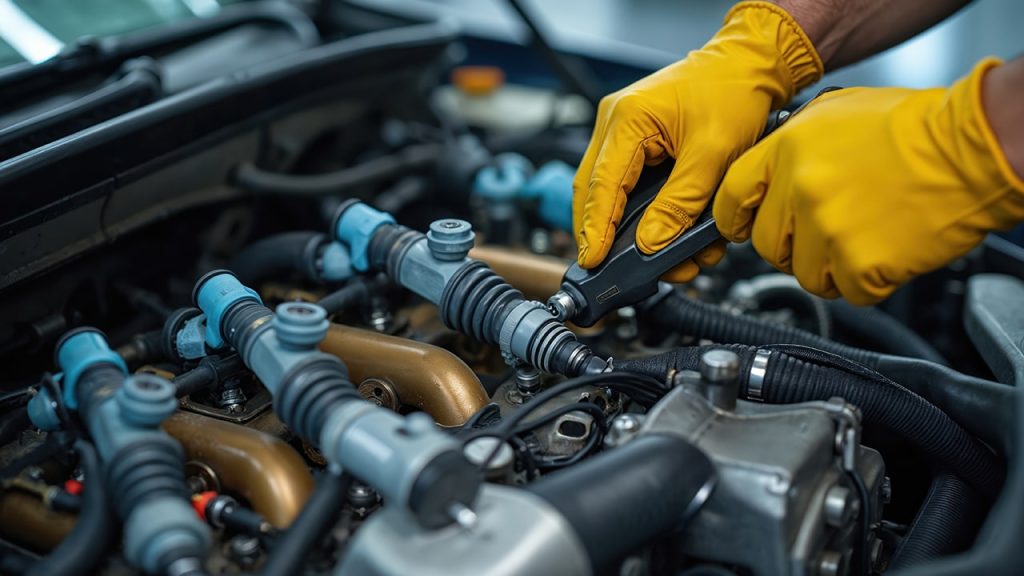
Fuel injectors spray fuel into the engine’s cylinders. They make sure fuel mixes well with air. This helps the engine burn fuel completely and cleanly.
- Fuel injectors atomize the fuel into tiny droplets.
- They control the amount of fuel based on engine needs.
- Clean injectors improve engine power and reduce emissions.
Fuel Filter
The fuel filter cleans dirt and rust from the fuel. Clean fuel helps protect the engine and fuel injectors from damage. A clogged filter can reduce fuel flow and cause the engine to run poorly.
| Filter Type | Purpose | Replacement Interval |
| Inline Fuel Filter | Filters fuel before it reaches engine | 30,000 to 50,000 miles |
| Cartridge Fuel Filter | Located inside fuel pump module | Depends on vehicle model |
Fuel Lines
Fuel lines carry fuel from the tank to the engine parts. They must be strong and leak-free. Damaged lines can cause fuel leaks and fire hazards.
- Rubber hoses for flexibility
- Metal tubes for durability
- Plastic lines for corrosion resistance
Benefits Of Fuel System Service
A fuel system service helps keep your car running smoothly. It cleans parts like fuel injectors and filters.
This service improves how your engine works and can save money over time.
Improved Engine Efficiency
Cleaning the fuel system helps fuel burn better. This means your engine works more efficiently.
A clean fuel system improves power and makes your car run smoother.
Extended Engine Life
Removing dirt and deposits from the fuel system lowers engine wear. This can help your engine last longer.
Regular service keeps engine parts clean and reduces the risk of damage.
Lower Emissions
A clean fuel system helps your car burn fuel cleaner. This lowers harmful gases released into the air.
Reducing emissions helps protect the environment and may keep your car passing emissions tests.
Cost Savings
Fuel system service can save money by improving fuel economy. Your car uses less fuel for the same drive.
It also prevents costly repairs by keeping engine parts clean and working well.
When To Schedule Fuel System Service
Fuel system service helps keep your engine running smoothly. It cleans parts like fuel injectors and filters.
You should know the right time to schedule this service. It depends on your car and driving habits.
Manufacturer Recommendations
Check your car’s manual for fuel system service advice. Manufacturers give specific schedules for this service.
Following these recommendations keeps your warranty valid. It also helps your car last longer.
After High Mileage
Cars with many miles often need fuel system service. Dirt and deposits build up more over time.
Scheduling a service after high mileage helps prevent engine problems. It improves fuel efficiency too.
Following Fuel Contamination
Fuel contamination can happen if bad fuel enters your tank. This causes clogs and poor engine performance.
Get fuel system service soon after contamination. It cleans out harmful substances and protects your engine.
During Routine Maintenance
Include fuel system checks during regular car maintenance. This helps catch issues early before they grow.
Routine service keeps your car running well and saves money on big repairs later.
Diy Fuel System Maintenance Tips
Taking care of your vehicle’s fuel system helps it run smoothly. You can do some simple checks and cleaning yourself.
These tips will help you keep your fuel system in good shape and avoid costly repairs.
Using Fuel Additives
Fuel additives clean your fuel system and improve engine performance. Use them as directed on the product label.
Additives can remove deposits from fuel injectors and prevent buildup in the fuel lines.
- Choose additives made for your fuel type
- Use additives regularly to keep the system clean
- Do not mix different additives at the same time
Checking Fuel Filter
The fuel filter catches dirt and debris before fuel reaches the engine. A clogged filter reduces engine power.
Check the filter for dirt or damage. Replace it if it looks dirty or if your vehicle’s manual says so.
- Locate the fuel filter under the vehicle or near the engine
- Inspect for rust, cracks, or clogging
- Replace with the correct filter type for your vehicle
Inspecting Fuel Lines
Fuel lines carry fuel from the tank to the engine. Check them for leaks or cracks often.
Damaged fuel lines can cause fuel leaks, which are dangerous and waste fuel.
- Look for cracks, splits, or hard spots on the lines
- Check connections for tightness and signs of leaks
- Replace any damaged or worn fuel lines immediately
Maintaining Clean Fuel Tank
Keep the fuel tank clean to avoid dirt entering the fuel system. Dirt causes clogging and engine trouble.
Drain and clean the tank if you notice rust or debris inside. Use clean fuel and avoid topping off the tank.
- Inspect the fuel tank for rust or dirt
- Use a fuel stabilizer if the vehicle is stored for long periods
- Fill the tank in clean areas to avoid contamination

Credit: www.reddit.com
Professional Fuel System Service Procedures
A fuel system service keeps your vehicle running smoothly. It helps maintain engine performance and fuel efficiency.
Fuel system problems can cause poor engine power and higher emissions. Regular service checks prevent these issues.
Fuel Injector Cleaning
Fuel injectors spray fuel into the engine for combustion. Dirt and deposits can block their spray pattern.
Cleaning removes buildup and restores proper fuel flow. This improves engine power and reduces fuel waste.
Fuel Pump Testing
The fuel pump moves gasoline from the tank to the engine. A weak pump can cause starting problems or engine stalls.
- Measure fuel pressure output
- Check for leaks in the pump system
- Inspect electrical connections
- Test pump operation under load
Fuel Filter Replacement
The fuel filter traps dirt and rust from the fuel tank. A clogged filter reduces fuel flow to the engine.
| Sign of Clogged Filter | Effect on Vehicle |
| Hard starting | Engine struggles to start |
| Engine hesitation | Power loss during acceleration |
| Poor fuel economy | More fuel used than normal |
System Diagnostics
Diagnostics use computer tools to check the fuel system and engine. They find error codes and performance issues.
Common checks include:
- Fuel pressure sensors
- Injector pulse width
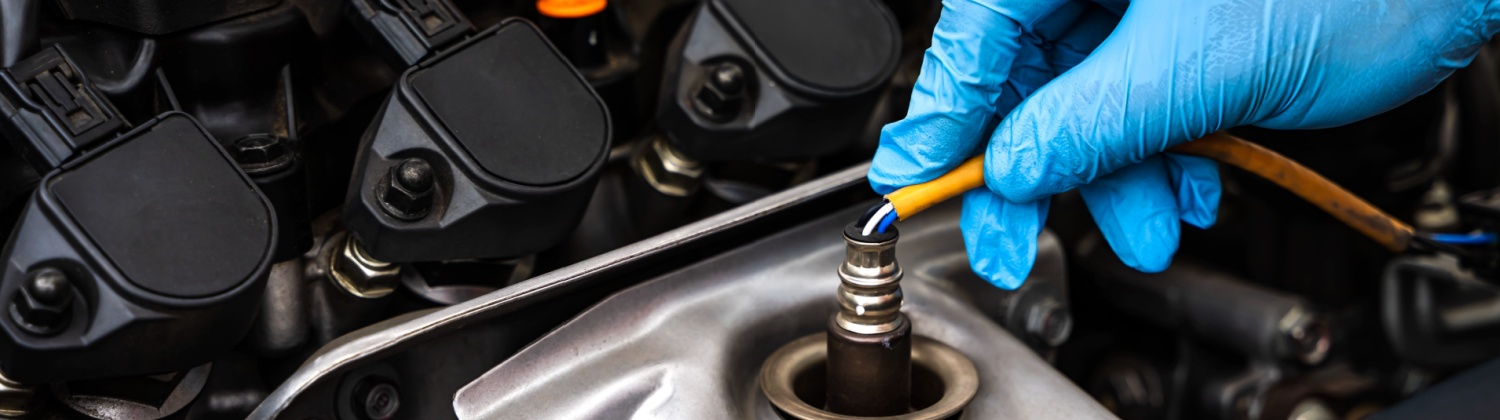
- Oxygen sensor readings
- Mass air flow sensor data
Common Myths About Fuel System Service
Many car owners do not know the truth about fuel system service. Some believe it is not needed or too costly. This post clears up common myths about fuel system service.
Knowing the facts helps you keep your car running well. It also saves money on repairs later.
Service Is Unnecessary For New Cars
Some people think new cars do not need fuel system service. They believe the fuel system is clean and protected. But even new cars can get build-up that lowers performance.
Fuel system service helps remove dirt and deposits early. This keeps the engine running smoothly and saves fuel.
Fuel Additives Replace Service
Many use fuel additives and assume they replace fuel system service. Additives can help but do not clean all parts deeply. They work best as a supplement, not a replacement.
- Additives clean minor deposits in the fuel lines.
- They do not remove heavy carbon build-up on injectors.
- Fuel system service cleans the entire system thoroughly.
- Service improves engine power and fuel efficiency.
Fuel System Service Is Too Expensive
Some avoid fuel system service thinking it costs too much. The price is often less than fixing damage caused by ignoring the fuel system.
| Cost Aspect | Fuel System Service | Repair After Damage |
| Typical Cost | $50 – $150 | $500+ |
| Time Required | 1 hour or less | Several hours or days |
| Effect on Car | Improves fuel use and power | May reduce car life |
Credit: techsavvyautomotive.ca
Frequently Asked Questions
What Is A Fuel System Service?
A fuel system service involves cleaning and maintaining the fuel system. It helps improve fuel efficiency and engine performance. This service includes cleaning fuel injectors, intake valves, and combustion chambers. Regular maintenance can prevent carbon build-up and ensure smooth vehicle operation.
How Often Should You Get A Fuel System Service?
It’s recommended to get a fuel system service every 30,000 miles. However, check your vehicle’s manual for specific guidelines. Driving conditions and fuel quality can affect service frequency. Regular servicing helps maintain engine efficiency and prolongs vehicle life.
Can A Fuel System Service Improve Fuel Economy?
Yes, a fuel system service can improve fuel economy. Cleaning the fuel system removes deposits that reduce efficiency. Improved fuel flow and combustion result in better mileage. Regular maintenance keeps your engine running smoothly and efficiently.
What Are Signs You Need A Fuel System Service?
Signs include reduced fuel efficiency, rough idling, or engine misfires. Difficulty starting your vehicle can also indicate issues. A loss of power or sluggish acceleration is another sign. Regular checks can help identify these issues early.
Conclusion
A fuel system service keeps your engine running well. It helps avoid costly repairs and saves fuel. Clean fuel parts mean better car performance and less pollution. Regular checks catch problems before they grow. Don’t wait for issues to appear.
Taking care of the fuel system protects your vehicle’s life. Simple maintenance goes a long way. Stay safe and drive with confidence. Fuel system service is a smart choice for every car owner.