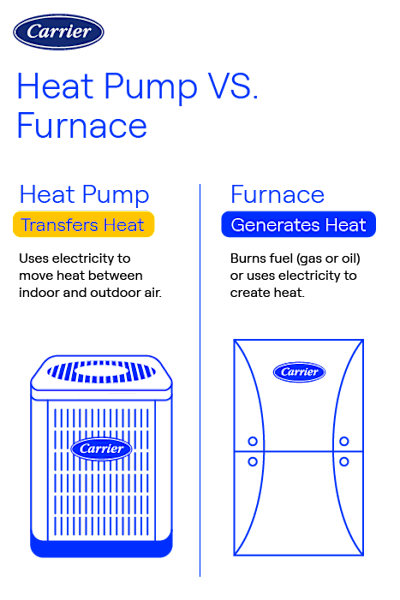
Are you wondering if a heat pump could save you more energy than your current air conditioner? Choosing the right cooling system can make a big difference in your comfort and your utility bills.
But which option truly works better for your home? You’ll discover how heat pumps and air conditioners stack up when it comes to efficiency. By the end, you’ll have a clear understanding to make the smartest choice for your needs—and your wallet.
Keep reading to find out which system gives you the best value and performance.

Credit: www.rapidheat247.co.uk
Heat Pumps Vs Air Conditioners
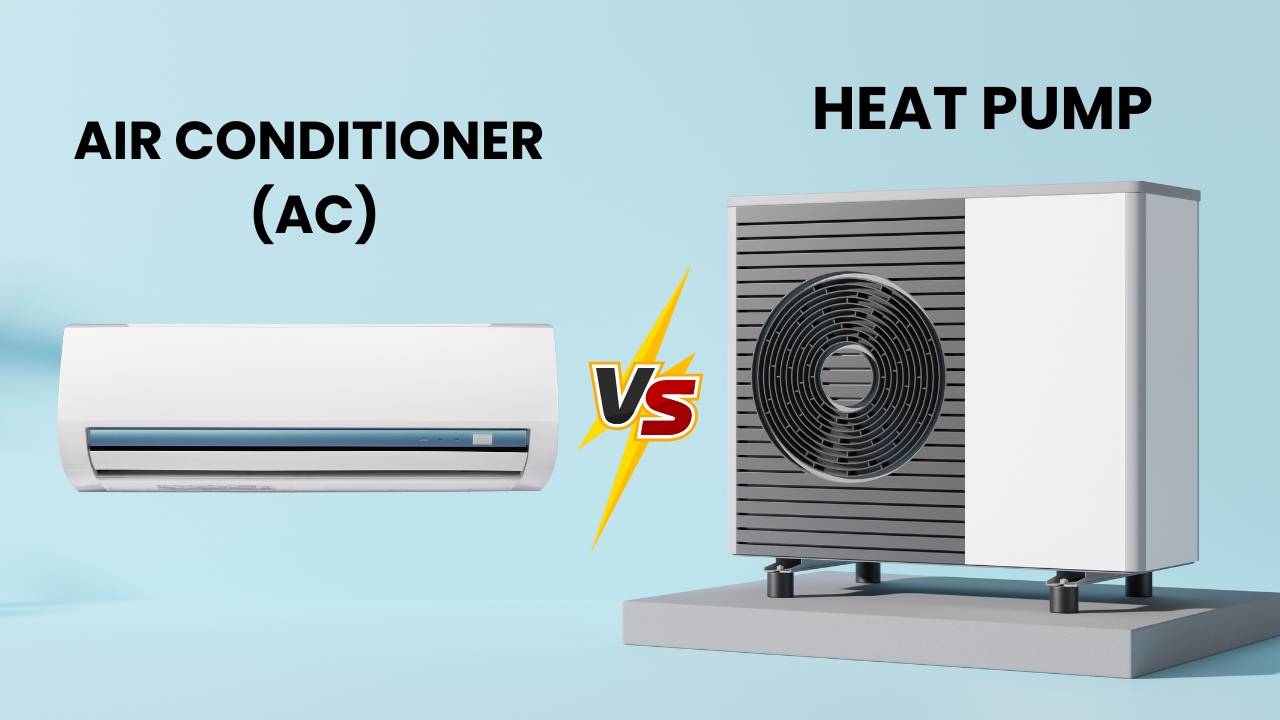
Heat pumpsand air conditionersboth cool indoor spaces by moving heat. Air conditioners take heat from inside and release it outside. Heat pumps do the same but can also work in reverse to warm your home. This makes heat pumps more versatile in different seasons.
Cooling capabilitiesare similar for both. They use a refrigeration cycle to remove heat from inside air. Heat pumps often have a slight edge in efficiency because they are designed to switch between heating and cooling easily.
Heating functionsset heat pumps apart. They can pull heat from outside air even when it is cold. Air conditioners cannot heat; they only cool. This makes heat pumps a good choice in places with mild winters or where both heating and cooling are needed.
Credit: www.rapidheat247.co.uk
Energy Efficiency Comparison
Heat pumpsuse electricity to move heat, not create it. This makes them more energy-efficientthan traditional air conditioners in many cases. They can both cool in summer and heat in winter.
Seasonal energy usagevaries. Heat pumps often use less energy in mild to moderate climates. Air conditioners only cool, so another system is needed for heating, which can use more energy overall.
| Coefficient of Performance (COP) | Energy Savings Potential |
|---|---|
| Heat pumps usually have a COP of 3 or higher. | This means they deliver 3 units of heat for every unit of electricity used. |
| Air conditioners have a lower COP, often around 2 to 3. | Less efficient for heating, as they only cool and need extra heating systems. |
- Heat pumps can save up to 50% energy compared to electric heaters.
- Efficiency depends on climate and system quality.
- Using a heat pump reduces overall energy bills in many areas.
Cost Considerations
Installation expensesfor heat pumps tend to be higher than air conditioners. Heat pumps need extra work for both heating and cooling systems. This can raise the initial cost. Air conditioners usually cost less to install because they only cool air.
Operating costsare often lower with heat pumps. They use less energy to heat and cool your home. Air conditioners use more electricity in winter since they do not heat. Heat pumps save money on monthly bills over time.
Maintenance requirementsdiffer too. Heat pumps need regular checks for both heating and cooling parts. Air conditioners require less frequent maintenance focused on cooling. Keeping either system clean helps them last longer and work well.
Climate Impact On Performance
Warm climatesfavor air conditioners as they cool efficiently in hot weather. Heat pumps also cool well but use more energy when outside temperatures rise above 95°F (35°C). Both systems work well, but air conditioners might save more energy in very hot places.
Cold climatesshow a clear advantage for heat pumps. They can both heat and cool, using less energy than traditional electric heaters. Air conditioners struggle to provide heat in freezing temperatures. Heat pumps remain effective even when it is very cold outside.
Moderate regionsenjoy the best of both systems. Heat pumps work efficiently year-round for heating and cooling. Air conditioners only cool, so extra heating is needed in winter. Heat pumps can be more cost-effective in places with mild winters and summers.
Environmental Benefits
Heat pumpsuse less energy than traditional air conditioners. This leads to a smaller carbon footprint. They move heat instead of creating it, making them more efficient.
The type of refrigerantused affects the environment. Heat pumps often use refrigerants that are better for the planet. These refrigerants have lower global warming potential.
| Energy Source | Impact on Environment |
|---|---|
| Electricity from Renewables | Very low emissions |
| Electricity from Fossil Fuels | Higher emissions but still efficient |
| Gas-powered Air Conditioners | Higher carbon emissions |

Credit: greenleafair.com
Choosing The Right System
The size of your homeand its insulation qualityaffect system choice. Larger homes need systems with more power. Good insulation keeps cool or warm air inside longer. This means systems work less and save energy.
Consider budgetand long-term savings. Heat pumps cost more upfront but save more on energy bills. Air conditioners usually cost less but only cool your home. Heat pumps can cool and heat, which may save money over time.
- Personal comfortmatters. Heat pumps provide steady warmth and coolness.
- Air conditioners cool quickly but do not heat.
- Think about your climate and how you use heating and cooling.
Frequently Asked Questions
Is A Heat Pump More Energy Efficient Than An Air Conditioner?
Yes, heat pumps are generally more energy efficient. They transfer heat instead of generating it, using less electricity. This can lower energy bills, especially in moderate climates.
Can A Heat Pump Provide Both Heating And Cooling?
Absolutely. Heat pumps work as both heaters and coolers by reversing their cycle. This dual functionality makes them versatile for year-round comfort.
How Does Climate Affect Heat Pump Efficiency?
Heat pumps perform best in moderate climates. In extremely cold areas, their efficiency drops, and supplemental heating may be needed.
Are Heat Pumps More Cost-effective Long-term Than Air Conditioners?
Heat pumps often save money over time due to lower energy use. Initial costs are higher but offset by reduced utility bills.
Conclusion
Choosing between a heat pump and an air conditioner depends on your needs. Heat pumps offer year-round efficiency. They cool and heat your home. This dual function can save money. Air conditioners are best for hot climates. They focus solely on cooling.
Consider energy costs and climate when deciding. Both have benefits and drawbacks. Weigh your options carefully. Seek professional advice if needed. Make an informed choice for your home. Your comfort and budget matter most.