Have you ever stood in your kitchen, staring at your microwave and wondered if it can do more than just reheat leftovers? You might have heard the term “convection oven” tossed around and thought, “Is a microwave a convection oven?” Before you dismiss your microwave as just a one-trick pony, you might want to rethink its capabilities.
You’ll uncover surprising truths that could transform the way you use your kitchen appliances. Imagine having the power of a convection oven at your fingertips, without needing to buy another gadget. Curious? Let’s dive into the details and discover how your microwave might just be the secret multitasker you never knew you had.
Credit: www.kitchenaid.com
Microwave Basics
Understanding the basics of a microwave helps clear up common confusions about its functions. Many people wonder if a microwave is the same as a convection oven or if it can do what a convection oven does. Let’s break down how a microwave actually works and what it’s best used for.
How Microwaves Cook Food
Microwaves use high-frequency radio waves to heat food quickly. These waves cause water molecules in the food to vibrate, creating heat from the inside out. This is why microwaves cook food faster than traditional ovens.
Unlike convection ovens, microwaves don’t use hot air or a fan to cook food. Instead, the energy targets the water, fat, and sugar molecules directly. This method is efficient but doesn’t brown or crisp food like a convection oven can.
Common Uses Of Microwaves
Microwaves are ideal for reheating leftovers, defrosting frozen items, and cooking simple meals quickly. They save time when you need to warm up your coffee or prepare popcorn for movie night.
Have you ever noticed how microwaved pizza can become soggy? That’s because microwaves can’t create the dry heat needed for crispiness. This limitation is why many people prefer convection ovens for baking or roasting.
- Reheating soups and stews
- Defrosting frozen meat
- Cooking ready-made microwave meals
- Steaming vegetables quickly
- Melting butter or chocolate
Convection Oven Basics
Understanding convection oven basics helps clarify how it differs from a microwave. A convection oven cooks food by circulating hot air around it. This method creates even heat distribution and faster cooking times. The fan inside the oven plays a key role in moving the hot air. This is why food often turns out crispier and browner than in a regular oven.
How Convection Ovens Work
Convection ovens use a fan and an exhaust system. The fan blows hot air over and around the food. The exhaust removes moisture and steam from inside the oven. This process keeps the oven temperature consistent. It also prevents soggy or unevenly cooked food. The heat circulates quickly, cooking food from all sides.
Typical Uses For Convection Ovens
Convection ovens are great for baking, roasting, and broiling. They work well for cookies, cakes, and pastries. Roasting meats and vegetables becomes faster and more even. The hot air helps create a crispy outside layer. Many people use convection ovens for reheating leftovers too. It keeps food crisp instead of soggy, unlike microwaves.
Heating Methods Compared
Understanding how microwaves and convection ovens heat food helps clarify their differences. Each uses distinct technology that affects cooking style and results. This section compares their heating methods to highlight these contrasts.
Microwave Radiation Vs. Convection Heat
Microwaves use electromagnetic waves to heat food quickly. These waves cause water molecules to vibrate, producing heat inside the food. The heat starts from the inside and moves outward.
Convection ovens use a fan to circulate hot air around the food. This hot air cooks food evenly on all sides. Heat transfers from the outside to the inside, making the surface crisp.
- Microwaves heat food fast but may cook unevenly.
- Convection ovens take longer but provide even cooking and browning.
- Microwaves do not brown or crisp food like convection ovens.
Impact On Cooking Time And Temperature
Microwaves cook food in minutes using lower temperatures. This saves time but limits texture changes like browning.
Convection ovens operate at higher temperatures. They need more time but create a crispy, golden finish.
| Feature | Microwave | Convection Oven |
|---|---|---|
| Cooking Time | Short (minutes) | Longer (10-60 minutes) |
| Temperature | Low to moderate | High (up to 500°F or 260°C) |
| Food Texture | Soft, steamed | Crispy, browned |
Cooking Results And Texture
Understanding the difference in cooking results and texture between a microwave and a convection oven can help you decide which appliance suits your cooking style. Each uses a different method to heat food, which directly affects how your dishes turn out. Knowing these differences will guide you to better results in your kitchen.
Microwave Cooking Outcomes
Microwaves cook food quickly by using electromagnetic waves that excite water molecules. This method heats food from the inside out but often leads to uneven cooking.
Food cooked in a microwave tends to be moist but lacks crispiness or browning. For example, reheated pizza in a microwave often becomes soggy rather than crispy.
If you want fast heating and soft textures, a microwave works well. However, it struggles with creating firm textures or golden crusts.
Convection Oven Cooking Outcomes
Convection ovens use hot air circulated by a fan to cook food evenly and thoroughly. This produces a consistent texture and promotes browning and crispiness on the surface.
When roasting vegetables or baking cookies, you’ll notice a crunchy outer layer and tender inside. This texture difference enhances flavor and presentation.
Have you ever wondered why roasted chicken has that irresistible crispy skin? That’s the convection oven’s hot air at work, something a microwave can’t replicate.
Appliance Design Differences
Microwaves and convection ovens share some cooking roles but differ in their design. These differences affect how they cook food and what tasks they perform best. Understanding their design helps choose the right appliance for your kitchen.
Internal Components
A microwave uses a magnetron to create microwaves. These waves heat food by agitating water molecules inside it. It lacks a heating element and fan.
A convection oven has heating elements and a fan. The fan circulates hot air for even cooking. This setup browns and crisps food better than microwaves.
Size And Features
Microwaves are usually compact and simple. They focus on quick heating and reheating tasks. Some models add grill or convection features but remain smaller.
Convection ovens tend to be larger and more versatile. They often include multiple cooking modes and temperature controls. Their size allows better air circulation and baking space.
Credit: www.kitchenaid.com
Microwave-convection Combo Ovens
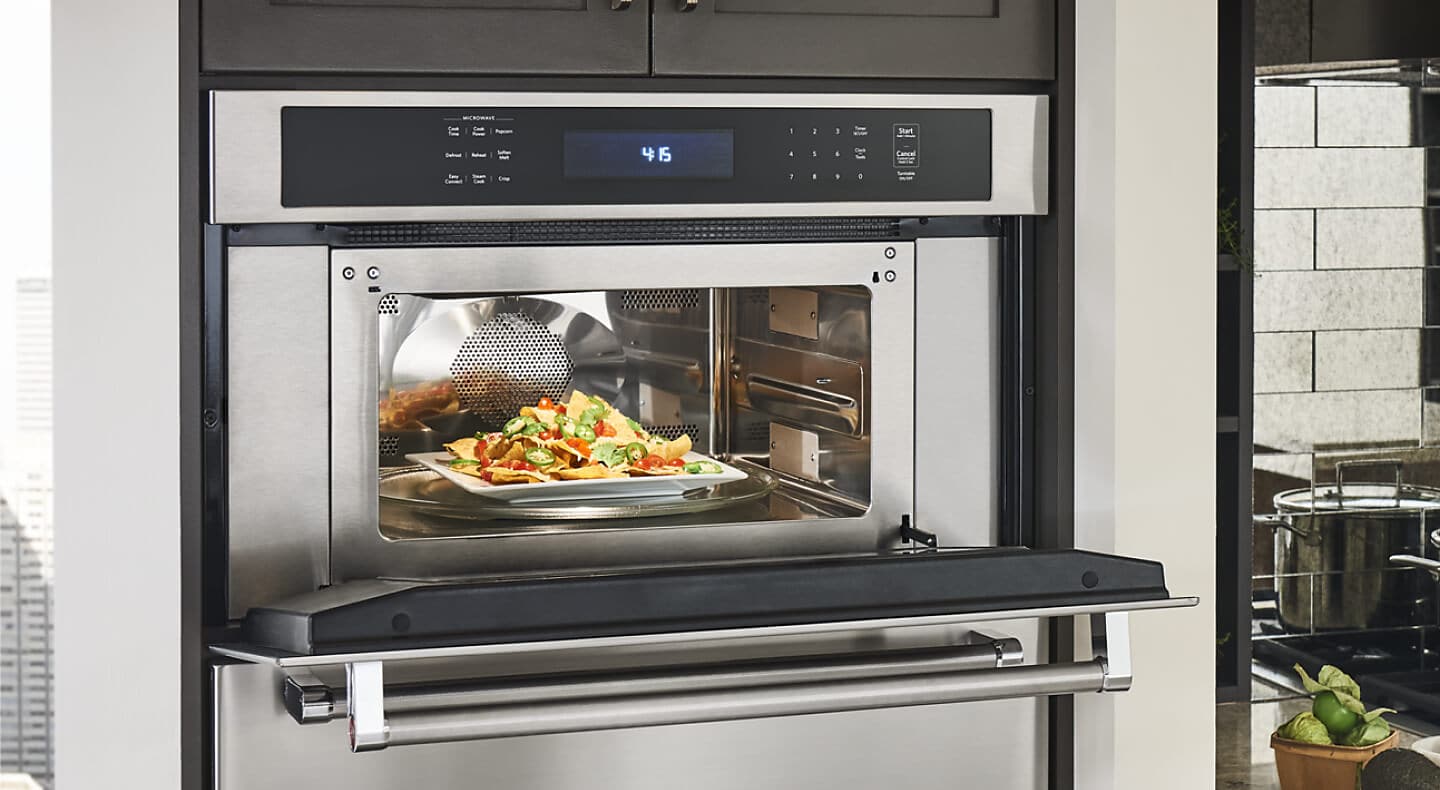
Microwave-convection combo ovens blend two cooking technologies into one appliance, giving you more ways to prepare meals with less clutter in your kitchen. These devices let you switch between microwave heating and convection baking, or use both at the same time. This versatility can save you time and space, but how exactly do these combo ovens work, and what should you expect from them?
How Combo Ovens Work
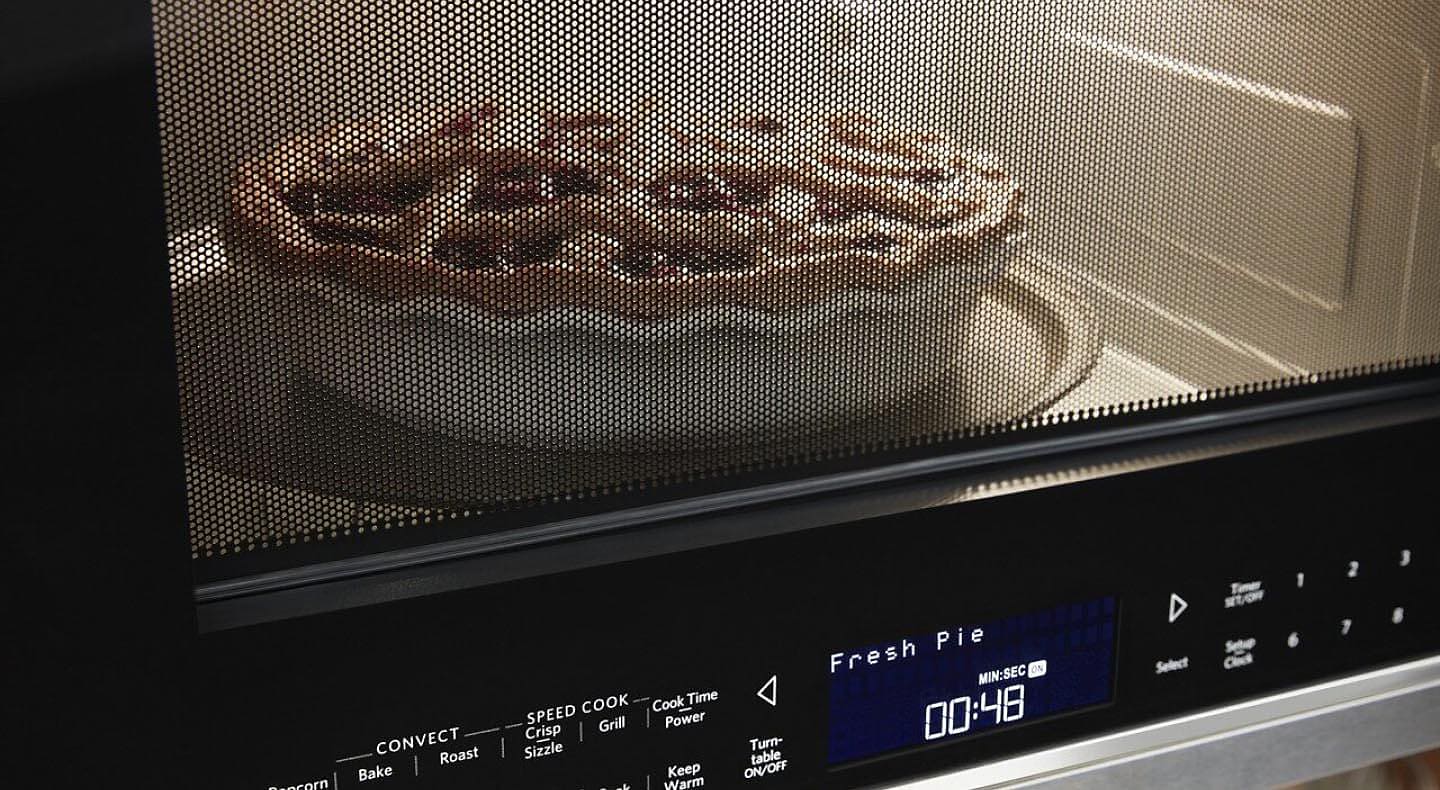
Combo ovens combine microwave energy and convection heat to cook food efficiently. The microwave function uses electromagnetic waves to heat food quickly from the inside out. Meanwhile, the convection feature circulates hot air around the food, helping it brown and crisp like a traditional oven.
When you use both modes together, the microwave heats the food rapidly, while the convection air ensures even cooking and a better texture. This dual-action is especially useful for dishes that need a crispy exterior but quick cooking times. You can bake a pizza or roast vegetables faster than with a regular oven alone.
Benefits And Limitations
One major benefit of microwave-convection combo ovens is their versatility. They let you cook a wide range of foods—from reheating leftovers to baking cakes or roasting chicken—all in one device. This can free up kitchen space and reduce the need for multiple appliances.
However, combo ovens do have limitations. They often come with a learning curve, requiring you to understand when to use microwave, convection, or both. Also, some models might not reach the high temperatures of dedicated convection ovens, which can affect baking results.
Have you ever struggled to get crispy results from a microwave alone? Combo ovens address that by adding convection heat, but you might still find that certain recipes perform better in a traditional oven. It’s worth considering how you typically cook before choosing a combo oven for your kitchen.
Choosing The Right Appliance
Choosing the right kitchen appliance can change the way you cook every day. Deciding between a microwave and a convection oven depends on what you want to achieve in your meals. Understanding the differences helps you pick the tool that fits your cooking style and needs.
Factors To Consider
Think about the space you have in your kitchen. Microwaves are usually smaller and fit easily on counters, while convection ovens might need more room. Also, consider your cooking habits—do you mostly reheat food, or do you enjoy baking and roasting?
Energy use is another factor. Microwaves often use less electricity and cook faster. However, convection ovens can offer more even cooking and browning, which matters if you want crispy textures.
Budget plays a role too. Microwaves tend to be less expensive, but convection ovens bring more cooking options. Ask yourself if you want a simple appliance or one that can do multiple cooking styles.
Best Uses For Each Appliance
- Microwave:Perfect for quickly reheating leftovers, defrosting frozen meals, and making simple dishes like popcorn or steamed vegetables.
- Convection Oven:Ideal for baking cookies, roasting meats, and cooking dishes that need a crispy outer layer or even browning.
Imagine heating last night’s pizza. A microwave does it fast but can leave the crust soft. A convection oven takes longer but keeps the crust crispy, making a huge difference in taste.
Which appliance suits your daily cooking? Do you value speed or versatility more? Your answer will guide you to the best choice for your kitchen.

Credit: www.whirlpool.com
Frequently Asked Questions
What Is The Main Difference Between Microwave And Convection Oven?
A microwave uses electromagnetic waves to heat food quickly. A convection oven circulates hot air for even cooking. Microwaves are faster but less suitable for browning. Convection ovens cook more evenly and produce a crispy texture.
Can A Microwave Function As A Convection Oven?
Some microwaves have a convection feature built-in. These hybrid models use both microwaves and hot air. However, not all microwaves can bake or roast like a convection oven. Check product specifications to confirm convection capability.
Are Convection Ovens Better Than Microwaves For Cooking?
Convection ovens are better for baking and roasting. Microwaves excel in reheating and defrosting food quickly. Each appliance serves different cooking needs. Choose based on your typical cooking style and time availability.
Is It Safe To Use A Microwave As A Convection Oven?
Using a microwave with convection mode is safe if designed for it. Never use a regular microwave to mimic convection cooking. Always follow manufacturer guidelines to avoid damage or hazards.
Conclusion
Microwaves and convection ovens have different cooking methods and uses. Microwaves heat food quickly using waves, while convection ovens use hot air for even cooking. Knowing these differences helps you choose the right appliance. Both can be helpful in the kitchen, but they are not the same.
Understanding their functions saves time and improves cooking results. Choose based on what you need to cook and how you want to cook it. Simple and clear.