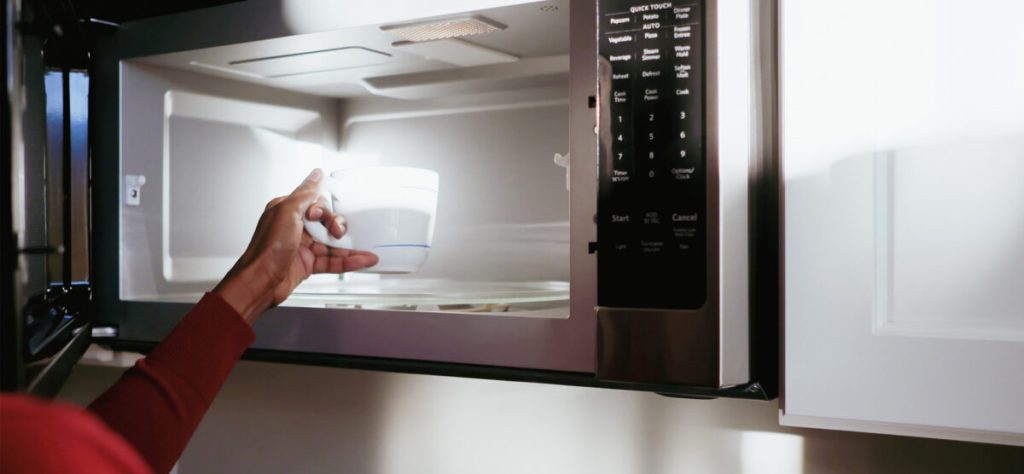
Have you ever wondered why your microwave oven doesn’t let the waves escape while it’s cooking your food? You might have heard about something called a Faraday cage, but what does that really mean for your microwave?
Understanding this can help you feel safer and more confident every time you heat your meals. Keep reading, and you’ll discover the fascinating science behind your microwave’s design—and why it keeps those waves exactly where they belong. This simple knowledge could change the way you think about a common kitchen appliance.
Microwave Oven Basics
Microwave ovens work like a Faraday cage by blocking microwaves from escaping. The metal walls and mesh screen keep energy inside. This design protects users from microwave radiation during cooking.
Microwave ovens are a staple in modern kitchens, offering quick and convenient ways to cook and reheat food. But have you ever wondered how they work or what makes them so efficient? Understanding the basics of microwave ovens can help you use them more effectively and safely.How Microwaves Cook Food
Microwave ovens use electromagnetic waves called microwaves to heat food. These waves cause water molecules in the food to vibrate, creating heat through friction. This process cooks the food from the inside out, unlike traditional ovens which cook from the outside in. Have you noticed how a microwave heats your soup from the center first? That’s the magic of microwave energy at work.Key Components Of A Microwave
A microwave oven consists of several key components that work together to heat your food: – Magnetron: This is the heart of the microwave, generating the microwaves that cook your food. It’s a powerful device that converts electrical energy into microwave radiation. – Waveguide: This component directs the microwaves from the magnetron to the cooking chamber. It’s like a highway that guides energy to where it’s needed. – Turntable: Most microwaves have a rotating plate that ensures even cooking by moving the food through different areas of microwave energy. Ever noticed how your leftovers heat more evenly when you use the turntable? – Metal Casing: The metal casing of a microwave oven acts as a Faraday cage, preventing microwaves from escaping. This ensures that the microwave energy stays inside, cooking your food efficiently and safely. Understanding these components can enhance how you use your microwave daily. Are you making the most out of your microwave’s potential?
Credit: en.wikipedia.org
Faraday Cage Concept
The Faraday Cage concept is a fascinating principle in physics that involves blocking electromagnetic fields. It works by surrounding an area with a conductive material that redistributes electrical charges and cancels the field’s effect inside. This idea is central to understanding if everyday devices like microwave ovens act as Faraday Cages.
Principles Of Electromagnetic Shielding
Electromagnetic shielding stops electromagnetic waves from passing through an enclosed space. Conductive materials, such as metal, create a barrier by reflecting and absorbing these waves. This prevents interference and protects sensitive electronics or people inside the shielded area.
Shielding depends on factors like the material’s conductivity, thickness, and the size of any gaps or holes. Even small openings can let waves escape if they’re comparable to the wavelength. This is why materials must be carefully designed to provide effective protection.
Common Uses Of Faraday Cages
Faraday Cages have many practical uses you might encounter daily. They protect electronic devices from lightning strikes and electromagnetic interference in hospitals and laboratories. You might also find them in aircraft to shield passengers from lightning damage.
Have you ever wondered why your phone loses signal inside an elevator or a car? These spaces act like mini Faraday Cages, blocking signals. Understanding this helps you appreciate how electromagnetic shielding impacts your everyday technology.
Microwave Oven As A Faraday Cage
The microwave oven acts much like a Faraday cage, designed to contain electromagnetic waves inside its cooking chamber. This containment is crucial because microwaves use high-frequency radiation to heat your food, and without proper shielding, these waves could escape and cause safety hazards. Understanding how your microwave keeps these waves locked in reveals the clever engineering behind its everyday convenience.
Design Features That Block Microwaves
The metal walls of a microwave oven serve as the primary barrier to microwaves. Metal reflects the electromagnetic waves, preventing them from passing through the oven’s enclosure. This reflection keeps the microwaves bouncing inside, focusing energy on your food rather than allowing it to leak outside.
Seals and gaskets around the door also help block microwaves by closing gaps where radiation could escape. These components ensure the oven is airtight to microwave energy but still allow you to open the door easily. You might not notice these details, but they play a vital role in your safety.
Role Of The Mesh Screen On The Door
The door of your microwave features a metal mesh with tiny holes. This mesh acts as a shield by blocking microwaves, which have a relatively large wavelength, from escaping through the door glass. However, the holes are small enough to allow you to see inside clearly.
Think about it: if the holes were bigger, microwaves could leak out. If they were smaller, your view would be too obstructed. The mesh strikes a perfect balance, ensuring safety without sacrificing visibility.
Next time you use your microwave, take a moment to look closely at the door screen. It’s a simple yet highly effective part of the Faraday cage that protects you every time you heat your food.

Credit: www.youtube.com
Safety And Efficiency
Understanding the safety and efficiency of microwave ovens is essential for anyone who uses them daily. These appliances do more than just heat food quickly—they are designed to protect you from harmful microwave radiation while optimizing cooking performance. Let’s dive into how their design keeps you safe and ensures your meals come out just right.
Preventing Radiation Leakage
A microwave oven acts like a Faraday cage, using metal mesh and sealed doors to block microwaves from escaping. This metal screen has tiny holes smaller than the microwave wavelength, which keeps radiation inside while allowing you to see your food. Manufacturers test ovens rigorously to ensure radiation leakage stays far below safety limits, so you can cook without worry.
Think about the last time you stood near a microwave while it was running—did you feel anything unusual? The reality is, the design keeps microwaves contained, making exposure outside the oven practically zero. This safety feature is crucial because microwaves can cause burns or other harm if not properly contained.
Impact On Cooking Performance
The same metal mesh that blocks radiation also helps distribute microwaves evenly inside the oven. This ensures your food heats consistently, avoiding cold spots that can spoil your meal or leave bacteria alive. Some ovens even use turntables or stirrers to improve this effect, so every bite is hot and delicious.
Have you ever noticed that some microwaved meals come out unevenly cooked? That’s often due to differences in how microwaves bounce inside the oven cavity. Choosing a model with a well-designed Faraday cage and cooking technology can make a huge difference in efficiency and taste.
Testing Microwave Shielding
Testing microwave shielding helps us understand if a microwave oven acts like a Faraday cage. This cage blocks electromagnetic waves, keeping microwaves inside the oven. Testing confirms how well the oven prevents radiation from escaping. You can try simple tests at home or use professional methods for precise results.
Simple Experiments To Try At Home
Test microwave shielding using everyday items. First, place a small radio or cellphone near the microwave. Turn the microwave on and see if the signal weakens or cuts out. This shows the microwave blocks some signals.
Another way is to use a piece of aluminum foil. Cover part of the microwave door with foil and run the microwave briefly. If the oven works well, it should still keep microwaves inside. Do not cover the entire door or run the oven empty.
- Use a mobile phone to check signal strength near the microwave.
- Cover part of the door with aluminum foil and observe performance.
- Listen for unusual noises from the microwave while running tests.
Professional Testing Methods
Experts use specialized tools to measure microwave leakage precisely. A microwave leakage detector scans around the oven to find any escaping radiation. These devices give clear readings in milliwatts per square centimeter (mW/cm²).
Laboratories use anechoic chambers to test ovens. These rooms absorb electromagnetic waves to prevent outside interference. Testing here ensures accurate measurement of microwave shielding. Professionals also check door seals and metal mesh on the glass.
| Testing Method | Description | Purpose |
|---|---|---|
| Leakage Detector | Measures microwave radiation escaping from the oven | Ensures safety and compliance with standards |
| Anechoic Chamber | Isolates microwave signals for precise measurement | Tests shielding effectiveness in a controlled environment |
| Door Seal Inspection | Examines gasket and metal mesh integrity | Prevents microwave leakage through gaps |
Common Myths And Facts
Many people wonder if microwave ovens act like Faraday cages. This question leads to several myths and facts. Understanding these can help clear confusion about microwave safety. Let’s explore the common beliefs and what science says.
Misconceptions About Microwave Radiation
Some believe microwaves leak harmful radiation. Others say the metal screen blocks all radiation outside. A common myth claims standing near a microwave is unsafe. People often think microwave ovens cause cancer or other illnesses.
In reality, microwave ovens use low-energy waves. These waves heat food but do not cause damage like X-rays. The metal mesh on the door stops most microwaves from escaping. This design keeps radiation inside the oven.
Scientific Evidence On Safety
Experts have studied microwave radiation for decades. Research shows microwave ovens meet strict safety standards. The U.S. Food and Drug Administration (FDA) regulates microwave limits. These limits prevent dangerous radiation levels from escaping.
Testing confirms microwaves leak only tiny amounts, far below harmful levels. No clear link exists between microwave use and cancer. Using a microwave according to instructions is safe. The Faraday cage effect of the metal door helps contain waves effectively.
Credit: medium.com
Frequently Asked Questions
What Is A Faraday Cage In Simple Terms?
A Faraday cage blocks electric fields and electromagnetic waves. It protects devices by using conductive materials to redirect energy around the cage, preventing interference inside.
How Does A Microwave Oven Act Like A Faraday Cage?
Microwave ovens have metal walls and a mesh door that trap microwaves inside. This design stops radiation from escaping, similar to how a Faraday cage contains electromagnetic waves.
Why Is The Microwave Door Mesh Important?
The mesh has tiny holes that block microwaves but let you see inside. It prevents radiation leakage while allowing visibility, ensuring safety during cooking.
Can A Microwave Oven Block Other Electromagnetic Waves?
Yes, the metal enclosure can block some external electromagnetic waves. However, it is specifically designed to contain microwaves, not all types of electromagnetic radiation.
Conclusion
A microwave oven acts like a Faraday cage by blocking microwaves. It keeps the waves inside, cooking food safely. The metal walls stop radiation from leaking out. This design protects people from microwave exposure. Understanding this helps you trust your oven more.
Next time you heat food, remember how it works. Safety and technology come together in this common kitchen tool. Simple but effective.