Are you standing in your kitchen, wondering if you really need that range hood above your stove? You’re not alone.
Many people ponder this very question, and the answer might surprise you. Imagine cooking your favorite meal without worrying about smoke, steam, or lingering odors. A range hood could be your secret weapon for a cleaner, fresher kitchen. But is it truly necessary?
This article will unravel the benefits and potential drawbacks, helping you make an informed decision. Stick around to discover how a range hood might just transform your cooking experience and elevate your home environment.
Credit: www.woodcocks.us
Benefits Of A Range Hood
Range hoods offer several key benefits that improve the kitchen environment. They help keep air clean, remove odors, reduce heat, and brighten the cooking area. These advantages make cooking more comfortable and enjoyable.
Improved Air Quality
Range hoods remove smoke, grease, and harmful particles from the air. This prevents buildup on walls and cabinets. Cleaner air lowers the risk of breathing problems and allergies in your home.
Odor And Smoke Removal
Cooking often produces strong smells and smoke. A range hood quickly pulls these away from your kitchen. It stops odors from spreading to other rooms and keeps your home smelling fresh.
Heat Reduction
Cooking generates heat that can make kitchens uncomfortable. Range hoods vent hot air outside or filter it. This helps keep the kitchen cooler, especially during long cooking sessions.
Enhanced Kitchen Lighting
Most range hoods come with built-in lights. These lights brighten the stove area, making it easier to see what you cook. Good lighting improves safety and cooking precision.
Types Of Range Hoods
Choosing the right range hood can make a big difference in your kitchen’s air quality and overall cooking experience. Understanding the different types of range hoods helps you pick one that fits your kitchen layout and cooking style. Let’s look at some popular options and what makes each unique.
Wall-mounted Hoods
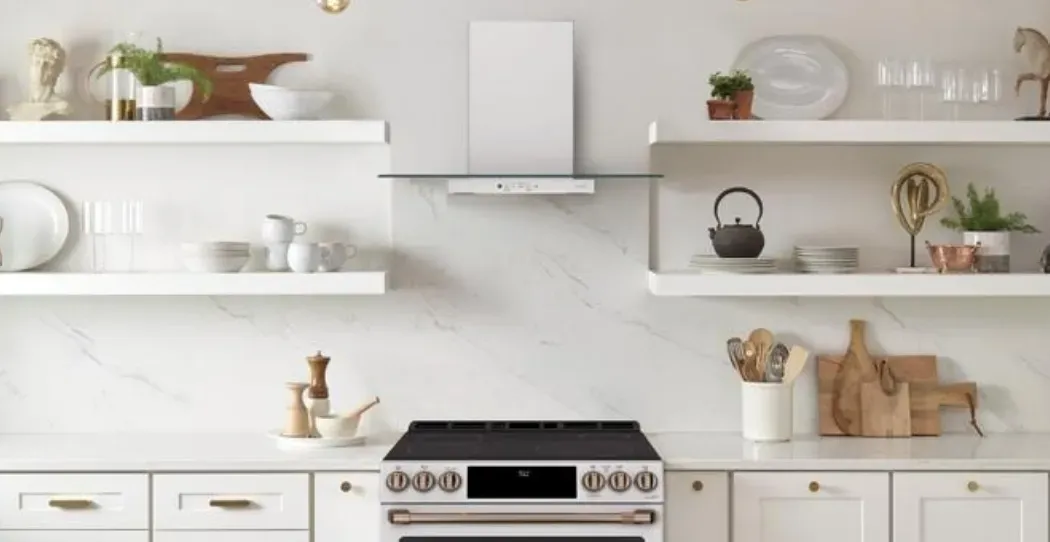
Wall-mounted hoods attach directly to the wall above your stove. They are great if your stove is against a wall and you want a powerful venting system. These hoods often come in sleek designs that can become a focal point in your kitchen.
If you cook often, a wall-mounted hood can efficiently remove smoke and odors. Plus, many models offer strong lighting to brighten your cooking area. Have you considered how the style of your hood can complement your kitchen decor?
Under-cabinet Hoods
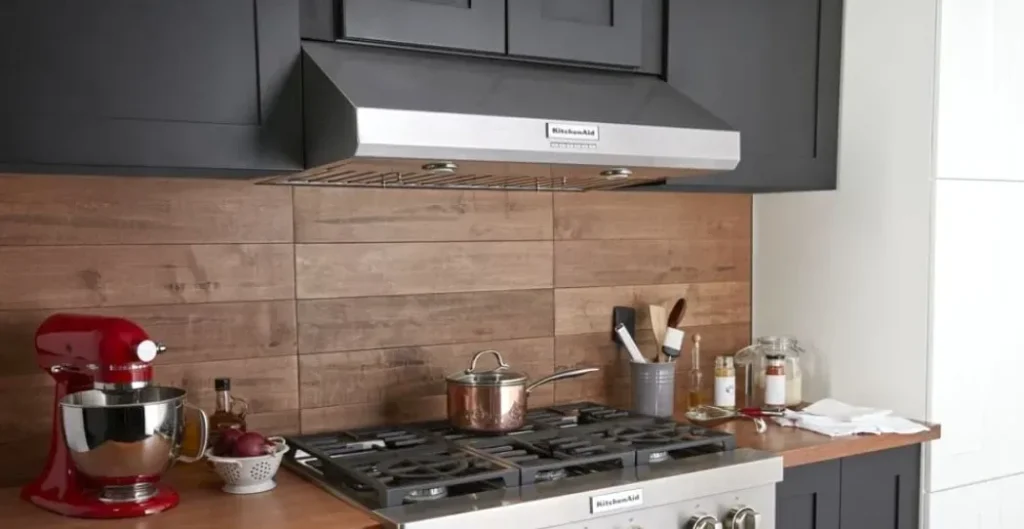
Under-cabinet hoods fit right beneath your kitchen cabinets. They save space and keep the kitchen looking neat without sacrificing ventilation. This type is perfect if you have limited space above your stove but still want effective air extraction.
They’re often quieter and less noticeable, which can be a big plus if you prefer a subtle look. Think about how often you cook and the size of your kitchen before choosing this option. Would a compact solution work better in your space?
Island Hoods
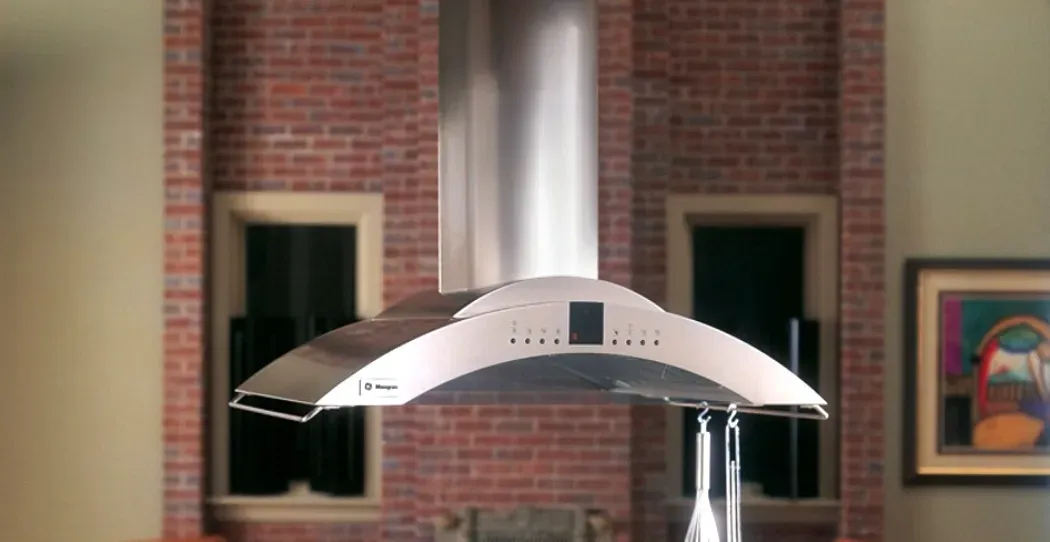
Island hoods hang from the ceiling above a cooktop located in the middle of your kitchen. They offer powerful ventilation and add a modern touch to open kitchen designs. If your stove is on an island, this type is almost a must-have.
Installation can be more complex and may require professional help. However, the impact on air quality is significant, especially in open-plan homes. How much open space do you have, and would an island hood make cooking more enjoyable?
Downdraft Hoods
Downdraft hoods rise from the countertop next to the stove and pull smoke downward. They are great if you want to keep the view clear without a hood hanging above. This type works well with kitchen islands but may not be as powerful as traditional hoods.
They’re often hidden when not in use, keeping your kitchen looking sleek and modern. Consider how often you cook greasy or smoky foods, as downdraft hoods might struggle with heavy smoke. Could a hidden hood fit your style without compromising function?
Installation Considerations
Installing a range hood requires careful thought about your kitchen’s design and function. Proper installation ensures the hood works well and fits your space. Consider ventilation type, space, and noise before choosing a model.
Ventilation Options
Ventilation helps remove smoke, steam, and odors. You can choose between venting air outside or filtering it inside. Venting outside is best for air quality. Filtering inside is easier to install but less effective.
Ducted Vs. Ductless
Ducted hoods connect to ducts that lead outdoors. They remove air completely from your kitchen. Ductless hoods use filters to clean the air and recirculate it. They need regular filter changes to stay effective.
Space And Layout
Measure the area above your stove before buying. The hood should match your cooktop size. Check for enough wall or ceiling space to mount the hood. Allow room for ductwork if using a ducted system.
Noise Levels
Range hoods can be noisy during use. Look for models with quiet motors. Noise levels are measured in sones; lower numbers mean quieter hoods. Quiet hoods make cooking more pleasant.
Credit: www.kitchenaid.com
When A Range Hood Is Essential
A range hood becomes essential in several kitchen setups. It helps keep the air fresh and clean. It also protects your kitchen from grease and smoke buildup. Understanding when to install one can improve your cooking space significantly.
Heavy Cooking Habits
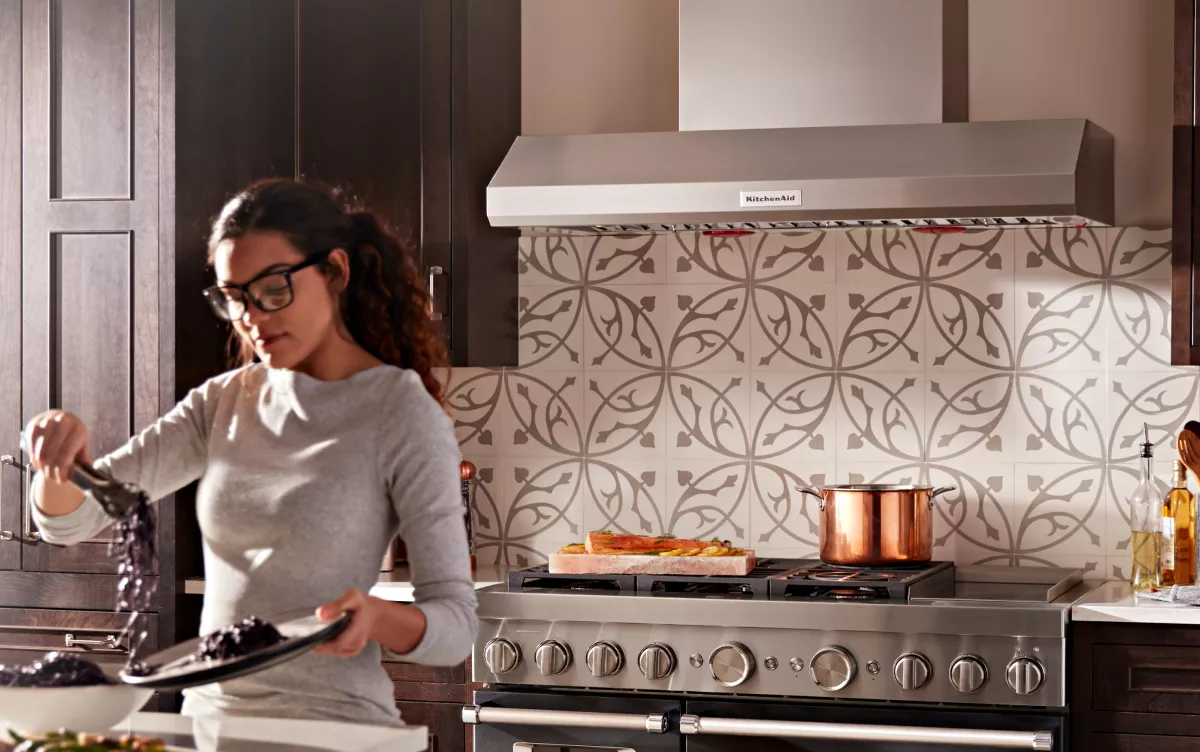
Cooking often creates smoke, steam, and strong odors. Heavy cooking leads to grease buildup on walls and ceilings. A range hood removes these pollutants quickly. It keeps your kitchen cleaner and reduces cleaning time. It also prevents lingering smells from sticking to your clothes and furniture.
Open Kitchen Designs
Open kitchens blend with living and dining areas. Smoke and odors spread easily without barriers. A range hood helps contain cooking smells in one area. It improves air circulation and keeps the entire space fresh. This is important to maintain comfort in open-plan homes.
Health And Safety Concerns
Cooking releases harmful gases like carbon monoxide. These can cause headaches, dizziness, or worse. A range hood removes these dangerous gases from your home. It also reduces moisture, preventing mold growth. Proper ventilation protects your family’s health and safety.
Local Building Codes
Many areas have rules about kitchen ventilation. These codes require a range hood or other venting system. They ensure homes meet safety and air quality standards. Checking local building codes helps avoid fines or issues during inspections. Following these rules keeps your kitchen up to code.
Situations Where A Range Hood Is Optional
Not every kitchen needs a range hood. Certain situations allow skipping this appliance without much worry. It depends on cooking habits, kitchen layout, and ventilation options. Understanding these factors helps decide if a range hood is optional.
Minimal Cooking
Cooking simple meals with little smoke or steam reduces the need for a range hood. Light use of stovetop or microwave causes fewer odors and grease. Small kitchens with limited cooking also benefit from skipping a hood. Cleaning becomes easier without an extra appliance.
Good Natural Ventilation
Kitchens with plenty of windows or vents often do not require a range hood. Fresh air flow removes smoke, smells, and moisture effectively. Cross-ventilation can clear the kitchen quickly after cooking. This works best in mild climates where open windows are common.
Alternative Venting Solutions
Other ventilation options can replace traditional range hoods. Recirculating hoods with filters clean air without outside venting. Downdraft vents pull air downward behind the stove. Portable fans or air purifiers may also help reduce odors. These solutions suit kitchens where venting outside is difficult.
Cost And Maintenance
Cost and maintenance are key factors to consider before buying a range hood. These affect your budget and how easy the appliance is to keep working well. Understanding these points helps you make a smart choice for your kitchen.
Initial Investment
Range hoods vary in price depending on style and power. Basic models cost less but may not work as well. High-end hoods offer better features but come with a higher price tag. Installation costs also add to the total investment. It is important to balance cost with the hood’s efficiency and durability.
Energy Efficiency
Range hoods use electricity to remove smoke and odors. Energy-efficient models save money on utility bills. Look for hoods with an Energy Star rating or similar certification. These use less power while maintaining strong airflow. Investing in an efficient model reduces long-term expenses.
Cleaning And Upkeep
Regular cleaning keeps your range hood working properly. Filters need to be cleaned or replaced often. Some hoods have dishwasher-safe filters for easier maintenance. Wiping down surfaces prevents grease buildup. Neglecting maintenance can reduce the hood’s performance and lifespan.
Design Impact
The design impact of a range hood goes beyond its basic function of ventilating your kitchen. It can shape the entire look and feel of your cooking space. Thoughtful design choices can elevate your kitchen’s style while ensuring practicality.
Aesthetic Choices
Your range hood can be a bold centerpiece or a subtle background element. Choosing between sleek stainless steel, rustic wood, or colorful finishes lets you express your personality. Imagine a bright red hood adding a pop of color or a minimalist model blending seamlessly with white cabinets.
Don’t forget the hood’s shape and detailing. Curved glass, angular edges, or hidden vents can all influence the kitchen’s vibe. What kind of statement do you want your kitchen to make every time you step in?
Integration With Kitchen Style
Matching your range hood with the kitchen’s style creates harmony. In a farmhouse kitchen, a wooden or copper hood can complement the warm, cozy feel. For modern kitchens, a sleek, streamlined hood keeps the look clean and futuristic.
Sometimes, the range hood can contrast with the rest of the design to add interest. A bold industrial metal hood in a soft, pastel kitchen can create a striking balance. How can your range hood help you balance style and function?
Size And Placement
The size of your range hood matters a lot for both design and performance. A hood that’s too small looks out of place and won’t ventilate well. Too large, and it can overwhelm your kitchen’s layout.
Placement affects visual flow and cooking comfort. Wall-mounted hoods work well above stoves against a backsplash, while island hoods hang from the ceiling and become a natural focal point. Have you measured your space carefully to find the perfect fit?
Credit: www.woodcocks.us
Frequently Asked Questions
What Is The Primary Function Of A Range Hood?
A range hood removes smoke, odors, and grease from your kitchen air. It helps improve indoor air quality and keeps surfaces cleaner. This ventilation prevents buildup of harmful pollutants and reduces moisture. It also helps maintain a comfortable cooking environment by eliminating excess heat.
Do All Kitchens Require A Range Hood?
While not mandatory, most kitchens benefit from a range hood. It is especially important in homes with gas stoves or frequent cooking. Range hoods help reduce odors, smoke, and airborne grease, improving air quality. However, small kitchens with minimal cooking might manage without one.
How Does A Range Hood Improve Indoor Air Quality?
Range hoods capture and exhaust cooking fumes, smoke, and steam. This prevents airborne particles and odors from spreading in your home. They reduce moisture, which lowers mold and mildew risks. Proper ventilation also minimizes exposure to harmful gases like carbon monoxide.
Can A Range Hood Reduce Kitchen Odors Effectively?
Yes, a range hood significantly reduces cooking odors by venting them outside. It prevents smells from lingering on surfaces and furniture. Recirculating hoods with good filters also help by trapping odors and grease. Overall, range hoods maintain a fresher kitchen environment.
Conclusion
A range hood helps keep your kitchen air clean. It removes smoke, odors, and grease while cooking. This makes your kitchen safer and more comfortable. Clean air can also protect your walls and furniture. Though not always required, many find it useful.
Consider your cooking habits and kitchen size before choosing one. A good range hood can improve your home’s air quality. Think about it as a helpful tool, not just an extra appliance.