Are you wondering if a range hood is really necessary in your kitchen? You might think it’s just an extra appliance, but it can make a big difference in your cooking space.
Imagine cooking without worrying about smoke, strong odors, or greasy buildup. A range hood can protect your walls and keep your air fresh. But is it required by law or just a smart choice? Keep reading to find out why a range hood might be exactly what your kitchen needs—and how it can improve your everyday cooking experience.
Why Range Hoods Matter
Ever wondered why range hoods are considered essential in modern kitchens? They are more than just stylish additions to your cooking space. Let’s dive into the importance of range hoods and why they matter for your home and health.
Health Benefits
Your kitchen is the heart of your home, but it can also be a source of indoor air pollution. Cooking releases smoke, grease, and harmful particles into the air. A range hood efficiently captures these, reducing your exposure to potential irritants and allergens.
Think about how often you cook meals. Without proper ventilation, those invisible particles could affect your respiratory health over time. A range hood acts as your first line of defense, promoting a healthier living environment.
Improved Air Quality
Have you ever noticed lingering odors after cooking? A range hood helps eliminate these smells, keeping your kitchen fresh and inviting. It’s not just about smell—it’s about maintaining a comfortable atmosphere in your home.
Imagine hosting a dinner party and your guests are greeted by the aroma of last night’s fish dinner. A range hood ensures that cooking odors don’t overstay their welcome, enhancing your home’s overall air quality.
Preventing Kitchen Damage
Grease and moisture from cooking can damage your kitchen surfaces over time. Cabinets and walls may show signs of wear, especially if they’re not adequately protected. A range hood helps prevent this by capturing grease and moisture before they settle.
Picture your kitchen in a few years. Wouldn’t you prefer surfaces that look as good as new? Investing in a range hood is a proactive step to preserve your kitchen’s aesthetics and functionality.
When Is A Range Hood Needed
Knowing when a range hood is needed helps keep your kitchen safe and fresh. It controls smoke, odors, and moisture from cooking. Several factors decide if you must install one. These include rules, appliance type, and kitchen size.
Building Codes And Regulations
Many areas have rules about kitchen ventilation. Local building codes often require a range hood. These rules aim to improve air quality and safety. Check with your local authority before installation. This ensures you follow legal requirements and avoid fines.
Types Of Cooking Appliances
Gas stoves produce more fumes and moisture than electric ones. Using gas usually means a range hood is necessary. Electric cooktops may not always need one. However, heavy cooking with oils and spices still calls for ventilation. Proper airflow reduces smoke and grease build-up.
Kitchen Size And Ventilation
Small kitchens with little airflow need a range hood. It helps remove cooking smells and moisture quickly. Large kitchens may require stronger ventilation systems. Poor ventilation can cause mold and damage walls. A well-sized hood fits the kitchen layout and cooking habits.
Types Of Range Hoods
Choosing the right range hood can make a big difference in your kitchen’s air quality and style. There are several types designed to fit different cooking spaces and ventilation needs. Understanding these types helps you pick a model that works best for your kitchen setup and cooking habits.
Ducted Vs. Ductless
Ducted range hoods vent air outside your home. They remove smoke, steam, and odors effectively, making them ideal if your kitchen allows for external venting. However, installation can be more complex and costly since it requires a duct system.
Ductless hoods filter and recirculate air back into the kitchen through charcoal filters. These are easier to install and work well in apartments or homes without ductwork. Keep in mind, they need regular filter changes to maintain efficiency.
Wall-mounted And Island Hoods
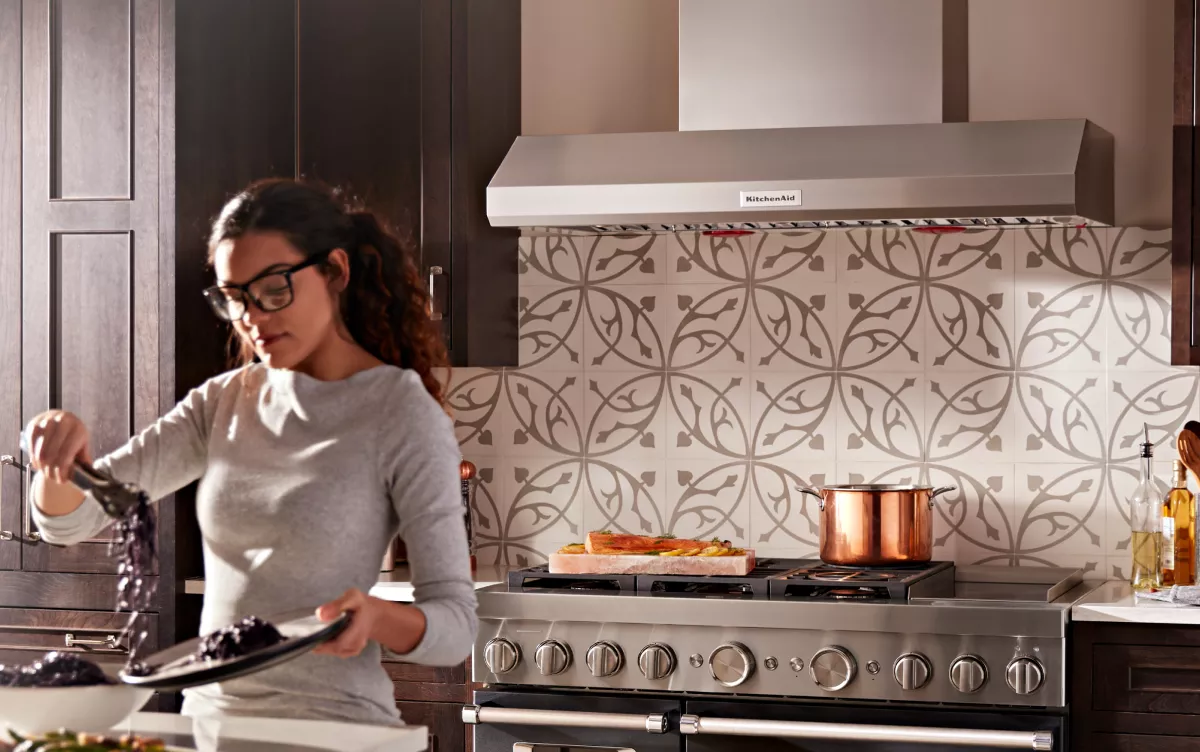
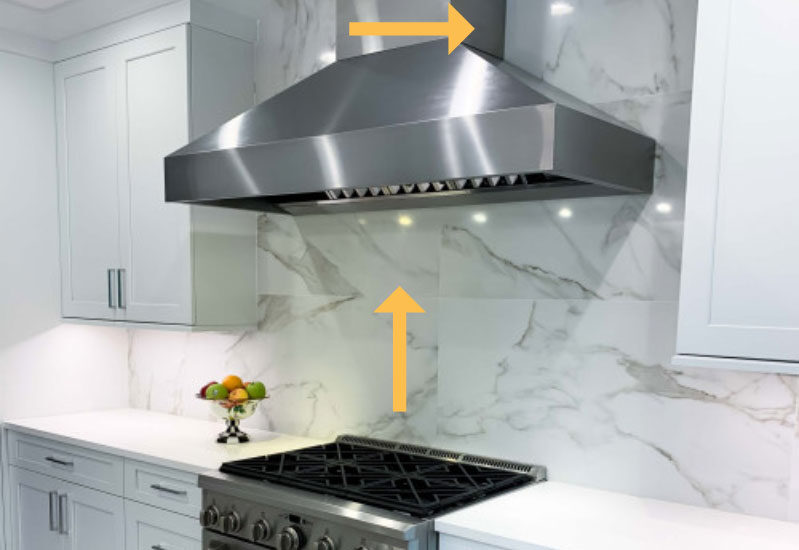
Wall-mounted hoods attach directly to the wall above your stove. They come in various sizes and designs, often making a bold statement in the kitchen. If your stove is against a wall, this type is usually the best fit.
Island hoods hang from the ceiling over a stove located on a kitchen island. They require sturdy ceiling support and usually feature a wider canopy to capture smoke from all sides. Have you measured your island space carefully before choosing this style?
Under-cabinet And Insert Models
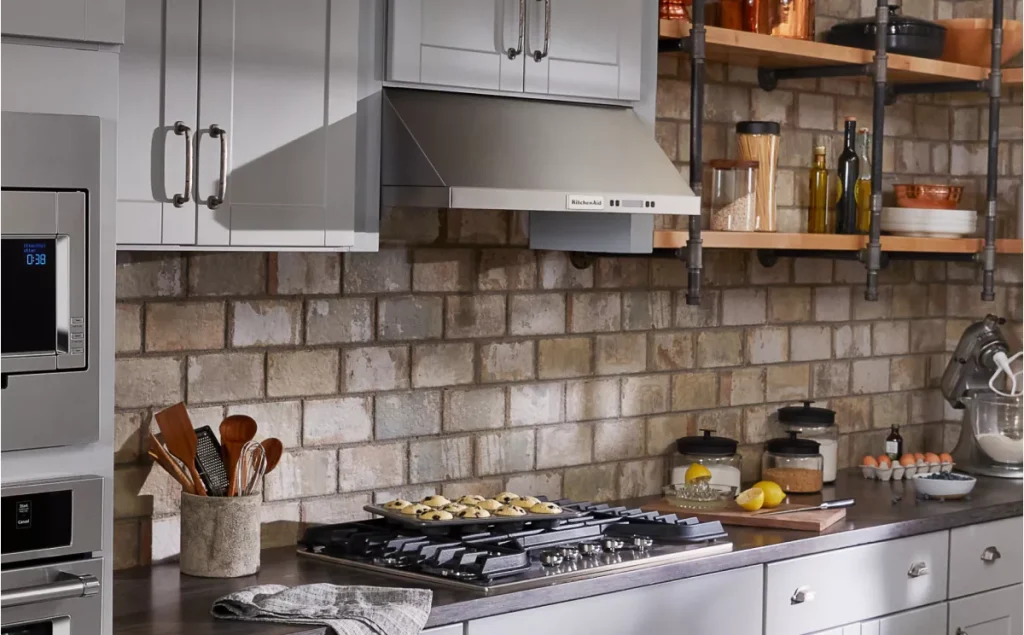
Under-cabinet hoods fit neatly beneath kitchen cabinets, saving space and blending into your kitchen design. They are great for smaller kitchens or where you want a clean, streamlined look. These hoods often come with lighting to brighten your cooktop.
Insert models are built into custom cabinetry or boxed enclosures, giving you flexibility in design. They allow you to match the hood with the kitchen’s style while still providing effective ventilation. Are you considering a custom kitchen design that needs a hidden ventilation solution?
Credit: woodnco.com
Choosing The Right Range Hood
Choosing the right range hood is important for a clean and safe kitchen. It helps remove smoke, odors, and grease from cooking areas. Picking a hood that fits your kitchen needs improves air quality and keeps the space comfortable. Consider power, noise, and design to find the best fit.
Power And Airflow
Power is key for effective ventilation. Look for a hood with enough airflow to clear smoke quickly. Airflow is measured in cubic feet per minute (CFM). Higher CFM means stronger suction. Match the CFM to your cooking style and stove size. Gas stoves usually need more power than electric ones. Proper airflow prevents buildup of grease and odors.
Noise Levels
No one wants a loud range hood. Noise can disrupt conversation and comfort in the kitchen. Check the decibel (dB) rating before buying. Lower dB means quieter operation. Some hoods offer multiple speed settings for less noise during light cooking. Choose a model that balances power and quietness.
Design And Aesthetics
Range hoods come in many styles and finishes. Pick a design that matches your kitchen decor. Common types include wall-mounted, island, under-cabinet, and insert hoods. Stainless steel is popular for its modern look and durability. Size matters too—choose one that fits above your stove without crowding. A well-designed hood adds style and function to your kitchen.
Installation Tips
Installing a range hood correctly improves kitchen air quality and safety. Proper setup ensures the hood works efficiently and lasts longer. Focus on key factors like placement, ventilation, and choosing the installation method.
Proper Placement
Place the range hood directly above the cooktop. Keep the bottom of the hood 24 to 30 inches above the stove surface. This distance helps capture smoke and odors effectively. Avoid placing the hood too high or too low. Check the manufacturer’s guidelines for specific height recommendations.
Ventilation Requirements
Good ventilation removes smoke, steam, and grease from your kitchen. Use a vent that leads outside the house. Avoid venting into an attic or crawl space. Choose a duct size that matches the hood’s exhaust capacity. Smooth, straight ducts work better than flexible ones. Keep the duct length as short as possible to improve airflow.
Professional Vs. Diy Installation
Professional installation ensures safety and proper function. Experts handle electrical wiring and vent placement with care. DIY installation can save money but requires skills and tools. Check local building codes before starting a DIY project. Improper installation may cause poor ventilation or damage. Consider your experience and comfort level before deciding.
Credit: www.kitchenaid.com
Maintenance And Cleaning
Keeping your range hood in top shape requires regular maintenance and cleaning. This not only ensures it works efficiently but also extends its lifespan. Neglecting this can lead to poor air quality and even safety hazards in your kitchen.
Filter Types And Replacement
Range hoods typically use two main filter types: mesh filters and charcoal filters. Mesh filters catch grease and need to be washed regularly, usually every month. Charcoal filters absorb odors and cannot be cleaned; they must be replaced every 3 to 6 months depending on use.
Check your hood’s manual to know which filter you have. Are you sure when you last changed or cleaned your filters? This small step can drastically improve your kitchen’s air quality.
Routine Cleaning Schedule
Set a cleaning routine that fits your cooking habits. Wipe down the exterior weekly to prevent grease buildup. For the interior and fan blades, a thorough clean every 3 months is ideal.
- Use warm, soapy water or a degreaser for mesh filters.
- Dry filters completely before reinstalling to avoid mold.
- Clean the vent cover and surrounding areas to prevent dust accumulation.
Regular cleaning keeps your range hood running silently and efficiently. How often do you clean yours?
Troubleshooting Common Issues
If your range hood isn’t removing smoke effectively, check the filters first. Clogged filters are the usual culprit. Another common issue is unusual noise, often caused by loose parts or a dirty fan.
Test the fan and light to ensure they work properly. If problems persist, inspect the ductwork for blockages or damage. Knowing these simple fixes can save you a service call and keep your kitchen safe.
Alternatives To Range Hoods
Range hoods are common in many kitchens, but they are not the only way to handle cooking smoke and odors. Some kitchens use other options that can work well without a traditional hood. These alternatives help keep the air fresh and clean while cooking.
Downdraft Ventilation
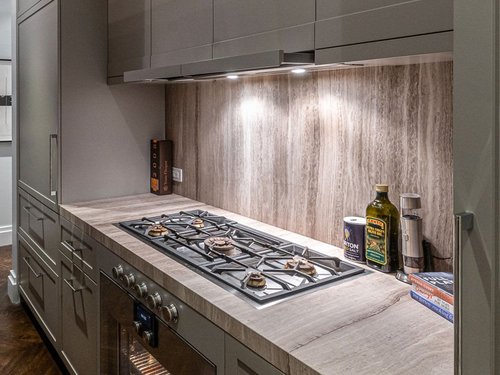
Downdraft ventilation pulls smoke and steam downwards through vents built into the countertop. It hides in the kitchen surface and rises only when needed. This system works best with cooktops that don’t produce large amounts of smoke. It keeps the kitchen air clear without a bulky hood above the stove.
Air Purifiers
Air purifiers remove odors, smoke, and airborne particles from the kitchen air. They use filters to trap grease and smells. Some models have carbon filters to absorb cooking odors effectively. Air purifiers are easy to place and do not require special installation. They work well in smaller kitchens or places without vents.
Enhanced Kitchen Design
Good kitchen design helps control cooking smoke and smells naturally. Placing windows near the stove allows fresh air to flow in and push smoke out. Using doors and vents in the kitchen layout improves airflow. Materials that resist grease build-up on walls and counters make cleaning easier. This design approach reduces the need for heavy ventilation equipment.
Credit: blog.yaleappliance.com
Frequently Asked Questions
Is A Range Hood Legally Required In Kitchens?
Range hood requirements vary by location and building codes. Many areas mandate them for ventilation and safety. Check local regulations to ensure compliance. Proper ventilation reduces smoke, odors, and harmful gases, improving indoor air quality in your kitchen.
What Are The Benefits Of Installing A Range Hood?
Range hoods remove smoke, grease, and odors from cooking areas. They improve air quality and reduce moisture buildup. This helps prevent mold and keeps your kitchen cleaner. Additionally, they enhance kitchen lighting and can boost your home’s value.
Can You Cook Without A Range Hood Safely?
Cooking without a range hood is possible but less safe. Without ventilation, smoke and odors linger, affecting air quality. Prolonged exposure to cooking fumes can harm health. Using exhaust fans or opening windows can help reduce indoor pollutants.
How Do Range Hoods Improve Indoor Air Quality?
Range hoods capture and remove airborne particles from cooking. They filter out smoke, grease, and odors efficiently. This prevents respiratory issues and keeps your kitchen fresh. Proper ventilation also controls humidity, reducing mold and mildew risks.
Conclusion
Range hoods help keep your kitchen air clean and fresh. They remove smoke, odors, and grease while cooking. Many homes have rules that require them for safety. Choosing the right range hood depends on your cooking habits and kitchen size.
Ventilation improves comfort and protects your walls and ceilings. Think about your needs before deciding if you need one. A good range hood makes cooking safer and more pleasant. It is a smart choice for any kitchen space.