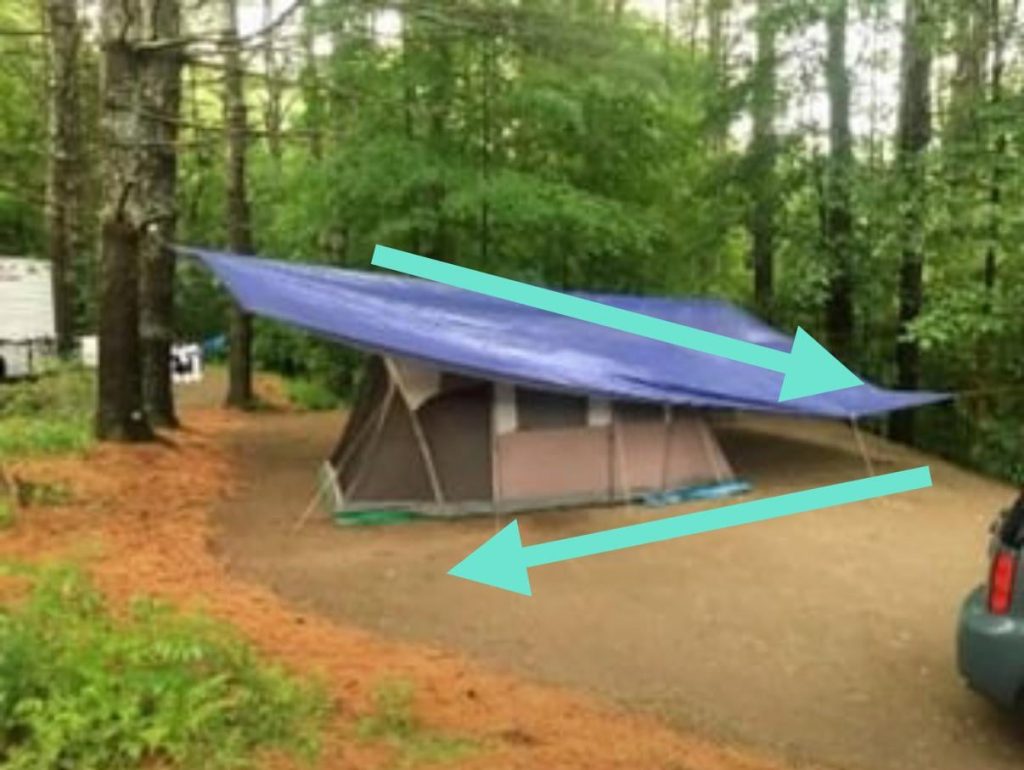
Are you wondering if a tent footprint is really necessary for your next camping trip? You might think it’s just an extra piece of gear, but it can make a big difference in protecting your tent and improving your camping experience.
Imagine setting up your tent on rough, rocky ground or wet grass—without something to shield the bottom, your tent could wear out faster or even let moisture in. Keep reading to discover why a tent footprint might be exactly what you need to save time, stay dry, and make your outdoor adventures more comfortable.
Purpose Of A Tent Footprint
A tent footprint is a groundsheet placed under your tent. It offers extra protection and comfort. Many campers find it useful for outdoor trips.
This guide explains the main reasons why using a tent footprint is helpful. It covers shielding, waterproofing, and lasting longer.
Shielding Tent Floor From Abrasion
A tent footprint acts as a barrier between your tent floor and the ground. It stops sharp rocks, sticks, and rough soil from causing damage.
- Prevents holes and tears in the tent floor
- Reduces wear and scratches from rough surfaces
- Keeps the bottom of the tent clean
- Makes packing up easier by avoiding stuck dirt
Enhancing Waterproofing
The footprint adds an extra layer to stop water from soaking your tent floor. It helps keep the inside dry during rain or damp ground conditions.
| Waterproof Feature | Benefit |
| Extra ground layer | Blocks water from seeping up |
| Sealed seams | Prevents water leaks under tent |
| Quick drying material | Reduces moisture buildup |
Extending Tent Lifespan
Using a footprint helps your tent last longer by protecting it from damage. It lowers repair needs and keeps the tent in good shape.
Key ways a footprint extends tent life:
- Reduces direct contact with rough ground
- Prevents moisture damage from wet soil
- Minimizes dirt and grime on the tent floor
- Protects against small punctures and tears
- Makes cleaning the tent easier
Credit: www.cleverhiker.com
Materials Used In Tent Footprints
Tent footprints protect your tent floor from rough ground. They add an extra layer between the tent and the earth. This helps prevent tears and keeps moisture out.
Choosing the right material for a footprint matters. Different fabrics and coatings offer various levels of protection and weight. Let’s look at the common materials used.
Common Fabrics And Coatings
Footprints often use fabrics like nylon and polyester. These materials are strong but light. They also resist water when coated properly. Coatings add to the fabric’s durability and water resistance.
- Nylon:Lightweight and strong, with a smooth finish.
- Polyester:More UV resistant, slightly heavier than nylon.
- Polyurethane Coating (PU):Adds waterproofing and durability.
- Silicone Coating (Sil):Lightweight and very water-resistant but can be pricier.
Durability And Weight Considerations
| Material | Durability | Weight | Best Use |
|---|---|---|---|
| Nylon with PU Coating | High | Light | Backpacking and general camping |
| Polyester with PU Coating | Medium | Medium | Car camping and longer trips |
| Nylon with Silicone Coating | Very High | Very Light | Ultralight backpacking |
| Heavy-Duty Canvas | Very High | Heavy | Base camping or rough terrain |
Comparing Footprints And Tarps
Tent footprints and tarps protect your tent’s floor from damage. Both help keep moisture away. Choosing the right one depends on your needs.
Understanding their differences helps you decide which suits your camping style best.
Differences In Design And Fit
Footprints are custom-made to fit the exact size of your tent floor. They match the shape and corners perfectly. Tarps are usually larger and less shaped. They can be folded or cut to size, but may not fit snugly.
- Footprints offer precise coverage and protect against sharp objects.
- Tarps provide flexible coverage but may have extra material that can catch wind.
- Footprints often have reinforced edges to prevent wear.
- Tarps are simple sheets without special features for tents.
Cost And Practicality
| Aspect | Footprint | Tarp |
| Price | Usually higher | Generally lower |
| Weight | Light and compact | Can be heavier and bulkier |
| Durability | Designed for tent floor wear | Varies by material |
| Usability | Easy to set up with tent | Requires extra effort to secure |
Footprints cost more but offer better protection and convenience. Tarps are cheaper and useful for multiple purposes. They can serve as a ground cover or shelter.

Credit: www.reddit.com
When To Use A Footprint
A tent footprint is a groundsheet that goes under your tent. It protects the tent floor from wear and moisture.
Knowing when to use a footprint helps keep your tent in good shape for many trips.
Types Of Terrain And Conditions
Some terrains can damage your tent floor more than others. Rocky, rough, or wet ground needs extra protection.
- Rocky or gravel areas can tear the tent floor without a footprint.
- Wet or damp ground can let moisture seep inside the tent.
- Sandy terrain may wear down the floor over time.
- Soft soil is less harsh but can still cause dirt stains.
Using a footprint on tough terrain keeps your tent dry and clean.
Long Trips Versus Casual Camping
Long trips need more care for your gear. A footprint helps avoid damage during extended use.
| Type of Trip | Footprint Use |
| Long Trips | Recommended to protect tent floor and extend tent life. |
| Casual Camping | Optional but useful for wet or rough ground. |
| Backpacking | Lightweight footprints save weight and protect gear. |
| Car Camping | Footprints add comfort and keep tent clean. |
Diy Footprint Options
Using a tent footprint helps protect your tent floor from damage. You can make one yourself with simple materials. This guide shows easy DIY footprint ideas.
DIY footprints save money and let you customize to fit your tent perfectly. Learn how to use household items and tips to make your own footprint.
Using Household Materials
Many household materials can work as a tent footprint. Look for items that are waterproof and durable to protect the tent floor from rough ground and moisture.
- Old shower curtains: Waterproof and light, easy to cut to size.
- Plastic tarps: Affordable and tough, but can be heavier.
- Painter’s drop cloths: Water-resistant and often reusable.
- Plastic tablecloths: Lightweight and disposable for short trips.
- Large garbage bags: Good for emergencies or short use.
Customization Tips
Customize your footprint to fit your tent and camping needs. Make sure it matches the shape and size of your tent floor for best protection.
| Customization Step | Tip |
| Measure Tent Floor | Use a tape measure to get exact dimensions |
| Cut Material | Leave a small border to prevent rainwater from pooling |
| Secure Edges | Use duct tape or fabric glue to avoid fraying |
| Add Tie-Downs | Sew or tape loops to keep footprint in place |
| Test Fit | Place footprint under tent before camping |
Setting Up And Caring For Footprints
A tent footprint is a layer that goes under your tent to protect it. It stops sharp rocks and dirt from damaging the tent floor. Using a footprint can make your camping gear last longer.
To get the most from your footprint, you need to set it up correctly. You also have to clean and store it right. This keeps it in good shape for many camping trips.
Proper Installation Techniques
Place the footprint on flat ground before you set up your tent. Make sure it matches the size of your tent floor. If the footprint is too big, water can collect between the footprint and tent.
Secure the footprint by staking it down or tucking the edges under the tent. Avoid folding the footprint under the tent floor, as this can cause wear. Check that the footprint is smooth and flat to prevent damage.
- Lay the footprint flat on even ground
- Match the footprint size to the tent floor
- Stake or tuck the footprint edges carefully
- Keep the footprint smooth without folds
Cleaning And Storage
After camping, clean the footprint with fresh water. Use a soft brush to remove dirt and mud. Avoid harsh soaps or chemicals that can damage the material.
Dry the footprint completely before storing. Store it in a cool, dry place away from sunlight. Folding it loosely helps keep the fabric strong and ready for your next trip.
- Rinse with fresh water after use
- Use a soft brush for tough dirt
- Do not use strong soaps or chemicals
- Dry fully before storing
- Store in a dry, shaded area
- Fold loosely to avoid creases
Impact On Tent Performance
A tent footprint is a groundsheet that sits under your tent. It can change how your tent performs in different ways. Understanding these changes helps you decide if you need one.
This article looks at two important factors: weight and pack size, and moisture management. Both affect your camping experience.
Weight And Pack Size
Adding a footprint adds weight and takes up space in your backpack. This can matter if you hike long distances or carry limited gear.
- Most footprints weigh between 5 and 15 ounces.
- They usually pack small, but some materials bulk more than others.
- Choosing a lightweight footprint keeps your load easier to carry.
- If you want to save weight, consider if the footprint is necessary for your trip.
Moisture Management
A footprint helps manage moisture by creating a barrier between your tent floor and the ground. This stops water from seeping inside your tent.
| Benefit | Explanation |
|---|---|
| Reduces Condensation | Stops damp ground from making the tent floor wet. |
| Prevents Groundwater | Keeps water from pooling under the tent during rain. |
| Keeps Tent Clean | Protects the tent floor from mud and dirt. |

Credit: www.reddit.com
Frequently Asked Questions
What Is A Tent Footprint And Why Use It?
A tent footprint is a groundsheet designed to fit under your tent. It protects the tent floor from abrasion and moisture, extending its life. Using a footprint improves comfort by preventing ground punctures and reduces cleaning effort after camping trips.
Does A Tent Footprint Improve Tent Durability?
Yes, a tent footprint significantly enhances durability. It shields the tent floor from sharp rocks, sticks, and rough surfaces. This protection prevents tears and wear, helping your tent last longer and maintain waterproof integrity during multiple camping seasons.
Can A Footprint Prevent Moisture Inside The Tent?
Absolutely. A footprint acts as a moisture barrier, preventing dampness from the ground seeping into the tent floor. This keeps the tent interior dry and comfortable, especially in wet or dewy conditions, improving overall camping experience.
Is A Tent Footprint Necessary For All Camping Trips?
While not always mandatory, a footprint is highly recommended. It’s especially useful on rough, wet, or rocky terrain. For casual or short trips on soft ground, it may be optional, but it always adds protection and convenience.
Conclusion
Deciding on a tent footprint is crucial for campers. It protects your tent from damage. Keeps it clean and dry. Some campers find it essential. Others manage without. Consider your camping style. Evaluate the terrain and weather. A footprint can add comfort and extend tent life.
It might seem like an extra step. But, it could save money in the long run. Think about your needs and budget. Whether you choose one or not, enjoy your camping adventure. Stay safe and have fun under the stars.