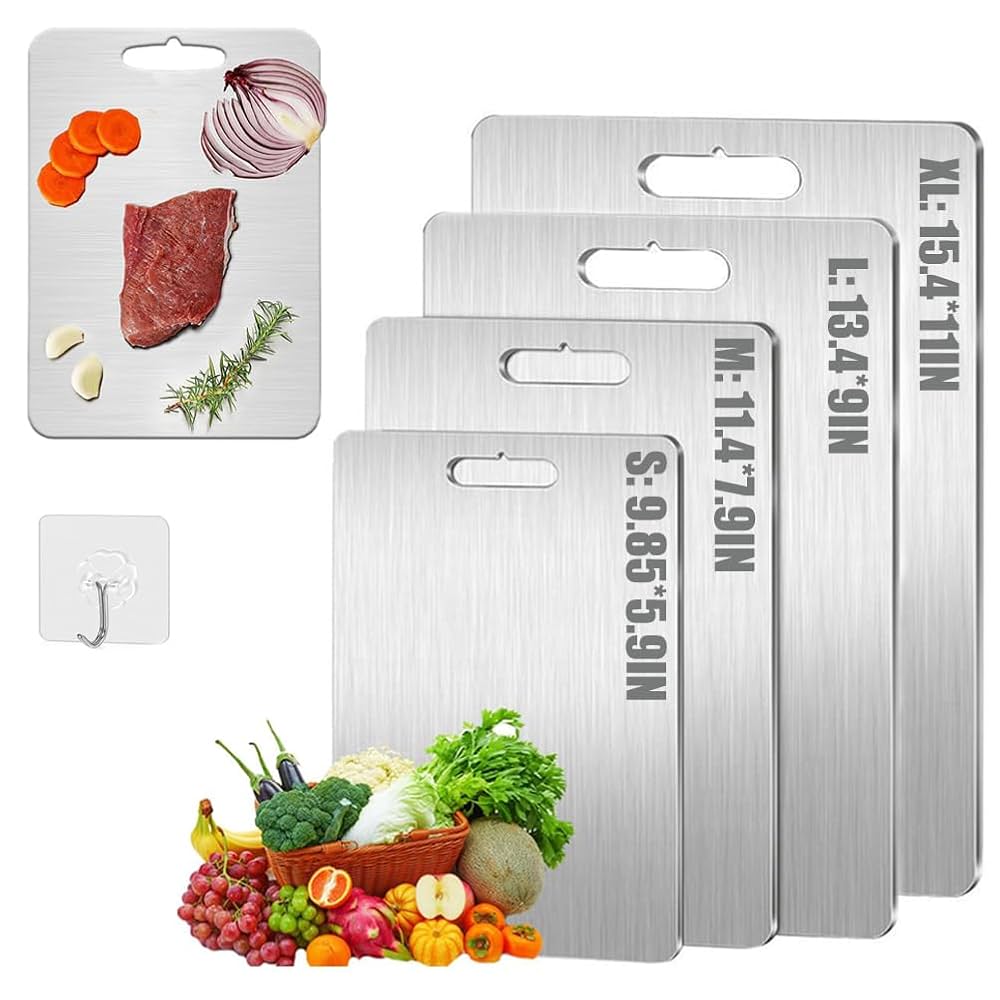
Are you tired of cutting boards that wear out quickly or damage your knives? You might be wondering if a titanium cutting board could be the solution you’ve been looking for.
Titanium is known for its strength and durability, but is it really a good choice for your kitchen? You’ll discover the surprising benefits and potential drawbacks of using a titanium cutting board. By the end, you’ll know exactly whether it’s the right fit for your cooking needs.
Keep reading to find out!

Credit: www.amazon.com
Titanium Cutting Boards Overview
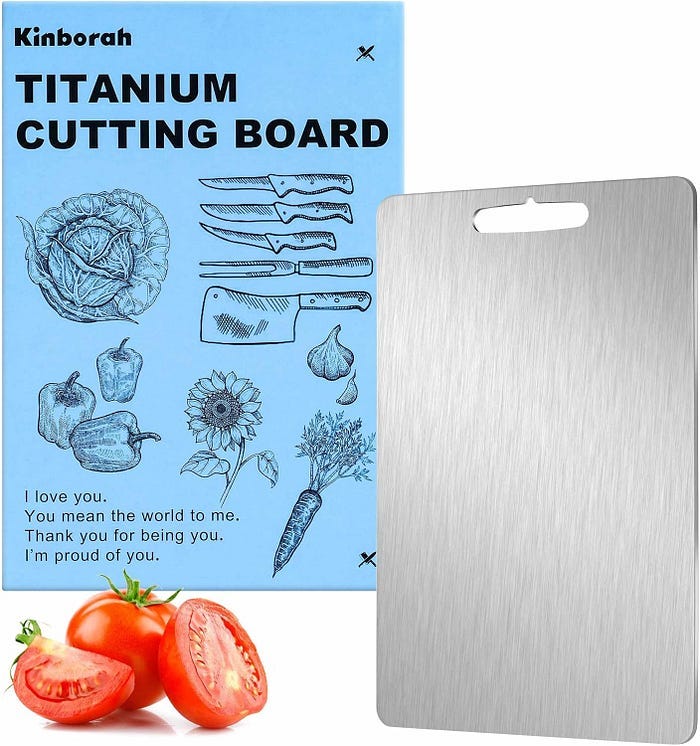
Titanium cutting boards are a unique kitchen tool. They offer a different experience than wood or plastic boards.
This article explains the material properties and common uses of titanium cutting boards in kitchens.
Material Properties
Titanium is a strong and lightweight metal. It does not rust and resists stains well. These properties make it durable for kitchen use.
- Lightweight but very strong
- Corrosion-resistant and rustproof
- Non-porous surface for hygiene
- Heat resistant up to high temperatures
- Easy to clean and maintain
Common Uses In Kitchens
Chefs use titanium cutting boards for specific tasks. They are good for cutting foods that stain or smell strong.
| Use | Reason |
| Cutting acidic fruits | Titanium resists corrosion and does not react |
| Preparing raw meats | Non-porous surface limits bacteria growth |
| Serving platters | Lightweight and easy to carry |
| Outdoor cooking | Durable and heat resistant |
Durability Compared To Other Boards
Titanium cutting boards are known for their strong build. They offer a different type of durability than wood or plastic boards.
Understanding how titanium stands against other materials helps you choose the right board for your kitchen.
Resistance To Scratches And Cuts
Titanium is very hard and does not scratch easily. Knives leave fewer marks on titanium boards than on wood or plastic.
This resistance keeps the board looking new for a long time. It also means fewer grooves where bacteria can hide.
Impact On Knife Edges
Titanium boards are tougher than wood or plastic. This can dull knives faster because the surface is very hard.
Wood boards are softer and protect knife edges better. Plastic boards fall in between titanium and wood in this area.
Longevity And Wear
Titanium cutting boards last a long time without wearing down. They resist stains and warping better than wood and plastic.
Wood boards can crack or swell with water. Plastic boards wear out with heavy use and knife marks. Titanium stands up well to daily use.
Hygiene And Maintenance
Titanium cutting boards are known for their strength and durability. Keeping them clean and hygienic is important for safe food preparation.
Proper care helps prevent bacteria buildup and keeps the board looking new for a long time.
Bacterial Resistance
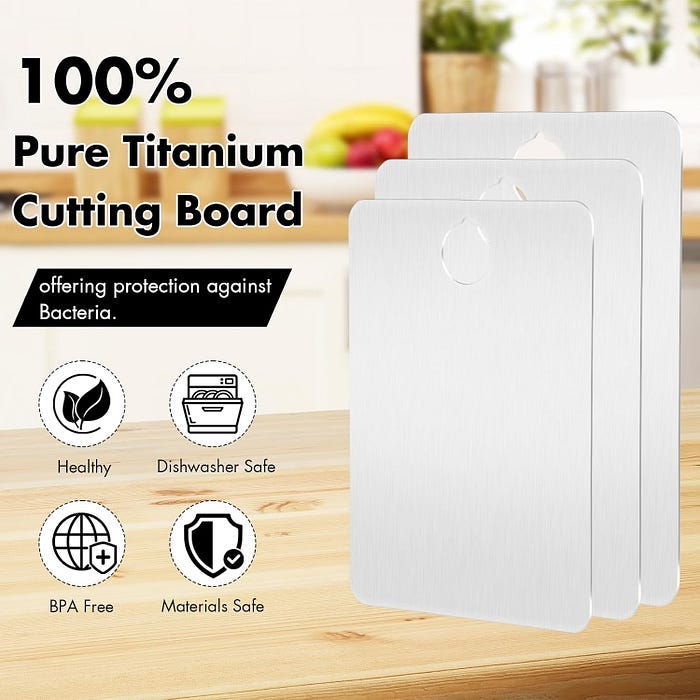
Titanium is naturally resistant to bacteria because it is non-porous. This means germs cannot easily hide in tiny cracks.
The smooth surface reduces the chance of bacteria growing compared to wood or plastic boards.
Cleaning Tips
Clean your titanium cutting board after each use with warm water and soap. Use a soft sponge to avoid scratches.
- Rinse the board well to remove all soap
- Dry it completely with a clean towel
- Do not use abrasive cleaners or steel wool
- Occasionally sanitize with a mild bleach solution
Stain And Odor Prevention
Titanium does not absorb stains or odors easily. Still, cleaning quickly after use helps avoid any marks or smells.
To keep your board fresh, wipe it with lemon juice or baking soda paste if needed. This removes any lingering odors.
- Avoid leaving food on the board for a long time
- Store the board in a dry place
- Use a gentle scrub for tough stains
- Rinse and dry after every cleaning
Credit: medium.com
Practicality In Everyday Use
Titanium cutting boards offer a unique alternative to traditional materials. They bring specific features that affect daily kitchen tasks.
This article looks at titanium boards through three practical lenses: weight and handling, surface texture and food prep, and heat resistance.
Weight And Handling
Titanium is known for its strength and lightness. A titanium cutting board is often lighter than wood or plastic boards of the same size.
This makes it easier to move and clean. Still, the metal feels different in the hand compared to softer boards.
Surface Texture And Food Prep
The surface of titanium cutting boards is usually very smooth. This affects how knives interact with the board and food.
- The smooth surface means less chance for food to stick.
- It can be tougher on knife edges than wood or plastic.
- Cleaning is quick because the surface does not absorb liquids.
- It resists stains and odors better than many other materials.
Heat Resistance
Titanium cutting boards handle heat very well. They do not warp or melt like plastic boards might.
| Material | Heat Resistance | Effect on Shape |
| Titanium | Very high | No warping |
| Plastic | Low to medium | Can warp or melt |
| Wood | Medium | May crack or warp |
Cost And Value Analysis
Choosing the right cutting board affects your kitchen budget and daily use. Titanium cutting boards are unique but come with specific costs. Understanding these costs helps decide if they fit your needs.
This analysis covers price comparison, investment longevity, and alternative options. It aims to give a clear view of titanium cutting boards’ value.
Price Comparison
| Material | Average Price | Durability | Maintenance |
| Titanium | $150 – $300 | Very High | Low |
| Wood | $20 – $80 | Medium | Medium |
| Bamboo | $15 – $60 | Medium | Medium |
| Plastic | $10 – $40 | Low | Low |
Titanium boards cost significantly more than common materials. The higher price reflects its strength and resistance to damage.
Investment Longevity
- Titanium boards resist scratches and stains for years.
- They do not absorb odors or bacteria.
- Less need for replacement saves money over time.
- Easy to clean with minimal wear.
While the upfront cost is high, titanium boards last longer than wood or plastic. This durability can balance the initial price over time.
Alternatives To Consider
Other materials offer good value depending on your kitchen use and budget. Wood and bamboo are popular for their natural look and moderate cost.
- Wood: Soft on knives but needs regular care.
- Bamboo: Eco-friendly and affordable with moderate durability.
- Plastic: Cheapest, easy to clean, but wears out quickly.
User Reviews And Expert Opinions
Many people are curious about titanium cutting boards. They want to know if these boards are good for daily kitchen use. Both home cooks and experts have shared their views on this topic.
This article looks at what users say and what chefs think about titanium cutting boards. It covers the benefits, drawbacks, and professional insights.
Pros From Home Cooks
Home cooks who use titanium cutting boards often mention several benefits. These include durability and easy cleaning. Many also like the modern look of titanium boards.
- Very strong and does not crack easily
- Resistant to stains and odors
- Easy to wash and dry quickly
- Does not absorb water or bacteria
- Lightweight and easy to move
Cons And Complaints
Some users note issues with titanium cutting boards. These often relate to the cutting experience and cost. The board’s hardness may dull knives faster than wood or plastic.
| Complaint | Details |
| Knife dulling | Hard surface wears down blades quickly |
| High price | More expensive than wood or plastic boards |
| Noise | Loud sound when cutting on metal surface |
| Slippery | Some boards do not grip the countertop well |
Professional Chef Insights
Professional chefs have mixed opinions about titanium cutting boards. They praise the hygiene but worry about knife damage. Many suggest using titanium boards for specific tasks only.
Chefs recommend:
- Use titanium boards for cutting fruits and vegetables.
- Avoid using them for heavy chopping or meat cutting.
- Pair with softer boards to protect knives.
- Clean boards thoroughly to keep them safe and shiny.
Final Durability Test Results
We tested the titanium cutting board for durability under tough conditions. The goal was to see how it handles scratches and knife impacts.
These tests help to understand if the board lasts long and stays safe for kitchen use.
Scratch Test Outcomes
The titanium board showed good resistance to scratches. Light marks appeared after repeated contact with sharp objects.
Deep scratches were rare, which means the surface stays mostly smooth during use.
- Minor scratches visible after heavy use
- Surface remains smooth with normal use
- No deep gouges after scratch testing
Knife Edge Impact
The board handled knife edge impacts well. There were no chips or cracks after repeated strikes.
Knife blades stayed sharper longer since the hard surface did not dull them quickly.
- No cracks or chips after impact tests
- Knives maintained their edge better than on wood
- Stable and firm surface during cutting
Overall Performance Summary
The titanium cutting board is very durable. It resists scratches and withstands knife impacts well.
Its strong surface helps protect knives and lasts longer than many other materials.
- High scratch resistance for lasting use
- Protects knife edges from dulling quickly
- Strong build with no damage after tests
Credit: medium.com
Frequently Asked Questions
What Are The Benefits Of Titanium Cutting Boards?
Titanium cutting boards are highly durable and resistant to scratches. They do not retain odors or stains, making them hygienic. Their non-porous surface is easy to clean, ensuring food safety. Additionally, titanium is lightweight yet strong, offering an excellent balance for regular kitchen use.
Are Titanium Cutting Boards Safe For Knives?
Yes, titanium cutting boards are gentle on knives. Their surface resists scratches while maintaining sharpness. Unlike glass or ceramic boards, they don’t dull knives quickly. This makes them a preferred choice for preserving knife quality and ensuring efficient food preparation over time.
How Do You Clean A Titanium Cutting Board?
Cleaning a titanium cutting board is simple. Wash it with warm soapy water and a soft sponge. Rinse thoroughly and let it air dry. Avoid using abrasive cleaning pads to maintain its surface integrity. Regular cleaning ensures it remains hygienic and free from bacteria.
Is A Titanium Cutting Board Eco-friendly?
Titanium is a sustainable material, making these boards eco-friendly. They are long-lasting, reducing the need for frequent replacements. This durability minimizes waste and promotes environmentally friendly practices in the kitchen. Choosing titanium supports sustainability by reducing the carbon footprint associated with manufacturing and disposal.
Conclusion
Titanium cutting boards offer strong and durable surfaces for cutting. They resist stains and do not absorb odors easily. They stay clean and last a long time. Some may find them heavier than wood or plastic boards. They are also gentle on knives, reducing dullness.
If you want a sturdy, low-maintenance board, titanium is a good choice. Simple care keeps it looking new. Overall, a titanium cutting board can be a useful tool in your kitchen.