
When it comes to choosing a cutting board, you might wonder: is wooden really better than plastic? You use your cutting board every day, so picking the right one matters more than you think.
The surface you chop on affects not only your kitchen’s hygiene but also the lifespan of your knives. You’ll discover the surprising benefits and hidden downsides of both wooden and plastic cutting boards. By the end, you’ll know exactly which option fits your needs and keeps your kitchen safe and efficient.
Keep reading to make a choice you won’t regret.
Wooden Cutting Boards Benefits
Wooden cutting boards offer many advantages over plastic ones. They are strong, safe, and look nice in the kitchen.
Choosing the right cutting board helps keep your food safe. Wooden boards have special features that make them a good choice.
Natural Antibacterial Properties
Wood has natural chemicals that fight bacteria. These properties help keep your cutting board cleaner.
Studies show wood absorbs and traps bacteria inside. The bacteria then die over time, making the board safer.
Durability And Longevity
Wooden cutting boards are strong and last for many years. They resist deep cuts better than plastic boards.
You can sand wooden boards to remove scratches and stains. This renews the surface and extends the board’s life.
Aesthetic Appeal
Wood boards add warmth and beauty to kitchens. They come in different wood types and patterns.
The natural look of wood makes it a stylish choice. It fits well with many kitchen designs and settings.

Credit: www.zsalads.com
Plastic Cutting Boards Benefits
Plastic cutting boards offer many practical benefits in the kitchen. They are popular for their ease of use and maintenance.
Understanding these benefits helps you choose the right board for your cooking needs.
Ease Of Cleaning
Plastic cutting boards are simple to clean. They can be washed with hot water and soap without damage.
Most plastic boards are dishwasher safe. This helps kill bacteria and keeps your board hygienic.
Affordability
Plastic boards usually cost less than wooden ones. This makes them a budget-friendly choice for many people.
They are widely available in many stores and come in different price ranges.
Variety And Color Coding
Plastic cutting boards come in many colors. This helps you use different boards for different food types.
- Red for raw meat
- Green for vegetables
- Blue for fish
- Yellow for cooked food
- White for bakery items
| Color | Use |
| Red | Raw Meat |
| Green | Vegetables |
| Blue | Fish |
| Yellow | Cooked Food |
| White | Bakery Items |
Health And Safety Factors
Choosing between wooden and plastic cutting boards affects your kitchen’s health. Safety depends on how each board handles bacteria and cleaning.
We look at risks of bacterial growth, ways to stop cross-contamination, and how to care for each board type.
Bacterial Growth Risks
Wood has natural pores that absorb moisture, which can trap bacteria. But studies show wood can kill some bacteria over time. Plastic boards do not absorb moisture, so bacteria stay on the surface longer.
Wood boards may seem risky, but their natural properties help reduce bacteria faster than plastic.
Cross-contamination Prevention
Cross-contamination happens when raw foods spread germs to other foods or surfaces. Both wooden and plastic boards need careful use to prevent this.
- Use separate boards for meat and vegetables.
- Clean boards immediately after use.
- Check boards for deep cuts where germs hide.
- Replace boards that have many scratches or cracks.
Maintenance And Care
Wooden boards need special care to stay safe. They should be hand washed and dried quickly. Plastic boards can be washed in a dishwasher but get damaged by sharp knives.
| Board Type | Cleaning Method | Care Tips |
| Wood | Hand wash with soap | Oil regularly, dry immediately |
| Plastic | Dishwasher or hand wash | Replace when deeply scratched |
Environmental Impact
Choosing between wooden and plastic cutting boards affects the environment. Each type has different effects on natural resources and waste.
Understanding these effects helps you pick a cutting board that is better for the planet.
Sustainability Of Materials
Wood cutting boards come from trees, a renewable resource if harvested well. Wood can grow back with careful forest management.
Plastic cutting boards are made from oil, a non-renewable resource. It takes millions of years to form oil, so it cannot be replaced quickly.
- Wood is renewable when forests are managed responsibly
- Plastic relies on fossil fuels that take millions of years to form
- Wood production often uses less energy than plastic manufacturing
Recycling And Disposal
Wooden cutting boards can break down naturally. They can be composted or disposed of without harming the soil.
Plastic cutting boards do not decompose easily. They often end up in landfills or oceans, causing pollution.
- Wood boards can be composted or recycled as wood waste
- Plastic boards are hard to recycle and often become landfill waste
- Plastic waste can harm animals and plants in the environment
Carbon Footprint
Making wooden boards usually uses less energy than making plastic ones. This means less carbon dioxide is released.
Plastic boards create more greenhouse gases during production and transport. These gases contribute to climate change.
- Wood cutting boards have a lower carbon footprint
- Plastic boards require more energy and emit more greenhouse gases
- Using wood supports reducing climate impact
Expert Opinions And Research
Choosing between wooden and plastic cutting boards raises many questions. Experts have studied both types closely. Their findings help us understand which option is safer and better for food preparation.
This section explores microbial studies, chef preferences, and food safety guidelines. It will give you a clear view based on research and expert advice.
Microbial Studies
Scientists tested how bacteria survive on wooden and plastic boards. Results show wood can trap bacteria inside its pores. But the bacteria often die off quickly.
Plastic boards can develop scratches that hold bacteria. These scratches make cleaning harder and increase contamination risk.
- Wood surfaces tend to self-heal small cuts, reducing bacteria growth.
- Plastic boards show bacteria surviving longer in deep cuts.
- Proper cleaning reduces risks for both types.
Chef Preferences
Many chefs prefer wooden boards for chopping and slicing. Wood feels softer on knives and helps keep blades sharp longer.
Plastic boards are popular in busy kitchens. They are lightweight and easy to move. Chefs also like that plastic boards come in different colors for food safety.
| Preference Factor | Wooden Board | Plastic Board |
| Knife Friendliness | Gentle on blades | Can dull knives faster |
| Weight | Heavier | Lightweight |
| Color Coding | Limited options | Multiple colors available |
Food Safety Guidelines
Food safety experts say both wooden and plastic boards are safe if cleaned well. Regular washing with hot soapy water is essential.
Sanitizing boards after use reduces the chance of foodborne illness. Experts also suggest replacing boards when they show deep cuts.
- Wash boards immediately after use.
- Use separate boards for raw meat and vegetables.
- Replace boards with deep grooves or cracks.
- Sanitize boards regularly with bleach or vinegar solutions.
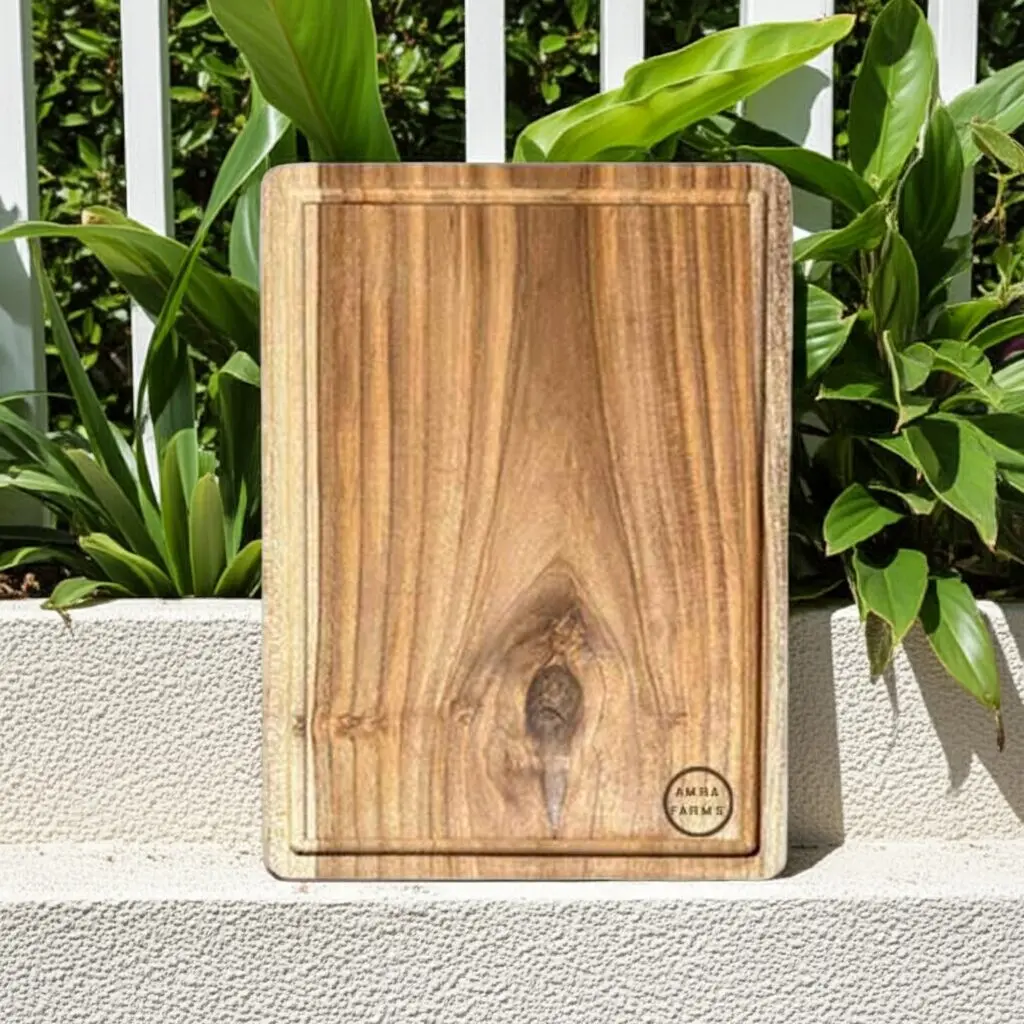
Credit: choppingboards.in
Choosing The Right Board
Choosing between a wooden or plastic cutting board depends on many factors. Understanding these helps you pick the best one for your kitchen.
This guide covers intended use, budget, and personal preferences. Each plays a big role in making the right choice.
Intended Use
Think about what you cut most often. Wood boards are great for vegetables and bread. Plastic boards work well for raw meat and fish because they are easier to sanitize.
- Wood boards are gentle on knives and last long with care.
- Plastic boards are lightweight and dishwasher safe.
- Use separate boards to avoid cross-contamination.
Budget Considerations
Wood boards can cost more upfront but last for years. Plastic boards are cheaper but may need replacing more often.
| Type | Average Cost | Durability |
| Wood | $25 – $100 | High, with maintenance |
| Plastic | $10 – $30 | Moderate, replace yearly |
Personal Preferences
Your taste and kitchen style matter. Wood offers a classic look. Plastic is often colorful and lightweight.

Credit: wondrwood.com
Frequently Asked Questions
Are Wooden Cutting Boards More Hygienic Than Plastic?
Wooden boards naturally resist bacteria due to their porous surface. They absorb and trap bacteria, which then die off. Plastic boards can develop deep cuts, harboring bacteria if not cleaned well. Proper cleaning is essential for both materials to ensure safety.
Which Cutting Board Lasts Longer, Wood Or Plastic?
Wooden cutting boards are generally more durable and can last years with care. Plastic boards tend to wear out faster and may need frequent replacement. Wood also resists deep grooves better, maintaining a safer cutting surface over time.
Do Wooden Cutting Boards Require More Maintenance?
Yes, wooden boards need regular oiling to prevent drying and cracking. Plastic boards are low-maintenance and dishwasher-safe. However, proper cleaning is crucial for both to avoid bacteria buildup and extend their lifespan.
Can Wooden Boards Damage Knives More Than Plastic?
Wooden boards are gentler on knives compared to plastic surfaces. They help maintain sharpness longer by absorbing the blade’s impact. Plastic boards are harder and can dull knives faster with frequent use.
Conclusion
Wooden cutting boards offer natural durability and resist knife marks well. They tend to be gentler on knives and look attractive in kitchens. Plastic boards are lightweight, easy to clean, and often dishwasher safe. Choosing depends on your needs for hygiene, maintenance, and style.
Both types work fine when cleaned properly and used carefully. Think about how you cook and clean before deciding. Either choice can serve you well with the right care. Simple habits keep any cutting board safe and useful.