Are you thinking about upgrading your kitchen with a new cutting board? Choosing the right wood can make a big difference in how your board holds up and feels during use.
Acacia wood has become popular, but is it really the best choice for your cutting board? You’ll discover the true benefits and potential drawbacks of acacia. By the end, you’ll know exactly whether acacia is the perfect fit for your cooking needs—and how it compares to other woods.
Keep reading to make a smart, confident decision for your kitchen.
Properties Of Acacia Wood
Acacia wood is popular for making cutting boards. It has many features that suit kitchen use. Understanding its properties helps decide if it fits your needs.
This wood is known for strength, moisture resistance, and attractive look. These qualities affect how well it works as a cutting board material.
Hardness And Durability
Acacia wood is quite hard and strong. It can handle daily chopping without getting damaged easily. This makes it last longer than softer woods.
The wood resists dents and scratches well. It keeps its shape even after heavy use. This durability is key for cutting boards that see a lot of work.
Natural Resistance To Moisture
Acacia wood naturally resists water and moisture. This quality helps prevent warping and cracking. It is important for kitchen tools exposed to wet conditions.
The wood also stops bacteria from growing quickly. This makes it a safer choice for food contact surfaces like cutting boards.
Grain And Texture
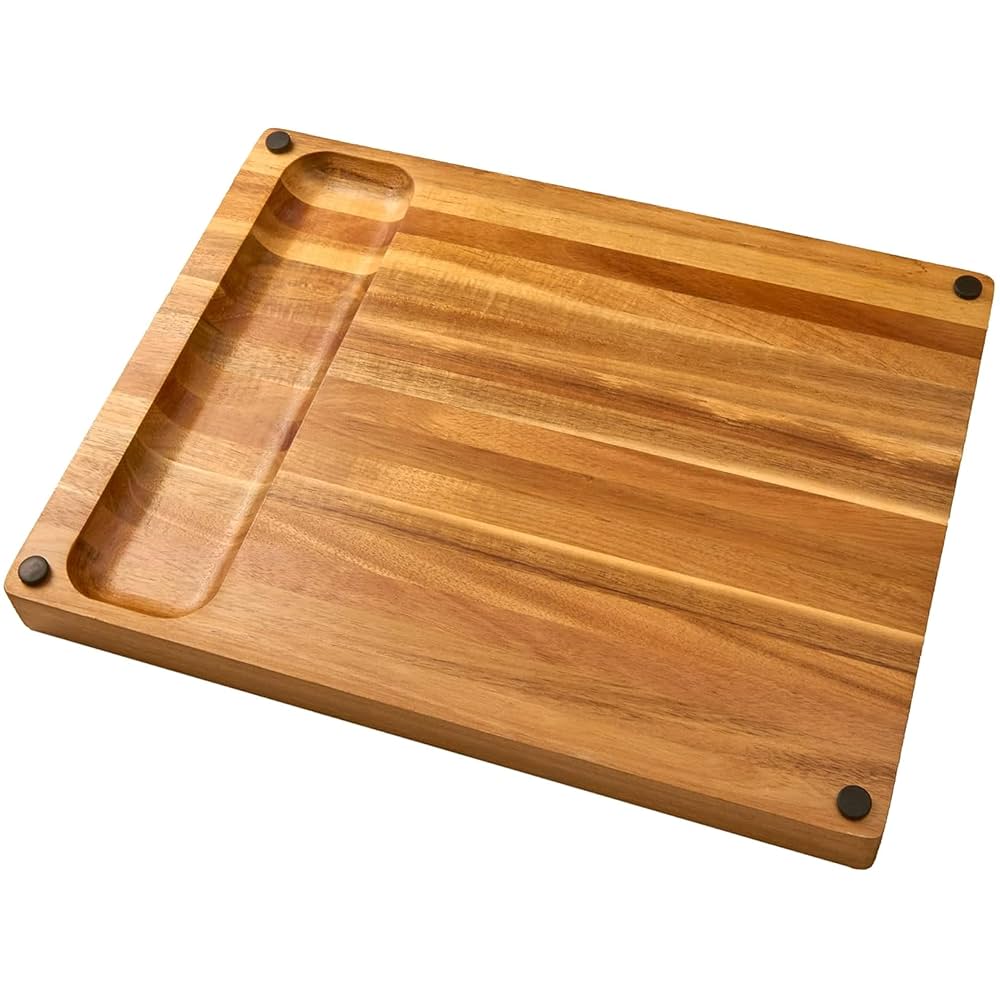
Acacia has a smooth texture and beautiful grain patterns. The grain is tight and often wavy, giving a nice look to cutting boards.
The wood surface feels pleasant to the touch. Its fine grain also helps resist deep cuts and splintering during use.

Credit: www.amazon.com
Benefits For Cutting Boards
Acacia wood is popular for cutting boards. It offers many advantages that suit kitchen use well.
This wood type combines strength with beauty. It also requires simple care to keep it useful for years.
Longevity And Wear Resistance
Acacia is a dense hardwood. It resists scratches and dents from knives better than soft woods. This makes cutting boards last longer and stay smooth.
- High hardness protects from deep cuts
- Natural oils help resist water damage
- Strong fibers prevent cracking or warping
Aesthetic Appeal
Acacia wood has a rich, warm color with natural grain patterns. This adds charm to any kitchen setting. The color deepens with time, giving a unique look to each board.
| Feature | Description |
| Color | Golden to dark brown shades |
| Grain | Fine and varied patterns |
| Finish | Glossy when oiled |
Maintenance And Care
Caring for Acacia cutting boards is simple. Regular oiling keeps the wood hydrated and prevents cracking. Cleaning with mild soap and drying immediately protects the surface.
- Use food-safe mineral oil for conditioning
- Wash by hand; avoid soaking in water
- Dry completely before storing
- Sand lightly if surface gets rough
Comparing Acacia To Other Woods
Acacia is a popular wood for cutting boards. It is strong and looks nice. People often ask how it compares to other woods.
We will look at Acacia versus Maple, Bamboo, and Walnut. Each wood has good and bad points for cutting boards.
Acacia Vs. Maple
Maple is a classic choice for cutting boards. It is hard and has a fine grain. Acacia is a bit harder and more water-resistant.
Acacia has more natural oils. These oils help protect the board from stains and cracks. Maple needs more oiling to stay safe.
- Maple is lighter in color than Acacia
- Acacia is denser and lasts longer
- Maple is easier to clean but less water-resistant
- Acacia has a richer, darker look
Acacia Vs. Bamboo
Bamboo is not a wood but a grass. It grows fast and is eco-friendly. Acacia grows slower but is stronger and heavier.
Acacia boards resist cuts and dents better. Bamboo boards can split if they get too wet. Acacia holds up well in wet kitchens.
- Bamboo is lighter and less dense than Acacia
- Acacia is more durable and water-resistant
- Bamboo is cheaper but may not last as long
- Acacia has a warmer color and unique grain
Acacia Vs. Walnut
Walnut is a dark, soft hardwood. It looks very elegant. Acacia is harder and more resistant to scratches than Walnut.
Walnut boards need gentle care to avoid marks. Acacia can handle rougher use. Both woods have natural oils that help protect.
- Walnut is softer and lighter than Acacia
- Acacia is stronger and more water-resistant
- Walnut has a smooth, deep brown color
- Acacia shows a mix of colors and patterns
Potential Drawbacks
Acacia wood is popular for cutting boards. It looks nice and is quite strong. Still, there are some drawbacks to know before choosing acacia.
Understanding these issues helps you decide if acacia suits your kitchen needs.
Cost Considerations
Acacia wood cutting boards tend to cost more than some other woods. This is because acacia is a hardwood and has a nice finish.
Buying acacia might not fit every budget, especially if you want a large or thick board.
- Higher price than maple or bamboo boards
- Costs increase with board size and thickness
- May require more care to keep its look
Weight And Handling
Acacia wood is dense and heavy. This makes the cutting boards heavier compared to softer woods.
Heavy boards can be hard to move or clean, especially for people with less hand strength.
- Dense wood adds extra weight
- Heavier boards may be less comfortable to use
- Cleaning and drying take more effort
Susceptibility To Cracking
Acacia wood can crack if not cared for properly. Changes in moisture or temperature cause the wood to shrink or expand.
Cracks affect the board’s look and can harbor bacteria, making it less safe to use.
- Prone to cracking with moisture changes
- Needs regular oiling to stay healthy
- Dry conditions increase crack risk
Tips For Caring For Acacia Cutting Boards
Acacia wood is a popular choice for cutting boards. It is strong and has a beautiful look. To keep your acacia cutting board in good shape, you need to care for it properly.
Simple care steps will help your cutting board last longer. These steps keep the wood clean, healthy, and safe for food use.
Cleaning Techniques
Clean your acacia cutting board right after use. Use warm water and mild soap. Avoid soaking the board in water to stop warping.
Use a soft sponge or cloth to clean. Rinse well and dry the board with a towel. Let it air dry standing up or on a rack.
- Wash with warm water and mild soap
- Do not soak in water
- Use a soft sponge or cloth
- Dry with towel and air dry upright
Oiling And Conditioning
Oiling your board keeps the wood from drying out and cracking. Use food-safe mineral oil or special cutting board oil. Apply oil once a month or when the board looks dry.
Rub the oil in with a clean cloth. Let it soak for a few hours or overnight. Wipe off any extra oil before use.
- Use food-safe mineral oil or cutting board oil
- Apply oil monthly or when dry
- Rub oil in with a clean cloth
- Let oil soak for hours or overnight
- Wipe off extra oil before use
Storage Recommendations
Store your acacia cutting board in a dry place. Avoid leaving it in direct sunlight or near heat. These can cause the wood to warp or crack.
Keep the board standing or flat with good air flow. This helps the board dry fully and prevents mold or mildew.
- Store in a dry area
- Avoid direct sunlight and heat
- Keep board standing or flat with air flow
- Prevent mold and mildew by drying fully
Credit: leeknives.com

Credit: www.amazon.com
Frequently Asked Questions
Is Acacia Wood Durable For Cutting Boards?
Yes, acacia wood is highly durable, making it excellent for cutting boards. Its dense grain structure resists scratches and impacts. This durability helps maintain its appearance over time. Acacia is also naturally water-resistant, reducing the risk of warping. These qualities make acacia a popular choice for kitchen use.
Does Acacia Wood Affect Knife Sharpness?
Acacia wood is gentle on knives, helping maintain their sharpness. Its dense grain provides a smooth cutting surface. This reduces the wear on knife edges compared to harder woods. Regular maintenance of both the board and knives enhances their longevity.
Acacia’s balance of hardness ensures effective cutting without damaging tools.
Is Acacia Wood Safe For Food Preparation?
Acacia wood is safe for food preparation due to its non-toxic nature. It’s naturally antibacterial, reducing the risk of contamination. Regular cleaning and oiling enhance its safety and longevity. Its smooth surface prevents food particles from embedding. Acacia’s safety features make it an ideal choice for kitchen cutting boards.
How To Maintain An Acacia Cutting Board?
Maintain your acacia cutting board by regularly cleaning and oiling it. Use mild soap and warm water for cleaning. Dry immediately to prevent warping. Apply food-safe mineral oil to preserve its surface. Avoid soaking or using harsh detergents. Proper care ensures your acacia board remains functional and attractive.
Conclusion
Acacia wood offers durability and natural beauty for cutting boards. It resists water and scratches better than many woods. Easy to clean and maintain, it stays safe for food use. Its rich color adds warmth to any kitchen space. Though it may cost a bit more, its long life makes it worth it.
Choose acacia for a practical and attractive cutting board option. Simple care keeps it looking great for years. A solid choice for those who want quality and style combined.