
Are you wondering if acacia wood is the right choice for your cutting board? Choosing the perfect material can make a big difference in how your cutting board performs and lasts.
Acacia wood has become popular, but is it really good for your kitchen needs? You’ll discover what makes acacia wood special, how it stands up to daily use, and whether it’s the best fit for your cooking space. Keep reading to find out everything you need to know before making your next purchase.
Acacia Wood Features
Acacia wood is a popular choice for cutting boards. It has many qualities that make it useful in the kitchen.
This wood is known for its strength and beauty. Many people want to know if it works well for cutting boards.
Natural Hardness
Acacia wood is naturally hard. This hardness helps resist cuts and scratches from knives.
The hard surface keeps the cutting board looking good longer. It also protects knives from dulling quickly.
Water Resistance
Acacia wood has natural oils that make it water-resistant. This helps prevent the board from absorbing water.
Water resistance reduces warping and cracking. It also lowers the chance of bacteria growth on the board.
Unique Grain Patterns
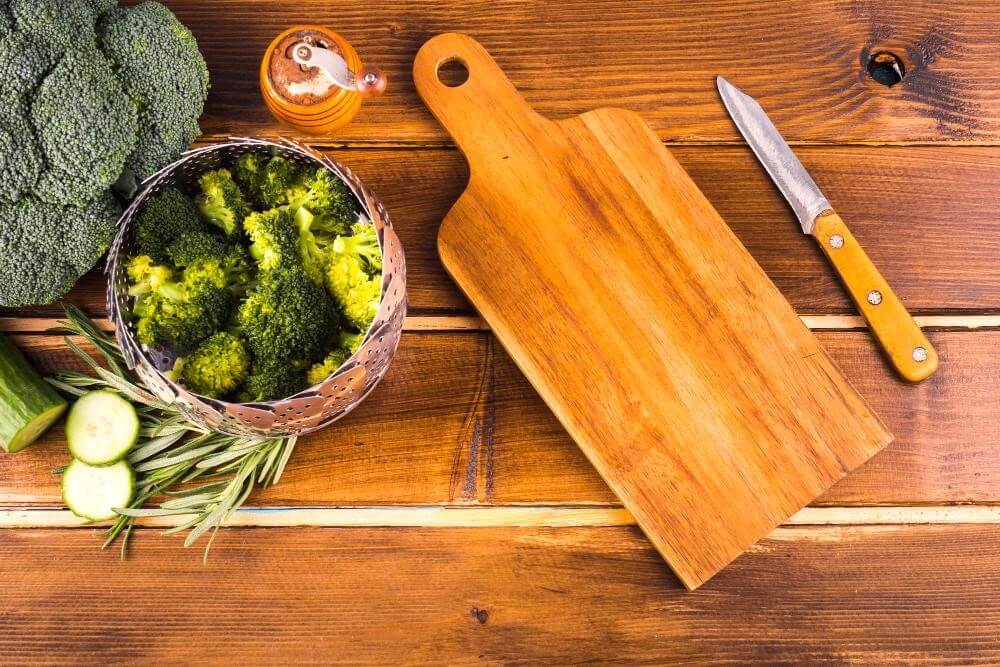
Acacia wood shows beautiful grain patterns. These patterns make each cutting board look special.
- Varied colors from light to dark brown
- Swirling and wavy grain lines
- Natural knots add character
Credit: leeknives.com
Durability For Cutting Boards
Acacia wood is a popular choice for cutting boards. It offers strong durability that holds up well with daily kitchen use.
Understanding how it handles scratches, impacts, and care helps to see if it fits your needs.
Scratch And Impact Resistance
Acacia wood has a dense grain that resists scratches and dents from knives. It can absorb impact without cracking easily.
- Hard surface prevents deep knife marks
- Less prone to dents from dropping heavy items
- Maintains smooth texture after regular use
Longevity With Proper Care
Taking care of acacia cutting boards extends their life. Regular cleaning and oiling keep the wood healthy.
- Wash with mild soap and warm water after use
- Dry completely before storing to avoid warping
- Apply food-safe mineral oil monthly to prevent drying
- Avoid soaking in water for long periods
Comparison With Other Woods
| Wood Type | Hardness | Scratch Resistance | Care Needed |
|---|---|---|---|
| Acacia | High | Good | Regular oiling |
| Maple | Medium | Moderate | Oiling recommended |
| Bamboo | Medium | Moderate | Less oiling needed |
| Walnut | Medium | Moderate | Oiling recommended |
Style And Aesthetics
Acacia wood cutting boards offer a unique style for any kitchen. Their natural look brings warmth and charm to your space.
This type of wood stands out with its rich colors and beautiful grain patterns. It adds a stylish touch to your cooking area.
Color Variations
Acacia wood shows a range of colors from light amber to deep brown. These colors blend well with different kitchen themes.
- Light honey tones for a bright look
- Golden browns for warmth
- Dark streaks for contrast and depth
- Natural variations create a one-of-a-kind board
Grain Texture Appeal
The grain of acacia wood is tight and smooth. It offers a fine texture that feels pleasant to touch and look at.
| Grain Type | Visual Effect |
| Straight grain | Clean and uniform appearance |
| Interlocking grain | Unique swirling patterns |
| Fine grain | Soft and elegant texture |
Enhancing Kitchen Decor
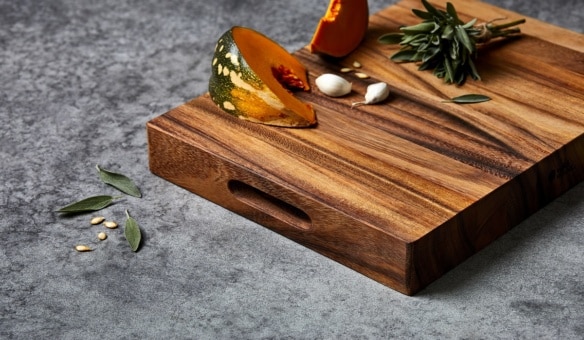
Acacia cutting boards serve as both tools and decor items. They bring natural beauty and style to your kitchen counter.
- Place near your stove for easy access and look
- Use as a serving board for guests
- Pair with wooden utensils for a rustic feel
- Complement stone or metal kitchen surfaces

Credit: www.amazon.com
Maintenance Tips
Acacia wood cutting boards need care to last long. Proper maintenance keeps them safe and strong.
These tips help your board stay clean and avoid damage over time.
Cleaning Best Practices
Clean your acacia cutting board after each use. Use warm water and mild soap. Avoid soaking it in water.
- Wash by hand, not in dishwasher
- Use a soft sponge or cloth
- Rinse well to remove soap
- Dry with a towel immediately
- Let it air dry standing up
Oiling And Conditioning
Oiling keeps the wood from drying and cracking. Use food-safe mineral oil or special wood conditioner.
| Frequency | What to Use | How to Apply |
| Once a month | Mineral oil | Rub with cloth, let soak, wipe excess |
| Every 3 months | Beeswax conditioner | Apply thin coat, buff after drying |
Avoiding Common Damages
Protect your board from cracks and stains by following simple rules.
- Do not cut on both sides at once
- Avoid extreme heat or cold
- Keep it dry when stored
- Do not use harsh chemicals or bleach
- Sand rough spots gently if needed
Health And Safety
Choosing the right wood for a cutting board affects health and safety. Acacia wood is a popular choice for kitchen tools. This section explains why acacia wood is good for cutting boards.
We look at natural antibacterial qualities, safe finishes, and food safety tips. These points help you use acacia cutting boards safely.
Natural Antibacterial Properties
Acacia wood has natural oils that fight bacteria. These oils reduce germs and keep the board cleaner. This makes acacia boards safer for food preparation.
- Natural oils prevent bacterial growth
- Hard wood resists deep cuts where germs hide
- Wood surface helps absorb and trap moisture
- Antibacterial effect lasts with proper care
Non-toxic Finishes
Many acacia cutting boards use non-toxic oils or waxes. These finishes protect wood without harmful chemicals. They keep the board safe for food contact.
| Finish Type | Safety |
| Food-grade mineral oil | Safe, non-toxic |
| Beeswax blend | Natural and safe |
| Plant-based oils | Non-toxic and eco-friendly |
Food Safety Considerations
To keep acacia boards safe, follow simple food safety rules. Clean boards properly and avoid cross-contamination. This keeps food healthy and fresh.
- Wash board with warm soapy water after use
- Dry board completely before storing
- Use separate boards for meat and vegetables
- Apply oil finish regularly to maintain wood
- Replace board if deep cracks appear
Cost And Availability
Acacia wood is a popular choice for cutting boards. Its price and availability can affect your decision to buy one. Let’s explore these factors to help you understand better.
Knowing where to find acacia wood and its cost range can make shopping easier. Also, considering how it is sourced helps you choose responsibly.
Price Range
Acacia cutting boards come at different prices. The cost depends on size, thickness, and design. Usually, acacia wood is less expensive than some hardwoods like maple or walnut.
- Small boards can cost between $15 and $30.
- Medium boards often range from $30 to $60.
- Large or designer boards may go above $60.
Sourcing And Sustainability
Acacia wood is mainly harvested from fast-growing trees. These trees grow well in dry climates. This helps keep the supply steady and the price fair.
Here are key points about acacia wood sourcing:
- It grows quickly, reducing deforestation risks.
- Many suppliers follow sustainable forestry rules.
- Look for certifications like FSC for better choices.
Where To Buy
You can find acacia wood cutting boards in many places. Check both online shops and local stores for options.
| Store Type | Availability | Price Range |
| Online retailers | Wide selection | Low to high |
| Kitchen specialty shops | Moderate | Medium to high |
| Big box stores | Limited | Low to medium |
| Local artisans | Unique pieces | Medium to high |
Credit: www.wildwood.com.au
Frequently Asked Questions
Is Acacia Wood Durable For Cutting Boards?
Yes, acacia wood is highly durable and perfect for cutting boards. It resists scratches and maintains its appearance over time. Acacia’s natural oils offer antibacterial properties, ensuring a hygienic surface. Its density helps prevent knife marks, keeping the board smooth.
This makes acacia a long-lasting and reliable choice.
Does Acacia Wood Resist Water Well?
Acacia wood naturally resists water, making it ideal for cutting boards. Its dense structure prevents water absorption, reducing warping. This resistance helps maintain the board’s shape and integrity. Regular oiling enhances its water resistance and prolongs its lifespan. Thus, acacia remains a popular choice for kitchen use.
How Do You Maintain Acacia Cutting Boards?
To maintain acacia cutting boards, wash them by hand with mild soap and water. Avoid soaking or using a dishwasher. Regularly oil the board with food-grade mineral oil to keep it hydrated. This prevents cracking and maintains its appearance. Proper care ensures your acacia cutting board lasts for years.
Are Acacia Cutting Boards Eco-friendly?
Yes, acacia cutting boards are eco-friendly. Acacia trees grow quickly, making them a sustainable resource. Harvesting acacia has a minimal environmental impact compared to slower-growing hardwoods. Choosing acacia supports responsible forestry practices. This makes it an environmentally conscious choice for those seeking sustainable kitchen products.
Conclusion
Acacia wood makes a strong and beautiful cutting board. It resists water well and lasts a long time. The wood is gentle on knives, keeping them sharp. Cleaning and caring for acacia boards is simple. They add a natural touch to any kitchen.
Choosing acacia wood means getting quality and style together. A smart choice for anyone who cooks often. Durable, easy to maintain, and good-looking too. Why not try an acacia cutting board today?