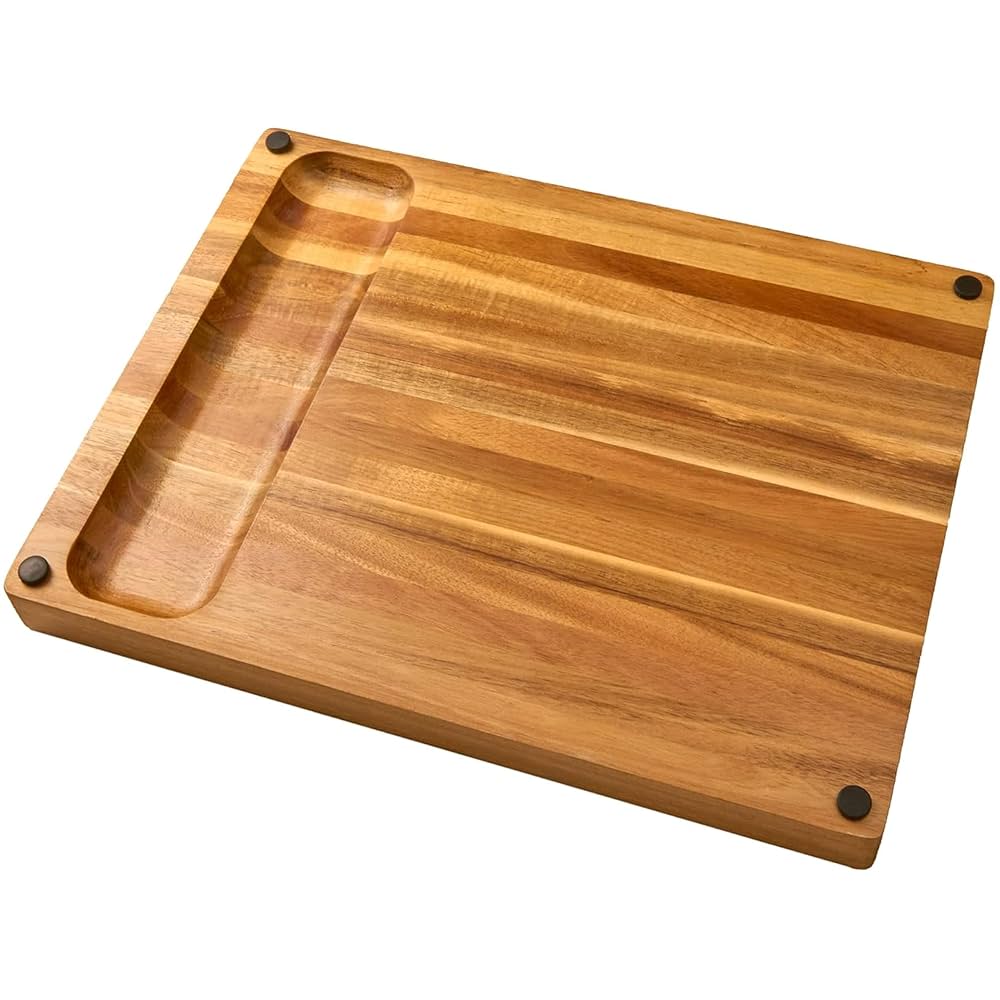
Are you thinking about getting a new cutting board and wondering if acacia wood is the right choice for your kitchen? Choosing the perfect cutting board isn’t just about looks—it’s about durability, safety, and how well it handles your daily cooking tasks.
Acacia wood has been gaining attention, but is it really good for cutting boards? You’ll discover the surprising benefits and important facts about acacia wood that can help you decide if it’s the best fit for your chopping, slicing, and dicing needs.
Keep reading to find out why acacia might just become your new favorite kitchen companion.
Benefits Of Acacia Wood
Acacia wood is a popular choice for cutting boards. It has many useful qualities that make it suitable for kitchen use.
This wood type is strong, resists water, and looks beautiful. These traits help keep cutting boards functional and attractive.
Durability And Strength
Acacia wood is very hard and dense. It can handle heavy chopping without getting damaged.
This strength helps the cutting board last a long time. It also resists scratches and dents from knives.
Natural Water Resistance
Acacia wood has natural oils that repel water. This makes the cutting board less likely to absorb moisture.
Water resistance helps prevent warping and cracking. It also reduces the chance of bacteria growth.
Unique Grain Patterns
Each piece of acacia wood has a different look. The grain patterns vary in color and shape.
These natural designs make every cutting board unique. The wood’s beauty adds charm to any kitchen.
Acacia Vs Other Woods
Acacia wood is a popular choice for cutting boards. It is strong and has a unique look. Comparing acacia to other woods helps you pick the best board for your kitchen.
This comparison covers maple, bamboo, and walnut. Each wood has its own features and care needs.
Comparison With Maple
Maple is a common wood for cutting boards. It is hard and has a smooth surface. Acacia is harder than maple and resists dents better. Maple is lighter in color, while acacia has a rich, dark tone. Both woods are safe for food use and resist bacteria well.
Comparison With Bamboo
Bamboo is actually a grass but often used like wood. It grows fast and is eco-friendly. Acacia is denser and lasts longer than bamboo. Bamboo boards are lighter and easier to clean. Acacia offers more natural water resistance without heavy treatment.
- Acacia is harder than bamboo
- Bamboo is lighter and eco-friendly
- Acacia resists water better
- Bamboo cleans easily
Comparison With Walnut
Walnut is a dark wood with a smooth texture. It is softer than acacia but still strong. Walnut is gentle on knives and has a deep brown color. Acacia is tougher and more resistant to scratches. Both woods need oiling to stay in good shape.
| Feature | Acacia | Walnut |
| Hardness | High | Medium |
| Color | Rich brown | Deep brown |
| Scratch Resistance | Better | Good |
| Care | Oiling needed | Oiling needed |
Care And Maintenance Tips
Acacia wood is a popular choice for cutting boards because it is strong and looks nice. To keep it in good shape, proper care and maintenance are important.
Following simple steps will help your acacia cutting board last longer and stay safe for food use.
Cleaning Guidelines
Clean your acacia cutting board right after use. Use warm water and mild soap. Avoid soaking it in water or putting it in the dishwasher.
Dry the board with a clean towel and let it air dry standing up. This prevents moisture from staying inside the wood.
Oiling And Conditioning
Apply food-safe mineral oil or cutting board oil to your acacia board regularly. This keeps the wood from drying out and cracking.
Rub the oil evenly over the whole surface. Let it soak for a few hours or overnight, then wipe off the extra oil.
- Oil your board once a month or when it looks dry
- Use only food-safe oils, not cooking oils
- Keep the board conditioned to maintain its shine and strength
Avoiding Cracks And Warping
Keep your acacia cutting board away from direct heat and sunlight. Heat can cause the wood to dry too fast and crack.
Do not leave the board in water or in damp areas. This can make it warp or grow mold.
- Store the board in a dry, cool place
- Stand it upright to air dry fully
- Use both sides to prevent uneven wear

Credit: www.amazon.ca
Style And Design Options
Acacia wood offers many style choices for cutting boards. Its natural patterns and colors add charm to kitchens.
You can find acacia boards in many shapes and sizes. They fit both simple and fancy kitchen designs.
Modern Vs Rustic Looks
Acacia wood suits modern and rustic kitchen styles. Its rich tones look sleek in modern spaces.
The natural grain of acacia gives a rustic, warm feel. It fits well in farmhouse or country kitchens.
- Modern boards often have smooth, clean edges
- Rustic boards show more natural wood patterns
- Both styles highlight acacia’s rich color
Custom Shapes And Sizes
Acacia cutting boards come in many shapes. You can get round, square, or unique designs.
Sizes vary from small snack boards to large chopping surfaces. This variety suits all kitchen needs.
- Small boards are good for cheese or fruits
- Large boards work well for meal prep
- Custom shapes add personality to your kitchen
Combining Function With Aesthetics
Acacia wood cutting boards blend beauty and use. They are strong and resist knife marks well.
The wood’s natural oils keep it durable and safe for food. This means the board stays good-looking longer.
- Easy to clean and maintain
- Strong enough for daily kitchen tasks
- Natural wood grain adds style
Potential Drawbacks
Acacia wood is a popular choice for cutting boards. It looks nice and feels strong. Still, it has some drawbacks to consider before buying.
This section talks about the price, how easily it scratches, and its effect on the environment.
Price Considerations
Acacia wood cutting boards can cost more than other types. This is because the wood is dense and has a rich color.
People on a tight budget might find acacia boards too expensive compared to bamboo or plastic options.
Susceptibility To Scratches
Acacia wood is hard, but it can still get scratched by knives. These scratches may show up more on the dark surface.
Over time, many scratches can make the board look worn out and less appealing.
- Hard knives leave visible cuts
- Scratches can trap bacteria if not cleaned well
- Frequent sanding may be needed to keep it smooth
Environmental Impact
Acacia wood grows fast, but some sources may not be sustainable. Poor harvesting can harm forests and wildlife.
Look for cutting boards with certified wood to reduce environmental damage.
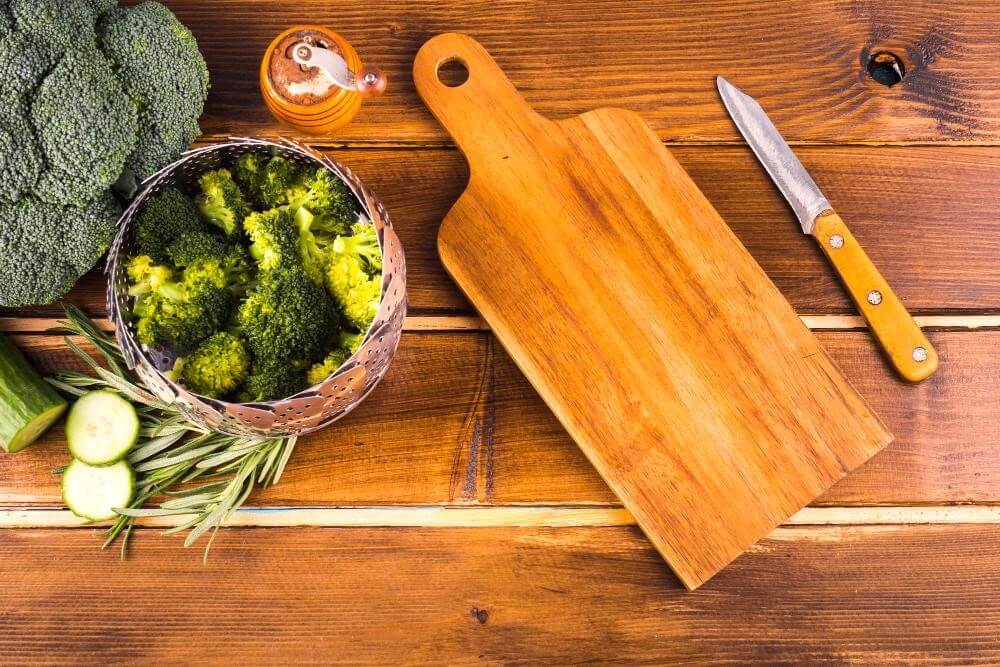
Credit: leeknives.com
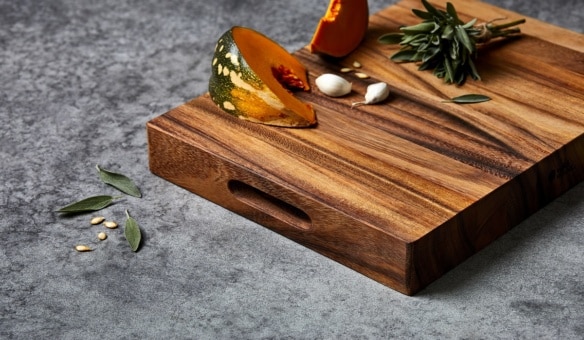
Credit: www.wildwood.com.au
Frequently Asked Questions
Is Acacia Wood Durable For Cutting Boards?
Yes, acacia wood is very durable, making it ideal for cutting boards. Its dense grain structure resists wear and tear. This durability ensures longevity, even with regular use in the kitchen. Acacia wood’s natural resistance to water and bacteria also makes it a hygienic choice for food preparation.
Does Acacia Wood Resist Knife Marks?
Acacia wood effectively resists knife marks due to its hardness. This property helps maintain a smooth surface over time. While some minor marks may appear, they are typically less noticeable than on softer woods. This quality preserves the aesthetic appeal and functionality of your cutting board.
Is Acacia Wood Naturally Antibacterial?
Yes, acacia wood has natural antibacterial properties. Its dense structure prevents bacteria from penetrating the surface. This makes it a hygienic choice for kitchen use. Regular cleaning and maintenance further enhance its antibacterial benefits, ensuring a safe surface for food preparation.
How Do You Maintain An Acacia Cutting Board?
To maintain an acacia cutting board, clean it with mild soap and water. Dry it immediately to prevent warping. Periodically, apply mineral oil to keep the wood hydrated. Avoid using harsh chemicals or soaking the board in water to preserve its quality and longevity.
Conclusion
Acacia wood offers strong durability and natural beauty for cutting boards. It resists scratches and holds up well to daily use. The wood’s natural oils help keep it safe from moisture. It also looks attractive on any kitchen countertop. With proper care, an acacia board can last a long time.
It provides a good balance of function and style. Choosing acacia wood makes sense for many home cooks. A reliable, easy-to-maintain cutting board is always a smart choice.