Have you ever wondered what powers your air conditioner? You might think it’s a simple appliance that just cools the air, but understanding if an air conditioner is electric can change how you see your energy use and bills.
Knowing how your AC works can help you make smarter choices about keeping your home comfortable without wasting money. Stick with me, and you’ll discover the surprising facts about your air conditioner’s power source—and why it matters to you.

Credit: www.master.ca
How Air Conditioners Work
Air conditioners cool indoor spaces by removing heat from the air. They use a system that moves heat outside to make rooms comfortable.
The process relies on different parts working together. These include cooling mechanisms, refrigerants, and electric components.
Basic Cooling Mechanism
Air conditioners use a cycle to cool air. Warm air inside is pulled into the unit. Then, the heat is taken out and sent outside.
- Warm indoor air enters the air conditioner.
- The air passes over cold coils filled with refrigerant.
- Heat moves from the air to the refrigerant.
- Cool air blows back into the room.
- Heat is released outside through another set of coils.
Role Of Refrigerants
Refrigerants are special fluids that absorb and release heat. They change between liquid and gas to carry heat away.
| State | Function |
| Liquid | Absorbs heat from indoor air at the evaporator coil. |
| Gas | Carries heat outside to the condenser coil. |
| Compressed Gas | Heats up to release heat outside. |
| Expanded Liquid | Cools down to absorb heat inside again. |
Electric Components Involved
Electric parts power the air conditioner and control its working. They help move refrigerant and air efficiently.
- Compressor:Pumps refrigerant through the system.
- Fans:Move air over the coils inside and outside.
- Thermostat:Detects room temperature and controls cooling.
- Capacitors:Help start and run motors smoothly.
- Electrical wiring:Connects all parts to power safely.

Credit: medium.com
Electricity And Air Conditioners
Air conditioners use electricity to cool indoor spaces. They convert electrical energy into cooling power. This process helps maintain comfortable temperatures in homes and offices.
Understanding how air conditioners use electricity can help you save energy and reduce costs. It also explains the role of key components like motors and compressors.
Power Source Requirements
Air conditioners need a stable power source to run efficiently. Most units require standard household electricity, usually 110-240 volts. Larger systems may need three-phase power.
- Small window units use single-phase power.
- Central air systems often need higher voltage.
- Consistent power supply prevents damage.
- Using the correct voltage improves performance.
Electric Motors And Compressors
The heart of an air conditioner is its compressor. It uses an electric motor to compress refrigerant gas. This compression cools the air inside the building.
Electric motors in air conditioners turn fans and pumps. These parts move air and refrigerant through the system. The motor’s power affects the unit’s overall efficiency.
| Component | Function | Power Source |
| Compressor | Compresses refrigerant | Electric motor |
| Blower Fan | Circulates indoor air | Electric motor |
| Condenser Fan | Expels heat outside | Electric motor |
| Expansion Valve | Controls refrigerant flow | Mechanical, no electricity |
Energy Consumption Patterns
Air conditioners consume different amounts of electricity based on usage and type. Factors like temperature setting and unit size affect energy use.
- Cooling during hot days uses more electricity.
- Older units often use more power than newer models.
- Regular maintenance can reduce energy consumption.
- Using timers or smart controls can save electricity.
Types Of Air Conditioners
Air conditioners cool indoor spaces by using electricity. They come in different types to fit various needs.
Choosing the right type depends on room size, installation, and budget.
Window Units
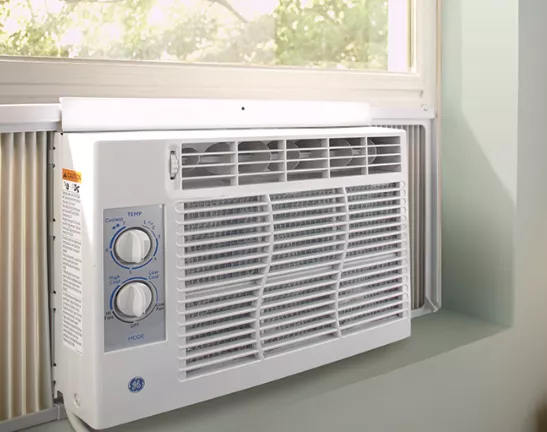
Window units are compact air conditioners installed in a window. They cool one room at a time.
They are easy to install and use electricity to run a compressor and fan.
- Affordable and space-saving
- Good for small rooms
- Needs a window for installation
Split Systems
Split systems have two parts: an indoor unit and an outdoor unit. They connect with refrigerant pipes.
The indoor unit blows cool air, while the outdoor unit removes heat. They use electricity efficiently.
- Quiet operation inside
- Can cool multiple rooms
- Needs professional installation
Portable And Central Air
Portable air conditioners can be moved from room to room. They use electricity to power fans and compressors.
Central air systems cool entire buildings. They use ducts to deliver cool air to many rooms.
- Portable units are easy to move and need venting
- Central air is best for large homes
- Central air requires ductwork and professional setup
Alternative Cooling Methods
Air conditioners use electricity to cool indoor spaces. Some people want other ways to stay cool. These methods can save energy and work in different climates.
Below are some popular alternative cooling options that do not rely solely on electric air conditioning.
Evaporative Coolers
Evaporative coolers use water to cool the air. They work best in dry places. The air passes through wet pads, and water absorbs heat as it evaporates.
- Use less electricity than traditional air conditioners
- Add moisture to dry air, improving comfort
- Simple design with few moving parts
- Lower initial cost and maintenance
Solar-powered Air Conditioners
Solar-powered air conditioners run on energy from the sun. They reduce electricity bills and lower carbon footprints. These systems often combine solar panels with traditional cooling units.
| Feature | Benefit |
| Solar Panels | Generate clean energy |
| Battery Storage | Store power for night use |
| Cooling Unit | Uses solar power instead of grid electricity |
| Installation Cost | Higher than regular units but saves money long term |
Non-electric Cooling Options
Some cooling methods do not use electricity at all. These options are simple and eco-friendly. They work well in mild or shaded environments.
Examples of non-electric cooling:
- Shade trees and natural landscaping to block sun
- Open windows for cross-ventilation
- Using thick curtains or blinds to reduce heat
- Building with materials that keep homes cool
Environmental Impact
Air conditioners use electricity to cool indoor spaces. This use affects the environment in many ways.
Understanding these effects helps us find ways to reduce harm to the planet.
Electricity Usage And Carbon Footprint
Air conditioners use a lot of electricity. Most electricity comes from burning fossil fuels.
Burning fossil fuels releases carbon dioxide. This gas adds to global warming and climate change.
- High electricity use means a larger carbon footprint.
- Using energy from clean sources lowers the impact.
- Turning off AC when not needed saves energy.
Refrigerant Emissions
Air conditioners use refrigerants to cool the air. Some refrigerants harm the environment.
Older types release gases that damage the ozone layer and cause global warming.
- Hydrofluorocarbons (HFCs) are common but have high global warming potential.
- Leaks during use or disposal release harmful gases.
- New refrigerants have less impact and are safer for the planet.
Energy Efficiency Improvements
Modern air conditioners use less energy than older models. This helps reduce environmental damage.
Energy-efficient models cool spaces using less electricity and produce fewer emissions.
- Look for units with high Energy Efficiency Ratio (EER).
- Regular maintenance keeps units running efficiently.
- Using programmable thermostats saves energy.
Future Trends In Air Conditioning
Air conditioners use electricity to cool indoor spaces. New technologies are making them smarter and more energy efficient. These changes will shape how we stay cool in the future.
Understanding future trends helps us prepare for better air conditioning options. These trends focus on saving energy and using clean power sources.
Smart And Energy-saving Technologies
Smart air conditioners can learn user habits and adjust cooling automatically. This saves energy and reduces electricity bills.
Energy-saving features include better sensors and improved compressors. These reduce power use without losing comfort.
- Automatic temperature adjustment
- Remote control via smartphone apps
- Energy usage monitoring
- Sleep and eco modes
Renewable Energy Integration
Future air conditioners will often use renewable energy like solar power. This lowers carbon emissions and cuts electricity costs.
Some systems include solar panels that power the AC directly. Others connect to green energy grids for cleaner power.
- Solar-powered air conditioners
- Wind energy integration
- Connection to renewable energy grids
- Energy storage for night use
Innovations In Cooling Systems
New cooling methods use less electricity and new materials. These include advanced refrigerants and cooling designs.
Some systems use water or natural gases to cool air. Others apply new fan designs to move air more efficiently.
- Eco-friendly refrigerants
- Water-based cooling systems
- Improved fan blade designs
- Hybrid cooling technologies

Credit: www.acdirect.com
Frequently Asked Questions
Is An Air Conditioner Powered By Electricity?
Yes, air conditioners run on electricity. They use electric motors to power the compressor and fans for cooling air efficiently.
How Does An Electric Air Conditioner Work?
An electric air conditioner removes heat from indoor air using a refrigerant cycle powered by electricity. It cools and circulates air inside.
Are All Air Conditioners Electric Appliances?
Most modern air conditioners are electric. However, some older or specialized units can use gas or other power sources.
Can Air Conditioners Work Without Electricity?
No, air conditioners need electricity to operate compressors and fans. Without power, they cannot cool or circulate air.
Conclusion
Air conditioners mostly use electricity to work. They turn electric power into cool air. This helps keep homes and offices comfortable. Knowing this helps you understand energy use better. It also guides you in choosing the right cooling option. Electric air conditioners are common and easy to find.
They offer reliable cooling during hot days. Remember, using them wisely saves energy and money. Simple care and correct use improve their lifespan. Stay cool and use your air conditioner smartly.