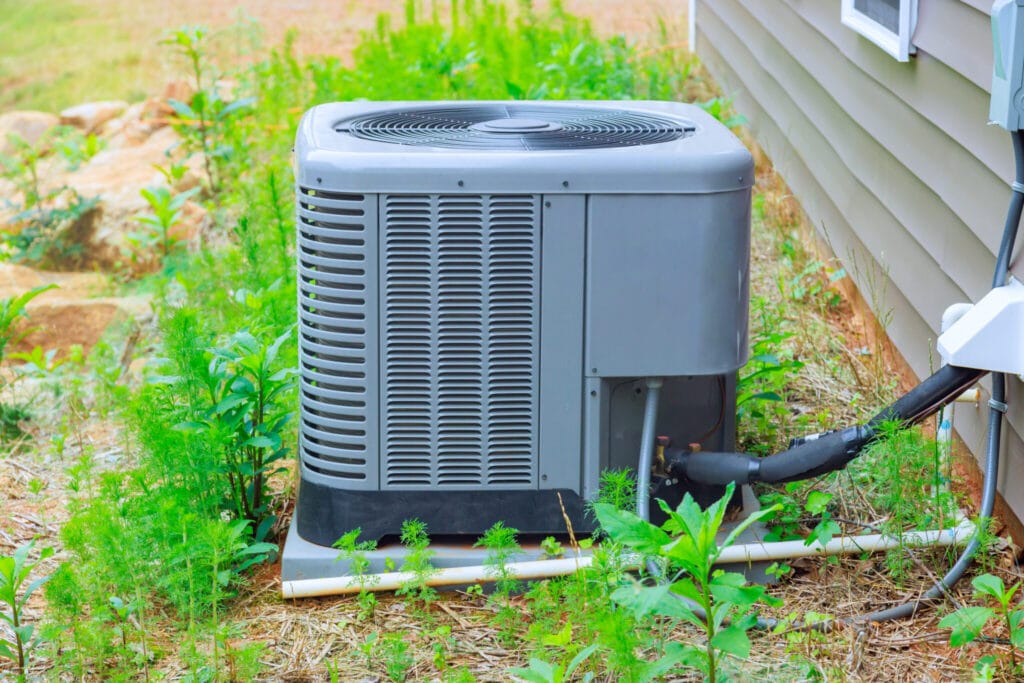
Are you wondering whether your air conditioner runs on gas or electricity? Understanding this can save you money, improve your comfort, and even help the environment.
Knowing how your AC works empowers you to make smarter choices for your home or office. Keep reading to discover the truth about air conditioner power sources and find out which option might be best for you. Your comfort and savings could depend on it!

Credit: www.evapolar.com
Air Conditioner Power Sources
Gas-powered AC unitsuse natural gas or propane as fuel. They create cold air by burning gas to power a compressor. This process cools the air inside the house. These units are often used in places where electricity is costly or unreliable. They need proper ventilation to remove harmful gases safely.
Electric AC unitsrun on electricity only. They use a compressor, condenser, and evaporator to cool the air. The compressor compresses refrigerant gas, which then releases heat outside. Cool refrigerant absorbs heat inside the home, lowering the temperature. Electric AC units are common in most homes and are easy to install and maintain.

Credit: www.reddit.com
Energy Efficiency Comparison
Gas air conditionersuse natural gas to cool air. They often use less electricity but need a gas supply. Gas ACs can be more efficient in some places with cheap gas. They produce heat and cool air at the same time.
Electric air conditionersrun on electricity only. They are common and easy to install. Electric ACs can be very efficient, especially newer models. They do not need gas lines or vents.
| Type | Energy Source | Efficiency | Notes |
|---|---|---|---|
| Gas AC | Natural Gas | Good in cold climates | Needs gas supply and venting |
| Electric AC | Electricity | High, especially modern units | Easy to install and maintain |
Seasonal efficiencychanges with weather. Gas ACs do better in winter. Electric ACs work well in summer. Choosing depends on local energy costs and climate.
Cost Implications
Initial installation costsvary between air conditioners using gas and those using electricity. Gas units often cost more upfront due to complex piping and special ventilation. Electric units usually have lower installation fees and simpler setups. The price difference can affect the choice for many homeowners.
Operational costs over timedepend on energy prices and efficiency. Electric air conditioners tend to have higher electricity bills. Gas units can save money if natural gas prices are low. Seasonal use and local rates impact these costs significantly.
Maintenance and repairsalso differ. Gas air conditioners require regular checks on gas lines and burners. Electric systems need less frequent but still important upkeep on electrical parts. Repair costs can be higher for gas units due to specialized service needs.
Environmental Impact
Gas air conditionersrelease more carbon emissionsbecause they burn fossil fuels directly. Electric air conditioners emit less carbon, but only if the electricity comes from clean sources.
Electric AC units can use renewable energylike solar or wind power. This makes them better for the environment over time.
Gas units depend on fuel that is non-renewableand will run out. Electric units have a chance for long-term sustainabilityif green energy grows.
| Factor | Gas AC | Electric AC |
|---|---|---|
| Carbon Emissions | Higher due to fuel burning | Lower if electricity is clean |
| Renewable Energy Use | Not possible | Possible with solar, wind |
| Long-Term Sustainability | Limited by fuel supply | Better with green energy growth |
Suitability For Different Climates
Air conditioners using gas or electricity work differently in various climates. Gas models suit dry, hot areas well, while electric units perform better in humid regions. Choosing the right type depends on local weather and energy availability.
Performance In Hot Climates
Electric air conditionerswork well in hot places. They cool the air fast and keep rooms comfortable. These units use electricity to power a compressor that removes heat from inside. They are efficient and can handle very high temperatures. Gas air conditionersare less common but can save money where gas is cheaper. They often need more space and more care to run safely. Electric units are easier to install and maintain in hot climates.
Performance In Mild Climates
In mild weather, both electric and gas air conditioners work fine. Electric units might use more power if the temperature changes a lot. Gas units can be more cost-effective if used for heating and cooling. Mild climates allow flexible use of either type. Maintenance and energy cost are key factors for choosing. Electric units are simpler, while gas units may save money over time.
Choosing The Right Ac For Your Needs
Home sizeplays a big role in choosing an air conditioner. Bigger homes need more power. Good insulationhelps keep cool air inside. Poor insulation means your AC works harder and costs more.
Set clear energy goals. Decide if saving money or saving energy is more important. Your budgetalso matters. Gas ACs often cost more upfront but save on bills. Electric ACs usually cost less to buy but may cost more to run.
| Factor | Gas AC | Electric AC |
|---|---|---|
| Local Energy Prices | Cheaper if gas is affordable | Better where electricity is cheap |
| Energy Availability | Needs natural gas supply | Needs reliable electricity |
| Running Costs | Lower if gas is cheap | Can be higher in some areas |
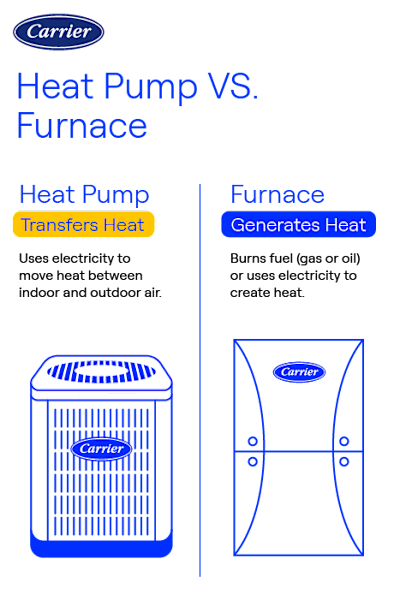
Credit: www.carrier.com
Frequently Asked Questions
Is An Air Conditioner Gas Or Electric?
Air conditioners primarily use electricity to function. However, they contain refrigerant gas, often referred to as “Freon. ” This gas helps in cooling the air. The electricity powers the compressor, fan, and other components, making the system operational. So, while gas plays a role, the primary energy source is electric.
How Does An Electric Air Conditioner Work?
An electric air conditioner uses electricity to power its components. The compressor compresses the refrigerant gas, which absorbs heat from the air. The fan then blows the cooled air into the room. This process continues in a cycle, ensuring consistent cooling.
What Is The Role Of Gas In Ac Units?
Gas in AC units is the refrigerant, responsible for cooling the air. It absorbs heat when it changes from a liquid to a gas. This process allows the air conditioner to provide a cooling effect, making the indoor environment comfortable.
Are There Gas-powered Air Conditioners?
Gas-powered air conditioners are less common than electric ones. They use natural gas or propane to power the cooling process. These units are more prevalent in commercial or industrial settings. However, the majority of residential air conditioners are electrically powered.
Conclusion
Air conditioners mostly use electric power to work. Some types use special gases inside to cool air. These gases help move heat from inside to outside. Electric energy runs the compressor and fans. Knowing this helps you understand your AC better.
It also guides you in choosing the right unit. Energy use and gas type affect cost and care. Keep these points in mind when buying or fixing your AC. Simple facts make your choice easier and smarter.