Have you ever wondered if an air gap is really necessary for your dishwasher? You’re not alone.
Many homeowners question whether this small, often overlooked device is truly essential or just another gadget taking up space. Imagine the peace of mind knowing your dishwasher is not only clean but also fully protected from potential contamination. In this blog post, we’ll dive into what an air gap does for your dishwasher and why it might be more crucial than you think.
Stick with us, and you’ll discover how this simple fixture could save you from unexpected plumbing headaches and keep your kitchen running smoothly. Curious to find out more? Let’s unravel the mystery together.
Role Of Air Gaps In Dishwashers
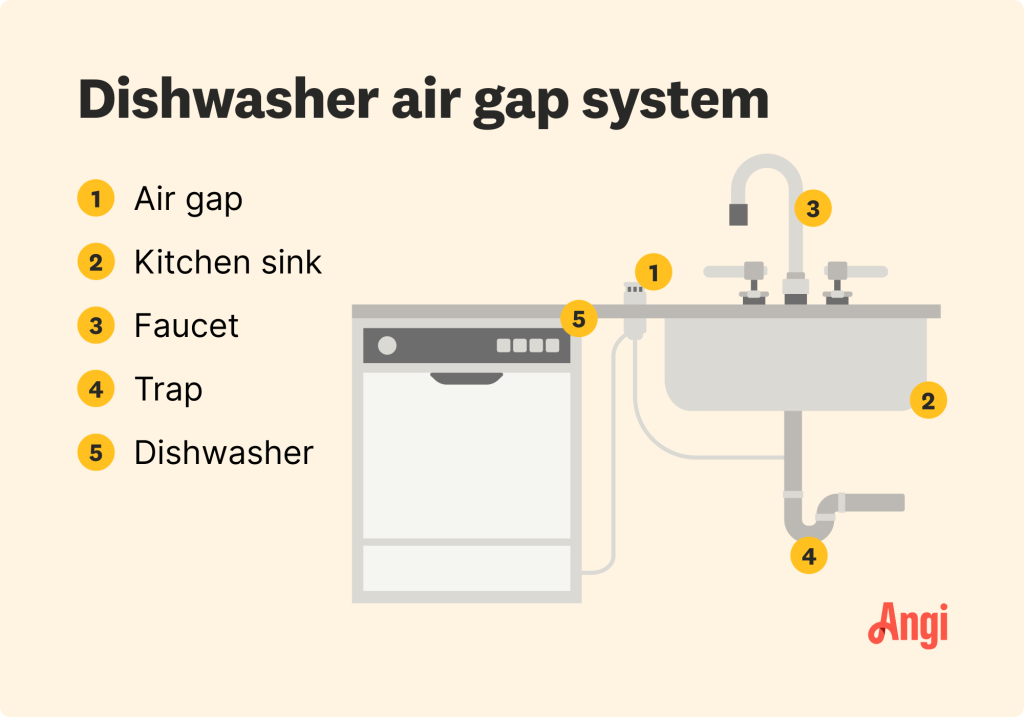
The role of air gaps in dishwashers is essential for safe water flow and hygiene. An air gap is a small device installed between the dishwasher and the sink drain. It stops dirty water from flowing back into the dishwasher. This simple tool plays a big part in keeping your dishwasher clean and your kitchen safe.
Preventing Backflow Contamination
Air gaps stop dirty water from the sink from re-entering the dishwasher. This backflow can carry harmful bacteria and debris. The air gap creates a space where water cannot travel backward. It acts as a physical barrier, ensuring only clean water flows into the dishwasher. This prevents contamination and protects your dishes from germs.
Maintaining Hygiene Standards
Using an air gap helps meet health and safety rules for kitchens. It keeps the dishwasher’s water supply clean and safe. Without an air gap, dirty water could mix with clean water. This risks spreading bacteria and making dishes unsafe. Air gaps support good hygiene by keeping wastewater separate and maintaining water quality.

Credit: up.codes
Plumbing Codes And Regulations
Plumbing codes and regulations play a key role in dishwasher installation. They help keep water safe and prevent contamination. These rules vary by location and often require specific setups for drainage systems. Understanding these rules avoids fines and protects home health.
Local Code Requirements
Local codes set the standards for dishwasher plumbing. They dictate if an air gap or other device is needed. Many areas require an air gap to stop dirty water from flowing back into clean water. Some places accept alternatives, like high loops, but this depends on local rules. Checking with local authorities or a plumber ensures compliance.
When Air Gaps Are Mandatory
Air gaps are mandatory in many regions. They prevent wastewater from dishwasher drain lines from backing up into the water supply. This is critical in homes connected to public water systems. Codes often require air gaps in commercial kitchens and some residential buildings. The presence of an air gap ensures water safety and avoids cross-contamination risks.
Alternatives To Air Gaps
Air gaps prevent dirty water from flowing back into your dishwasher. Some local codes require them, but not all homes have one. There are other ways to stop water from flowing backward without using an air gap. These alternatives can be easier to install and work well if done right.
High Loop Drain Method
This method raises the dishwasher drain hose above the sink’s drain level. The hose forms a loop under the sink cabinet or countertop.
- Stops dirty water from draining back into the dishwasher
- Uses gravity to keep water flowing in the right direction
- Easy to install with basic tools
Ensure the loop is as high as possible, usually near the bottom of the countertop. This simple setup reduces the risk of backflow without extra parts.
Check Valves And Other Devices
Check valves allow water to flow only one way. They prevent water from coming back into the dishwasher.
- Installed inside the drain hose or near the dishwasher outlet
- Stops backflow effectively
- Small and hidden, so they don’t affect kitchen design
Other devices like backflow preventers work similarly to check valves. They add protection where a high loop or air gap isn’t possible. These devices need proper installation to work well.
Credit: gps-plumbing.com
Installation Best Practices
Installing an air gap for your dishwasher isn’t just about ticking a box—it ensures your kitchen stays clean and your plumbing works smoothly. Getting the installation right prevents backflow contamination, which can pose health risks and damage your appliance. Understanding the best practices around placement and common pitfalls can save you time and frustration.
Proper Placement Of Air Gaps
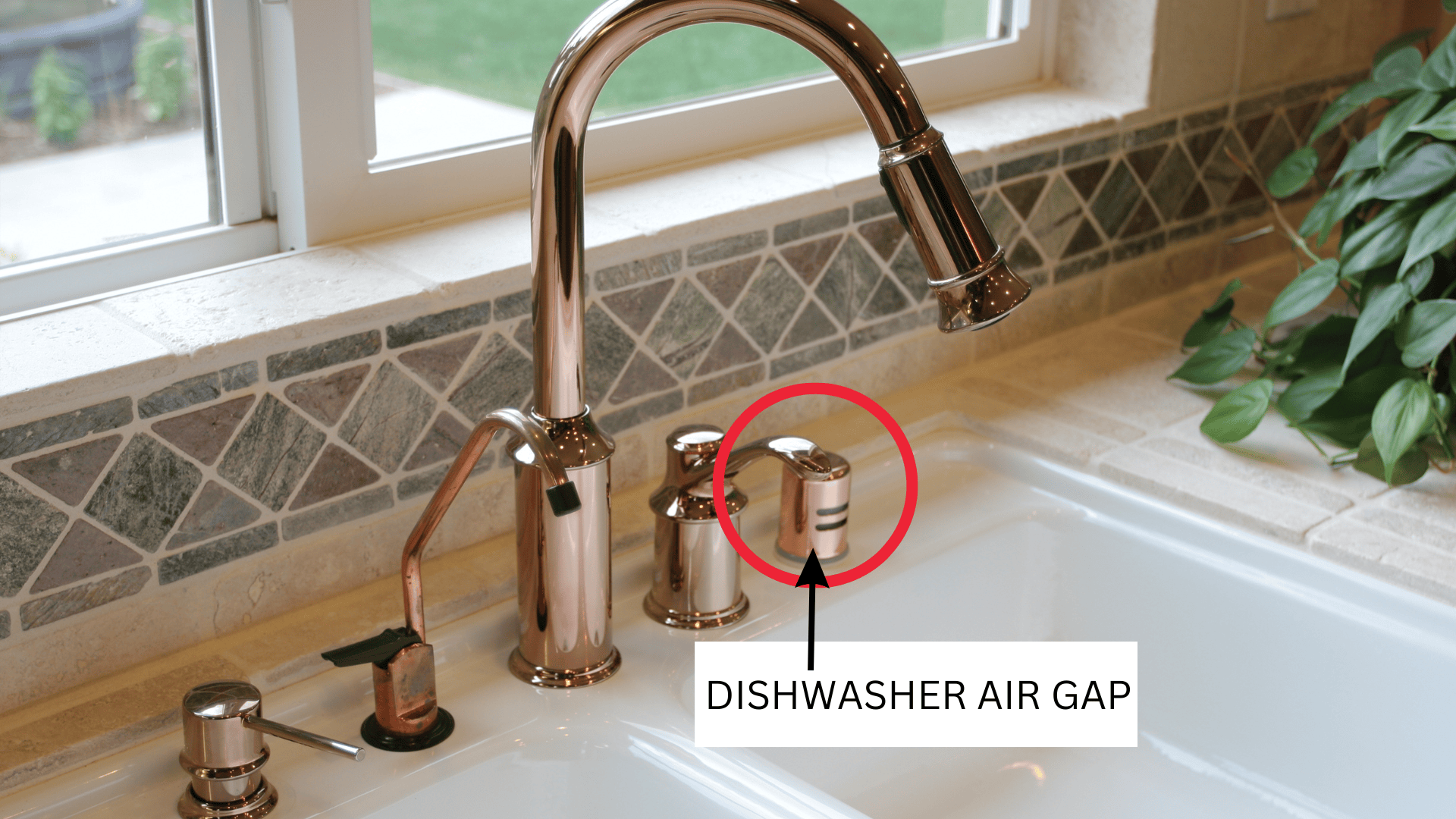
Place the air gap where it’s visible and easy to access, usually on the countertop or sink deck near the dishwasher. This location allows you to spot clogs or leaks quickly before they cause bigger issues.
Make sure the air gap is higher than the dishwasher drain hose and the garbage disposal or sink drain. This height difference prevents water from siphoning back into your dishwasher.
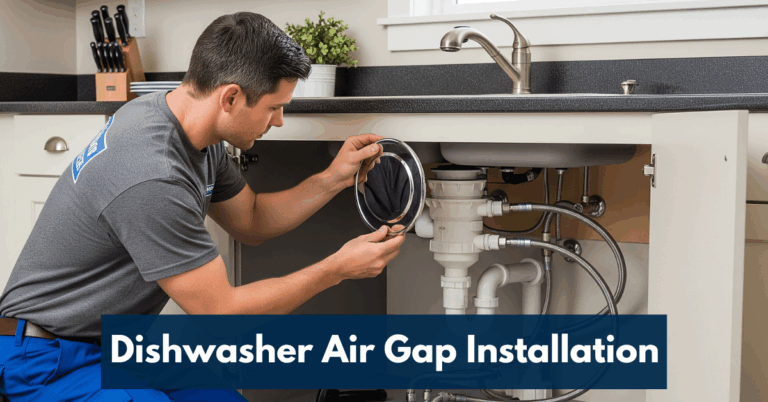
Connect the hose from the dishwasher to the air gap’s inlet, and from the air gap’s outlet to the sink drain or garbage disposal. Secure these connections tightly to avoid leaks.
Common Installation Mistakes
- Installing the air gap below the sink level, which defeats its purpose and allows dirty water to flow back.
- Using hoses that are too long or kinked, causing water to pool and block the drain.
- Failing to secure hose clamps properly, leading to leaks or hose detachment.
- Ignoring local plumbing codes that might require an air gap for safety and compliance.
Have you ever noticed water backing up in your dishwasher? It might be the result of one of these mistakes. Checking these details during installation can prevent costly repairs and keep your dishwasher running efficiently.
Troubleshooting Air Gap Issues
Troubleshooting air gap issues is important to keep your dishwasher running smoothly. The air gap prevents dirty water from flowing back into your dishwasher. If it clogs, water may not drain properly, causing leaks or odors. Checking for problems early helps avoid bigger repairs.
Signs Of Clogs And Blockages
- Water pools around the air gap or under the sink.
- Dishwasher does not drain completely after a cycle.
- Unusual noises during dishwasher operation.
- Bad smells coming from the air gap or drain area.
- Slow draining sink when the dishwasher runs.
Cleaning And Maintenance Tips
Remove the air gap cover carefully. Use a flashlight to check inside for debris or buildup.
Clear blockages with a small brush or pipe cleaner. Avoid using sharp tools.
Flush the air gap with warm water to remove soap or food particles.
Check the hose connected to the air gap for kinks or clogs. Clean or replace if needed.
Perform this cleaning every few months to prevent future problems.
Cost And Practicality Considerations
Choosing whether to install an air gap for your dishwasher involves thinking about both cost and practicality. This small device stops dirty water from flowing back into the dishwasher. While it adds safety, it also means extra spending and installation effort. Understanding the price and benefits helps make a smart decision.
Price Range For Air Gap Devices
Air gap devices usually cost between $15 and $50. The price varies by brand and quality. Installation may add $100 to $200 if a plumber is needed. Simple models fit most kitchens and cost less. More stylish or durable versions tend to be pricier.
Weighing Safety Against Expense
Air gaps prevent dirty water from contaminating clean dishes. This safety feature can protect family health. Some local codes require air gaps by law. Skipping it might save money but increase risk. Consider how much peace of mind is worth to you. The cost is small compared to potential health issues or repairs.
Credit: callwhitney.com
Frequently Asked Questions
What Is An Air Gap For A Dishwasher?
An air gap is a small device installed on your sink or countertop. It prevents dirty water from flowing back into your dishwasher, ensuring clean water supply and avoiding contamination. Many local plumbing codes require it for safety and hygiene.
Is An Air Gap Legally Required For Dishwashers?
In some regions, yes. Local plumbing codes may mandate air gap installation to prevent backflow contamination. Check your area’s plumbing regulations to ensure compliance and maintain a safe dishwasher connection.
Can A Dishwasher Work Without An Air Gap?
Yes, but it risks backflow issues. Without an air gap, wastewater might siphon back into the dishwasher. This can cause contamination and damage. Using a high loop in the drain hose is an alternative but less reliable method.
How Does An Air Gap Prevent Dishwasher Contamination?
It creates a physical barrier between the dishwasher and sink drain. This prevents dirty water from flowing backward into the dishwasher. The air gap ensures only clean water enters your appliance, maintaining hygiene and performance.
Conclusion
An air gap helps stop dirty water from flowing back into your dishwasher. It keeps your kitchen sink clean and safe. Many local rules ask for an air gap. It is a small part but very useful. Installing one is simple and adds peace of mind.
Think of it as a guard for your water. Not every home needs it, but it is smart to have. Clean water and good dishwasher function matter most. Choose what fits your home and local rules.